
Sainte-Marie
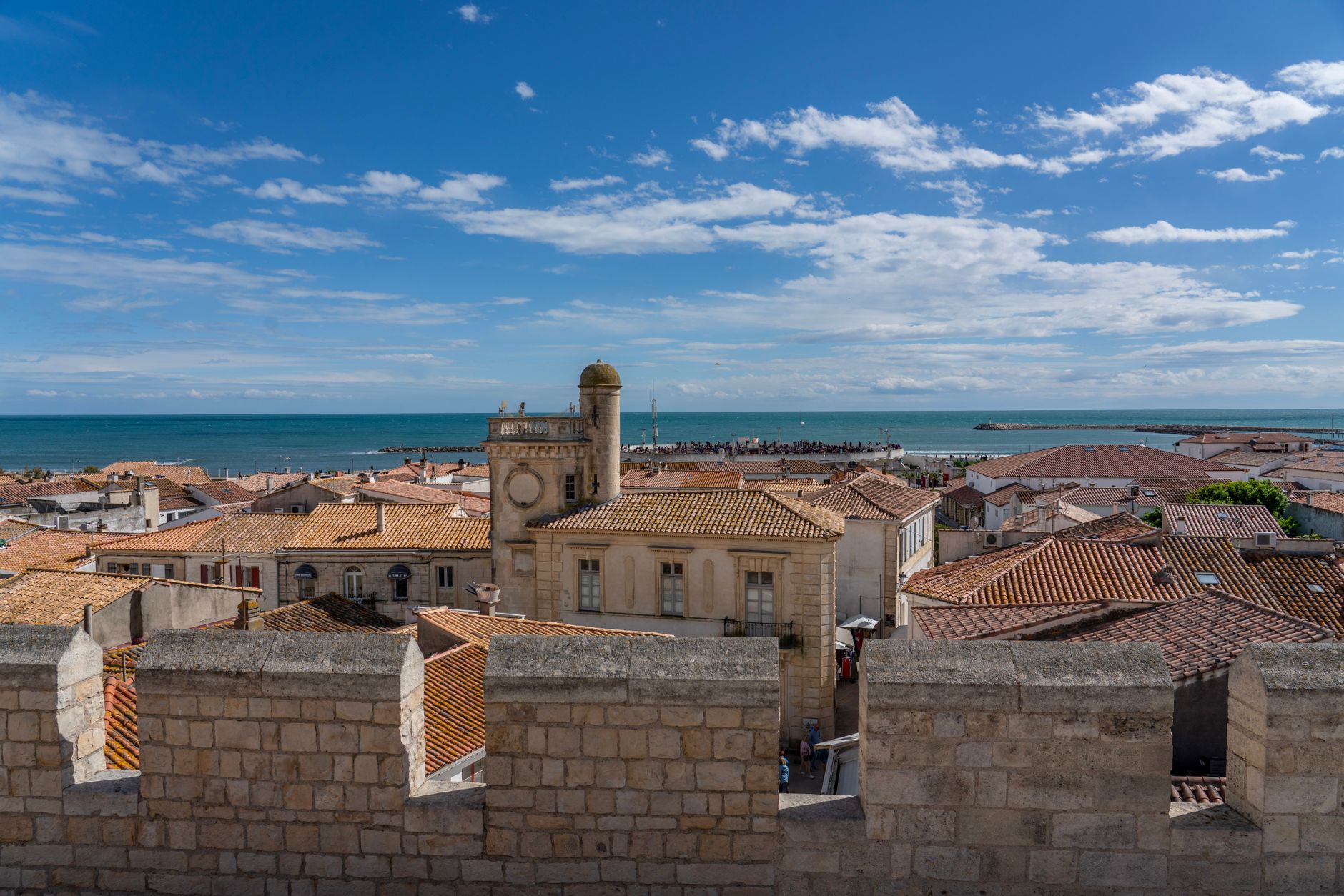
The first thing many people see of Réunion is Sainte-Marie — Roland-Garros Airport sits within its boundaries, two kilometres from the town centre, and the Indian Ocean is already visible before you've collected your bag. Most travellers pass straight through. The ones who stay find a northern coastal town where the sacred and the everyday share the same streets: a Tamil temple, a mosque, a stone church, and a Black Madonna on the River Rains who draws thirty to forty thousand pilgrims a year.
The seafront market runs on Saturday mornings — meat, fish, flowers, fruit — and the fishing port is the kind of place where photographers linger longer than they planned. Sainte-Marie is a working town of 37,000 people, part of Réunion National Park, and the oldest continuously settled corner of an island that has never quite stopped surprising.
💛 What travellers fall for
People who come back tend to mention the same morning: the Saturday market winding down, then a slow walk to the fishing port with something wrapped in paper, the light on the boats. The Chapel of Notre-Dame-de-la-Salette, burial site of Brother Scubillion, is quieter than the main church and easier to sit in.
Deals in Sainte-Marie
Book directly at the provider

How Sainte-Marie came to be
Sainte-Marie's founding myth is specific and strange: in 1667, shipwrecked buccaneers prayed to the Virgin Mary and, surviving, built a chapel from the timber of their own wrecked vessel. Land concessions followed in 1690, and by 1729 Domingo Ferrere had raised the first proper chapel. Four years later, the Vincentian Congregation established the sanctuary and presbytery that still define the town centre. Sainte-Marie became an official commune in 1789.
The mid-19th century reshaped it economically — sugar cane brought factories and distilleries, and the Hôtel de Ville went up in 1860, still standing. The church in the town centre, built on a stone cross-plan, is among the oldest on the island. Brother Scubillion, a Vincentian brother known for protecting enslaved people, was canonized in 1989; his grave at the Chapel of La Salette remains a place of pilgrimage.
Who and what shaped it
People who shaped it
Landmark buildings
See Sainte-Marie in motion
Plan your visit
On the map
When to go
From May through October, days sit around 25–26°C with cooler nights — the most comfortable window for walking and being outside. Between January and March the heat climbs to around 30°C, humidity rises sharply, and cyclones are a real possibility.
Right now
Background & history adapted from Wikipedia (CC BY-SA) · specs from Wikidata (CC0) · weather from Open-Meteo · map data © OpenStreetMap contributors · photos from Wikimedia Commons / Unsplash with per-image credit. No third-party reviews or social posts reproduced.