
Sagano
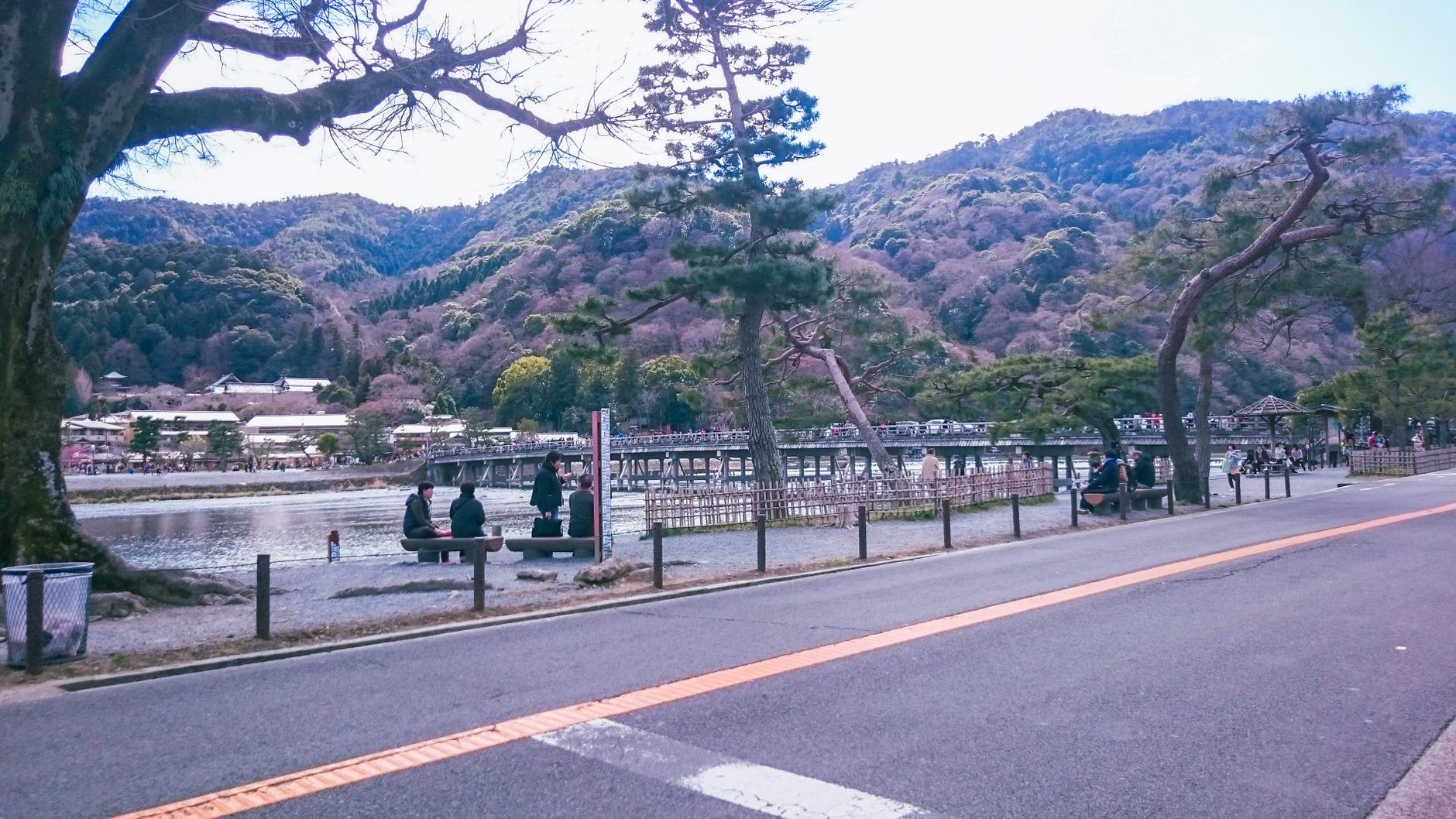
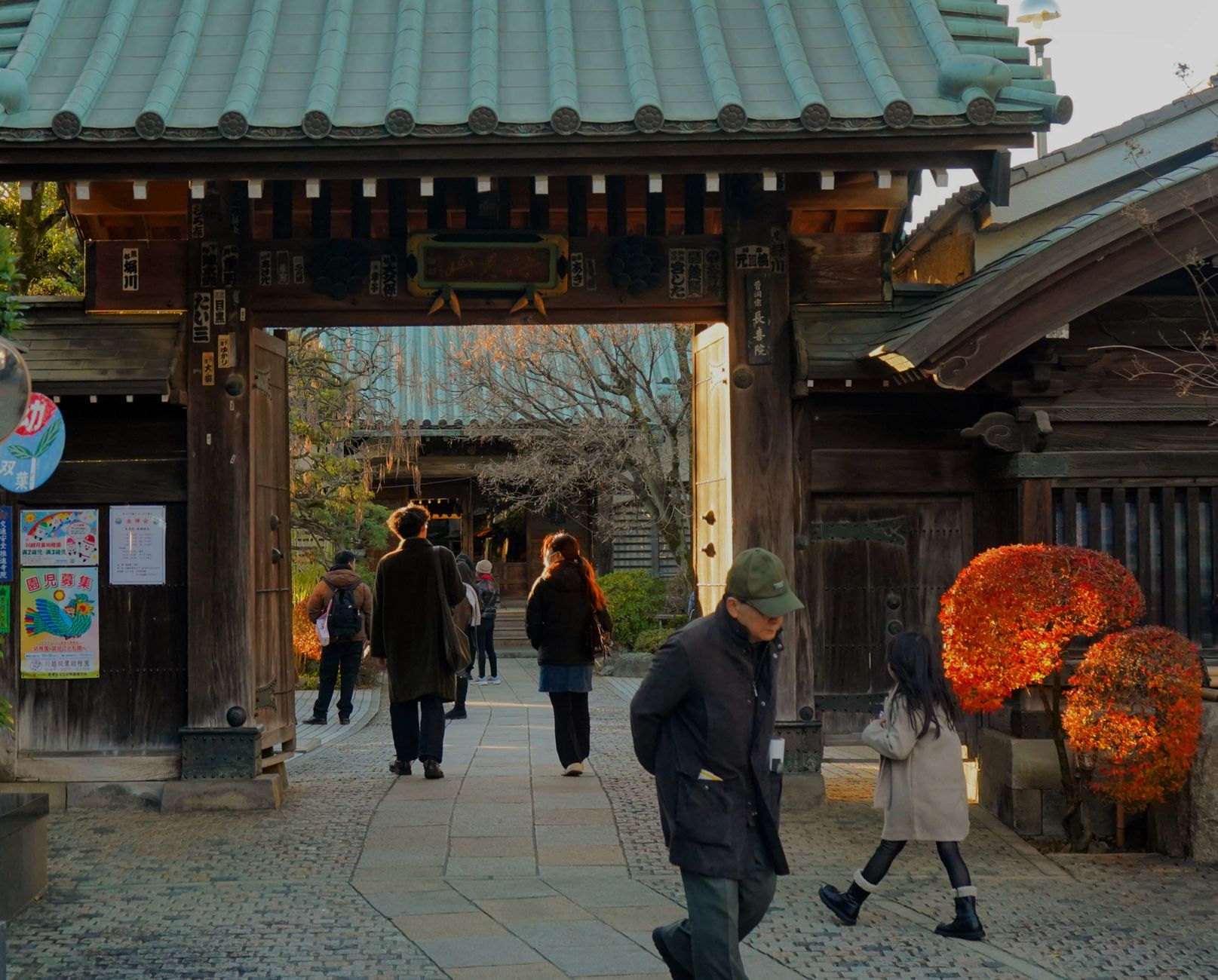
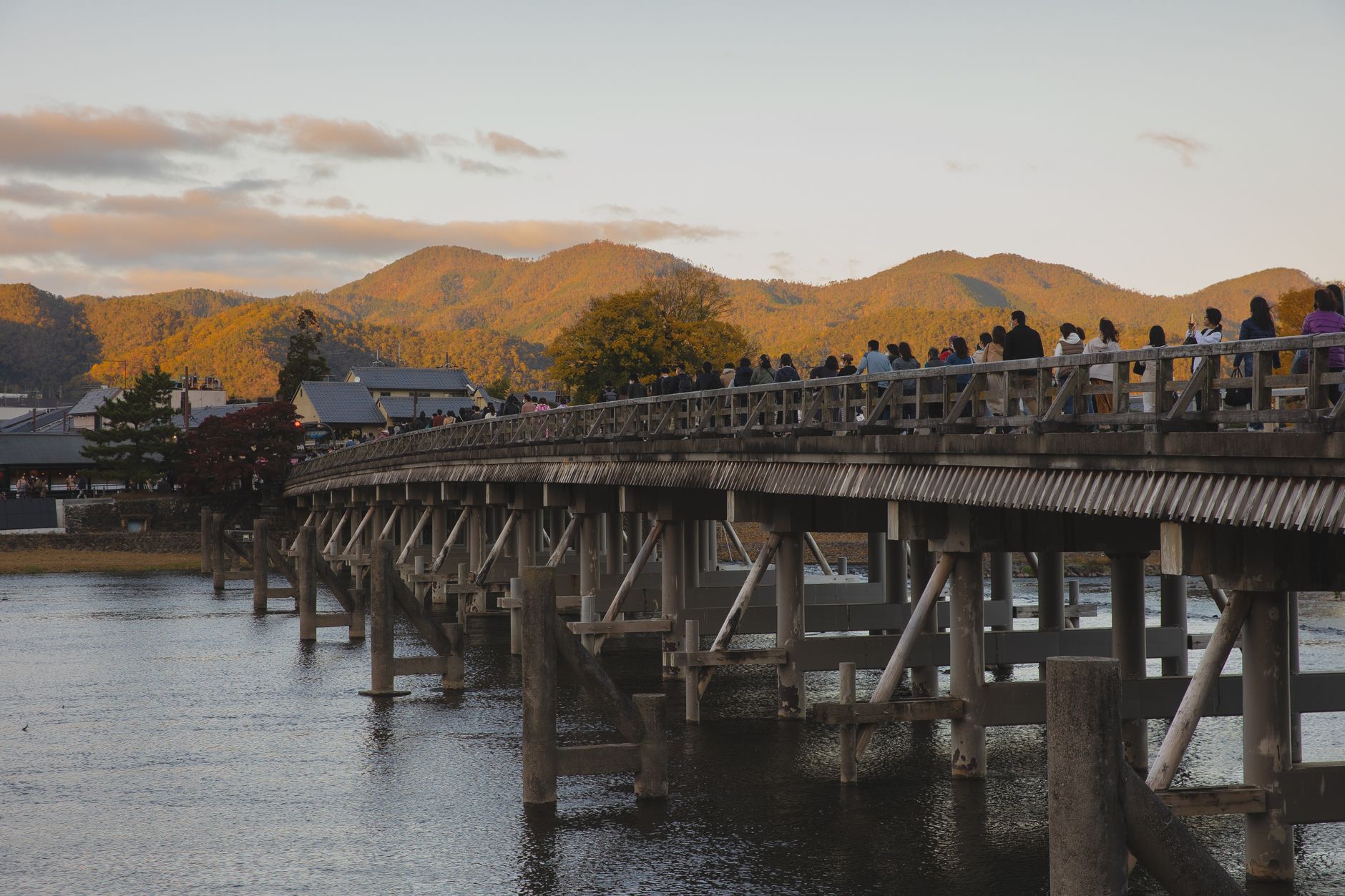
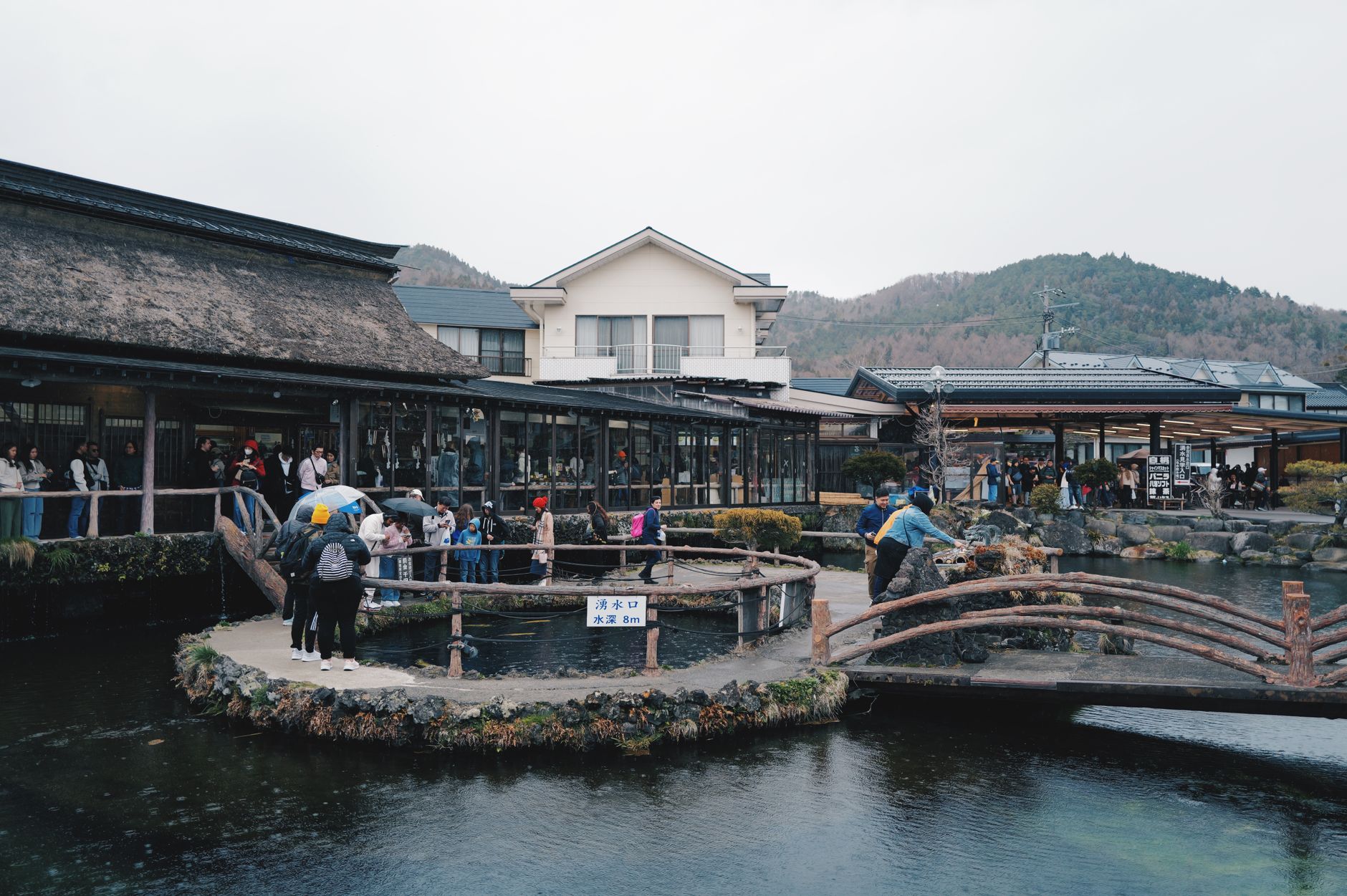
The bamboo here makes a sound you don't expect — a low, hollow creak as the stalks lean against each other in the wind, quite unlike anything in a city park. Sagano sits at Kyoto's western edge where the hills press close, and the 400-metre path through the bamboo grove is free to walk, has been since 2015, though the crowds have not necessarily noticed the memo.
Most of what draws people — Tenryuji's Zen garden, the Togetsukyo Bridge arcing across the Oi River, the moss-covered steps of Jojakko-ji — sits within comfortable walking distance of Saga-Arashiyama Station. A single unhurried day, ideally with a bento from the station, is the right unit of time.
💛 What travellers fall for
People who come back tend to arrive on the first train from Kyoto Station — 17 minutes, 240 yen — before the tour groups reach the bamboo path. They also mention Daikakuji's Osawa-no-Ike pond, which most visitors skip in favour of Tenryuji, and which has the distinct advantage of being quiet.
Deals in Sagano
Book directly at the provider

How Sagano came to be
Nobles were already coming to Sagano in the Heian period (794–1185), drawn by autumn leaves and the pleasure of boating on the river among rice fields and bamboo woods. The area's reputation for cherry blossoms has a specific origin: retired Emperor Go-Saga (1220–1272) had trees transplanted here from Mount Yoshino in Nara, establishing Arashiyama as a place for blossom-viewing that it has remained ever since.
The temples came later and in layers. Daikakuji began as an imperial residence and was converted to a temple in 876. Tenryuji was founded in 1339 by shogun Ashikaga Takauji as an act of mourning for Emperor Godaigo; its garden was laid out by the Zen priest Muso Soseki and is now a UNESCO World Heritage Site. By the Edo period (1603–1867), Sagano had settled into its role as a place people simply came to.
Who and what shaped it
People who shaped it
Landmark buildings
See Sagano in motion
Plan your visit
On the map
When to go
Spring cherry blossoms (late March to mid-April) and autumn maples (November) bring the heaviest crowds and, it must be said, the most remarkable colour. Summer is humid and warm; winter mornings can be cold but the bamboo grove and temple gardens are often nearly empty.
Right now
Background & history adapted from Wikipedia (CC BY-SA) · specs from Wikidata (CC0) · weather from Open-Meteo · map data © OpenStreetMap contributors · photos from Wikimedia Commons / Unsplash with per-image credit. No third-party reviews or social posts reproduced.