
Ruaha National Park
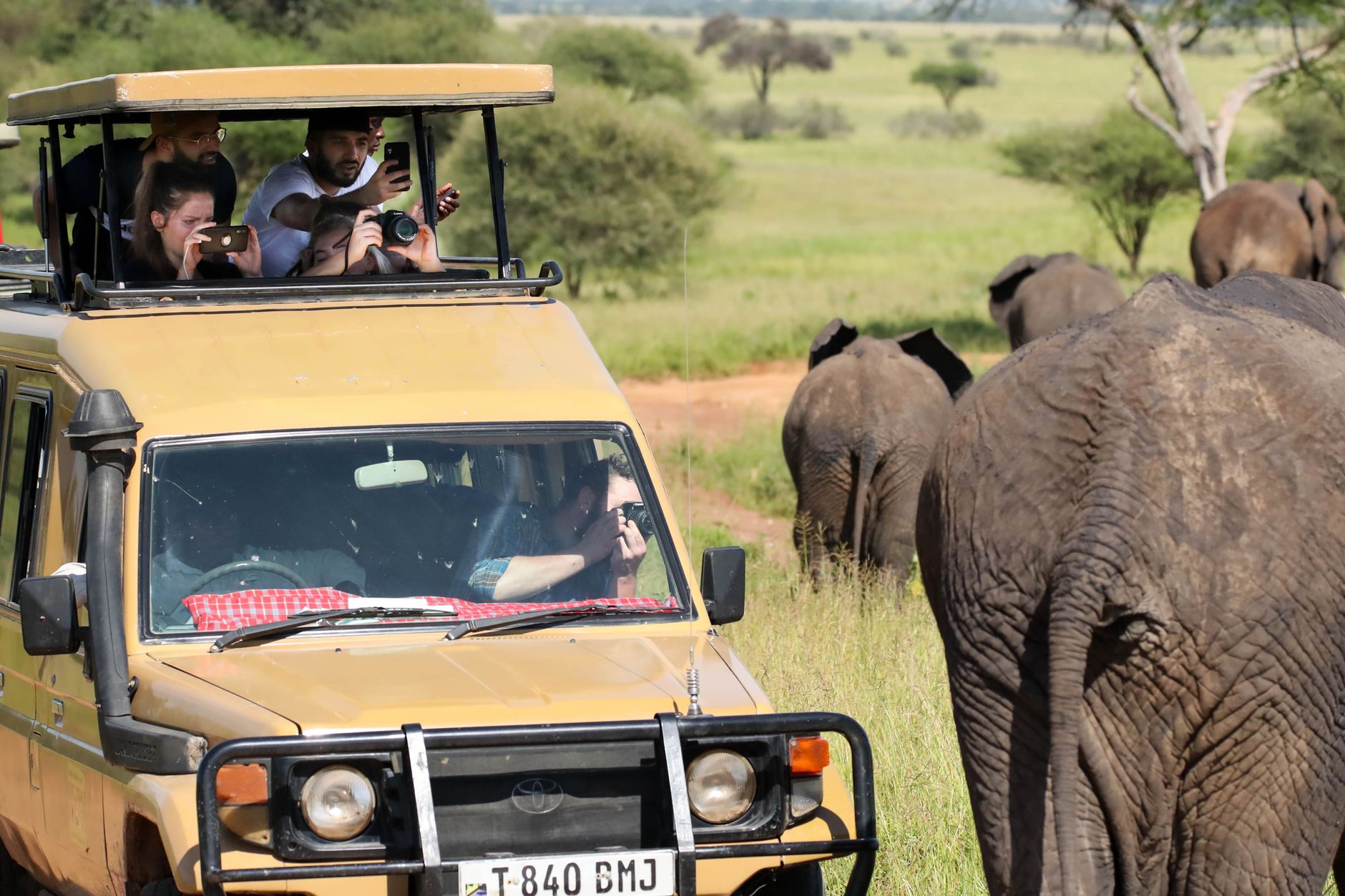
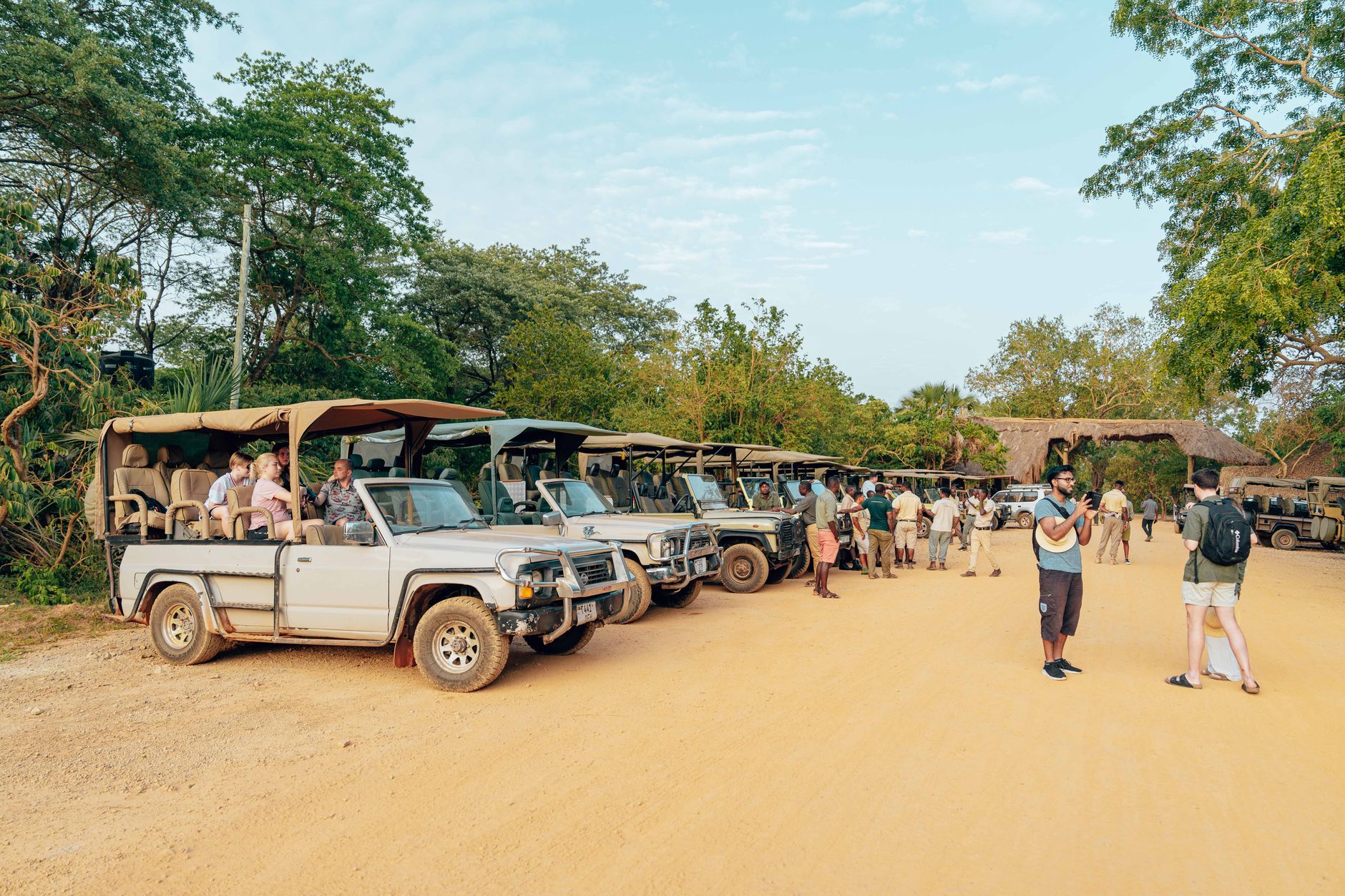

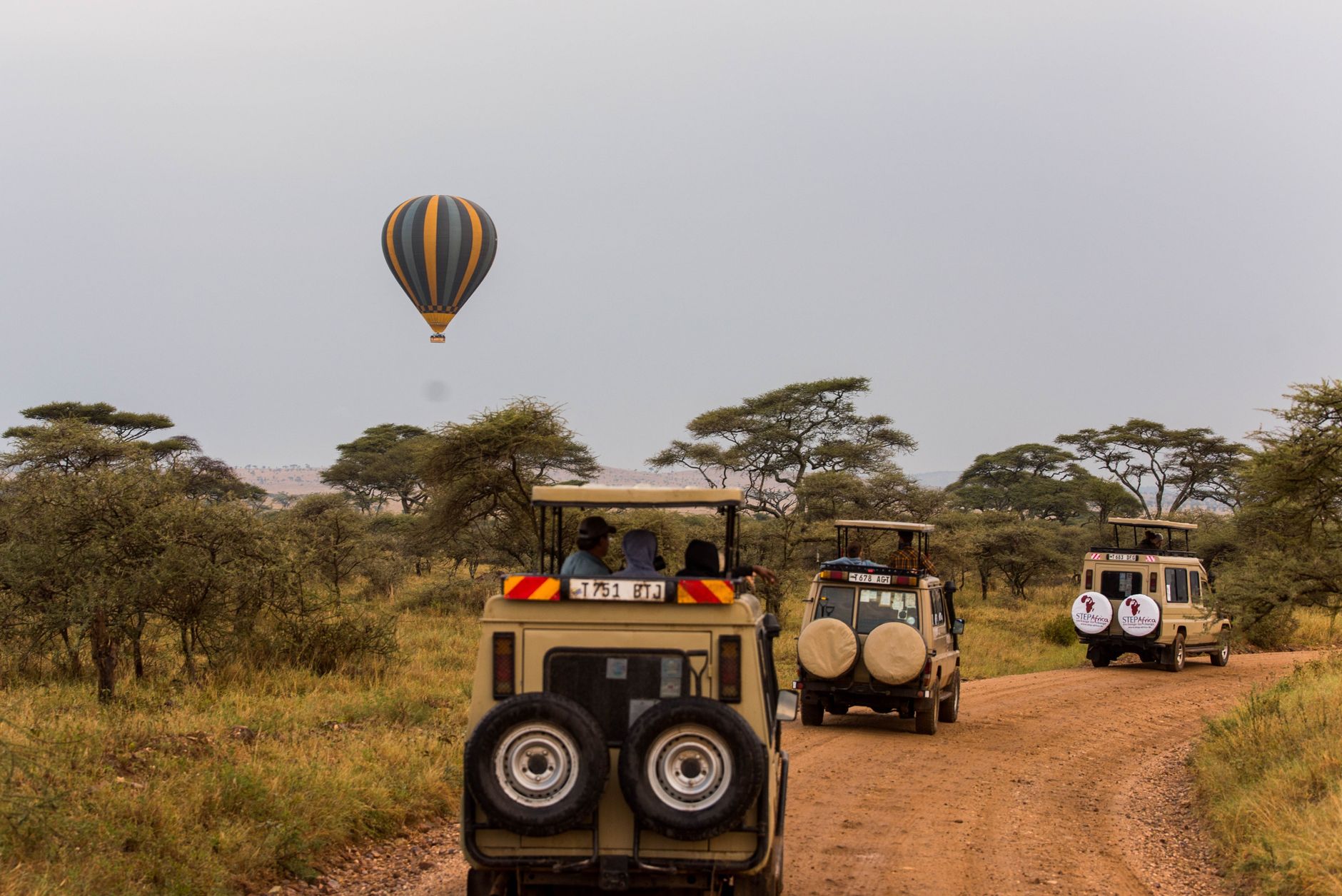
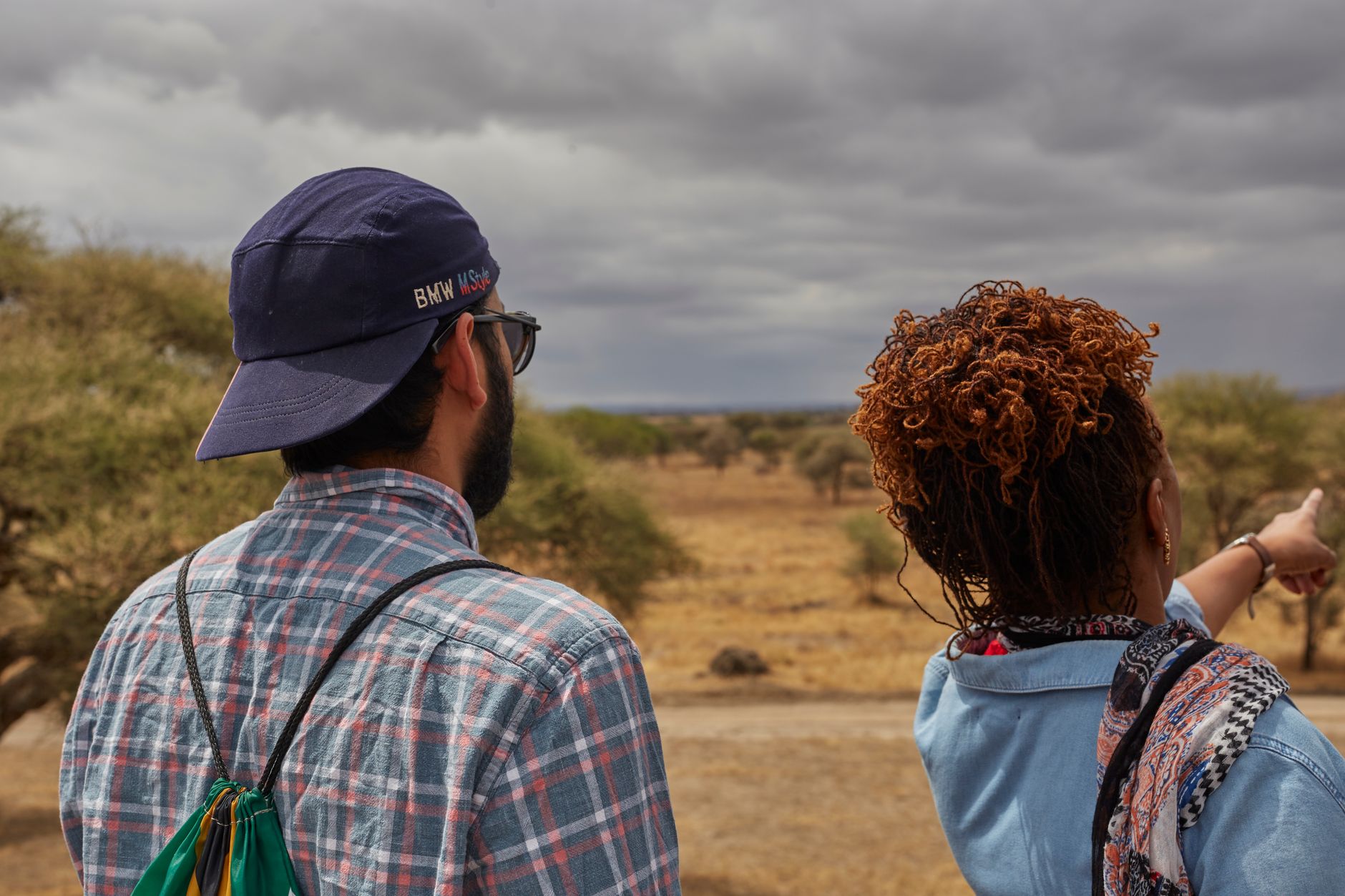
Ruaha is Tanzania's largest national park, and it still feels that way — wide, unhurried, with the kind of scale that makes you recalibrate your sense of distance. The Great Ruaha River threads through the eastern boundary, and in the dry months it shrinks to a series of pools where hippo pods of ten or twenty animals press together in the remaining water, and elephant come down through the baobabs in the late afternoon to drink.
The baobabs are everywhere here: hundreds of them, their swollen trunks and smooth bark catching the low light in a way that makes the landscape look ancient and slightly surreal. With over 571 recorded bird species and mammals ranging from African wild dog to roan and sable antelope, the park rewards the kind of slow, attentive visit that game-rich but tourist-heavy parks rarely allow.
How Ruaha National Park came to be
The land that is now Ruaha was first protected in 1910 as Saba Game Reserve under German East Africa, then renamed Rungwa Game Reserve by the British in 1946. Tanzania declared the southern portion a national park in 1964, extended its boundaries to include a stretch of the Great Ruaha River in 1974, and added the Usangu wetlands in 2008 — bringing the total area to 20,226 km².
The Hehe people, led by Chief Mkwawa, held power across this region until 1894, when German forces took his stronghold at Kalenga. Mkwawa fled into the surrounding bush rather than surrender. His name survives in a spring inside the park. The first tourist lodge, Ruaha River Lodge, opened in January 1982; Mwagusi Camp followed in 1987, built from grass thatch, timber, and driftwood salvaged from the river.
Who and what shaped it
People who shaped it
Landmark buildings
See Ruaha National Park in motion
Plan your visit
On the map
When to go
From June to October, days are warm and sunny — around 26°C — with cool nights that can drop to 14°C, making early-morning game drives genuinely brisk. The wet season (November through April) brings afternoon thunderstorms and midday heat that can reach 39°C, but it also brings an extraordinary surge in birdlife, with species counts climbing toward 574.
Right now
Background & history adapted from Wikipedia (CC BY-SA) · specs from Wikidata (CC0) · weather from Open-Meteo · map data © OpenStreetMap contributors · photos from Wikimedia Commons / Unsplash with per-image credit. No third-party reviews or social posts reproduced.