
Roppongi
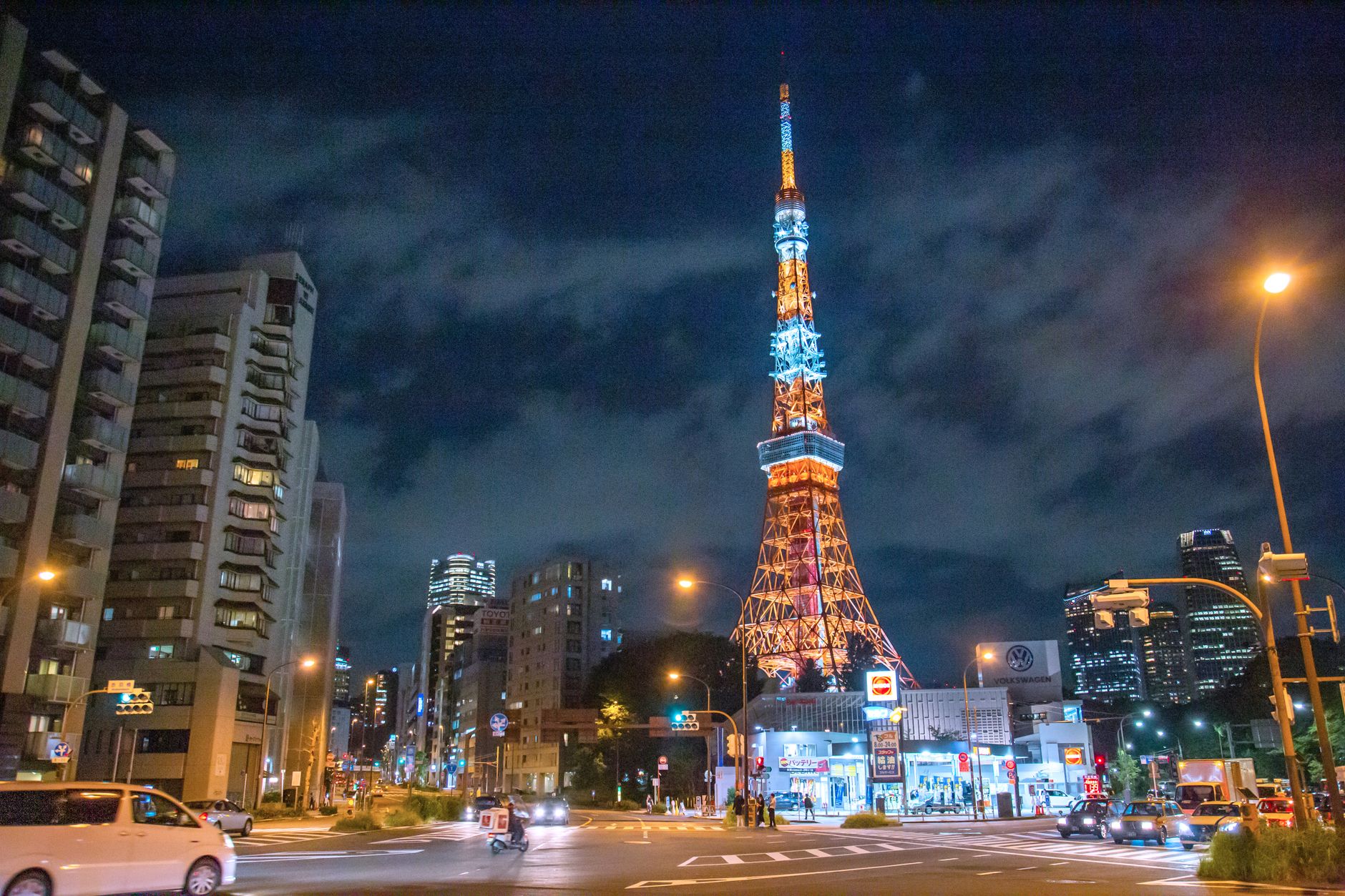
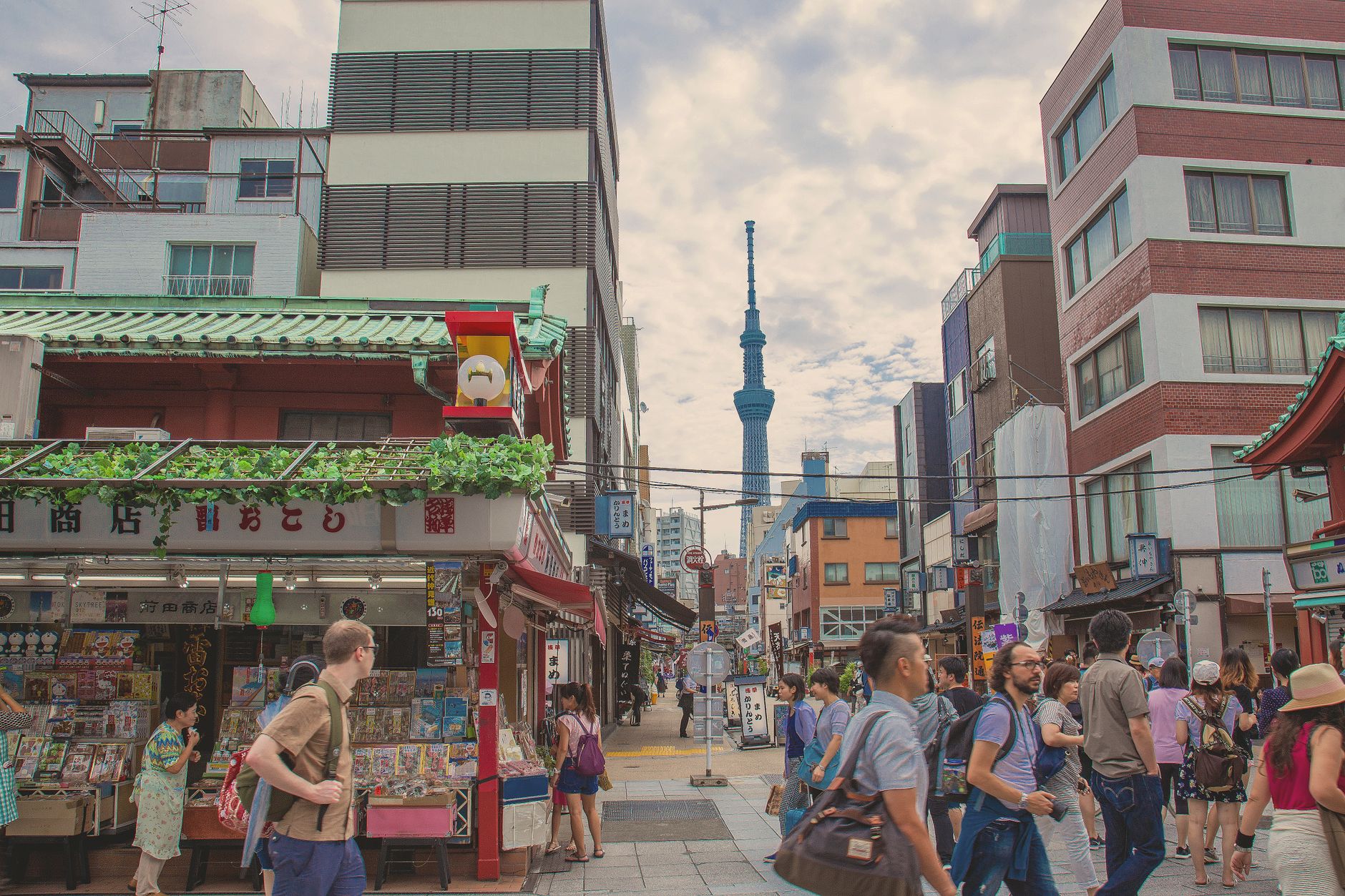
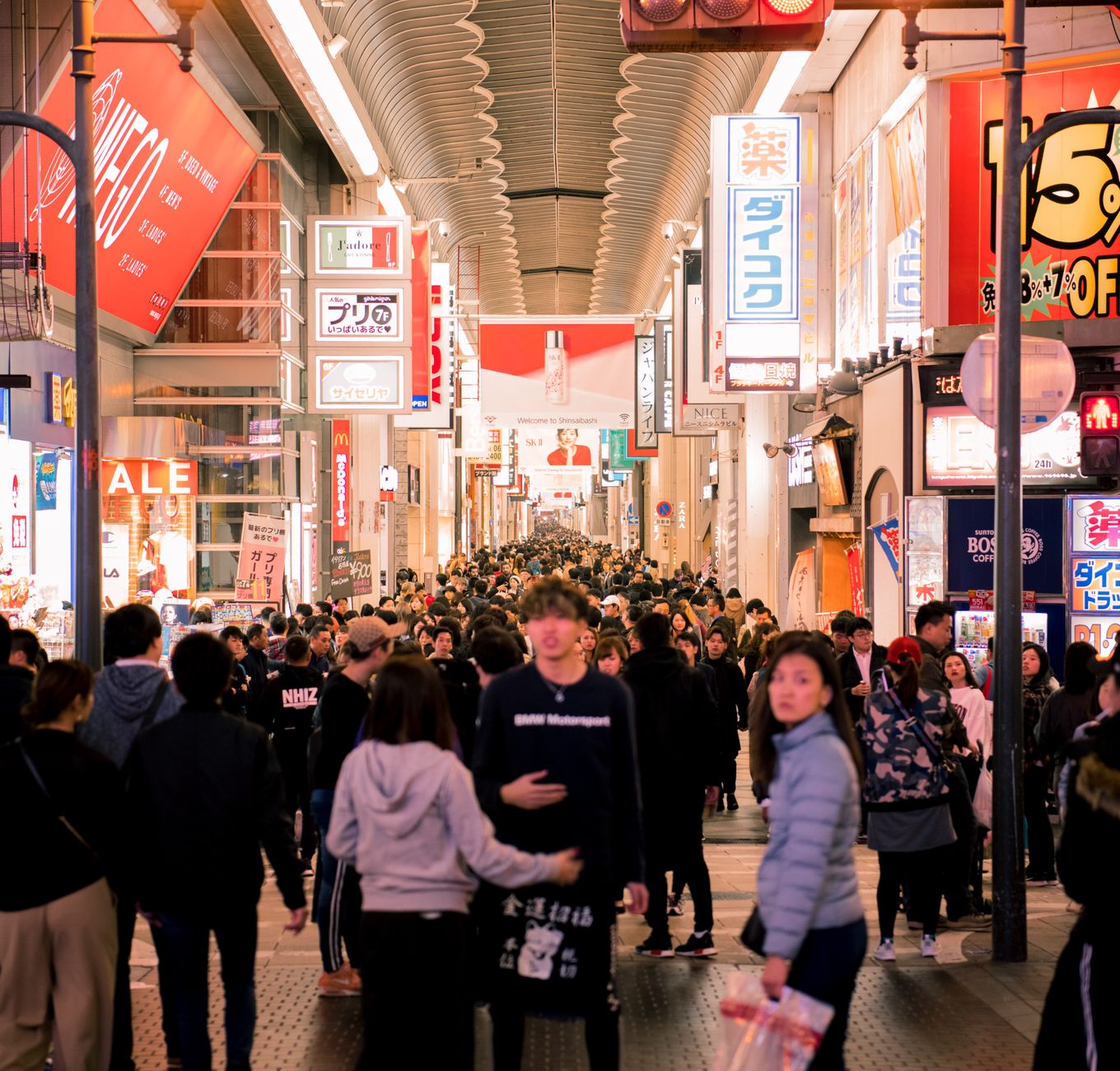
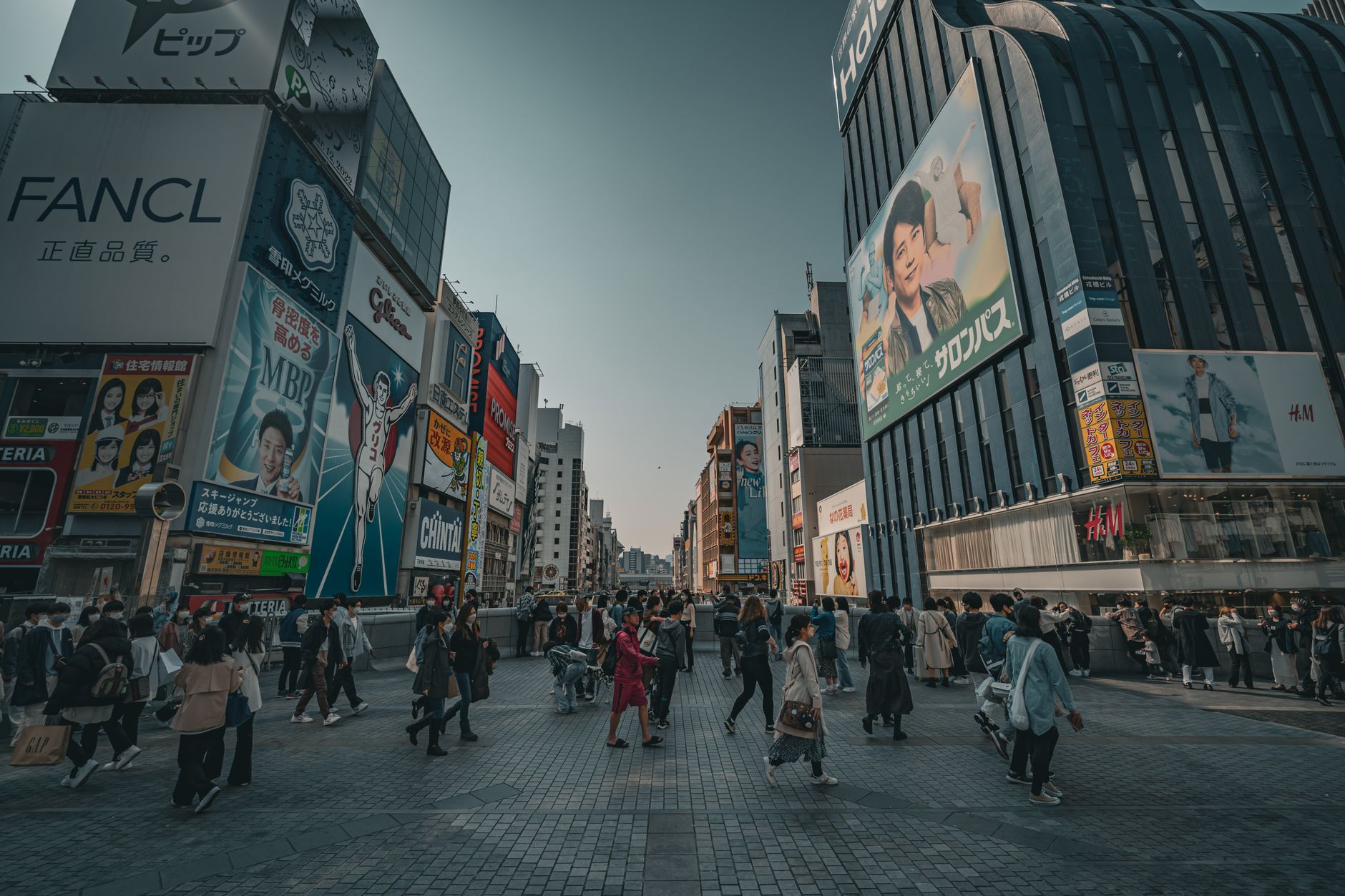
The name means 'six trees' — a quiet, rooted origin for one of Tokyo's most restless districts. Roppongi has been reinventing itself since Edo-era samurai lived among its shrines, and the latest chapter arrived in 2003 when Roppongi Hills opened on 27 acres assembled from over 400 smaller lots, shifting the area's identity toward glass towers, contemporary art, and a skyline you can read from the observation deck on the 52nd floor of Mori Tower.
What makes it worth your time isn't any single building but the layering: a feudal garden pond tucked inside a $4 billion development, three serious art institutions within walking distance of each other, and a street — Keyakizaka — that runs under 1.2 million LEDs from mid-November through Christmas.
💛 What travellers fall for
People who come back tend to time the Mori Art Museum visit for late evening, when the 53rd-floor galleries empty out and the city below is fully lit. They also walk the Mori Garden before the lunch crowd arrives — the pond and old trees from the former Mōri clan estate are easy to miss if you're moving fast.
Deals in Roppongi
Book directly at the provider

How Roppongi came to be
The name Roppongi dates to around 1660, most likely for six large zelkova trees that once marked the area — the last of them lost in World War II. Through the Edo period it was samurai territory, home to small residential communities and temple grounds. The district's first major shift came in 1890 when the Third Imperial Guard of the Imperial Japanese Army moved nearby, and soldiers' demand for nightlife began shaping the streets.
After the war, U.S. occupation forces took over sites the Japanese military had used, with GHQ based here until 1952. The American presence seeded Roppongi's international character. By 1960, Italian restaurant Chianti had opened and become a gathering point for artists, directors, and designers. The next transformation took seventeen years of negotiation: construction on Roppongi Hills began in 2000, and when it opened in April 2003 — at a cost exceeding $4 billion — the district's centre of gravity shifted from nightlife to a mixed-use city-within-a-city.
Who and what shaped it
People who shaped it
Landmark buildings
See Roppongi in motion
Plan your visit
On the map
When to go
Spring (March to May) brings mild temperatures and cherry blossoms in the surrounding parks; autumn (October to November) is crisp and clear, ideal for the outdoor spaces around Roppongi Hills. Summer is hot and humid with occasional heavy rain, while winter stays cool but rarely severe — the Keyakizaka LED illuminations make December evenings worth the cold.
Right now
Background & history adapted from Wikipedia (CC BY-SA) · specs from Wikidata (CC0) · weather from Open-Meteo · map data © OpenStreetMap contributors · photos from Wikimedia Commons / Unsplash with per-image credit. No third-party reviews or social posts reproduced.