
Riyadh
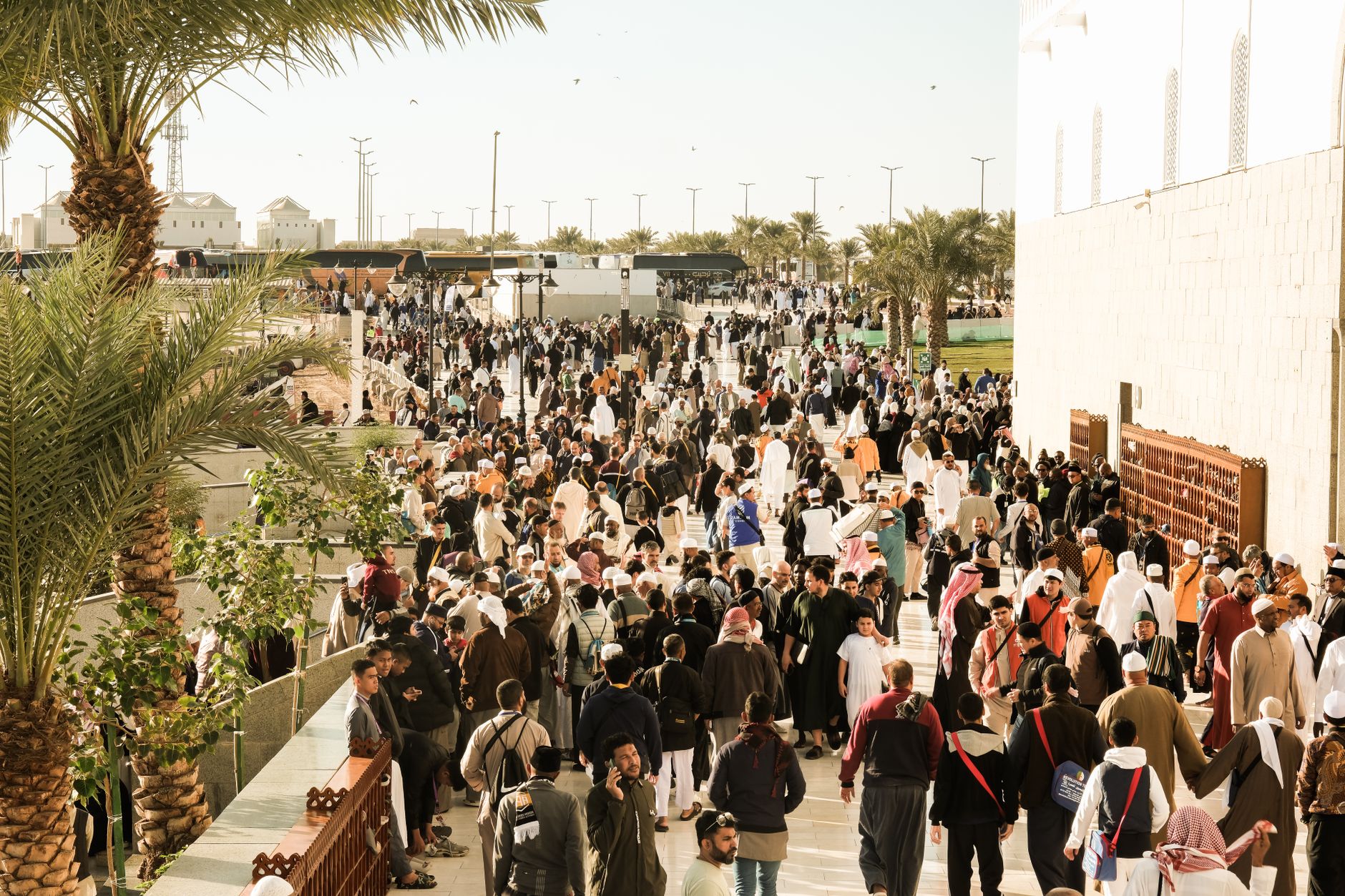
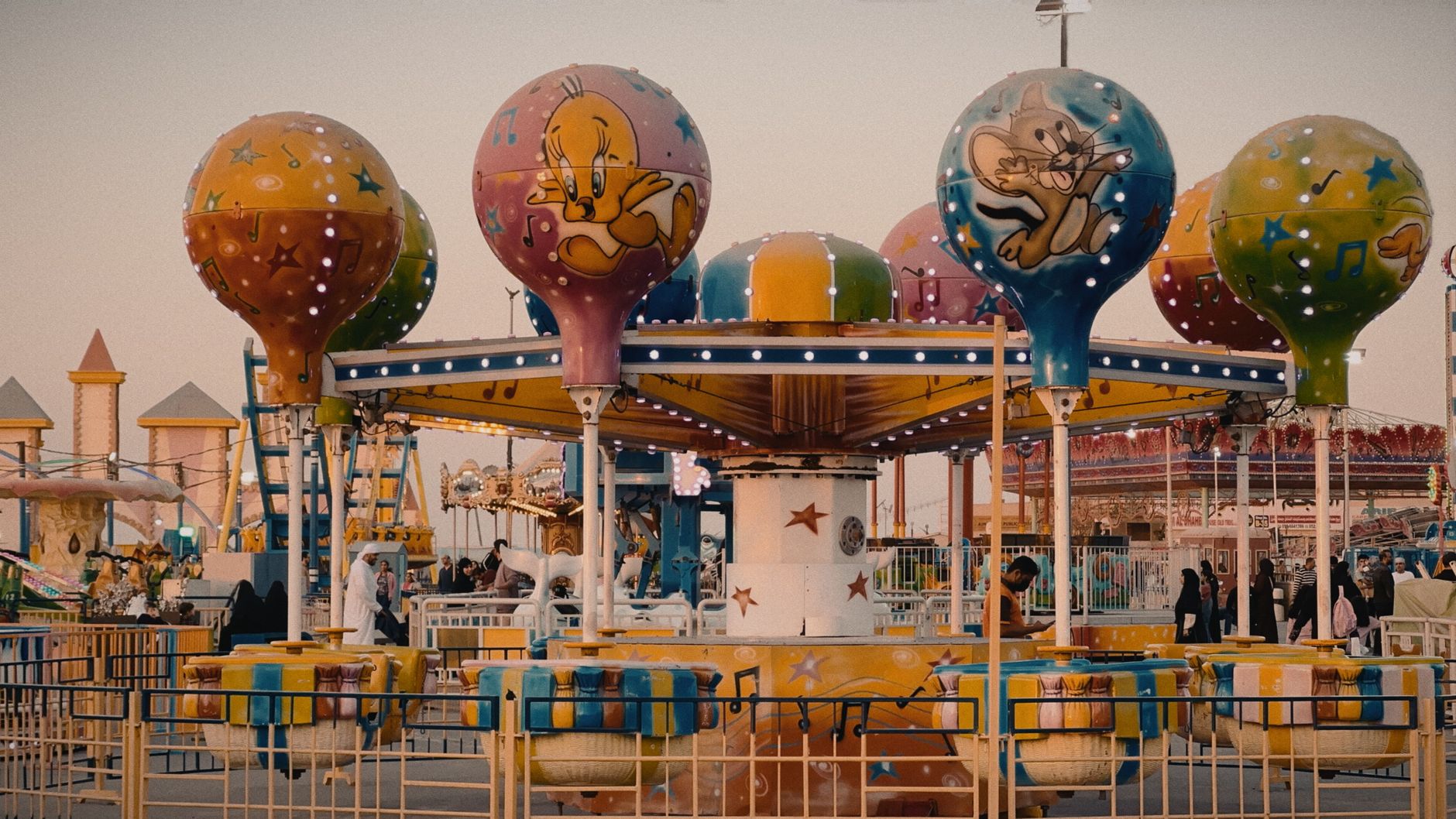
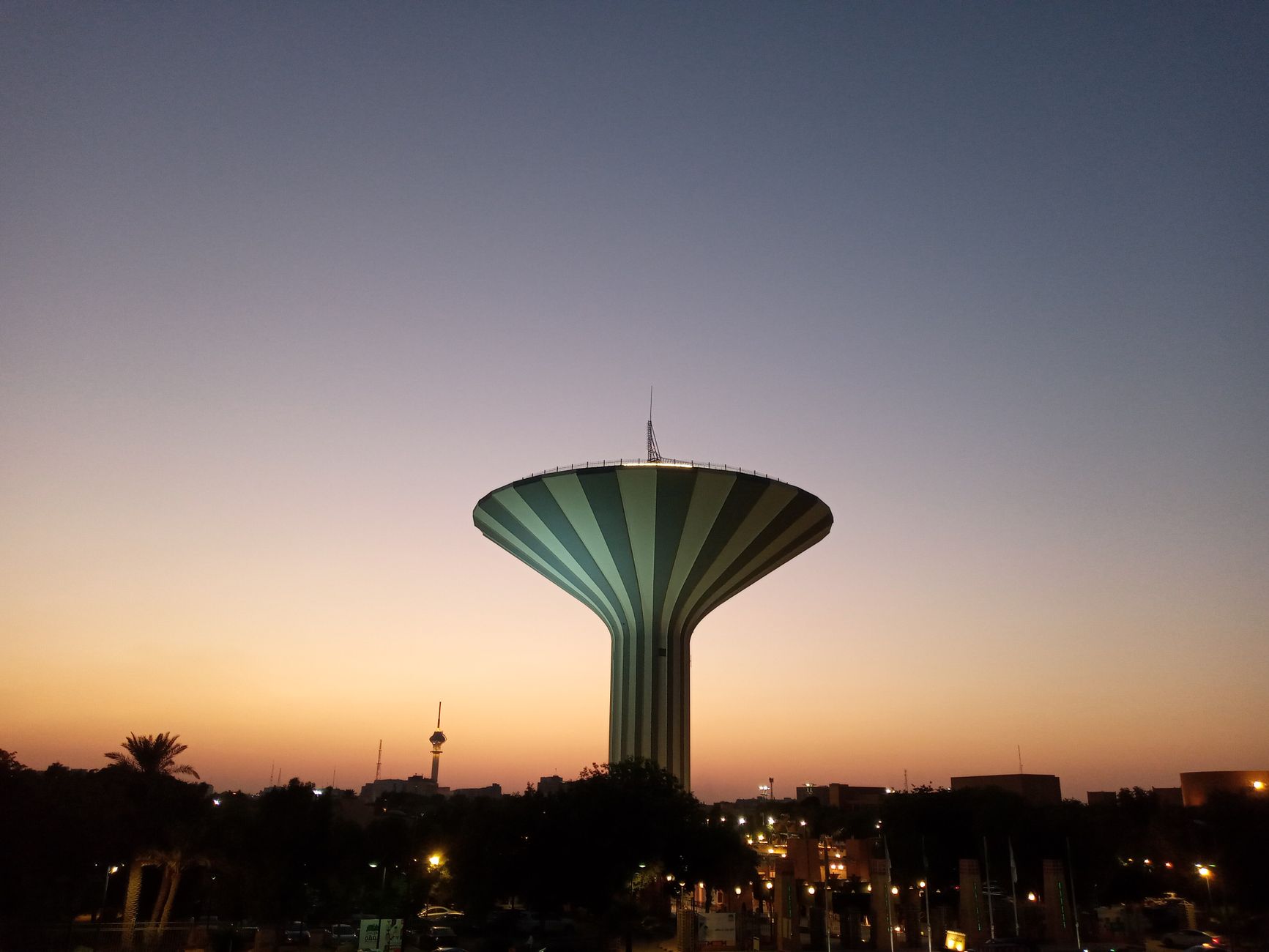
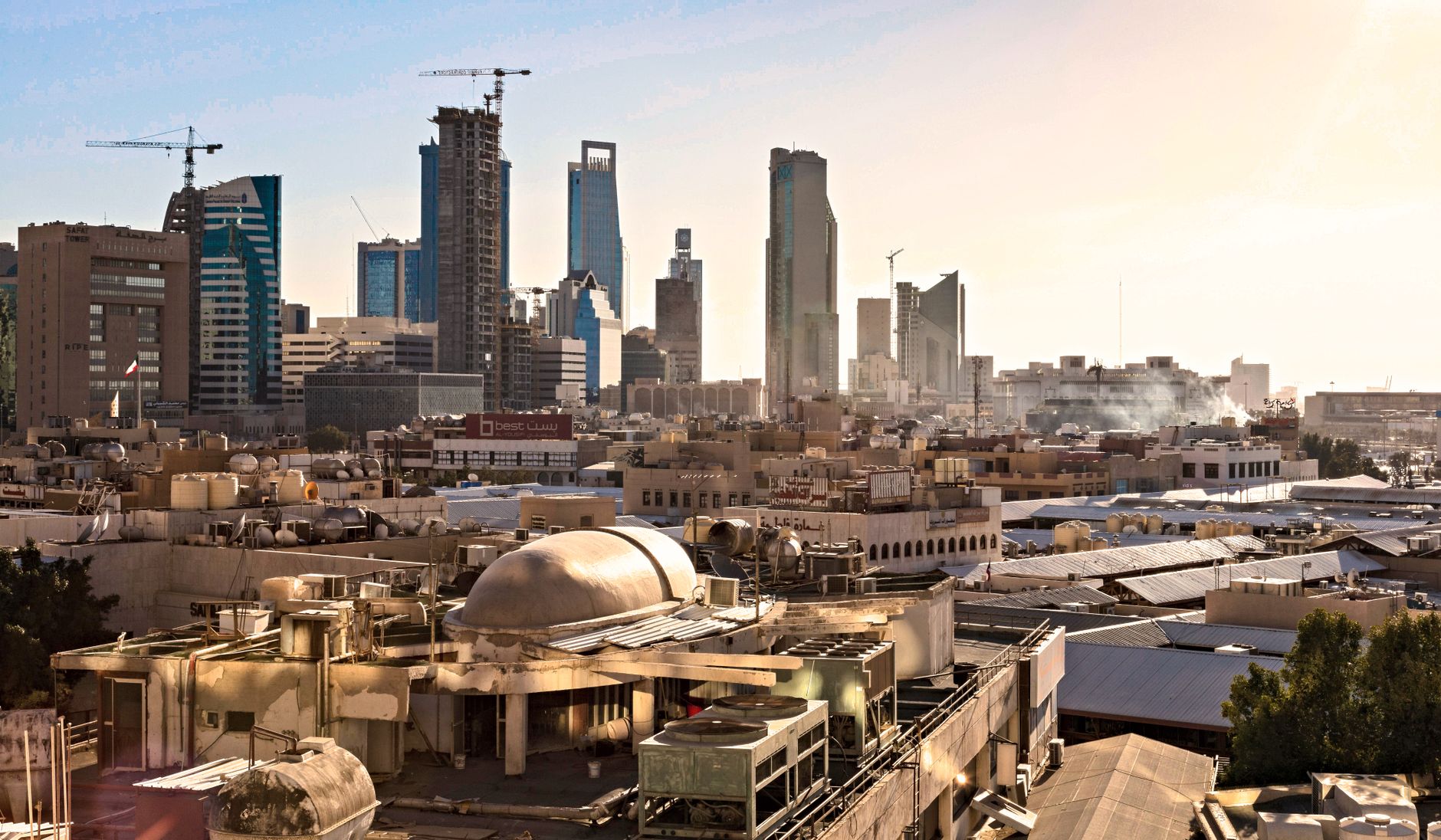

Riyadh sits on a plateau in the heart of the Arabian Peninsula, a city that was still enclosed within mud-brick walls less than a century ago and now pushes skyward with a 302-metre tower whose upper third is cut into an inverted arch you can see from across the desert. The scale of the transformation is the first thing you register — not as abstraction, but in the grain of the place: a 1865 clay fortress standing a few blocks from a Norman Foster tower, a royal palace that once sat outside the city limits and now occupies its geographic centre.
This is a gateway in the truest sense. Diriyah, where the Saudi state was first forged, sits at its edge. Mecca, Medina, AlUla and the Asir highlands are all reachable from here, each with its own distinct story.
How Riyadh came to be
The settlement now called Riyadh traces back to a cluster of villages along Wadi Hanifah, collectively fortified and walled by the mid-17th century. Its modern significance begins in 1824, when Turki bin Abdullah moved the capital of the Second Saudi State here after Diriyah was destroyed — a pragmatic choice that would prove permanent. The decisive moment came in 1902, when Abdulaziz ibn Saud entered the city and launched the campaign that would unify the Arabian Peninsula, with Riyadh formally declared capital of the Kingdom on 23 September 1932.
As late as 1920 the city covered less than half a square mile. The walls came down at the end of the 1940s, and a Greek planning firm introduced the north-south development corridor that still shapes the city's spine. Most of the skyline you see today — Kingdom Centre, Al Faisaliah, King Khalid International Airport, King Saud University — went up between the 1980s and early 2000s.
Who and what shaped it
People who shaped it
Landmark buildings
See Riyadh in motion
Plan your visit
On the map
When to go
Winters (November through February) are the window most visitors aim for — dry and mild, with daytime temperatures often in the low-to-mid teens Celsius and cool evenings. Spring and autumn are workable but warm. Summer is genuinely extreme, with July highs regularly exceeding 40°C.
Right now
Background & history adapted from Wikipedia (CC BY-SA) · specs from Wikidata (CC0) · weather from Open-Meteo · map data © OpenStreetMap contributors · photos from Wikimedia Commons / Unsplash with per-image credit. No third-party reviews or social posts reproduced.