
Regensburg
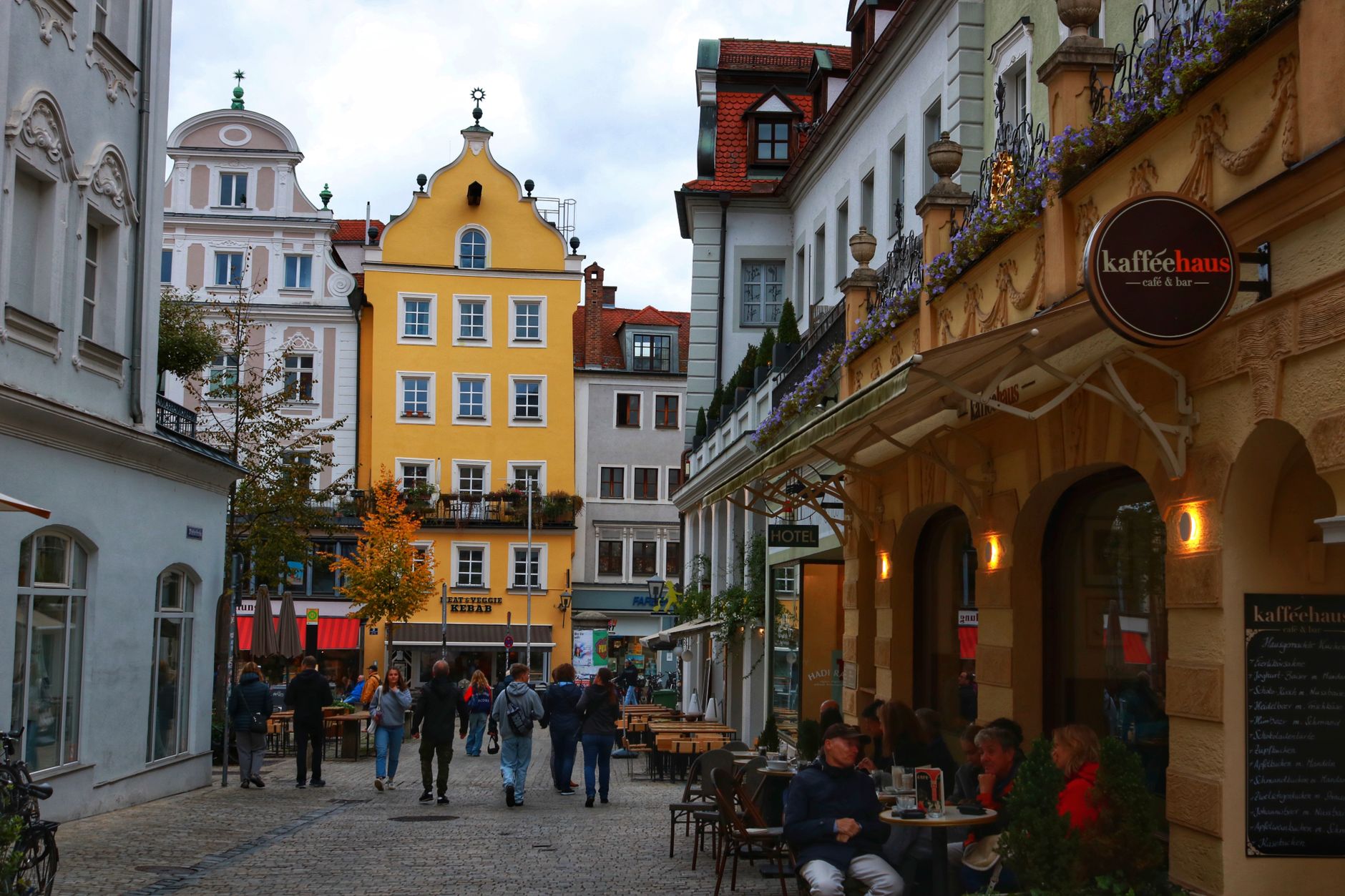
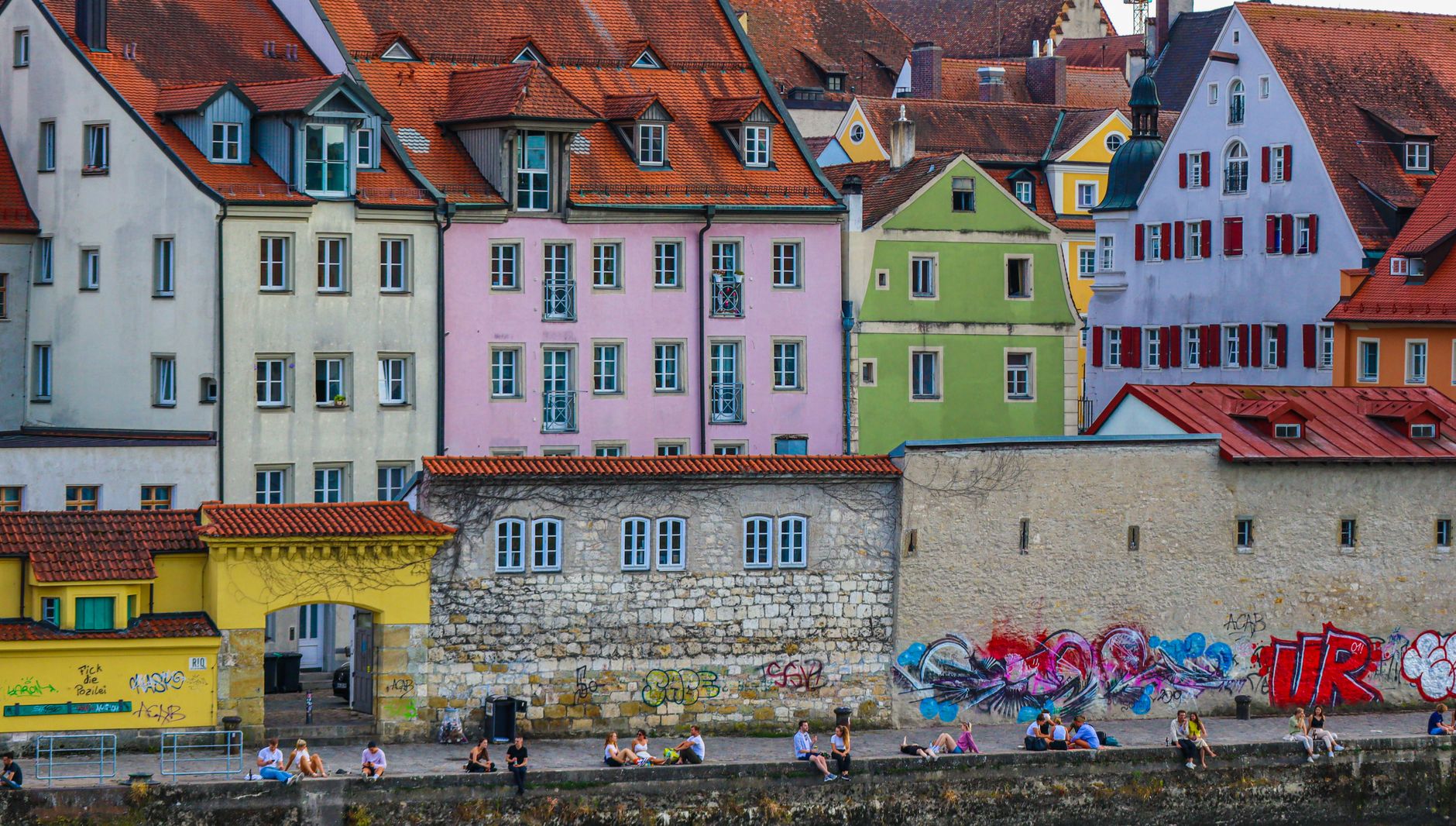
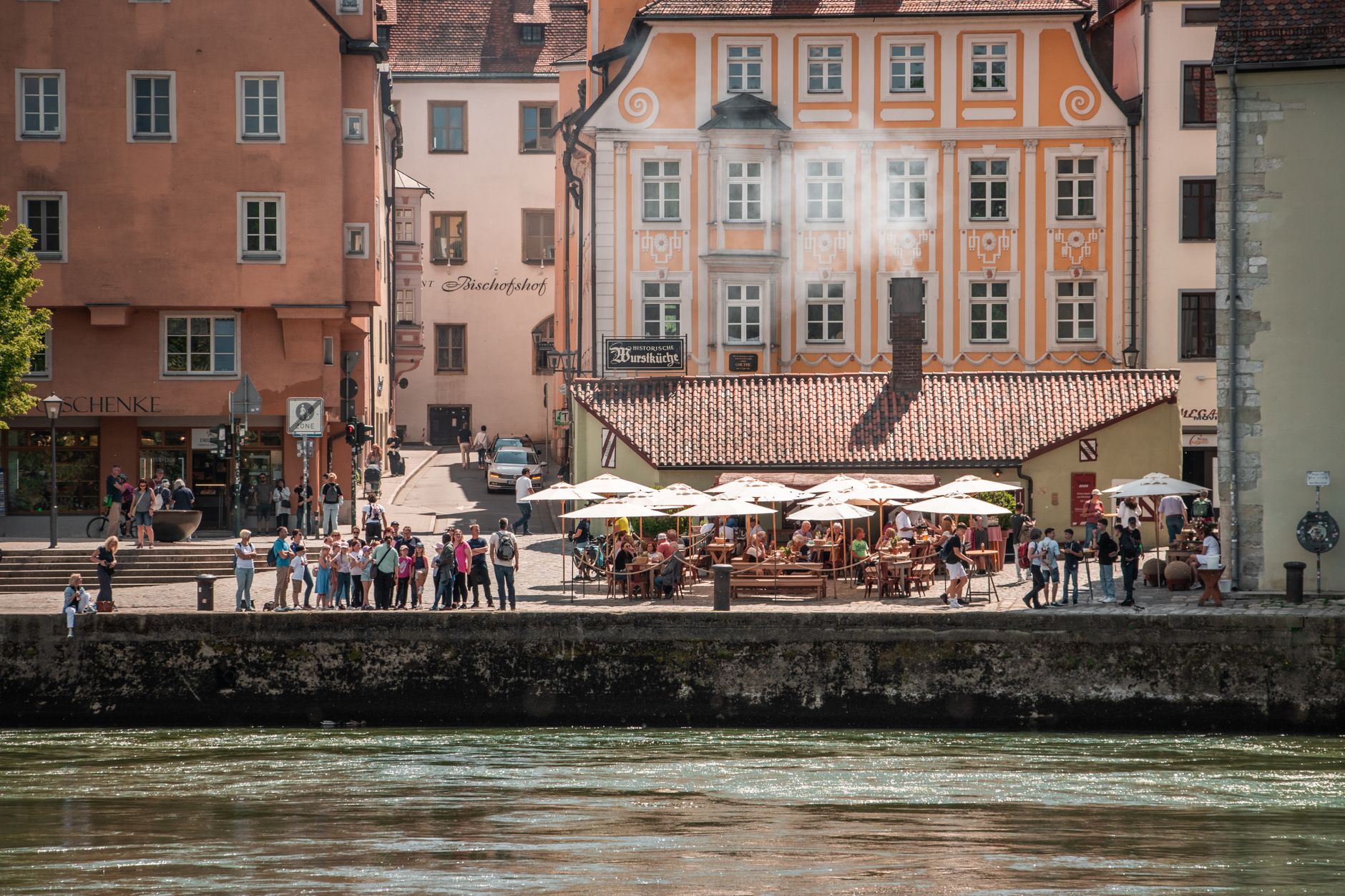
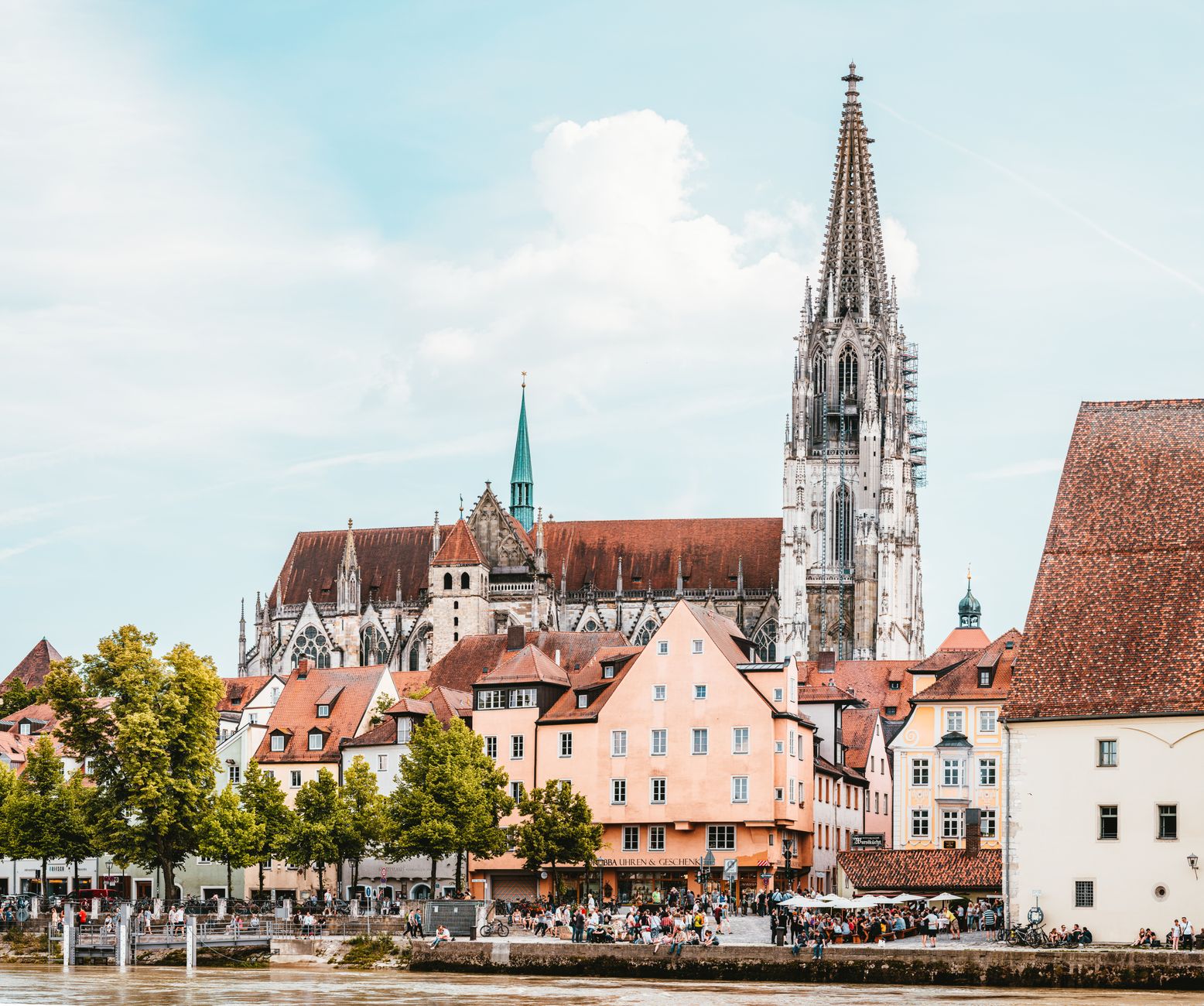
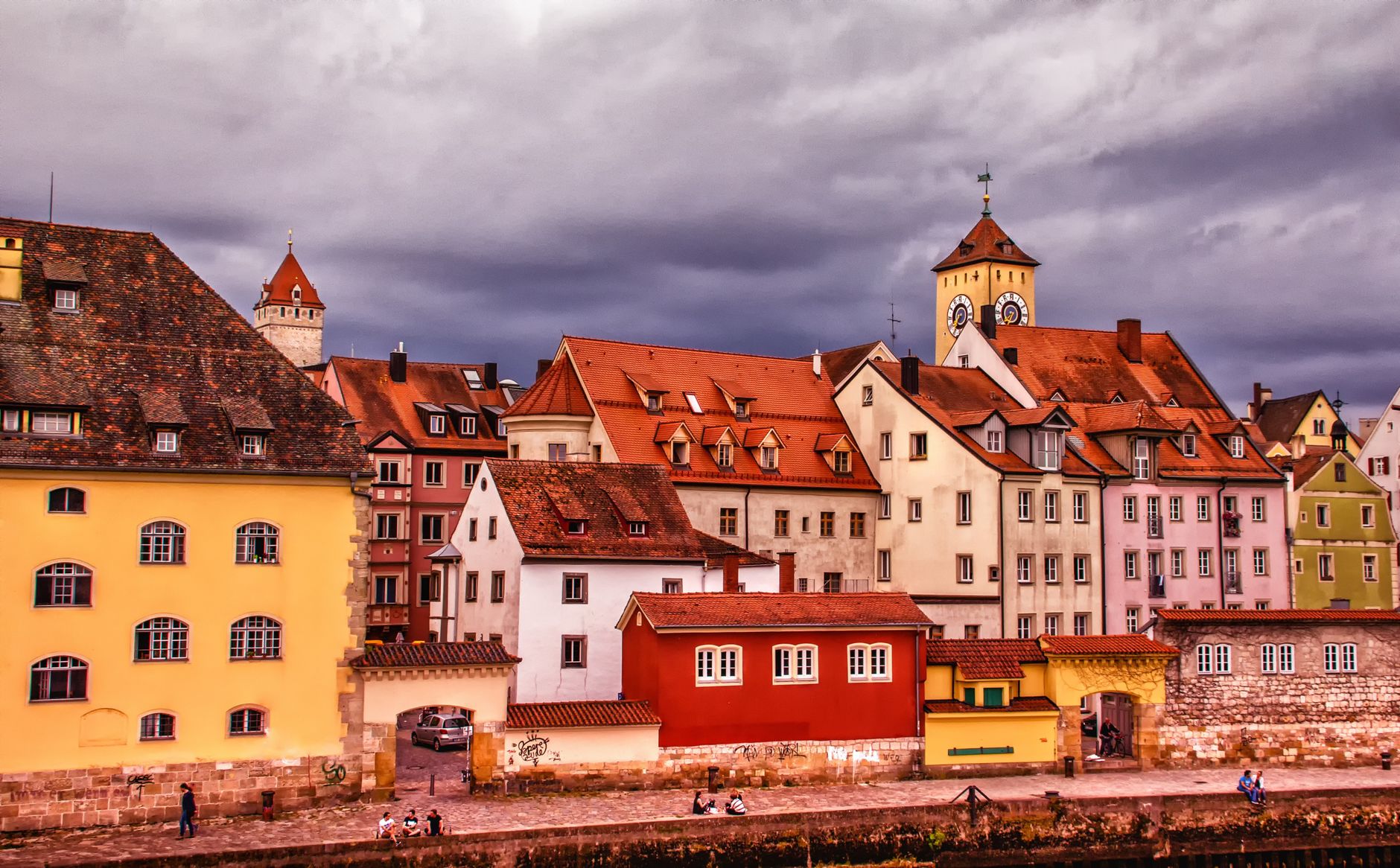
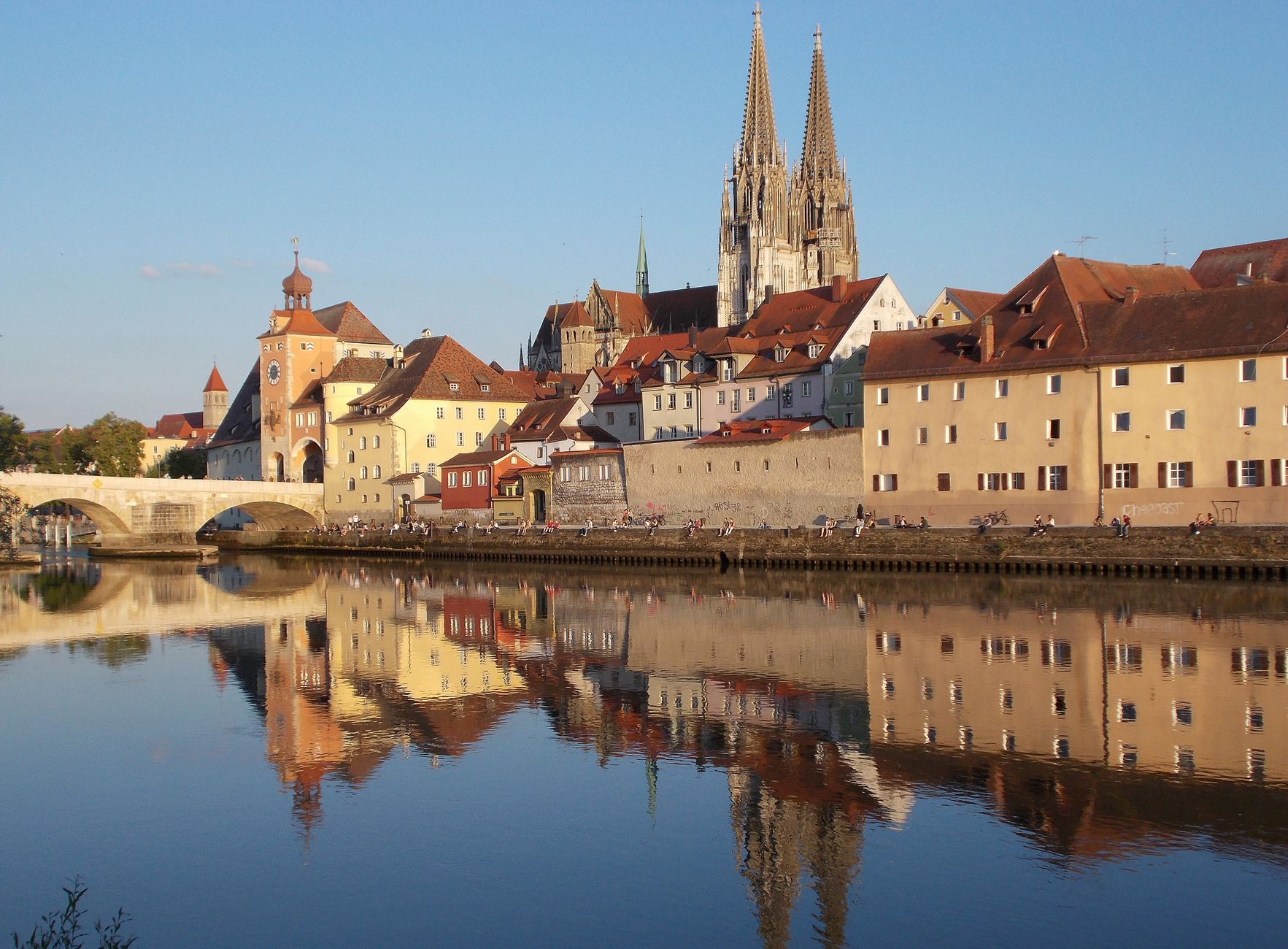
The Roman legionaries who built Castra Regina in 179 AD left behind a gate — the Porta Praetoria — that still stands nearly ten metres tall in the middle of the city. Regensburg has been accumulating layers like that ever since: a medieval stone bridge that served as the only permanent Danube crossing between Ulm and Vienna for eight centuries, tower houses that rival San Gimignano, a Gothic cathedral whose stained glass survived the Second World War intact.
The old town is almost entirely pedestrianised, which means you spend your time looking up at things rather than watching for traffic. It earned its UNESCO listing in 2006, but it doesn't feel curated — people actually live and work here, and the streets show it.
💛 What travellers fall for
Regulars tend to mention two things unprompted: the Domspatzen boys' choir at St. Peter's Cathedral, whose tradition runs back over a thousand years and whose rehearsal schedules are worth checking before you book, and the Walhalla — ten kilometres east along the Danube, a neoclassical temple full of marble busts that rewards the short detour entirely on its own terms.
Deals in Regensburg
Book directly at the provider


How Regensburg came to be
Regensburg started as a Roman legionary fort — Castra Regina — founded in 179 AD, and the city has never quite stopped being strategically important. By 739 it had a bishopric and the monastery of St. Emmeram. It became a Free Imperial City in 1245, and from 1663 to 1806 it hosted the Perpetual Diet, the standing assembly of the Holy Roman Empire, in the rooms of its Old Town Hall.
The Thurn und Taxis postal dynasty absorbed St. Emmeram's Abbey after secularisation in 1812 and turned it into a baroque and rococo palace, which still stands. Bavaria formally incorporated the city on 22 May 1810. Johannes Kepler died here in 1630; Emanuel Schikaneder, who wrote the libretto for The Magic Flute, was born here in 1751.
Who and what shaped it
People who shaped it
Landmark buildings
See Regensburg in motion
Plan your visit
On the map
When to go
Summers run warm and pleasant — daytime highs around 24–25°C in July and August, though July also brings the most rain, averaging around 100mm. Winters are cold, with January temperatures hovering just above freezing by day and dipping below it at night.
Right now
Background & history adapted from Wikipedia (CC BY-SA) · specs from Wikidata (CC0) · weather from Open-Meteo · map data © OpenStreetMap contributors · photos from Wikimedia Commons / Unsplash with per-image credit. No third-party reviews or social posts reproduced.