
Rattanakosin (Old City)
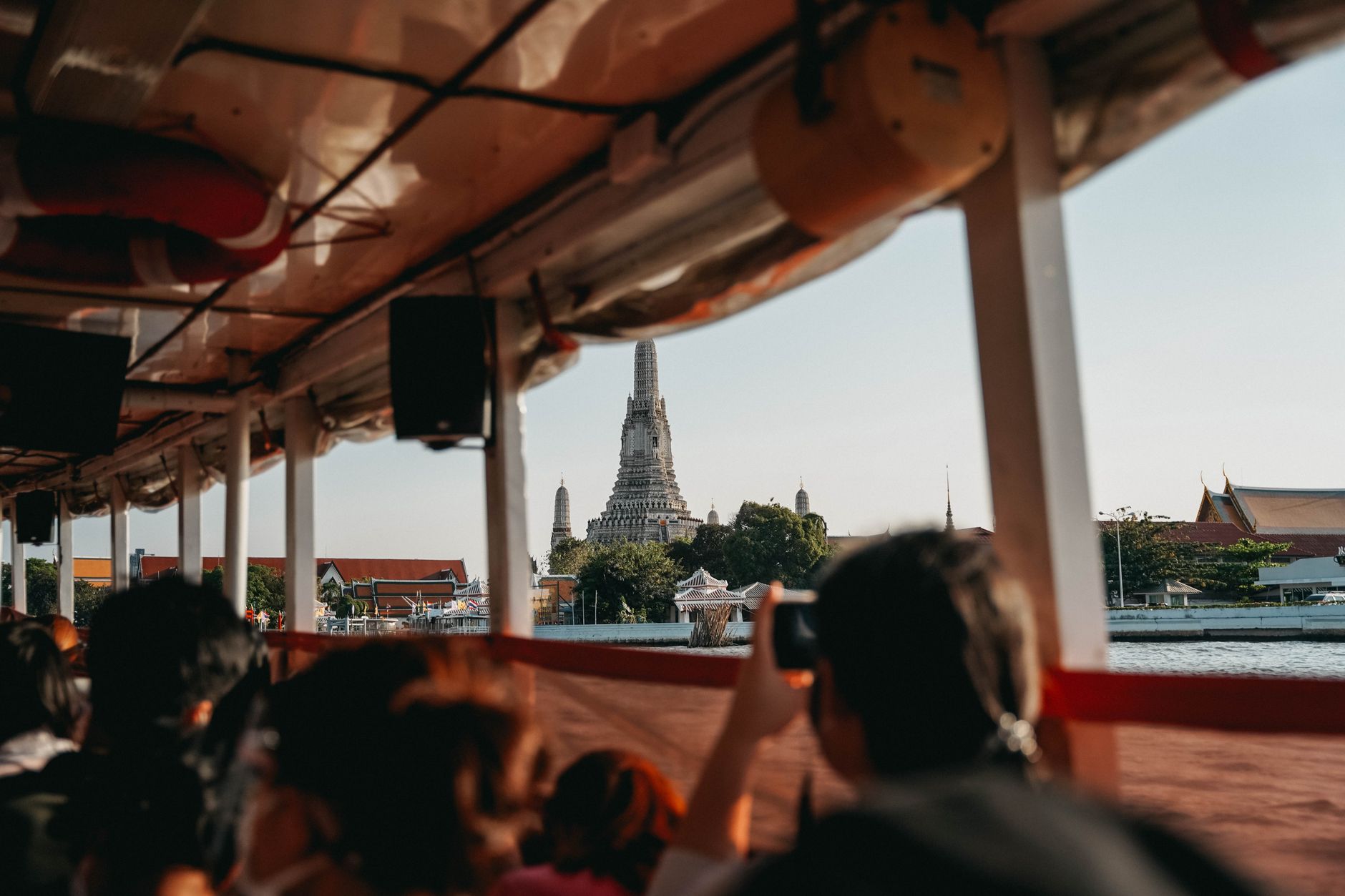
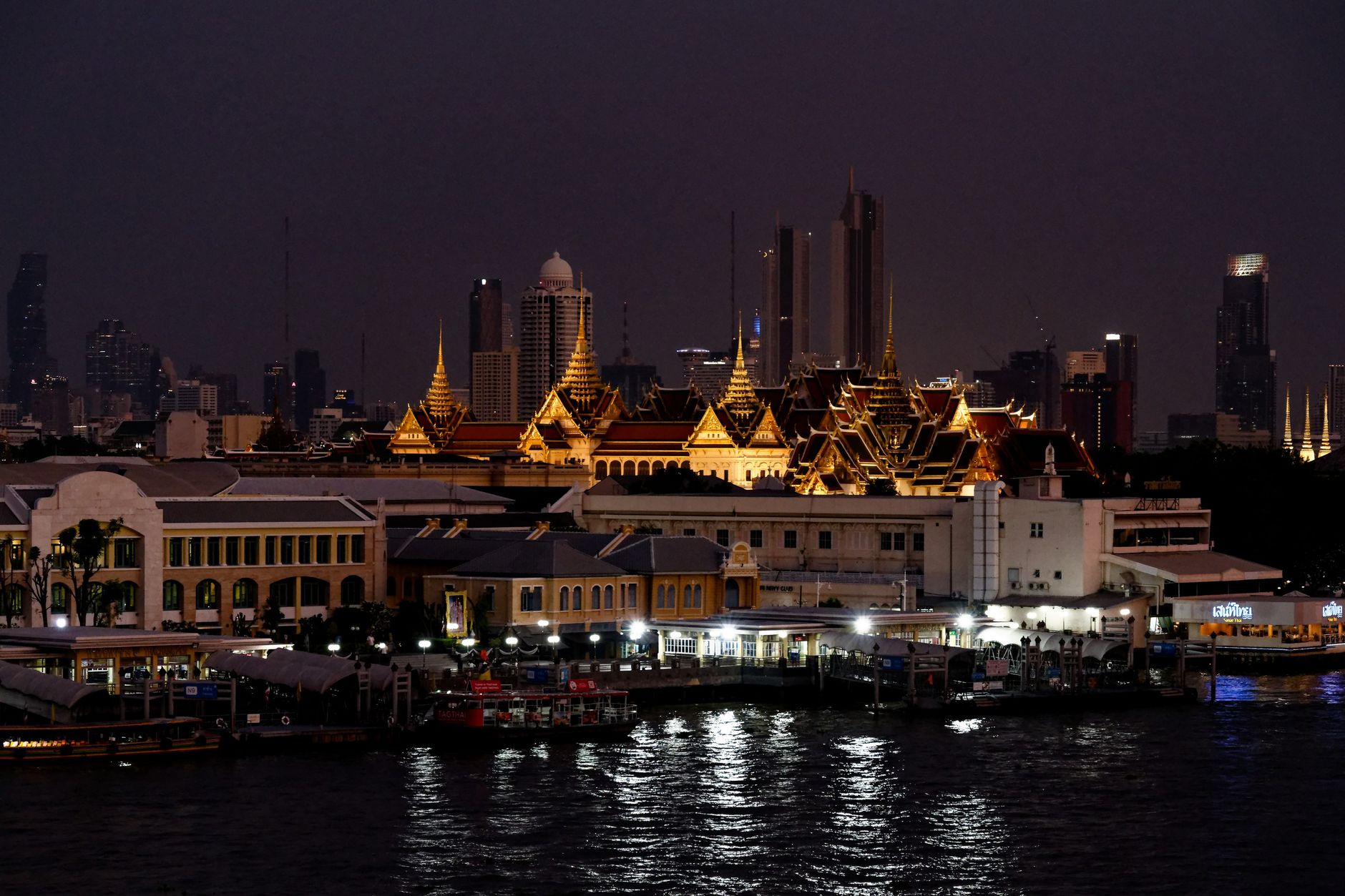
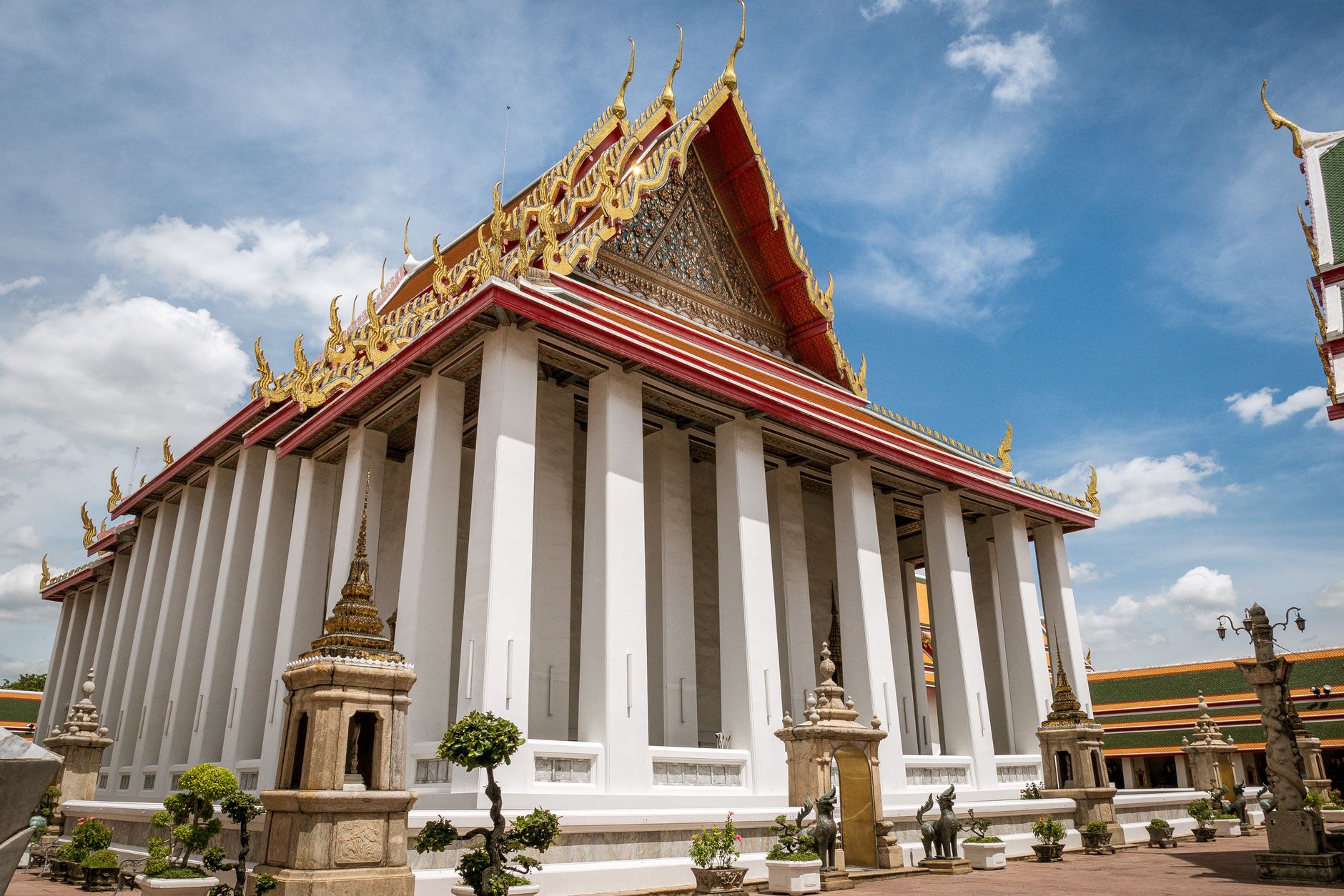

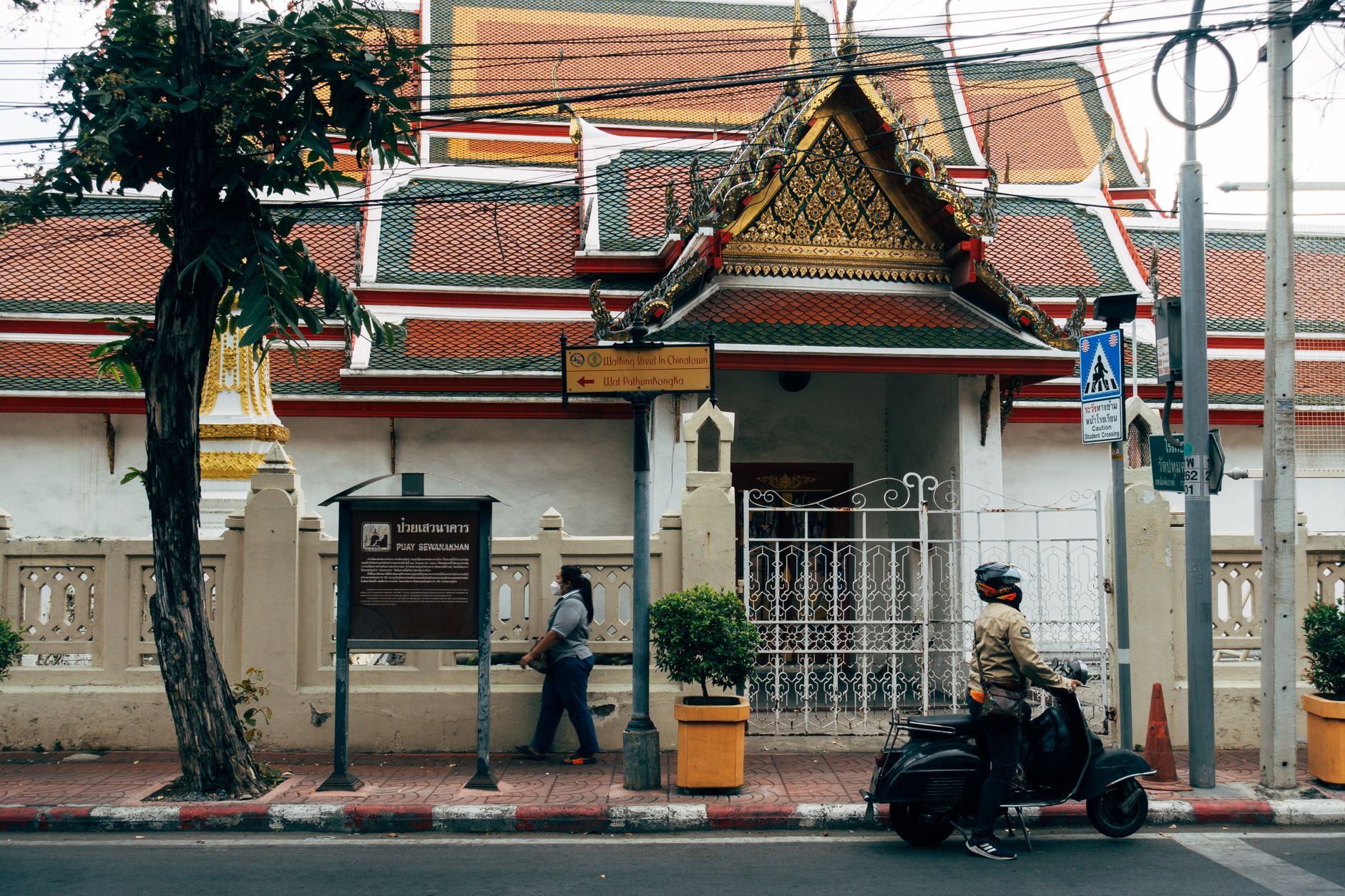
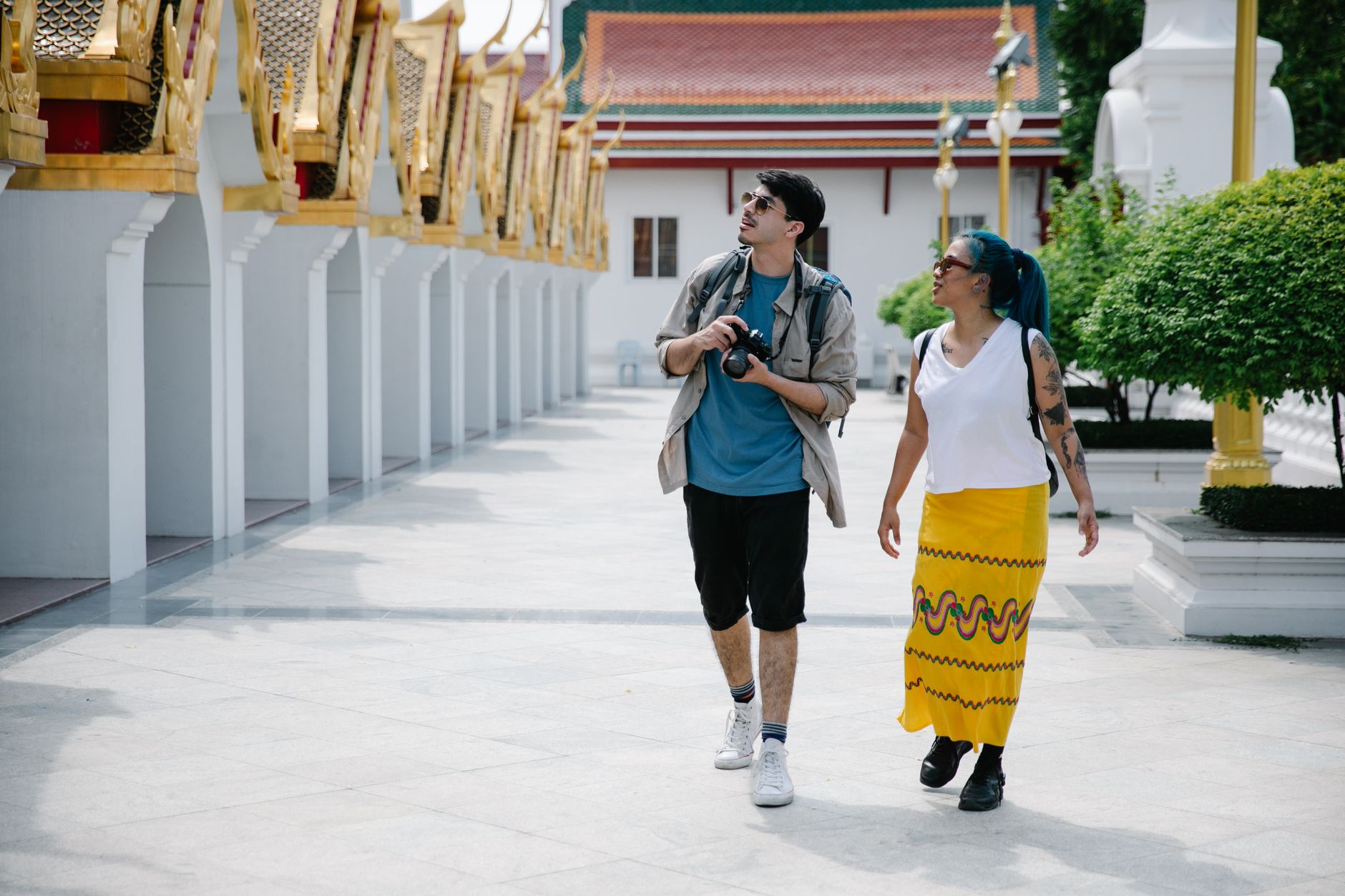
On April 21, 1782, an astrologically chosen date, workers drove a wooden pillar into the ground near the bend of the Chao Phraya River and a city began. That pillar — replaced by Rama IV with one standing 270 centimetres tall — still stands in its shrine, and people still come to make offerings at it every morning. Rattanakosin is Bangkok's oldest quarter, an island of sorts, pinched between the river to the west and canals dug to serve as moats, and it holds more of Thailand's defining architecture per square kilometre than anywhere else in the country.
The Grand Palace, Wat Phra Kaew, Wat Pho, the National Museum — they are all here, within walking distance of each other, arranged across a flat grid of wide ceremonial streets and smaller lanes where monks pass in saffron and vendors sell garlands of jasmine. The scale of the place earns its reputation.
💛 What travellers fall for
People who come back tend to say the same things: arrive at the Grand Palace when it opens at 8:30, before the tour groups settle in. Cross to Wat Arun by the short ferry from Tha Tien pier rather than circling round. And climb Wat Saket's Golden Mount in the late afternoon, when the light is lower and the city spreads out quietly below.
Deals in Rattanakosin (Old City)
Book directly at the provider

How Rattanakosin (Old City) came to be
Rattanakosin came into being quickly, by necessity. King Phutthayotfa Chulalok — Rama I, founder of the Chakri Dynasty — had just moved the capital across the river from Thonburi, and he needed a city to match the ambition. Bricks salvaged from the ruins of Ayutthaya went into Bangkok's first walls in 1783. The Grand Palace and Wat Phra Kaew were completed the following year, and the Emerald Buddha — previously housed at Wat Arun — was installed there. Rama I's coronation ceremony followed in 1785, and the city received its name: Rattanakosin, meaning 'Jewel of Indra', a reference to the Emerald Buddha itself.
The district kept accumulating. Wat Mahathat was built almost immediately after the capital's founding. The triple-spired Chakri Building inside the Grand Palace was completed in 1880 under Rama V. The name Rattanakosin, as part of Bangkok's full ceremonial title, was formally coined during the reign of Rama IV. Of the original ring of 14 forts and their canals, only Phra Sumen Fort and Mahakan Fort survive.
Who and what shaped it
People who shaped it
Landmark buildings
See Rattanakosin (Old City) in motion
Plan your visit
On the map
When to go
November through February is the driest and coolest stretch — temperatures in the mid-20s Celsius, manageable even when you're walking between open-air sites. March to May brings serious heat, often above 35°C, and the temple complexes offer little shade; start early or accept the conditions. The monsoon runs roughly June to October, with heavy afternoon downpours that pass quickly but can make stone courtyards slick.
Right now
Background & history adapted from Wikipedia (CC BY-SA) · specs from Wikidata (CC0) · weather from Open-Meteo · map data © OpenStreetMap contributors · photos from Wikimedia Commons / Unsplash with per-image credit. No third-party reviews or social posts reproduced.