
Queenstown
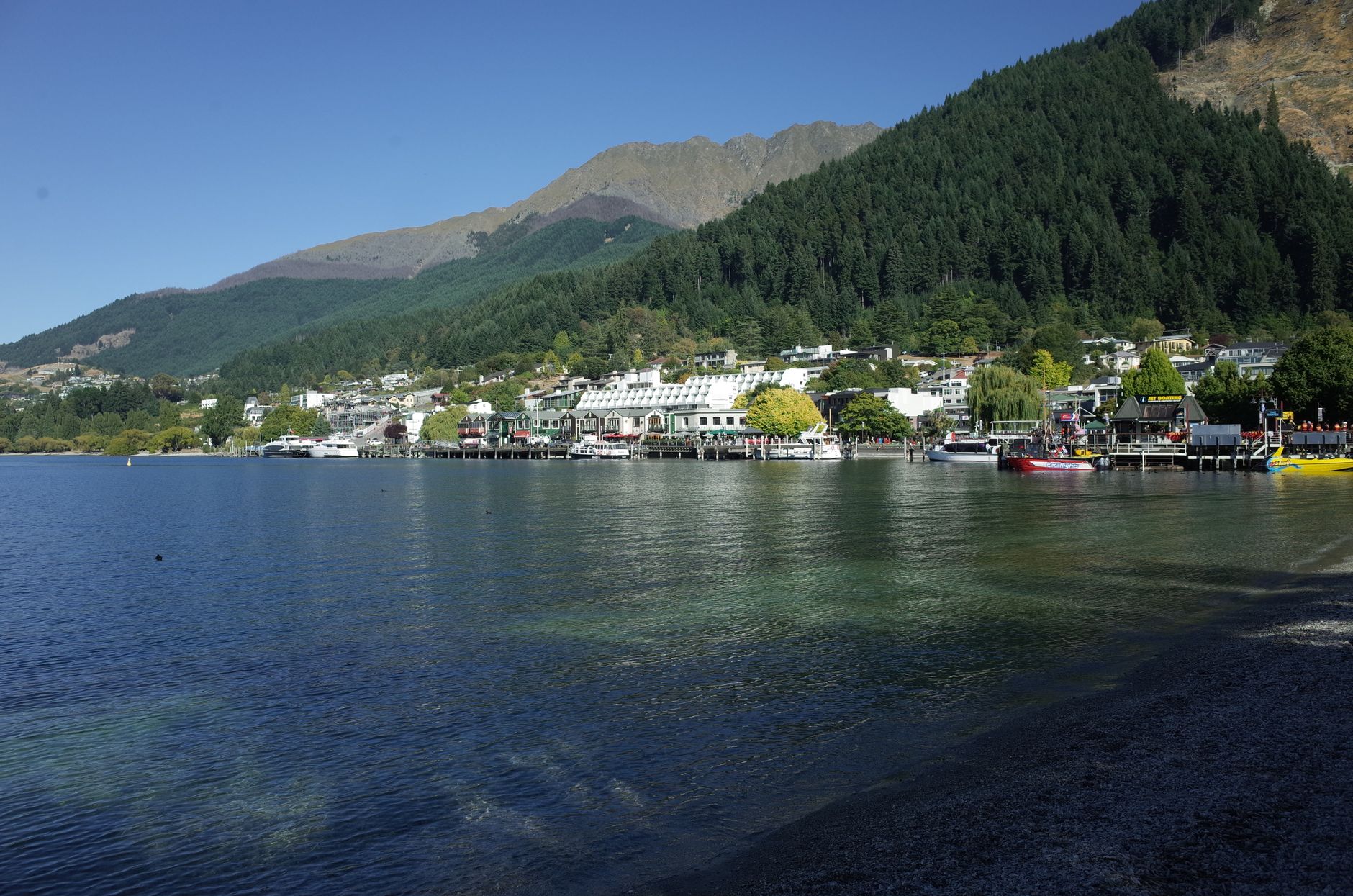
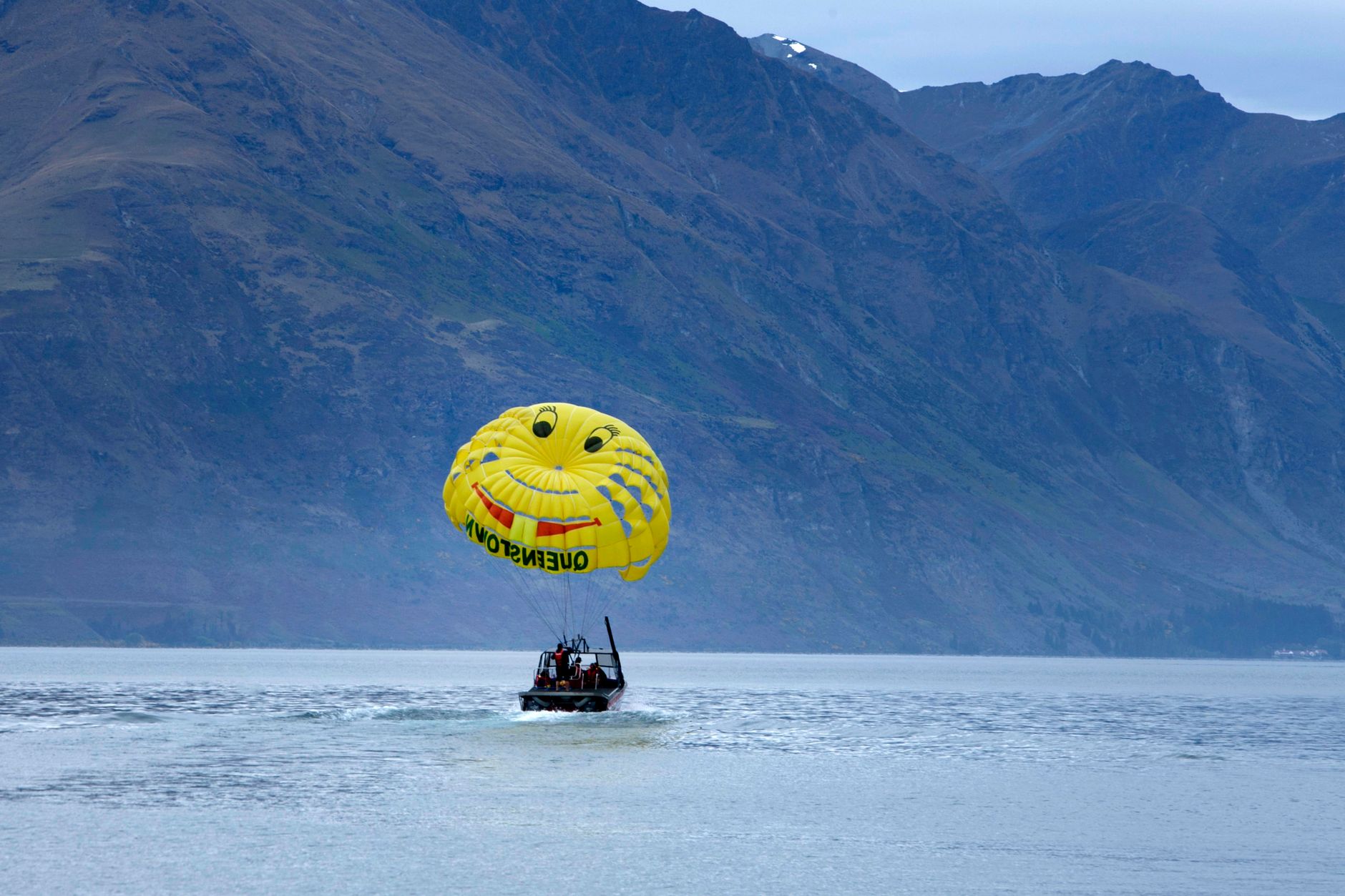
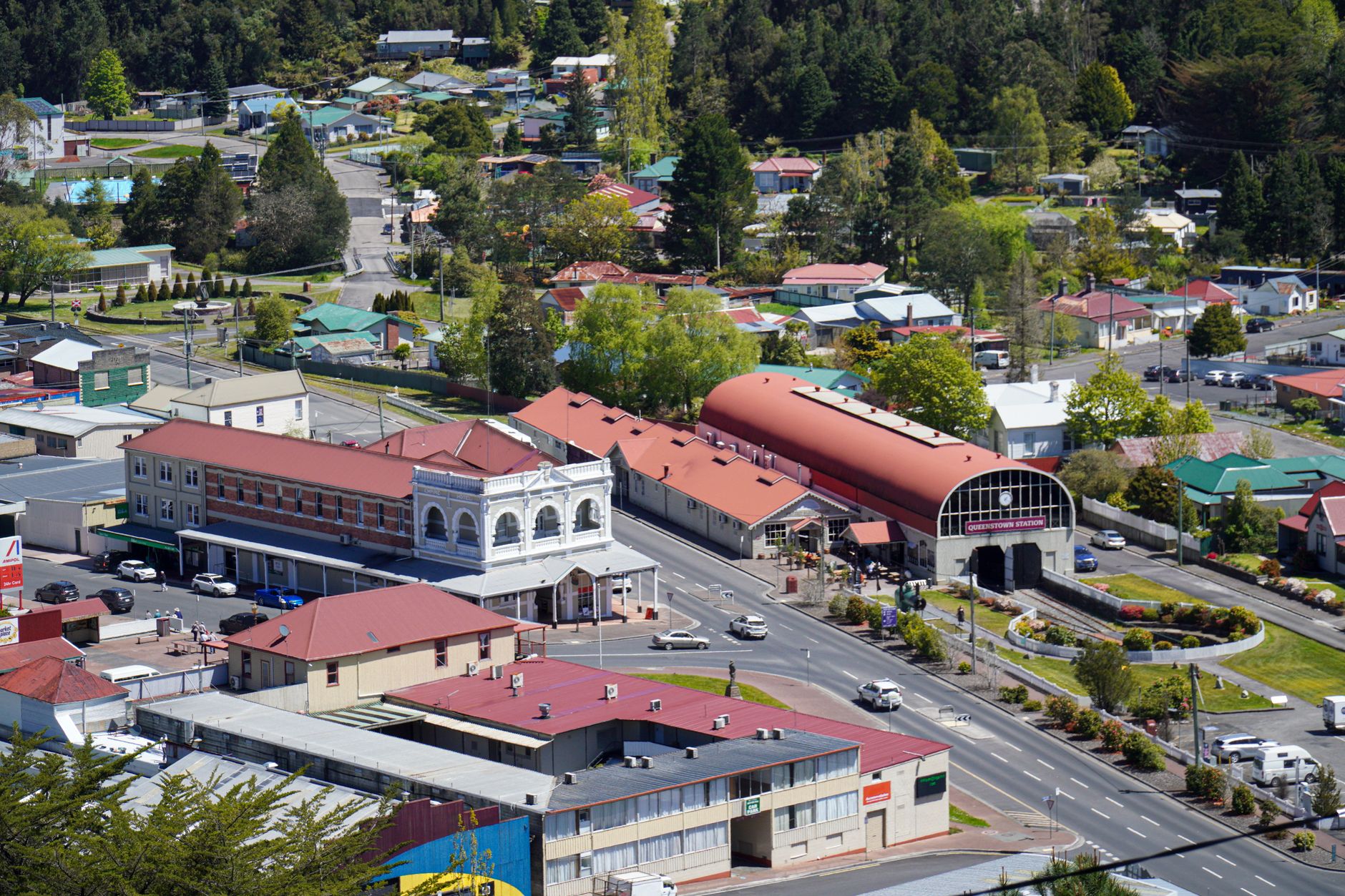
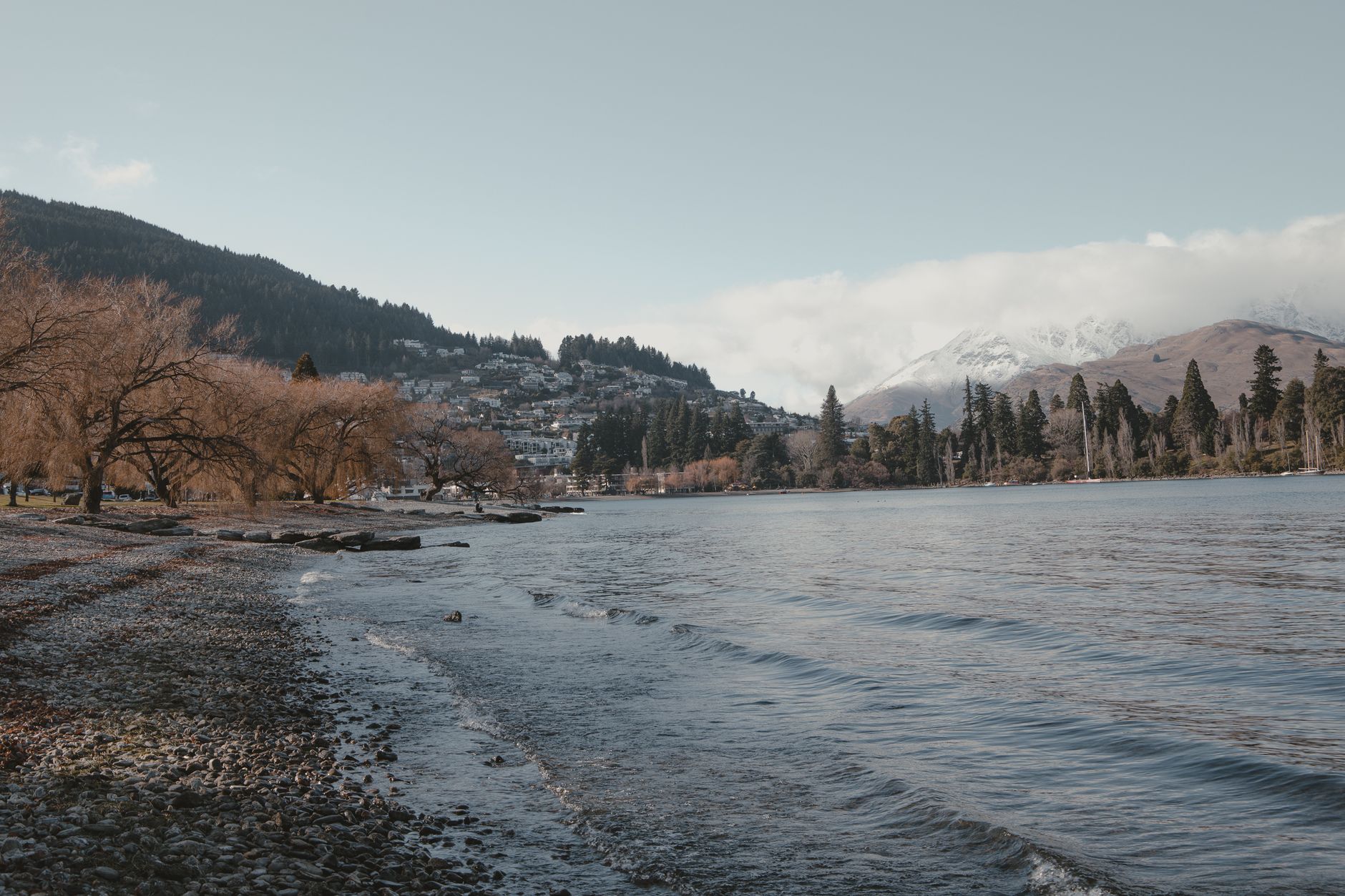
The Shotover River runs cold and fast through a gorge that two shearers crossed on 15 November 1862, and what they found — gold — turned a quiet high-country sheep station into one of the southern hemisphere's most-visited towns within a year. Queenstown sits on the edge of Lake Wakatipu, a long finger of glacial water that bends between ranges, and the view from the waterfront toward the Remarkables has been drawing people south ever since.
Today it's a place that runs on adrenaline and altitude: the world's first commercial bungy jump launched from Kawarau Bridge in 1988, and the commercial ski industry in New Zealand started at Coronet Peak in 1947. But slow down a little and you'll find gold-rush-era cottages along Buckingham Street, a coal-fired steamship still crossing the lake, and a wine scene that Sam Neill tends quietly on the other side of the hills.
💛 What travellers fall for
People who come back tend to time a trip around the TSS Earnslaw — the 1912 hand-fired steamship that still crosses Lake Wakatipu — rather than the gondola. Eichardt's Hotel, built on the site of William Rees's original wool shed, is worth a drink at the bar even if you're not staying there. The Orbus network is genuinely useful and saves you hunting for parking.
Deals in Queenstown
Book directly at the provider


How Queenstown came to be
William Gilbert Rees arrived in the Wakatipu basin in 1860, building a high-country farm alongside fellow settler Nicholas von Tunzelmann — the first Europeans to put down roots here, on land Māori had known as Tāhuna and visited in summer for centuries. The discovery of gold on the Shotover River in November 1862 changed everything. A public meeting on 6 January 1863 gave the town its name, and within three years Queenstown was a constituted borough.
The gold rush left around 70 buildings and features that survive today, including the cottages on Buckingham Street. Eichardt's Hotel stands on the footprint of Rees's original wool shed. The Kawarau Suspension Bridge went up in 1880; the Skippers Canyon bridge followed in 1901, strung 100 metres above the river. Queenstown kept reinventing itself — commercial skiing at Coronet Peak in 1947, the world's first jet boat near Kawarau Falls in 1958, commercial bungy jumping from Kawarau Bridge in November 1988.
Who and what shaped it
People who shaped it
Landmark buildings
See Queenstown in motion
Plan your visit
On the map
When to go
Summers (December to February) are warm and dry, with long days and temperatures that suit the lake and the trails. Winters (June to August) bring snow to the surrounding ranges — Coronet Peak and The Remarkables open for skiing — while the town itself stays cold but mostly clear. Spring and autumn are quieter, with sharp light and changeable days.
Right now
Background & history adapted from Wikipedia (CC BY-SA) · specs from Wikidata (CC0) · weather from Open-Meteo · map data © OpenStreetMap contributors · photos from Wikimedia Commons / Unsplash with per-image credit. No third-party reviews or social posts reproduced.