
Pyoseon
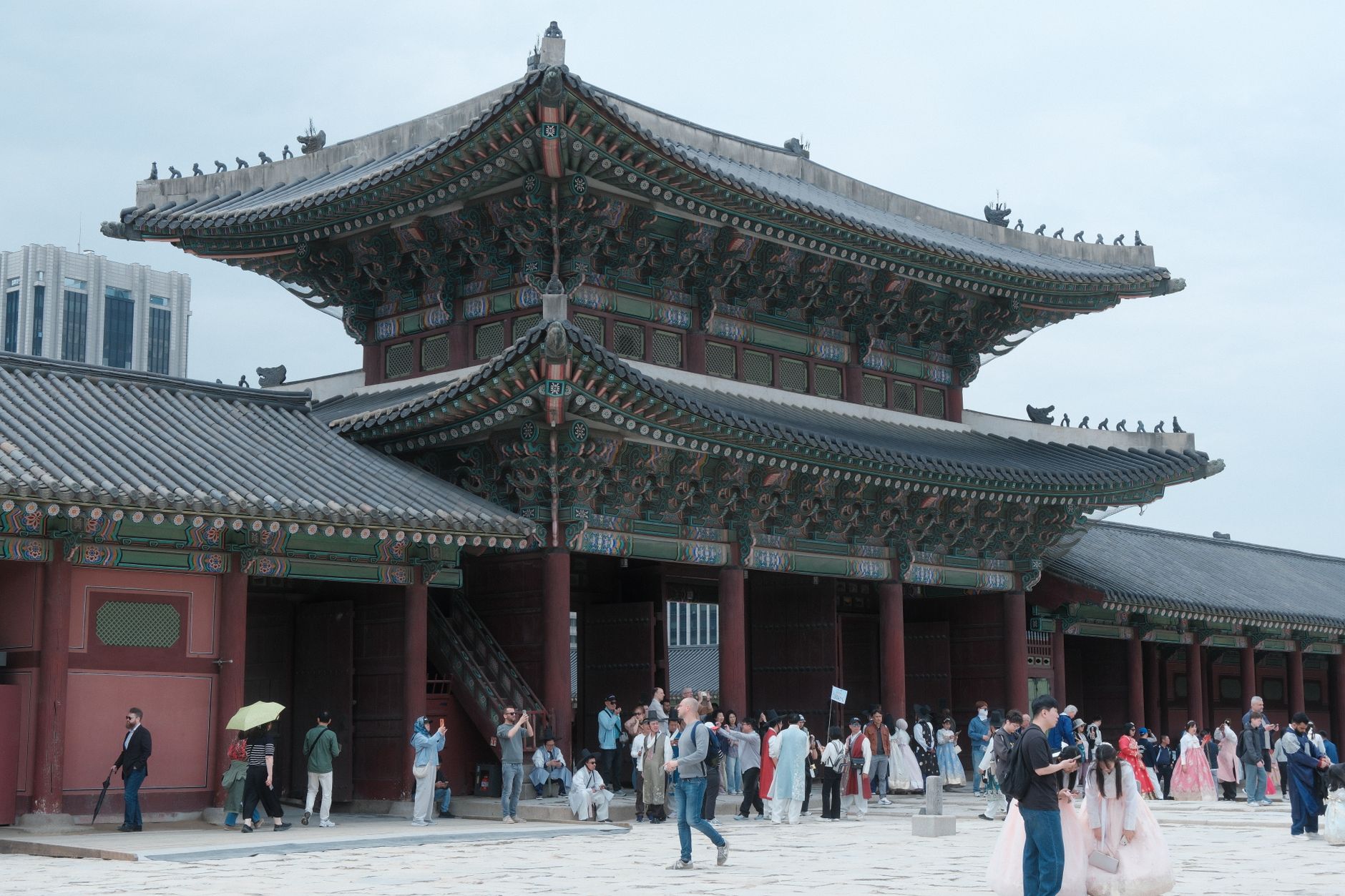
At low tide, Pyoseon Beach reveals itself as something close to a perfect circle — a wide bowl of shell-fragment sand that floods to barely a meter deep when the sea comes back in, turning the water every shade between jade and pale gold depending on the light. This township on Jeju's southeastern coast sits far enough from the island's tourist corridor to feel genuinely lived-in, yet it holds two of the most considered windows into traditional Korean island life you'll find anywhere.
Pyoseon is a myeon — a township — within Seogwipo City, which means it rewards slow, lateral movement rather than a single-day loop. The beach, the folk villages, a cave tucked behind green tea fields: none of it is far from the others, and none of it asks you to rush.
💛 What travellers fall for
People who come back tend to mention the same two things: arriving at Jeju Folk Village early enough to have the thatched rooftops to yourself, and eating a bowl of noodles at one of the country-style restaurants inside before the tour groups arrive. The ostrich farm inside the grounds, inexplicably, is also a recurring topic of conversation.
Deals in Pyoseon
Book directly at the provider

How Pyoseon came to be
Pyoseon sits in territory that was once part of Jeongjeonghyeon, one of the administrative districts of historical Jeju, and the Jeongjeongeupseong Fortress still stands in the area as a remnant of that era. The island itself was governed for centuries under the Kingdom of Tamna, whose founding legend traces back to three demigods said to have emerged from the earth on the northern slopes of Hallasan, becoming the progenitors of the Jeju people.
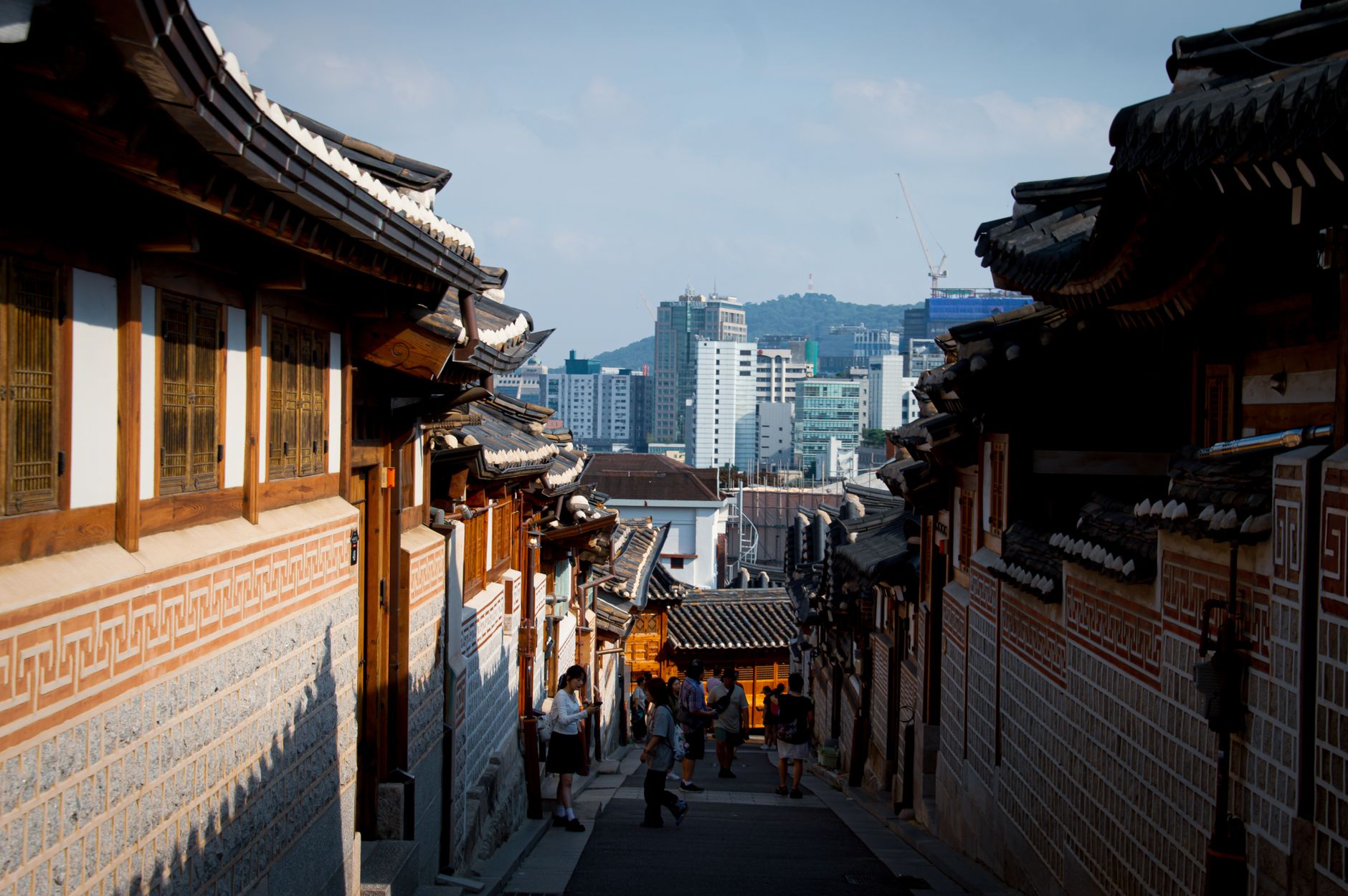
Seongeup Folk Village preserves the built fabric of the Joseon Dynasty period within the township, while the Jeju Folk Village museum gathered traditional structures from across the island — some of them centuries old — into a single site, making Pyoseon an unlikely repository for the island's longest memory.
Who and what shaped it
Landmark buildings
See Pyoseon in motion
Plan your visit
On the map
When to go
Spring (late March through May) offers warm afternoons, canola fields in yellow bloom, and only occasional rain — the most comfortable season for walking between sites. Summer is hot and wet, with peak heat and heavy showers in August; fall, particularly October, brings dry skies and cooler air that suits the village lanes and cave paths well.
Right now
Background & history adapted from Wikipedia (CC BY-SA) · specs from Wikidata (CC0) · weather from Open-Meteo · map data © OpenStreetMap contributors · photos from Wikimedia Commons / Unsplash with per-image credit. No third-party reviews or social posts reproduced.