
Punta Gorda

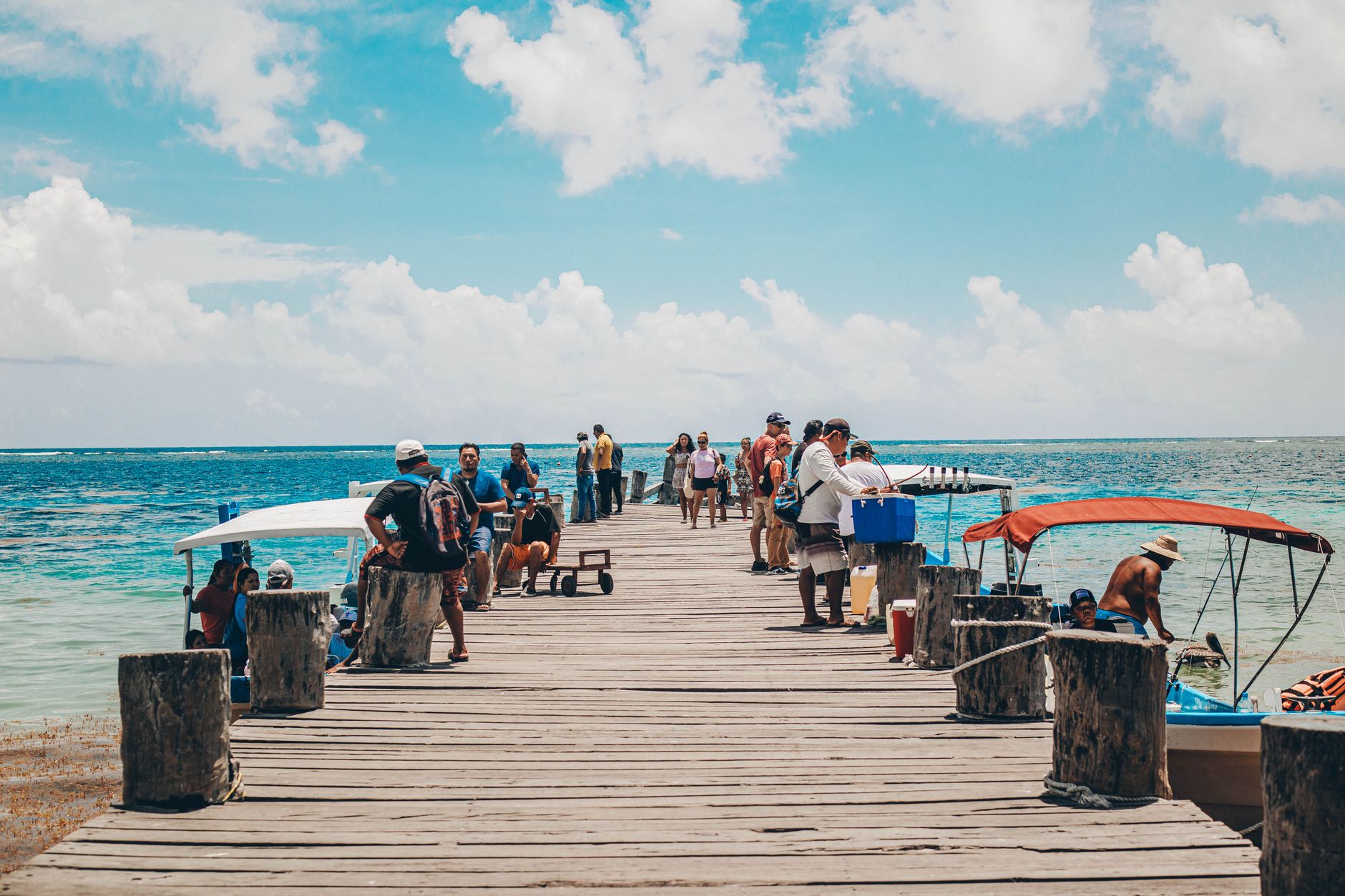
At the eastern end of Roatán's north shore, the road deteriorates into something closer to a suggestion — potholes, red dust, palms leaning toward the water — and then Punta Gorda opens up: cayucos resting on the sand, a few wooden buildings facing the Caribbean, and a pace of life that has nothing to prove. This is the oldest Garífuna settlement in Central America, a community that has held onto its language, its music, and its cooking across more than two centuries.
Most of Roatán sells diving packages and swim-up bars. Punta Gorda sells neither. What it offers instead is a living culture — Sunday drumming, the smell of tapado coming from a kitchen, and residents who will happily talk for an hour if you give them the chance.
💛 What travellers fall for
People who come back tend to time it for a Sunday, when the town is at its most alive. Wagundan and Yurumei are the two names that come up for food — order the machuca, the plantain dumplings, before you order anything else. The last six miles of road will rattle whatever you're driving, so low expectations for the rental car are well-placed.
How Punta Gorda came to be
On April 12, 1797, British forces deposited approximately 3,000 Garífuna — then called Black Caribs — on the shores of Roatán after deporting them from the Caribbean island of St. Vincent. They had little choice but to settle, and the community they built at Punta Gorda became the first permanent Garífuna settlement in Central America. The founding is marked today by a monument to Joseph Satuye, the first leader of the Garífuna people, which stands in the town.
The settlement has since been declared a National Monument of Honduras in recognition of its place as the origin point of Garífuna culture on the mainland. The language, the music, and the food that spread across the Caribbean coast of Central America trace back to this particular stretch of shore.
Who and what shaped it
People who shaped it
Landmark buildings
See Punta Gorda in motion
Plan your visit
On the map
When to go
The dry season runs roughly from February through April, with January and February offering the most sunshine and temperatures around 26°C. The rainy season stretches from June through November, with October and November seeing the heaviest rainfall — still warm, but persistently wet.
Right now
Background & history adapted from Wikipedia (CC BY-SA) · specs from Wikidata (CC0) · weather from Open-Meteo · map data © OpenStreetMap contributors · photos from Wikimedia Commons / Unsplash with per-image credit. No third-party reviews or social posts reproduced.