
Puerto Vallarta
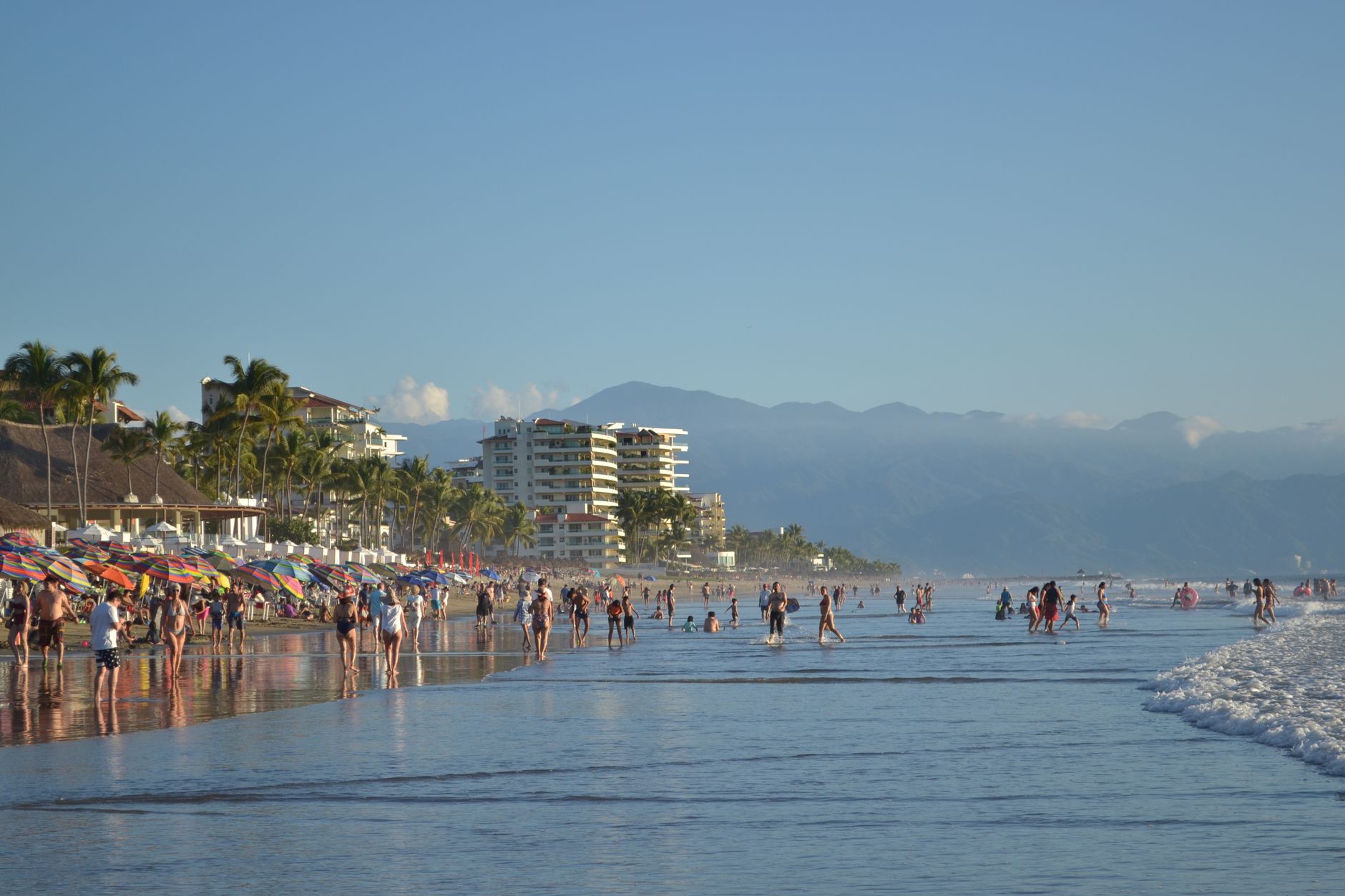
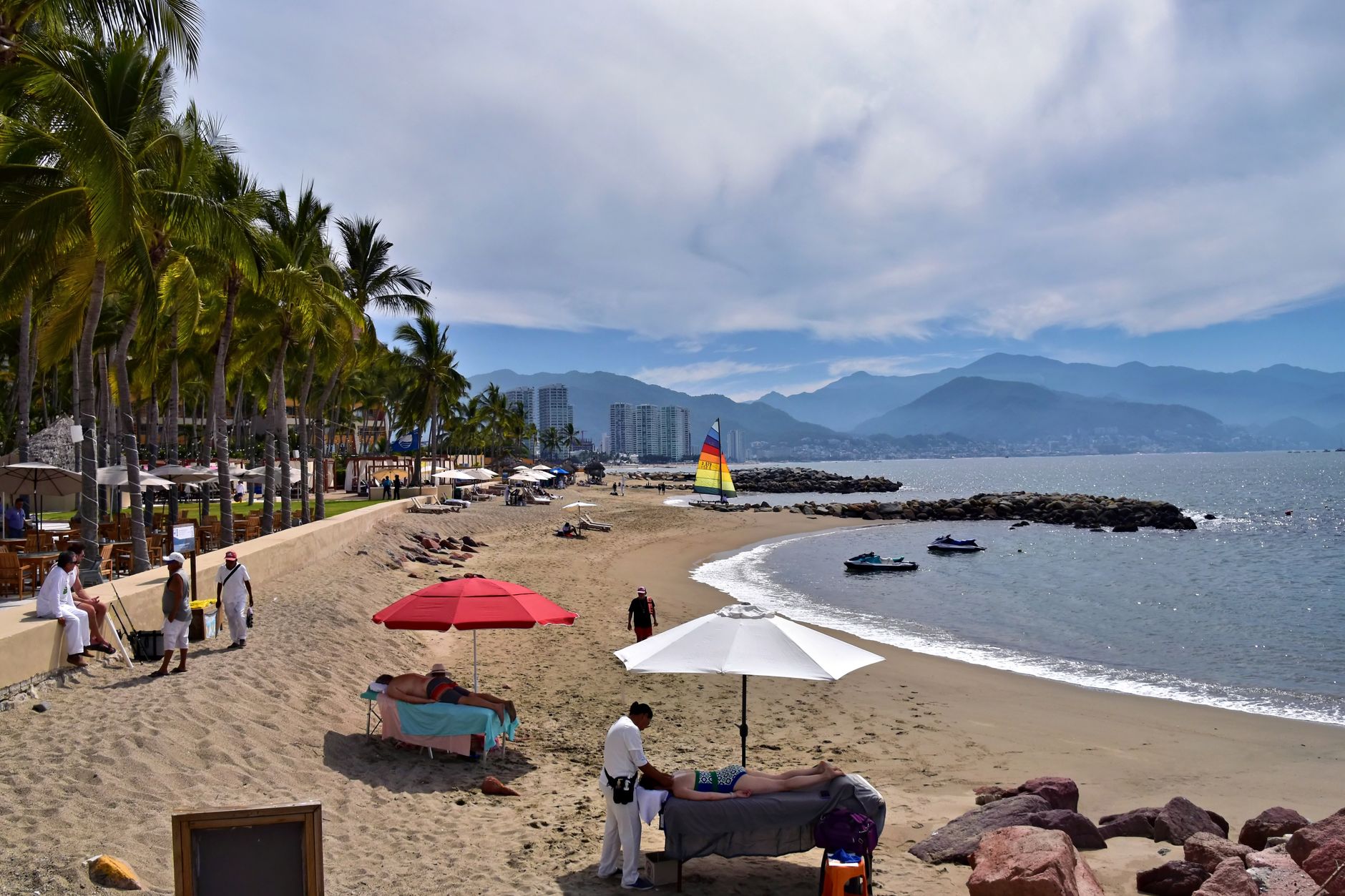
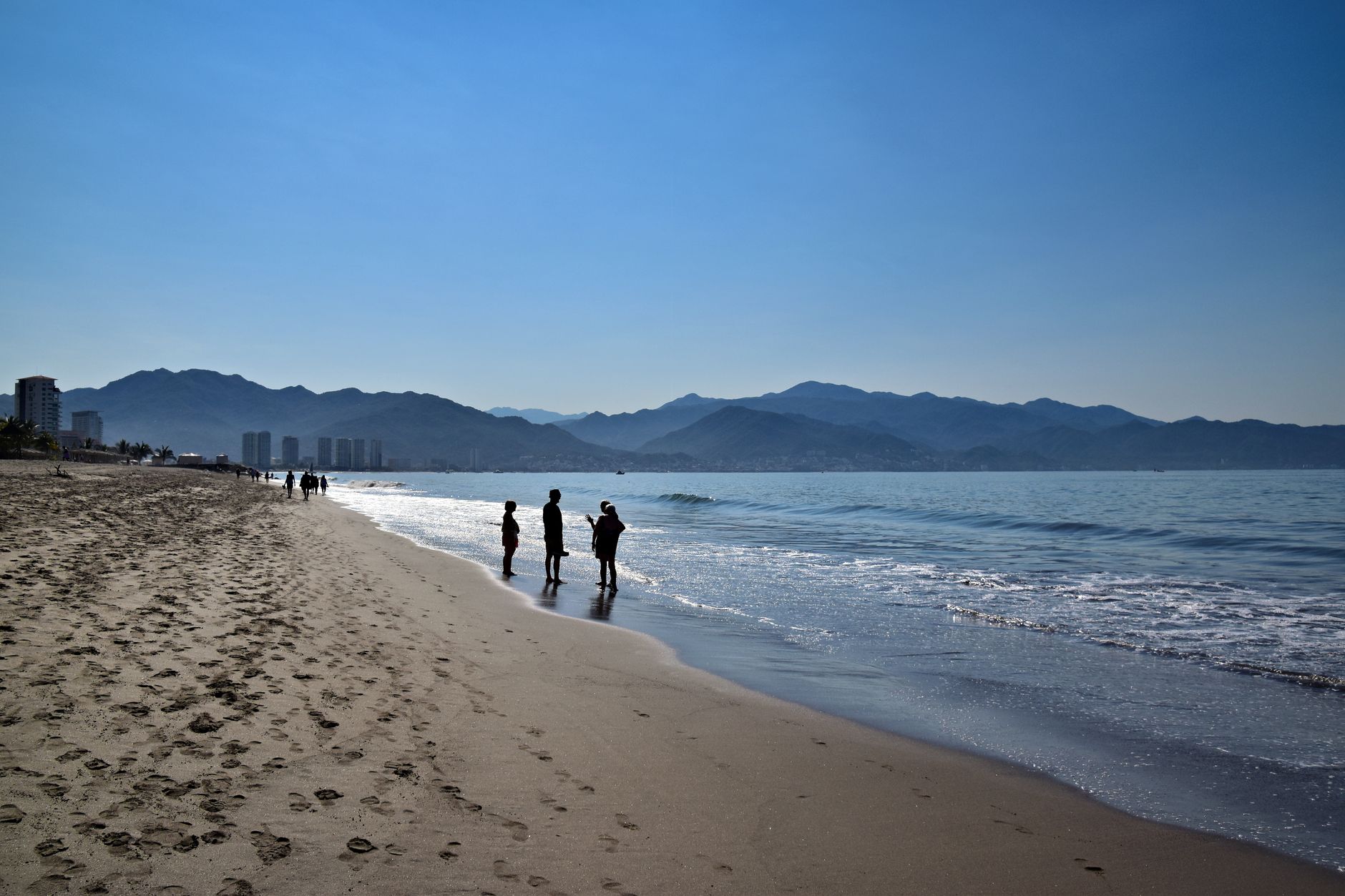
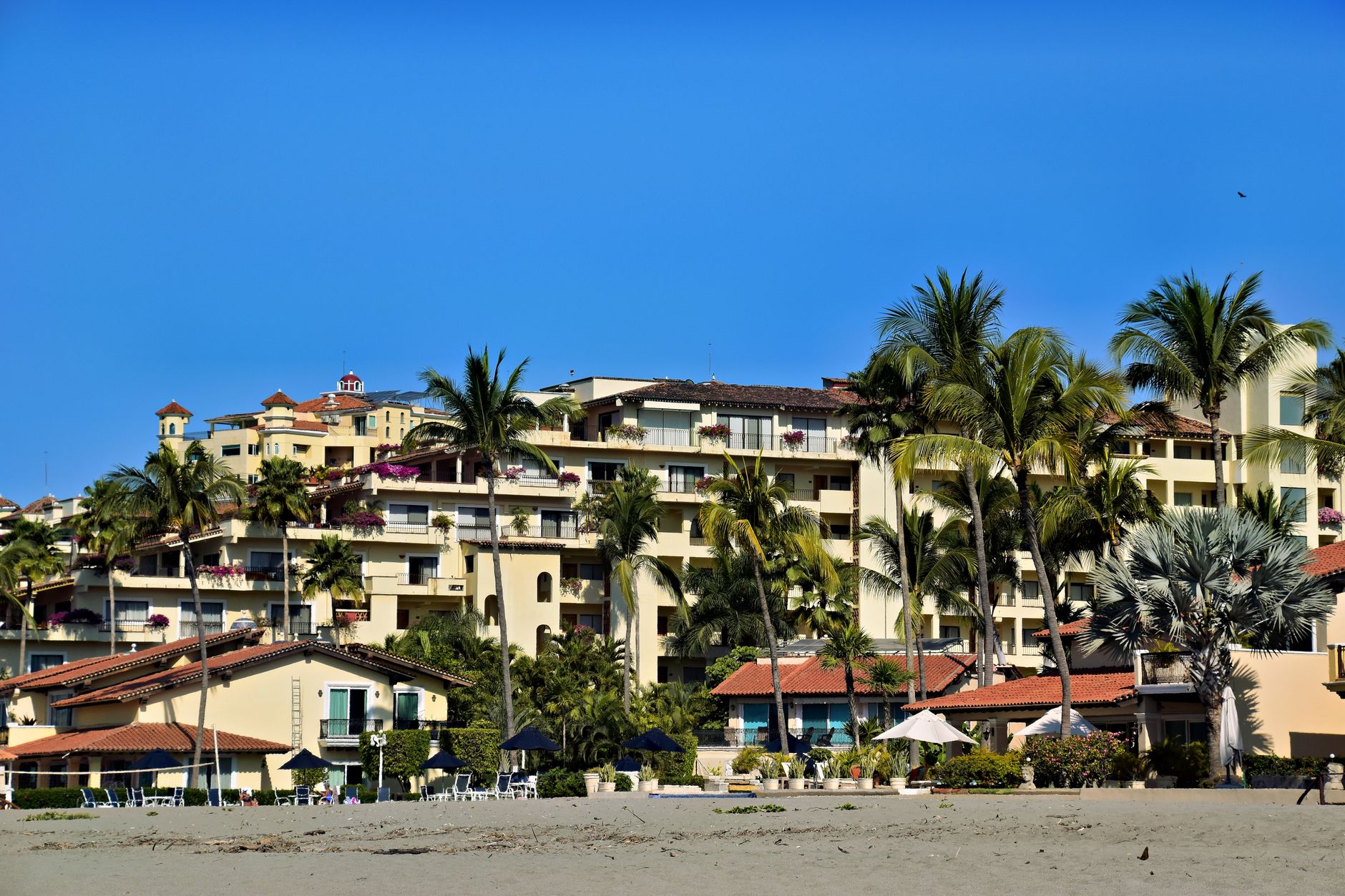
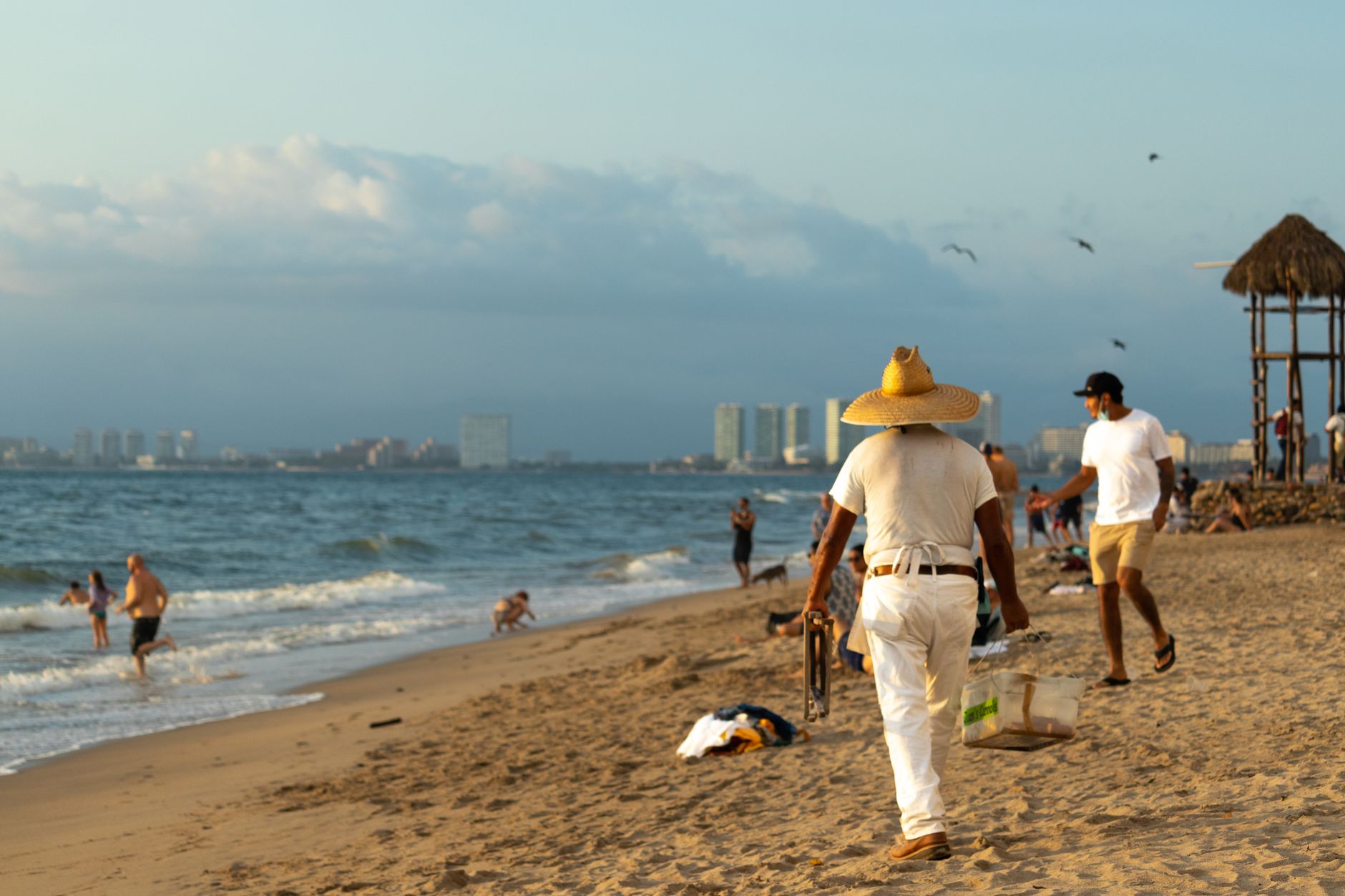
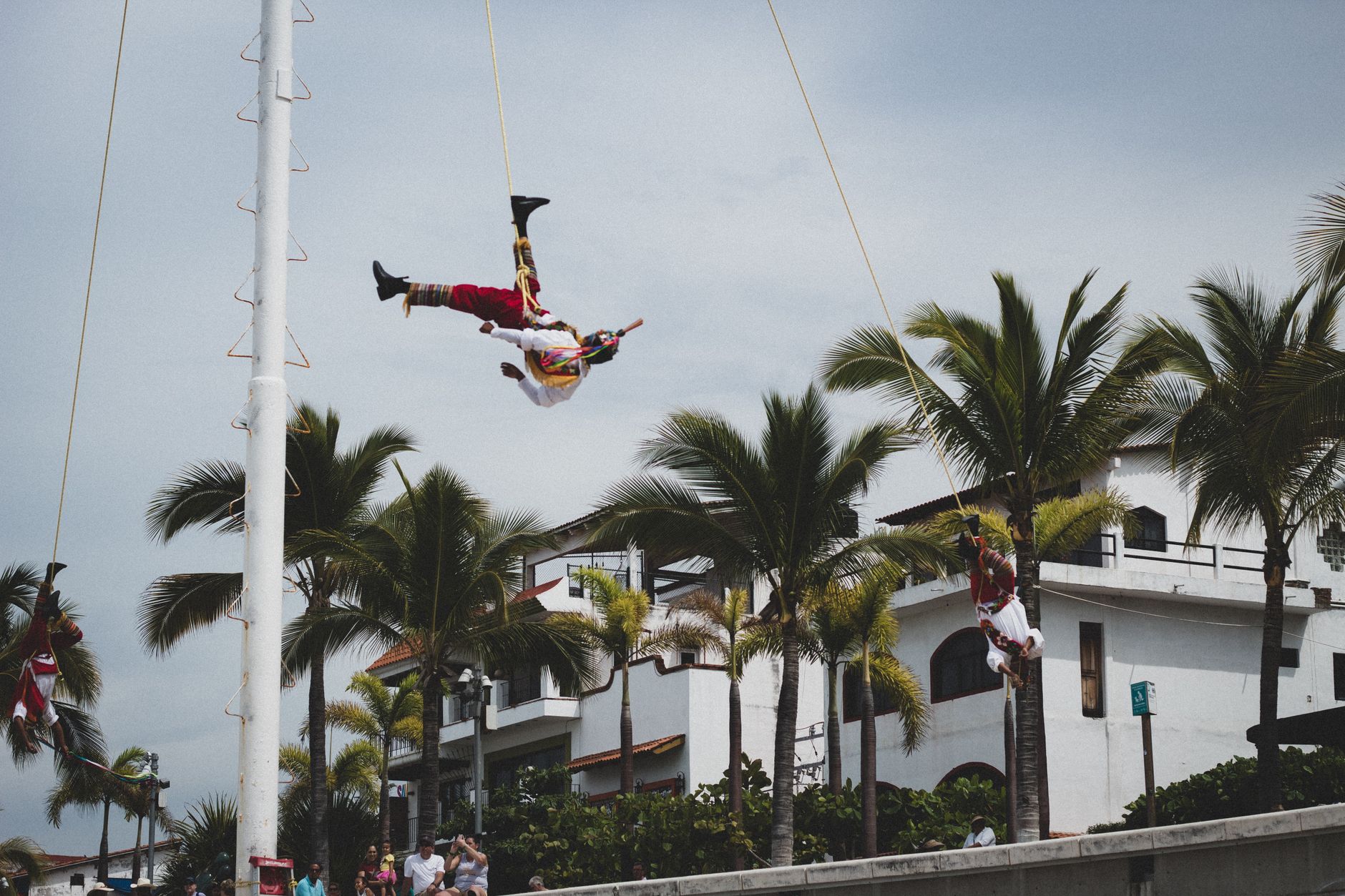
Puerto Vallarta sits where the Sierra Madre meets Banderas Bay, and the collision shows in everything from the cobblestones of Zona Romántica to the jungle-draped hills above Gringo Gulch. The city has a specific texture: whitewashed walls, terracotta rooftops, a church whose crown — designed by José Esteban Ramírez Guareño and installed in 1965 — anchors every sightline from the Malecón.
It became internationally known almost by accident, when John Huston arrived in 1963 to film The Night of the Iguana at nearby Mismaloya and brought along a cast — Richard Burton, Ava Gardner, Deborah Kerr, Elizabeth Taylor — whose off-screen drama drew the world's press. The city that grew from that moment is layered, walkable, and still recognizably itself.
💛 What travellers fall for
People who come back tend to anchor in Zona Romántica and walk outward from there. InDrive is what locals actually use — cheaper than Uber and easier to find at night. The Túnel buses are useful for cutting south through the mountains without backtracking through the Hotel Zone. Arrive before November if you want the bay calm enough to swim.
How Puerto Vallarta came to be
Puerto Vallarta began as a trading post. In 1851, Guadalupe Sánchez Torres, his wife Ambrosia Carrillo, and a small group including Cenobio Joya and Martín Andrade established a settlement on the Río Cuale; Sánchez was a boatman from Cihuatlán who saw the bay's commercial potential. By 1885, the village held around 250 homes and 800 residents. The settlement was officially renamed Puerto Vallarta on May 31, 1918.
The harbor came late — El Salado wharf opened June 1, 1970, making it Jalisco's first harbor town. Large-scale hotel construction followed only after 1973, which is why so much of the old architecture survived. Engineers Luis Favela and Guillermo Wulff shaped the structural vocabulary of the hillside neighborhoods; Fernando Romero defined what became known as the Vallarta style in Gringo Gulch, a district that got its name in the 1950s from the wave of prosperous North Americans who built there.
Who and what shaped it
People who shaped it
Landmark buildings
See Puerto Vallarta in motion
Plan your visit
On the map
When to go
November through April brings dry, warm days and cooler evenings — the clearest window for the bay and the hills. The summer wet season, June through October, brings afternoon rains and higher humidity, and also hurricane risk; Hurricane Kenna in 2002 famously dragged the city's beloved Caballito de Mar sculpture into the sea.
Right now
Background & history adapted from Wikipedia (CC BY-SA) · specs from Wikidata (CC0) · weather from Open-Meteo · map data © OpenStreetMap contributors · photos from Wikimedia Commons / Unsplash with per-image credit. No third-party reviews or social posts reproduced.