
Protaras
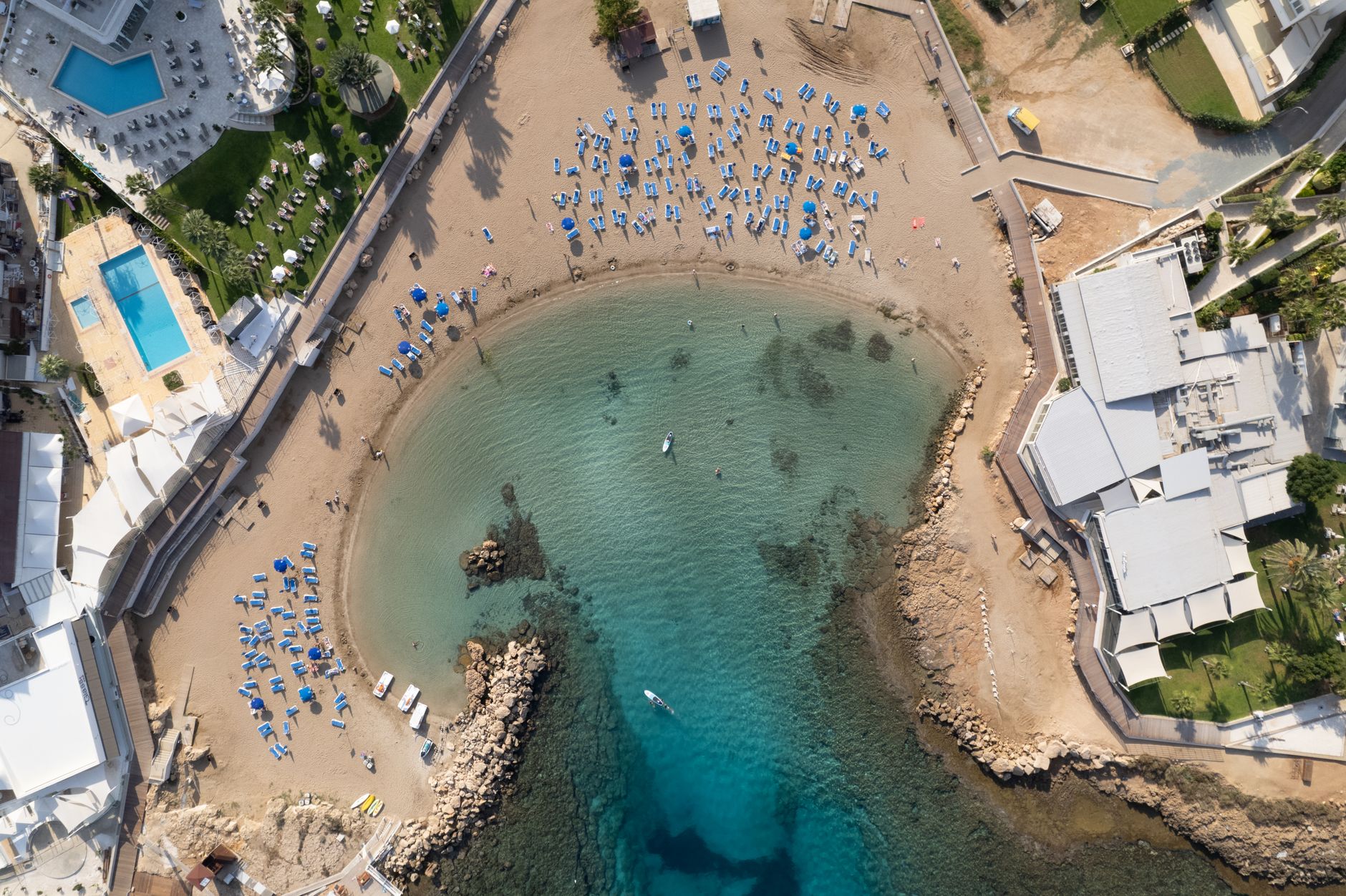
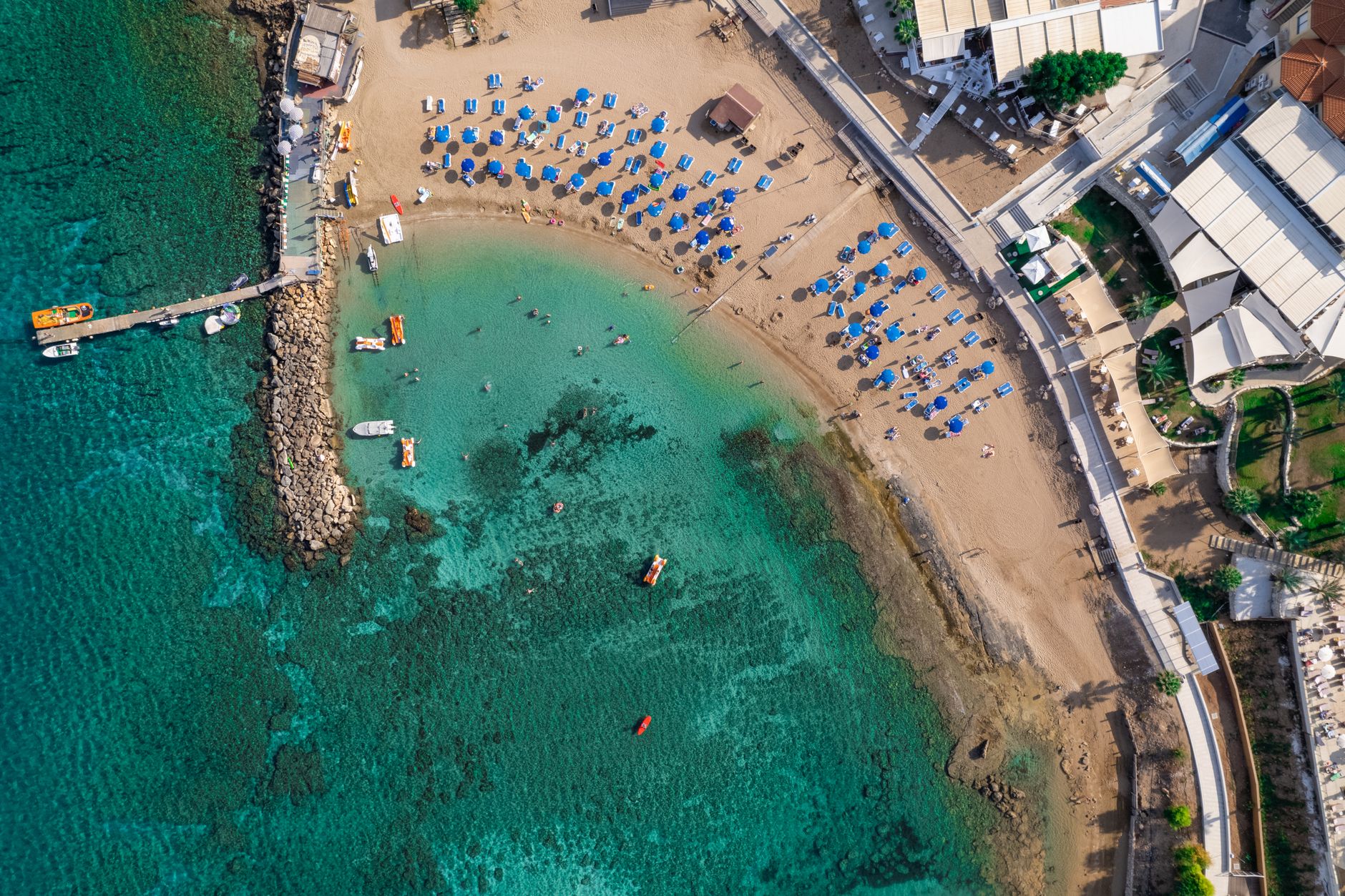
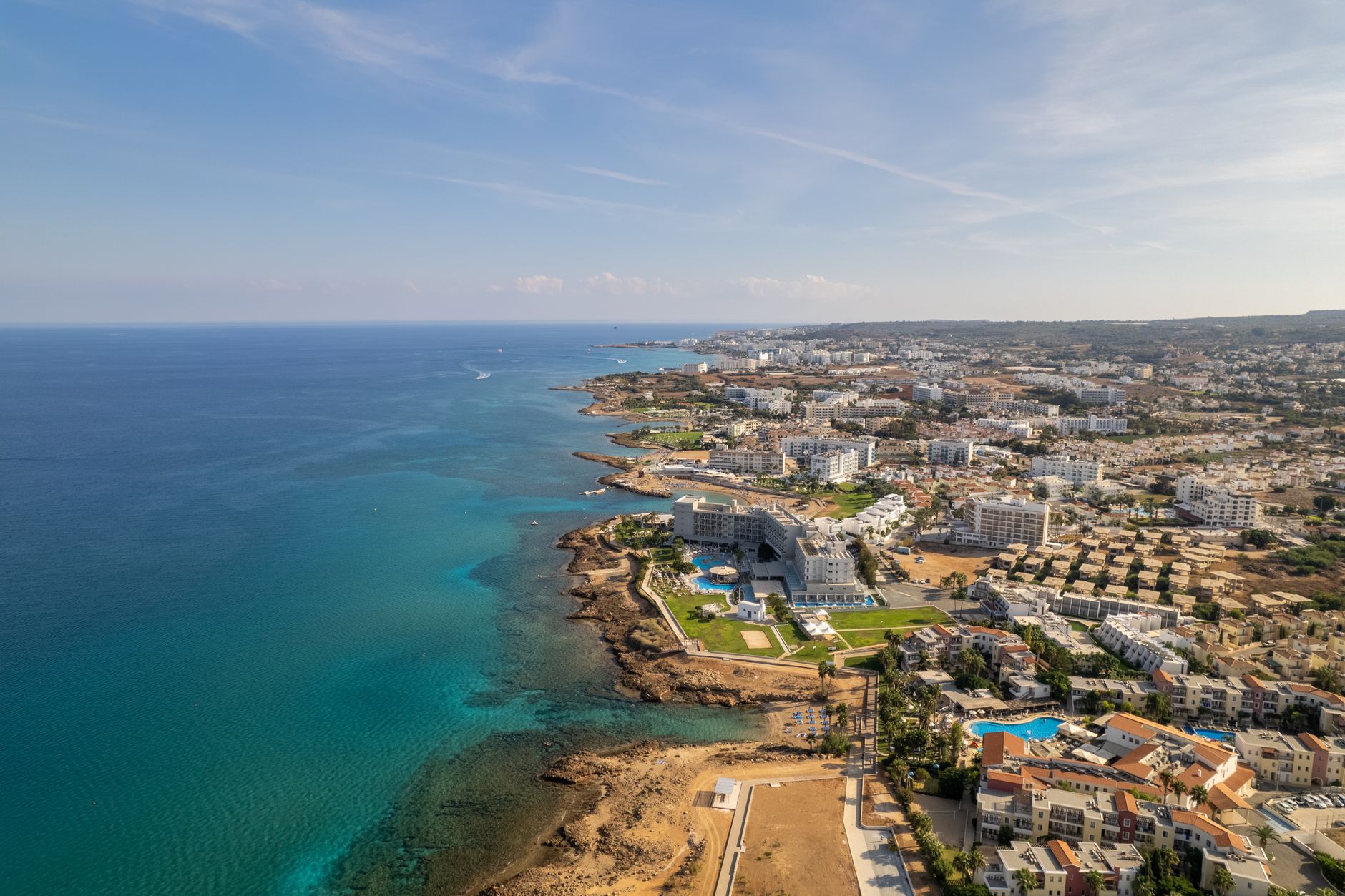
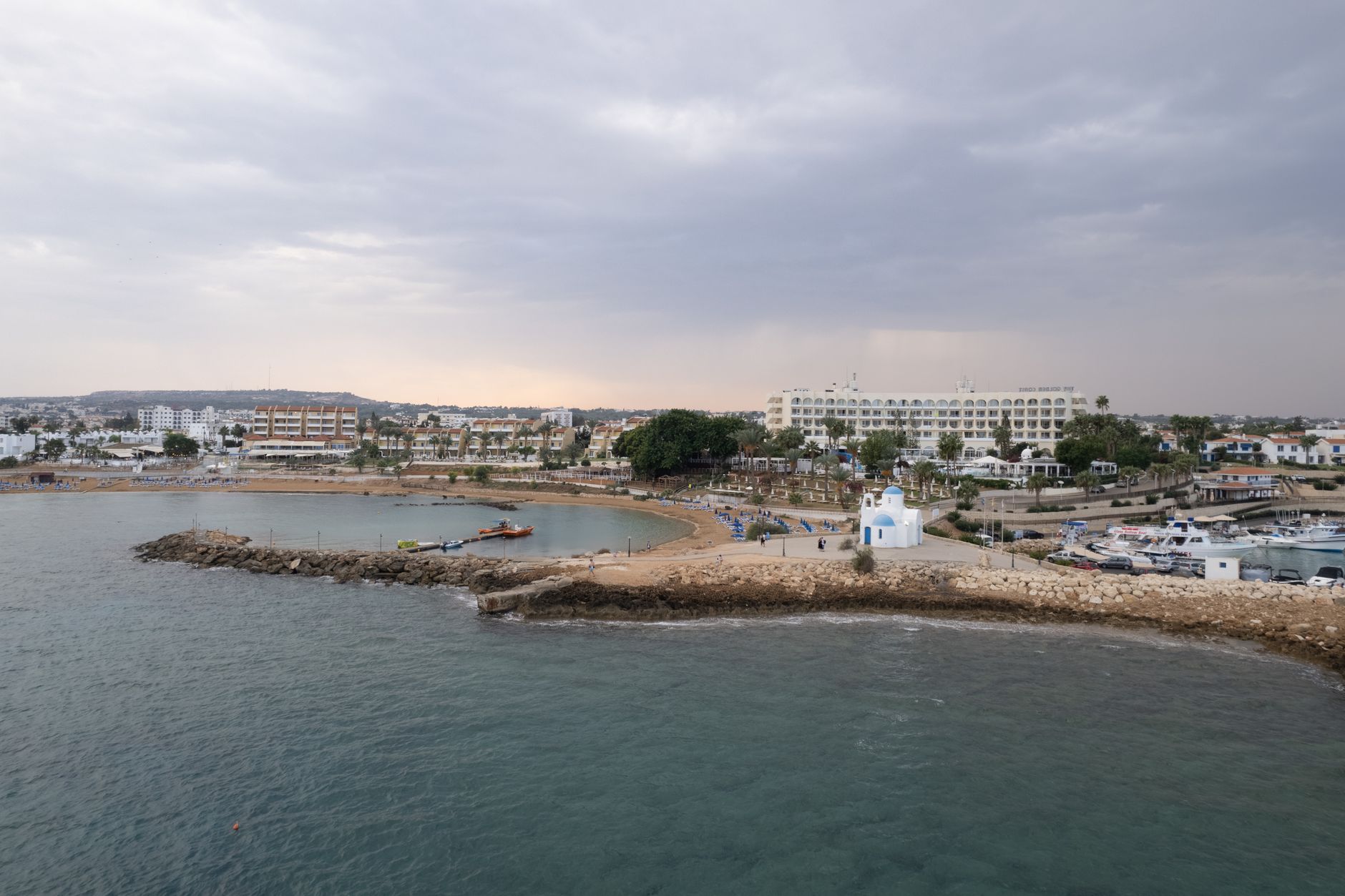
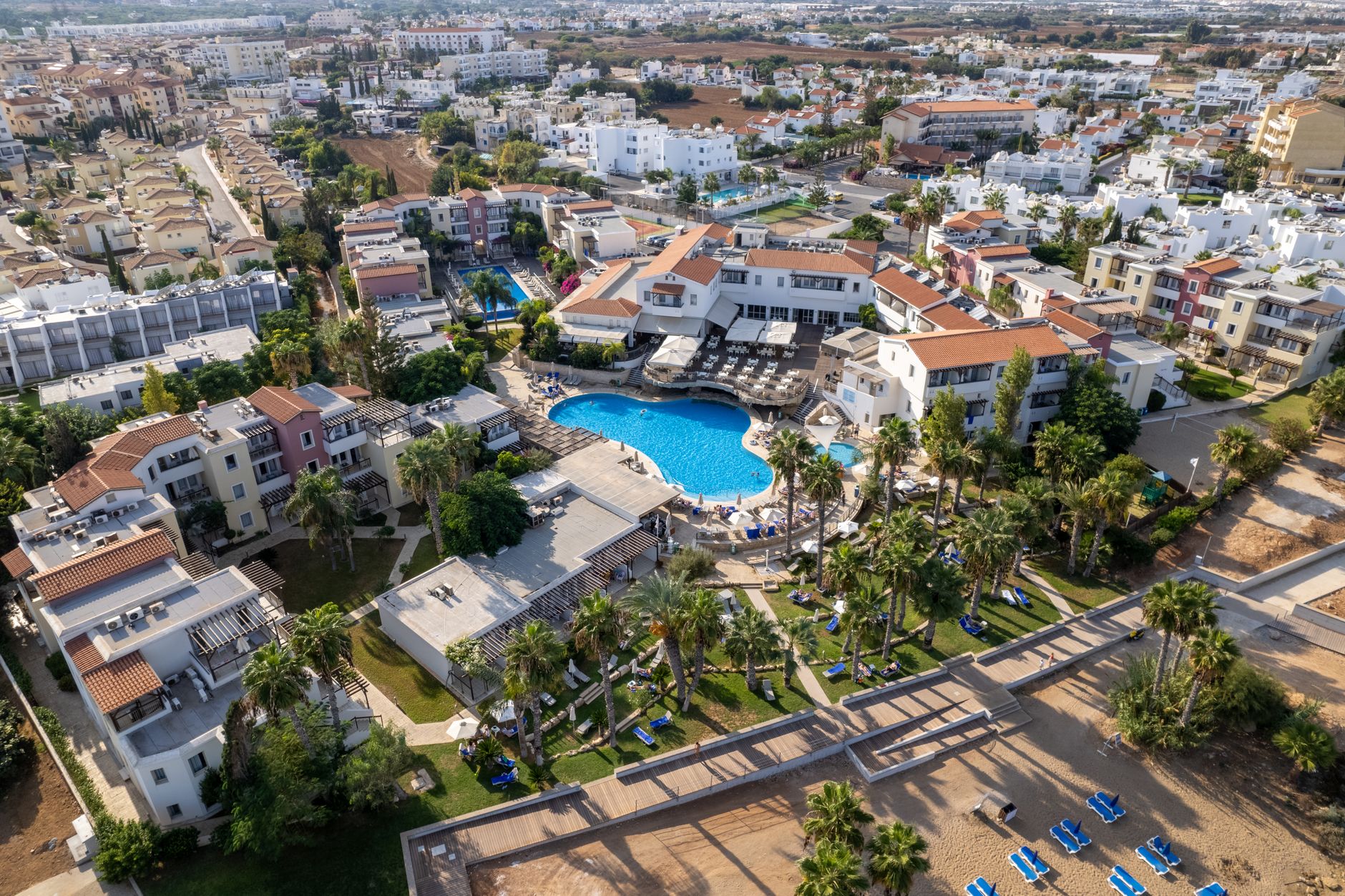
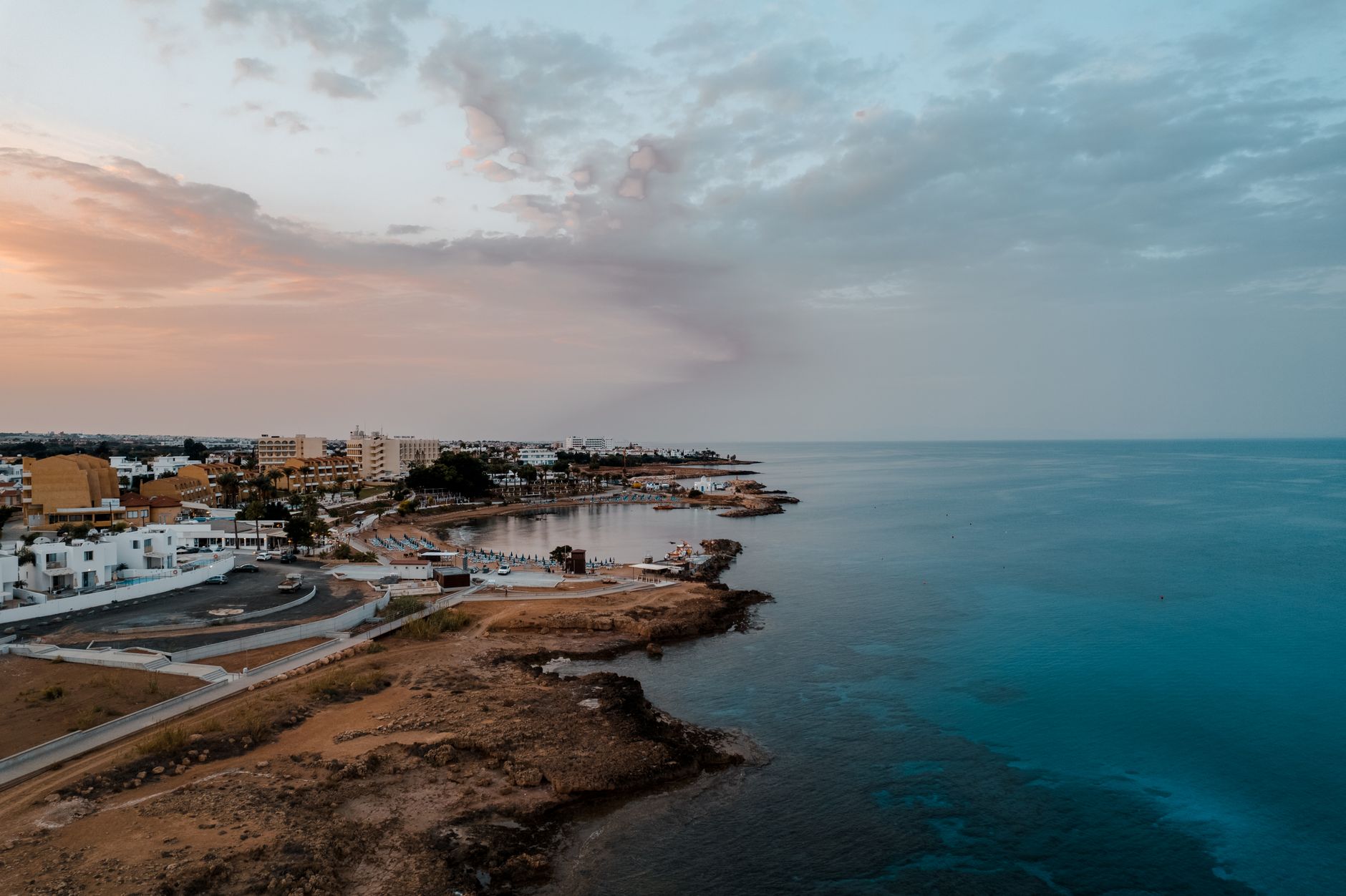
Protaras sits on Cyprus's eastern tip, where the sea runs a particular shade of pale turquoise and fig trees have stood by the headland at Fig Tree Bay since the 17th century. The beach is the main event — Blue Flag, fine golden sand, water so clear you can count the stones on the bottom.
This is a resort built for the sun, and it knows what it is. Development took off around 1977, following the trail blazed by Ayia Napa to the southwest, and the coastline has filled steadily with hotels, seafront promenades, and the kind of restaurants that stay open late. What anchors it, still, is the water.
💛 What travellers fall for
People who come back tend to time their evenings around the Protaras Strip, where folk dance performances and live music appear in summer without much fanfare. The 101/102 bus along the coast to Ayia Napa is worth taking at least once — it stops at Konnos Beach, which is quieter than Fig Tree Bay and just as good.
How Protaras came to be
Long before the hotels arrived, this stretch of coast had strategic value. The ancient city-state of Leukolla occupied the area, its small harbour sheltered enough that the Macedonian general Demetrius Poliorketes anchored here in 306 BC, waiting to intercept Ptolemy — one of the successors who divided Alexander the Great's empire after his death.
For most of the centuries that followed, the area remained sparsely settled — around 500 residents recorded in 1900. The early 20th century brought windmills, erected from around 1912 to pump water for irrigation; many were abandoned by mid-century when electric pumps took over. Tourism changed everything from the late 1970s onward, and Protaras grew quickly into the resort it is today.
Who and what shaped it
Landmark buildings
See Protaras in motion
Plan your visit
On the map
When to go
Summers run hot — July and August regularly reach 34°C, with sea temperatures peaking around 28°C and virtually no rain. Winters are mild rather than cold, averaging 10–15°C, with the most rainfall in December; spring and autumn sit comfortably between the two extremes, making April, May, and October the most reliably pleasant months to visit.
Right now
Background & history adapted from Wikipedia (CC BY-SA) · specs from Wikidata (CC0) · weather from Open-Meteo · map data © OpenStreetMap contributors · photos from Wikimedia Commons / Unsplash with per-image credit. No third-party reviews or social posts reproduced.