
Prague
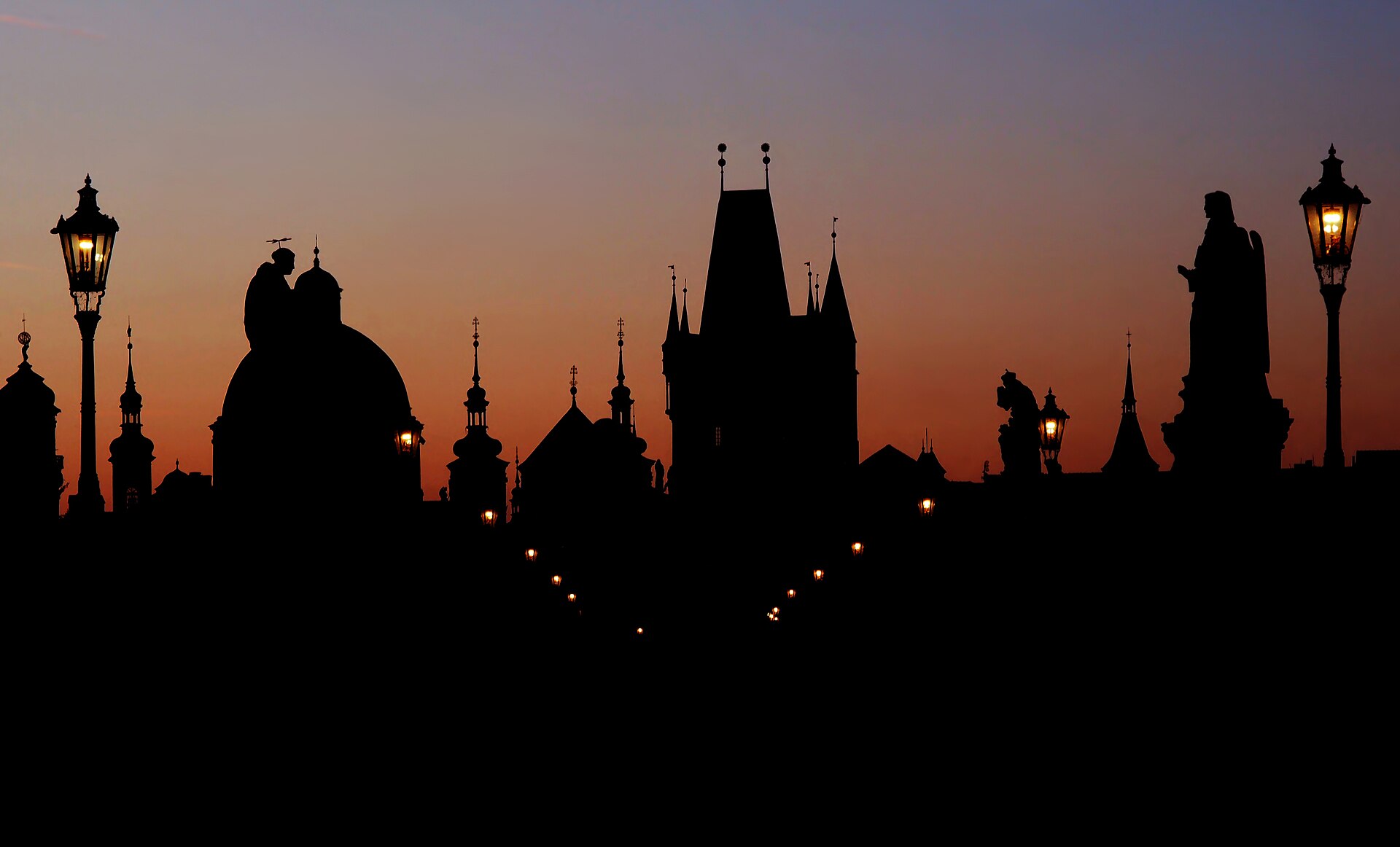
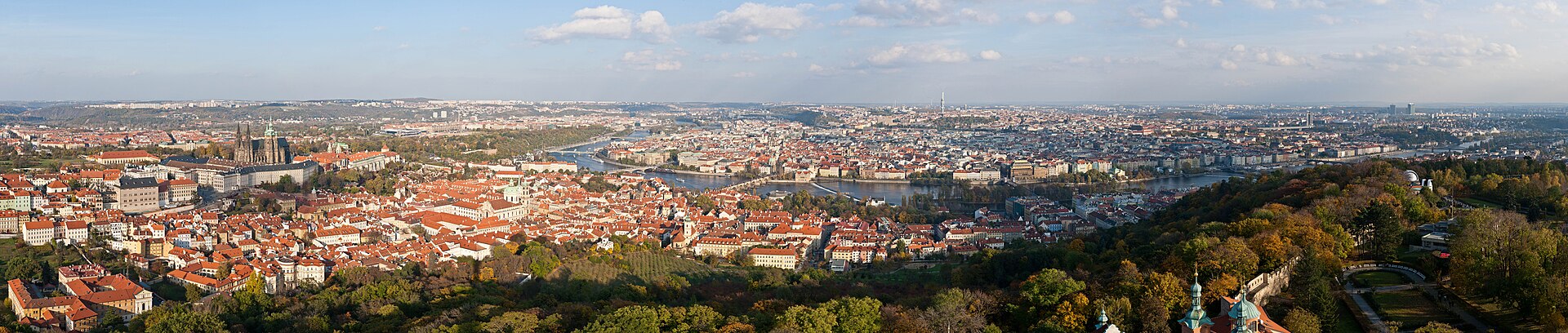
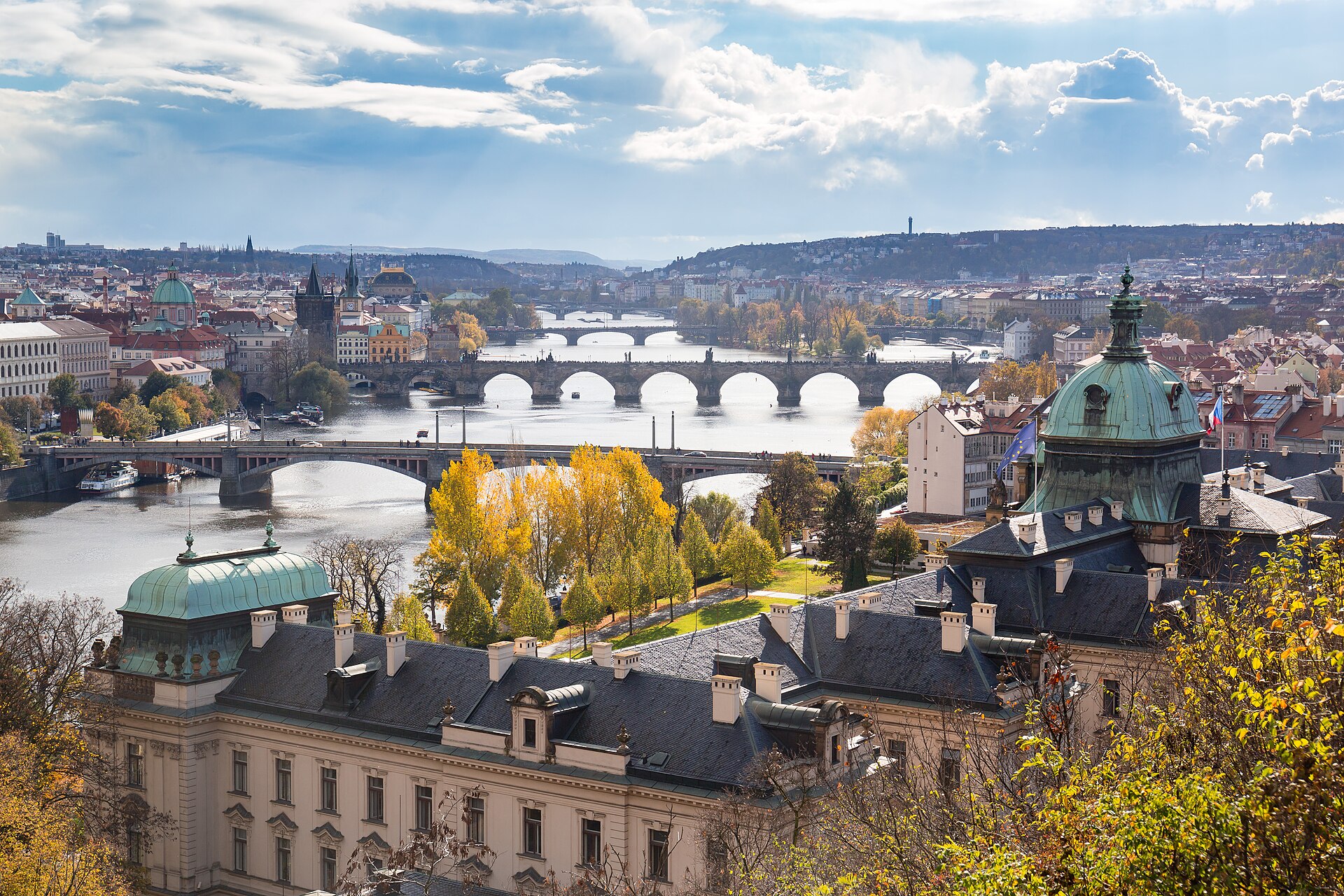
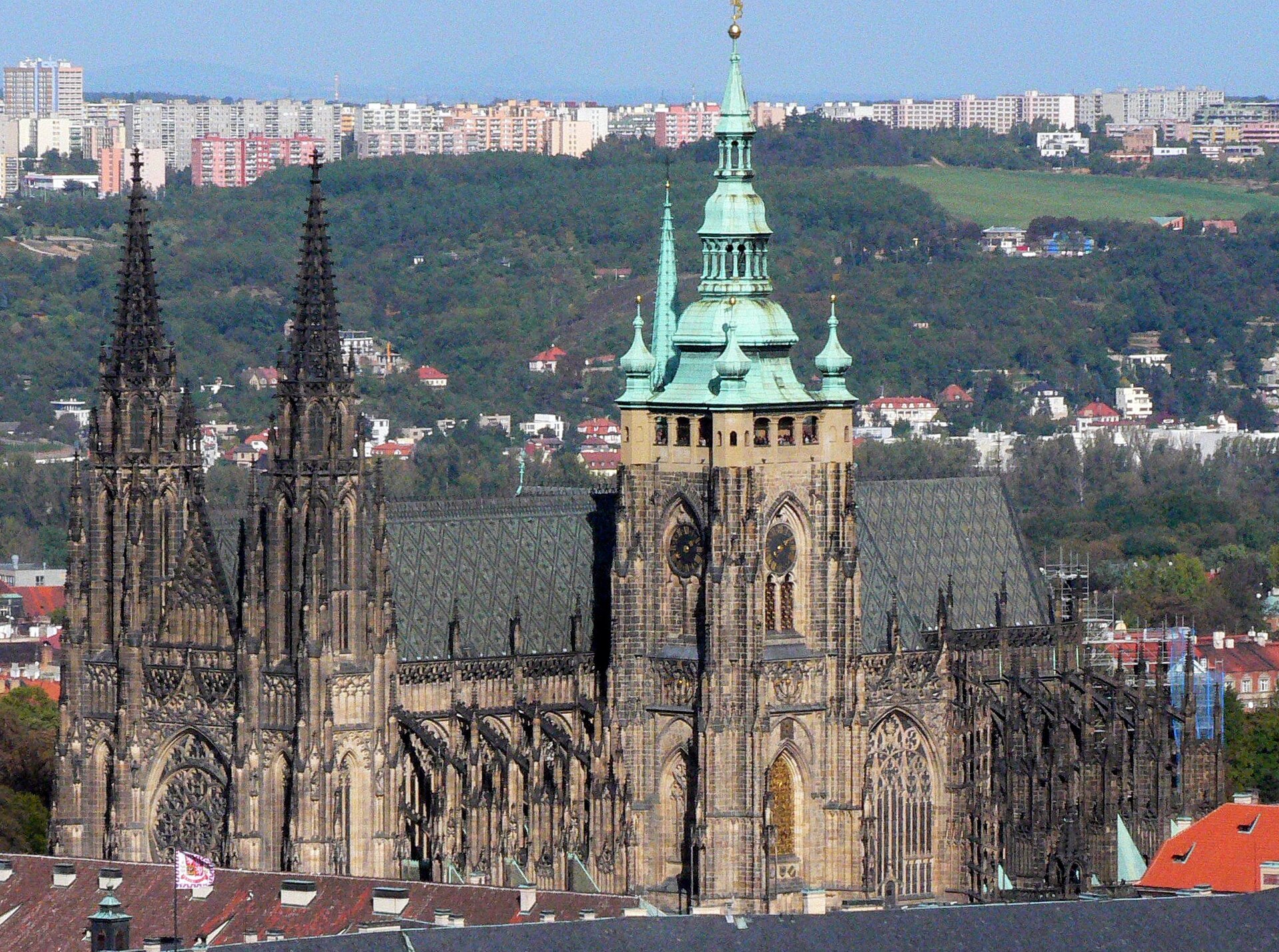
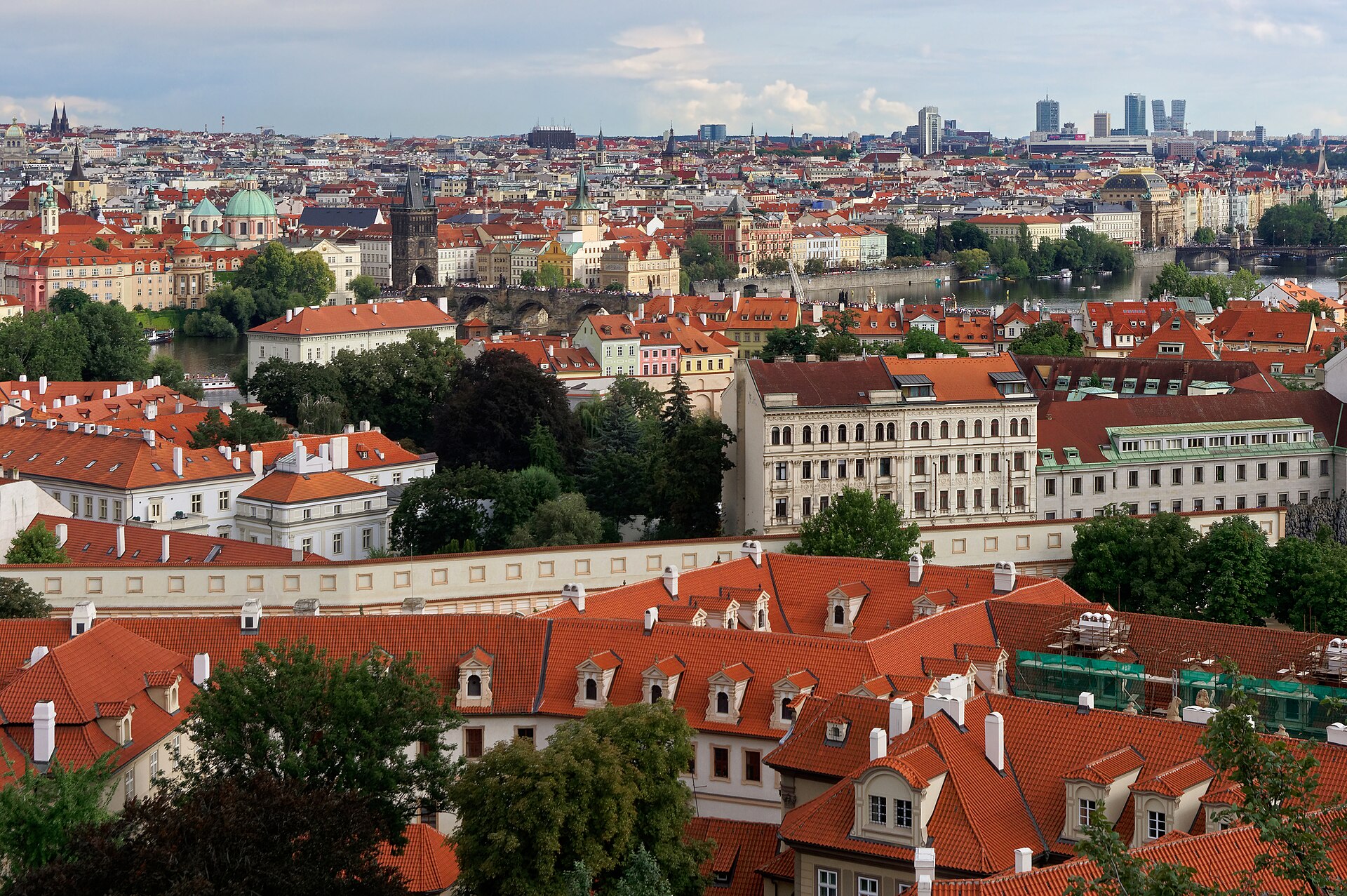
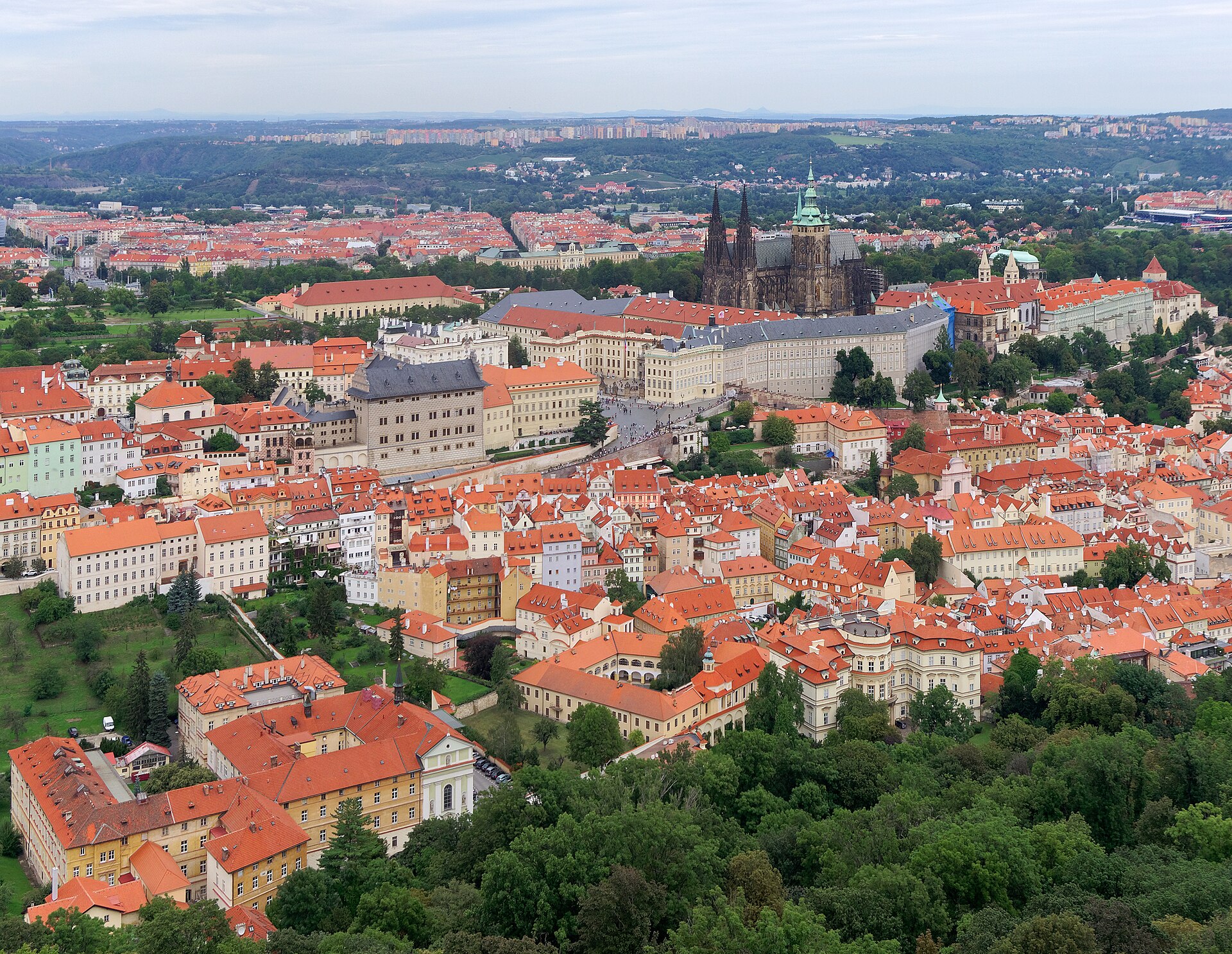
Prague rewards the slow walker. The city's stone bridges, Gothic spires, and Baroque facades have survived enough history — empire, occupation, revolution — that simply standing on the Charles Bridge at dawn, before the crowds arrive, puts you in conversation with seven centuries of foot traffic.
At its core are four medieval towns that were only merged into one city in 1784: the Old Town, Malá Strana, Hradčany, and the New Town laid out by Charles IV himself in 1348. They still feel distinct. Getting lost between them is less a risk than a method.
💛 What travellers fall for
People who come back tend to leave the castle complex for a weekday morning and linger in the gardens afterward. They eat lunch somewhere on Malá Strana rather than Old Town Square. And they make at least one evening trip up Petřín Hill, where the city spreads out below the 1891 steel tower in a way no street-level view quite prepares you for.
How Prague came to be
The city began on a promontory above the Vltava, where Prince Bořivoj built the first Prague Castle around 880. By the early 10th century, merchants from across Europe were trading at its foot. The bishopric followed in 973, and the first stone bridge — the Judith Bridge — crossed the river by 1170, though a flood took it down in 1342.
The 14th century reshaped everything. Charles IV, born in Prague in 1316, founded Central Europe's first university here in 1348, laid out the New Town, and commissioned the Charles Bridge in 1357. When he was crowned Holy Roman Emperor in 1355, Prague became the empire's capital. Six centuries later, in November 1989, the city was where the Velvet Revolution began — and where Václav Havel was elected president in the democratic elections that followed.
Who and what shaped it
People who shaped it
Landmark buildings
See Prague in motion
Plan your visit
On the map
When to go
Summers are warm and long-daylit, winters cold and often grey, with occasional snow that makes the castle district look like a different city entirely. April, May, September, and October offer mild temperatures and thinner crowds — the best conditions for spending real time on foot.
Right now
Background & history adapted from Wikipedia (CC BY-SA) · specs from Wikidata (CC0) · weather from Open-Meteo · map data © OpenStreetMap contributors · photos from Wikimedia Commons / Unsplash with per-image credit. No third-party reviews or social posts reproduced.