
Porto Cervo
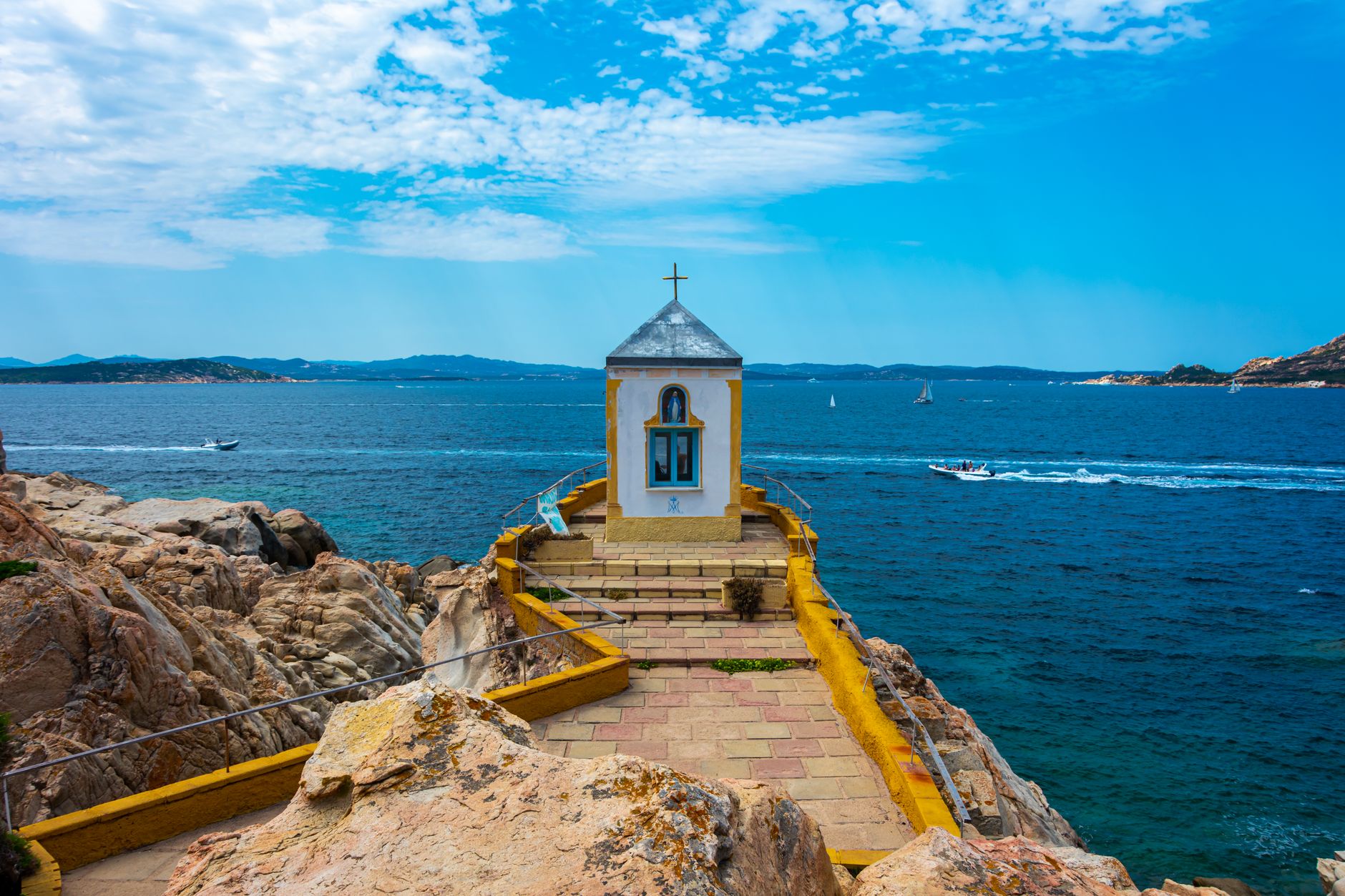
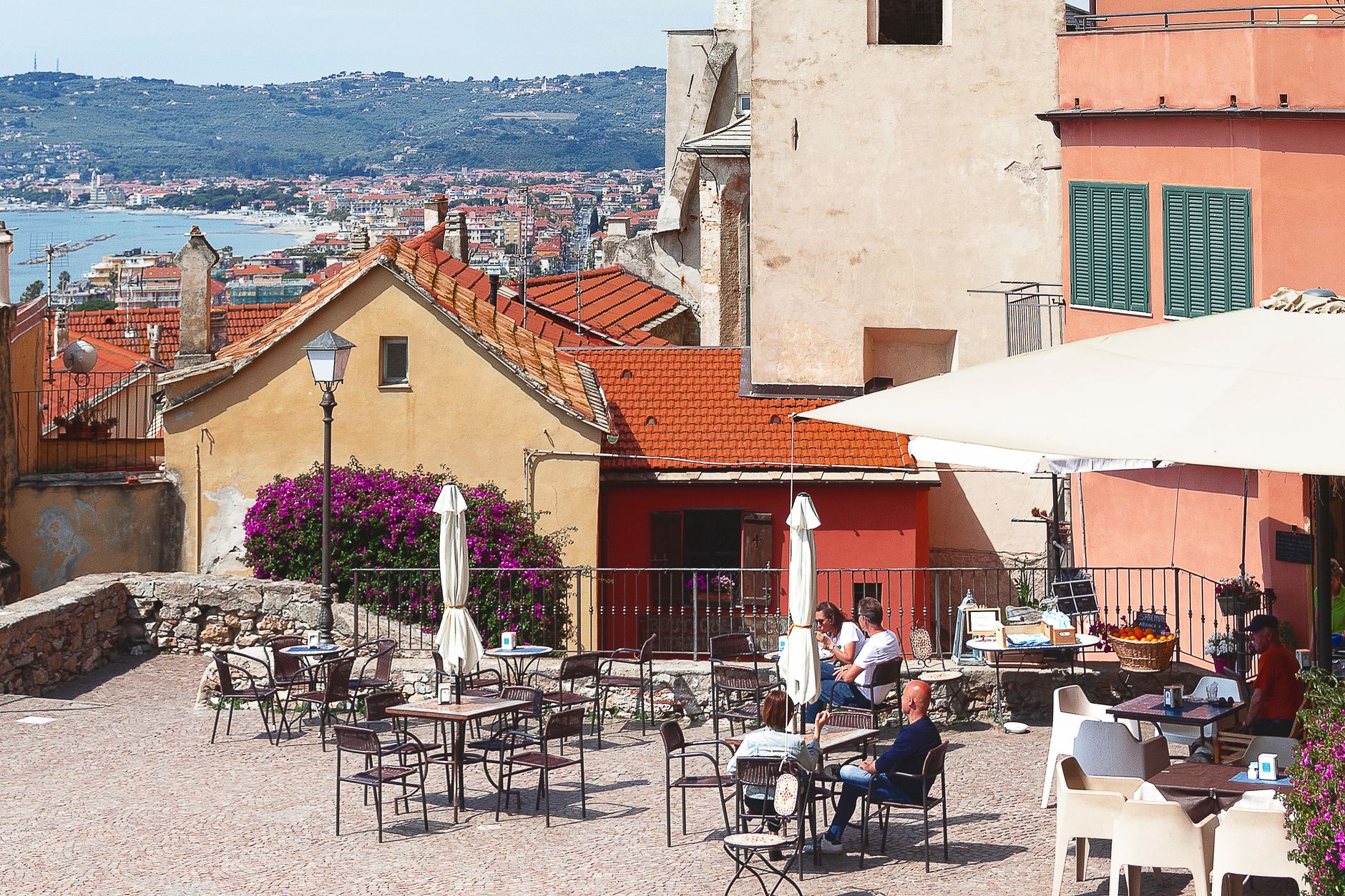
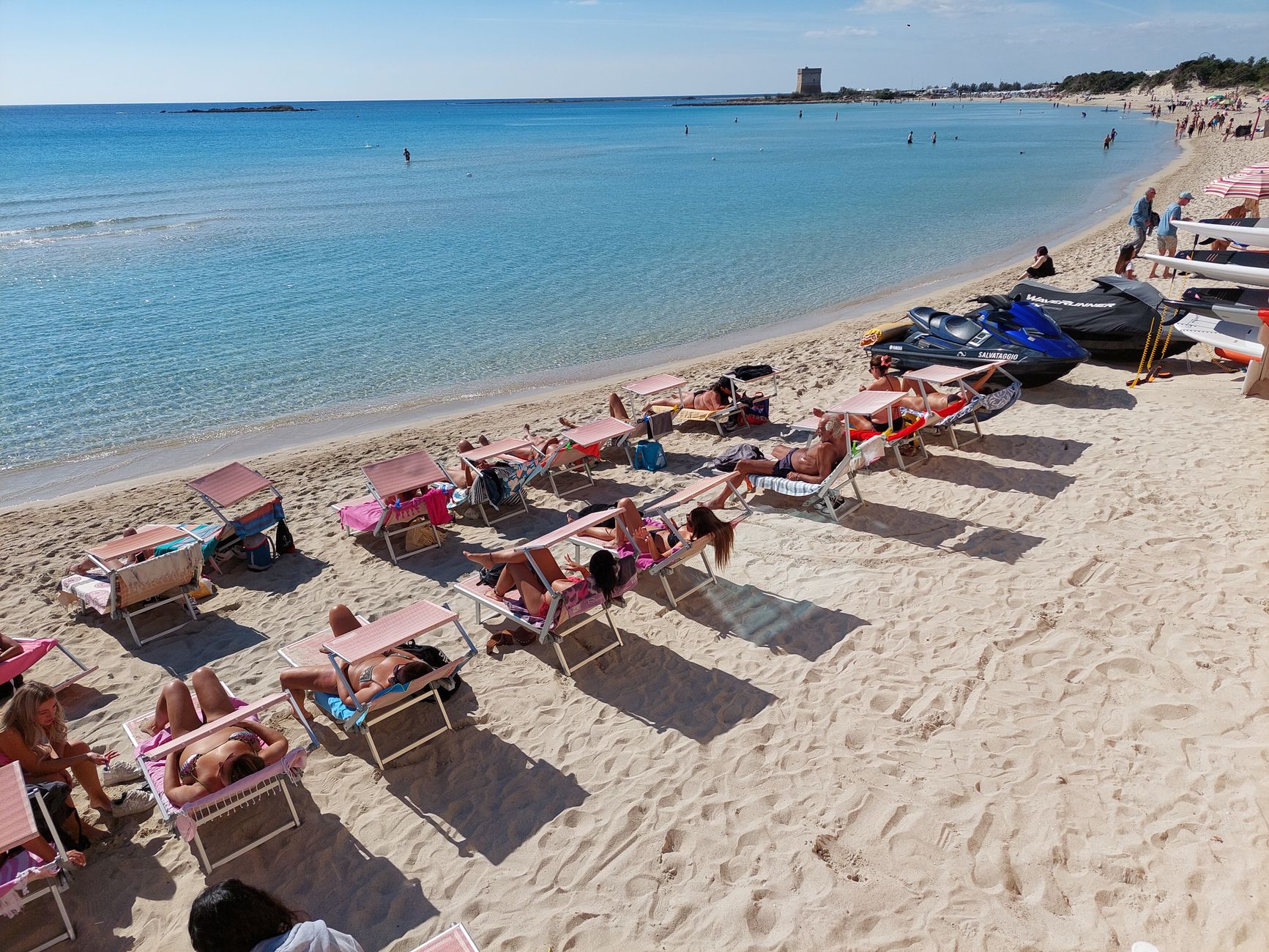
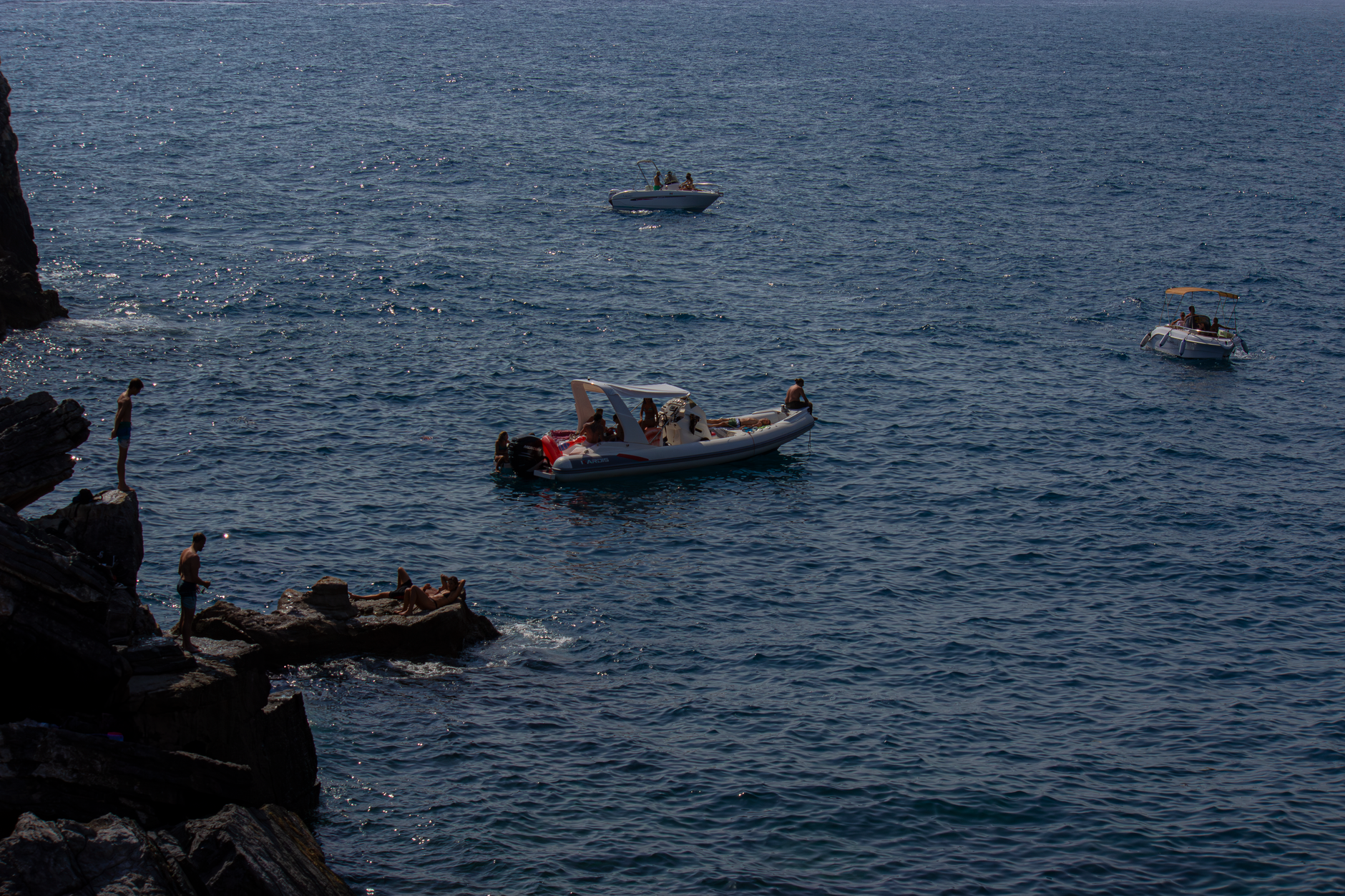
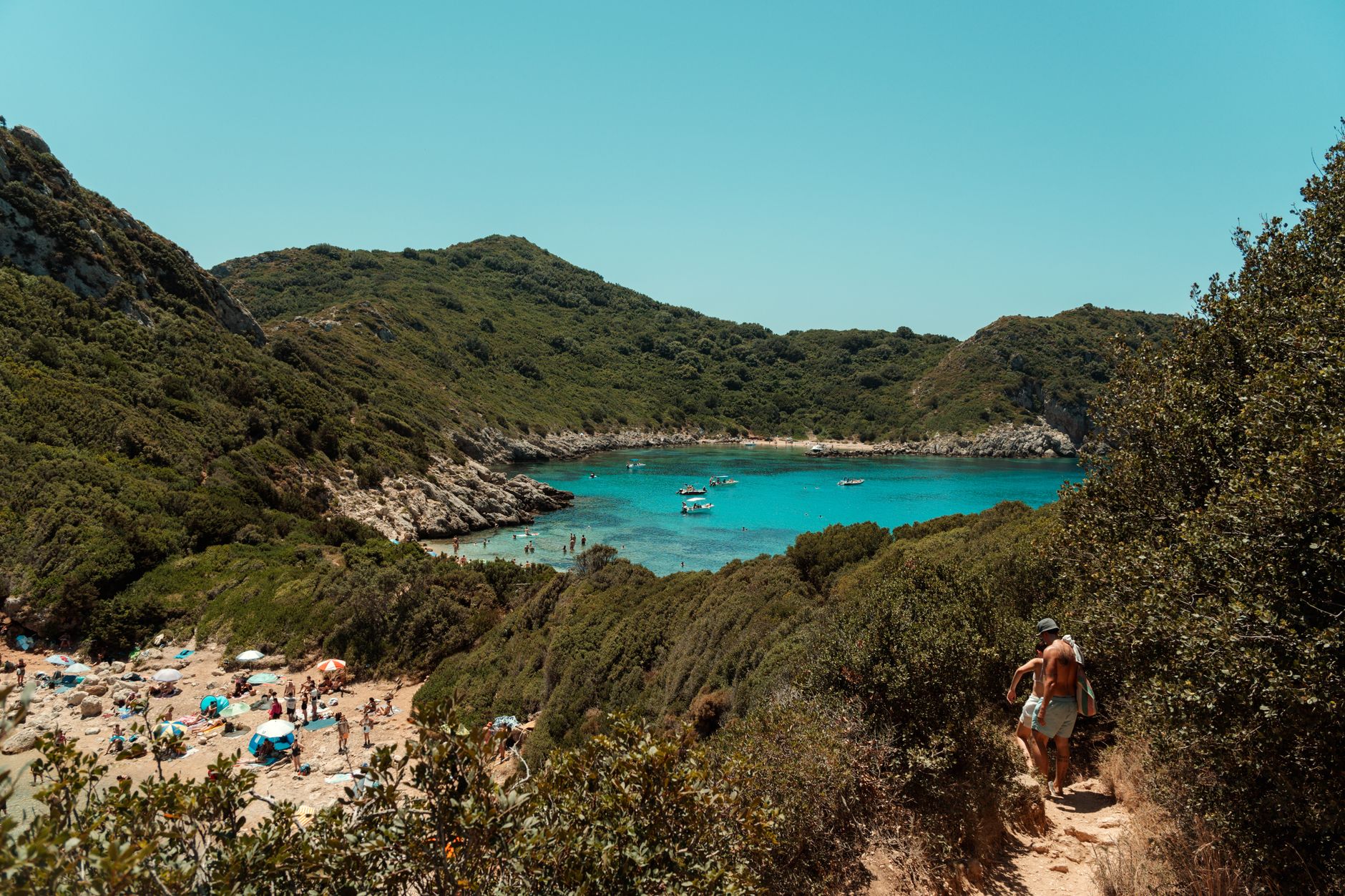
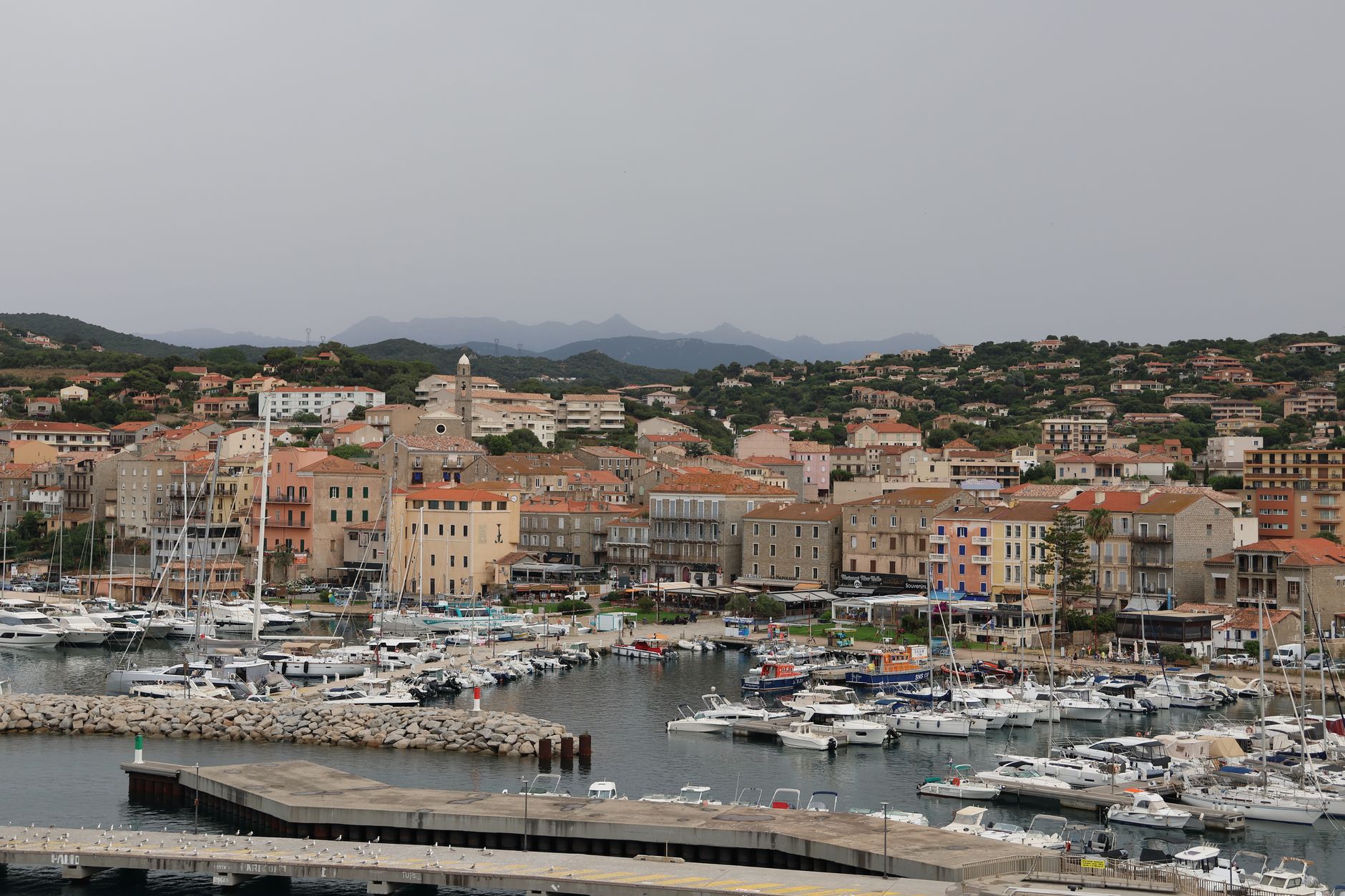
Porto Cervo exists because one man looked at a wild, roadless stretch of Sardinian coastline in the early 1960s and decided to build a world from scratch. Prince Karim Aga Khan IV commissioned architects Luigi Vietti, Jacques Couelle and Michele Busiri Vici to shape something that looked, at least in silhouette, as though it had always been there — low-slung, ochre-washed, clustered around a harbor where the water runs an unlikely shade of green.
Today the permanent population hovers around 421 people, a number that balloons every July into something closer to a floating city of megayachts. The Piazzetta, designed by Vietti, overlooks the old port and draws an evening crowd that makes the geometry of wealth feel oddly theatrical. Come for the architecture, the golf course Robert Trent Jones carved into the macchia in 1972, or simply the light on granite.
💛 What travellers fall for
People who return tend to time it for late June, just before the full summer surge, when the marina fills without overwhelming and you can still get a table at the bars around the Piazzetta without a wait. The Stella Maris church — cone tower, Pinuccio Sciola sculpture — is worth the short walk up, early morning, before the heat settles in.
Deals in Porto Cervo
Book directly at the provider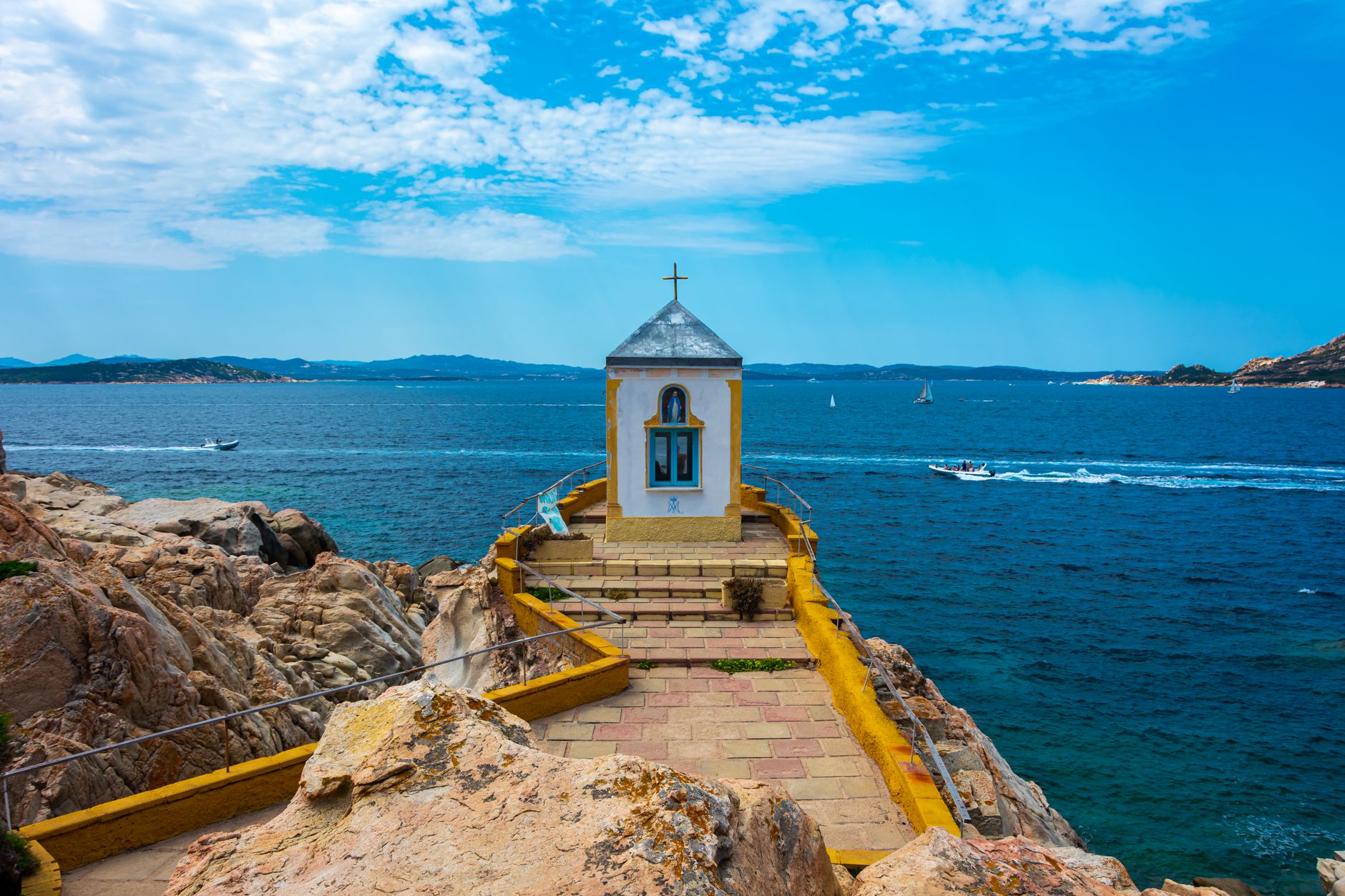
How Porto Cervo came to be
The story of Porto Cervo begins in 1962, when the Costa Smeralda Consortium formed around the Aga Khan's vision for the undeveloped northern Sardinian coast. By 1964 the town had a founding date, and by the mid-1960s Vietti's Cervo Hotel and the old fishing harbor were taking shape. Busiri Vici laid the foundation stone of the Stella Maris church in 1965; it was inaugurated in 1968. The whole project was a deliberate act of aesthetic control — the architects worked in a coordinated vernacular style to prevent the visual chaos that had overtaken other Mediterranean resorts.
The new tourist port came later, built out through the 1980s to its current capacity of 700 berths, 100 of them reserved for megayachts. In 1977 the harbor appeared as a filming location in The Spy Who Loved Me. In 1998 Flavio Briatore opened the Billionaire Club, cementing a particular chapter of the town's reputation that has proved harder to design away than anything the architects anticipated.
Who and what shaped it
People who shaped it
Landmark buildings
See Porto Cervo in motion
Plan your visit
On the map
When to go
June through September is dry and warm, with July highs around 30°C and sea temperatures reaching 24°C in August — good swimming from early summer onward. Outside that window the coast turns quiet and occasionally wet, with February the coolest month at around 14°C.
Background & history adapted from Wikipedia (CC BY-SA) · specs from Wikidata (CC0) · weather from Open-Meteo · map data © OpenStreetMap contributors · photos from Wikimedia Commons / Unsplash with per-image credit. No third-party reviews or social posts reproduced.