
Portixol
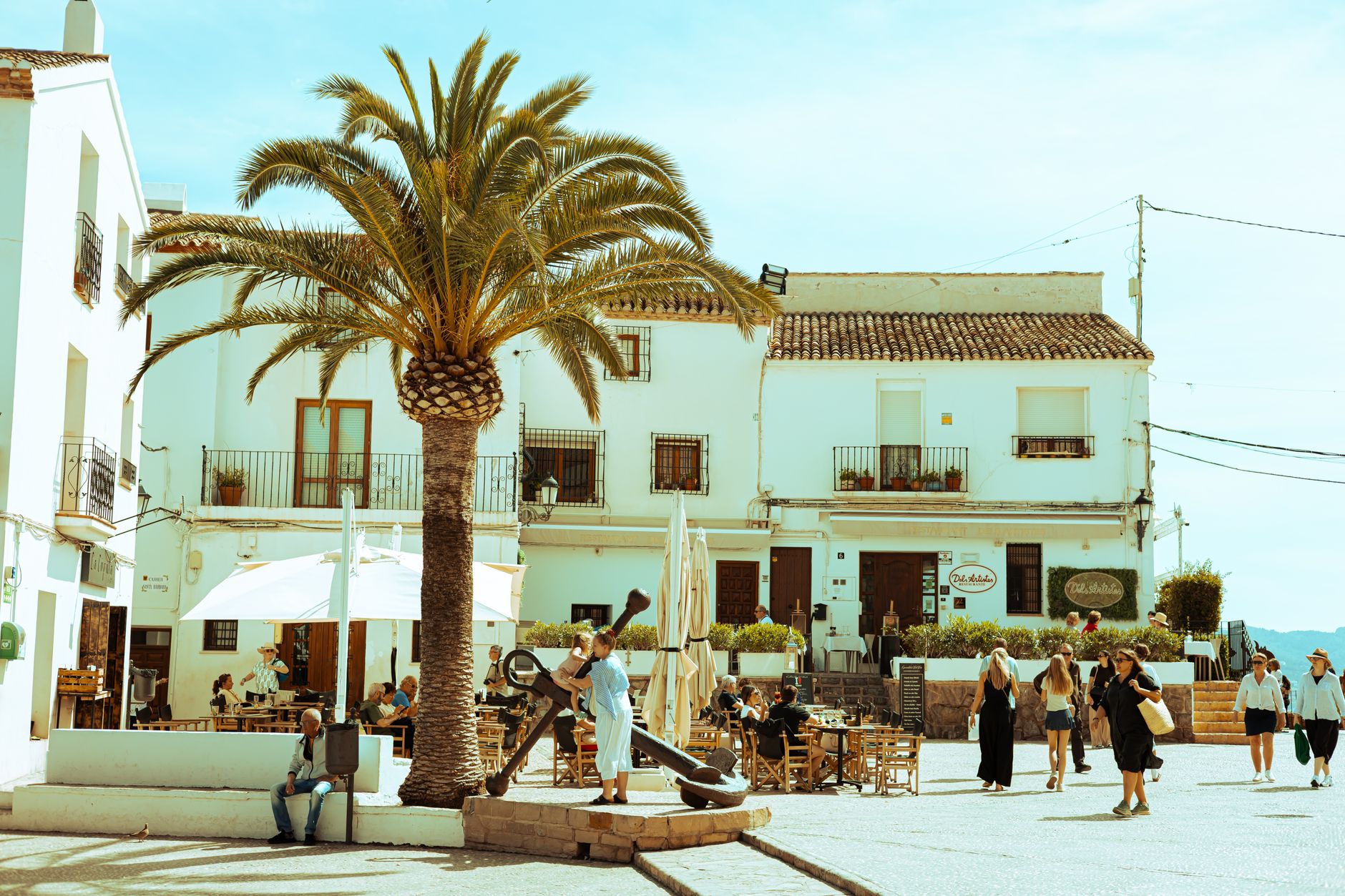
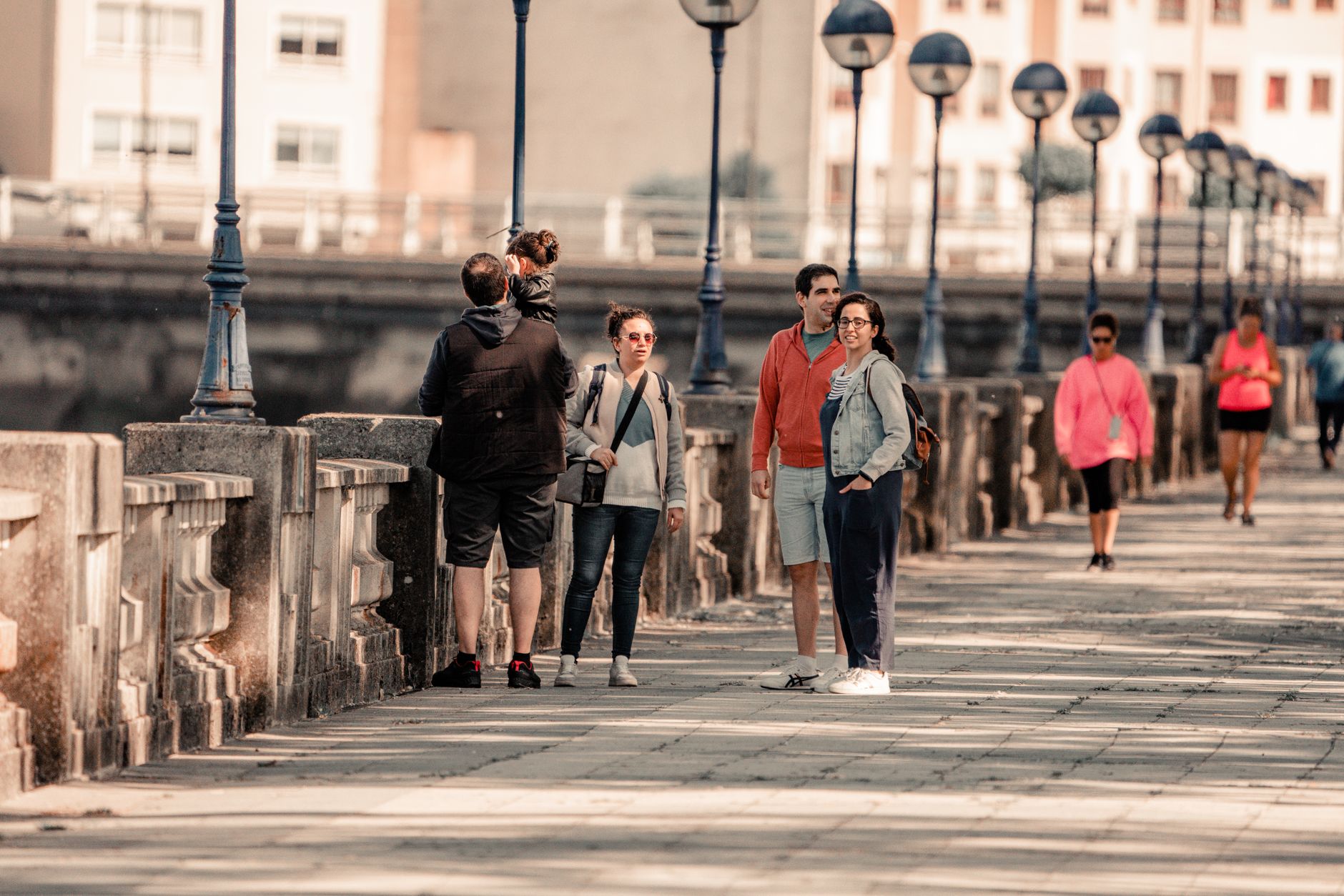
The name Portixol translates from Mallorcan as 'port and sun', and the place lives up to both words. It sits just east of Palma proper — technically the neighbourhood of El Molinar — a low-rise strip of one and two storey fishermen's cottages running down to a sheltered bay where the water stays calm enough for early-morning canoe trips.
There's no town square, no obvious centre. Shops and restaurants scatter themselves loosely along the seafront, and the promenade stretches south toward Cala Gamba, used daily by cyclists, skaters and runners who treat it as their own. The rhythm here is unhurried: a sundowner beer, a shared bottle of wine, the light going gold over the harbour.
💛 What travellers fall for
People who keep coming back tend to arrive early for the water — SUP boards out before the heat builds, the bay glassy and nearly empty. Then a long lunch somewhere near the harbour, fish or seafood, nothing complicated. The walk along the promenade to Ciudad Jardín in the late afternoon earns the evening glass of wine.
Deals in Portixol
Book directly at the provider

How Portixol came to be
Portixol grew up around windmills and fishing in the late eighteenth century, a village at a remove from Palma rather than a part of it. The windmill Molí del Portitxol still stands. In 1920 the electric tramway connected El Molinar de Llevant to the city, pulling the neighbourhood closer into Palma's orbit without quite dissolving its separate character.
For most of the twentieth century the area had a rough reputation. It was the arrival of early-mover residents — and eventually Hotel Portixol, opened by Swedish businessman Mikael Landstrom — that shifted perception. The Club Náutico Portixol, founded around 1928, has watched all of it. The parish church of Nostra Senyora del Remei, built in 1928 on the site of an 1850 chapel, still anchors the landward edge of the neighbourhood.
Who and what shaped it
People who shaped it
Landmark buildings
See Portixol in motion
Plan your visit
On the map
When to go
Mallorca's summers are long, dry and hot — Portixol's sheltered bay makes it a reasonable place to be even in August, with sea breezes and calm water. Spring and autumn bring mild temperatures and far fewer people, which suits the neighbourhood's pace better anyway.
Right now
Background & history adapted from Wikipedia (CC BY-SA) · specs from Wikidata (CC0) · weather from Open-Meteo · map data © OpenStreetMap contributors · photos from Wikimedia Commons / Unsplash with per-image credit. No third-party reviews or social posts reproduced.