
Polanco
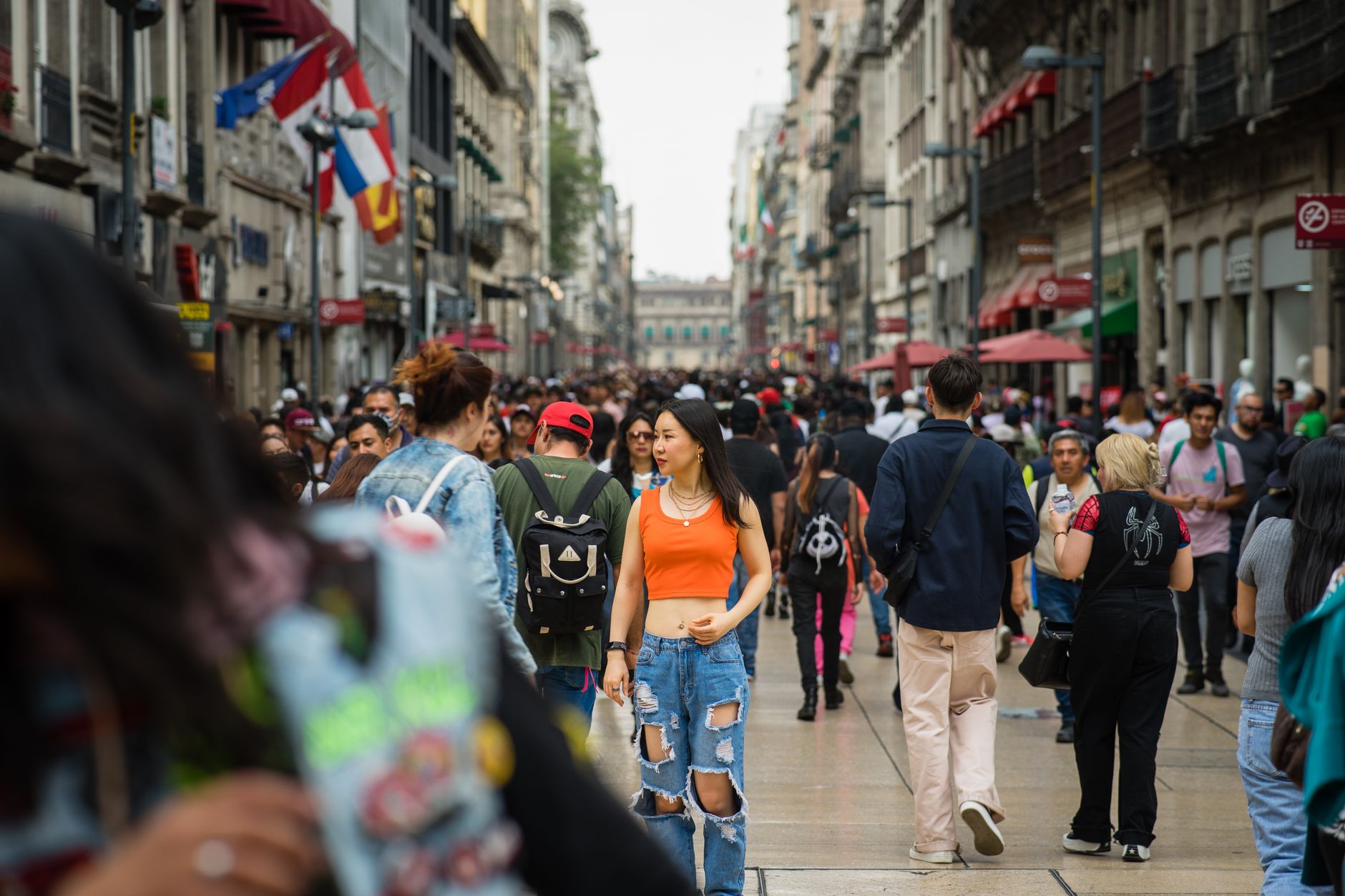
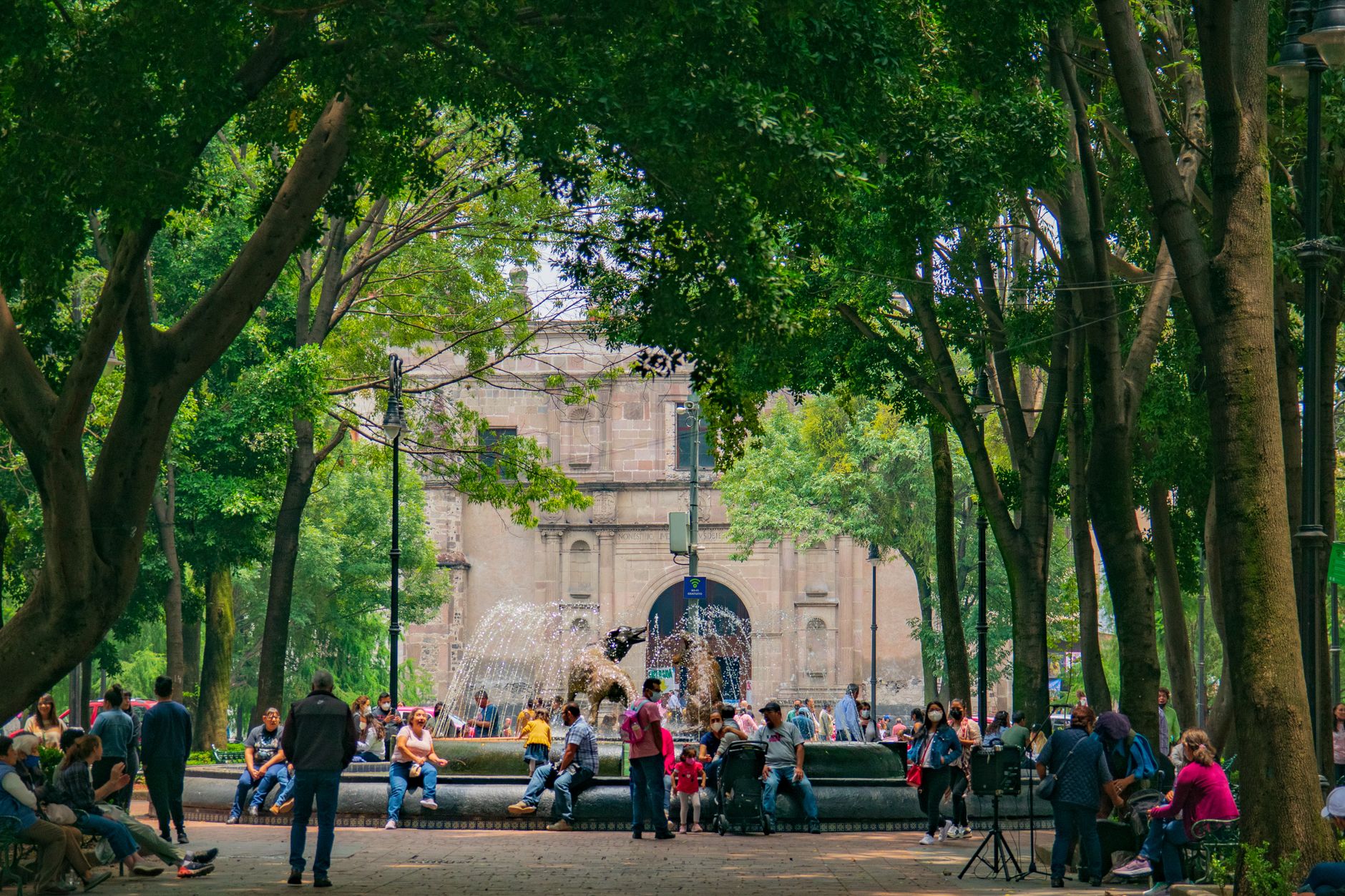
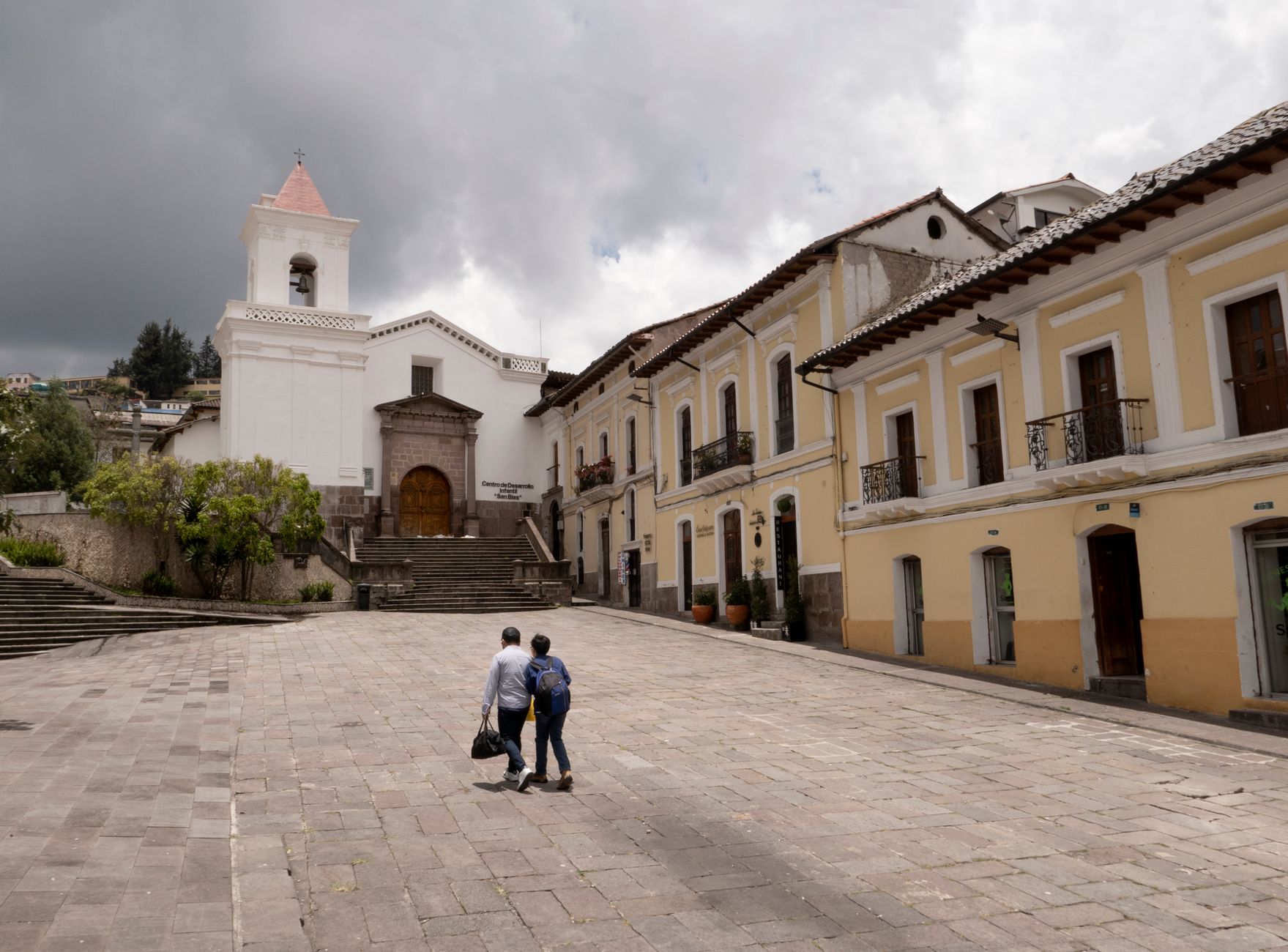
Polanco is where a Luis Buñuel mansion sits a few blocks from the shiniest department store in Latin America, and somehow neither feels out of place. The neighborhood occupies a strip of western Mexico City that runs along the northern edge of Chapultepec Park, and its streets hold an unlikely mix: the National Museum of Anthropology, a clock tower in a park full of peacocks, two world-class free museums facing each other across a plaza, and Presidente Masaryk Avenue — the most expensive stretch of real estate in the country.
It earned that status slowly. What began as subdivided hacienda land in the 1930s became a residential enclave of California Mission-style houses, then a restaurant and embassy corridor after the 1985 earthquake reshuffled the city's geography. The version you walk through today is the result of all those layers landing on top of each other.
💛 What travellers fall for
People who come back tend to time the museums back to back — Soumaya opens at 10:30, Jumex a half-hour earlier, both free, both walkable from Plaza Carso. After that, Parque Lincoln for coffee from one of the vendors near the aviary, before Masaryk fills up with lunchtime traffic.
Deals in Polanco
Book directly at the provider

How Polanco came to be
The name comes from the Polanco ranch, part of the old San Juan de los Morales hacienda, whose lands were divided up in the 1930s. Developer Raúl Basurto promoted the first urbanization north of the Polanco River — 18 hectares of new streets laid out for single-family homes. Through the 1940s, those homes went up in the Colonial Californiano style, a Mexican interpretation of the Mission Revival architecture then popular across the American Southwest. The first department store arrived in the 1960s, and the neighborhood's commercial character began to take shape.
The 1985 earthquake proved to be the sharper turning point. As Zona Rosa lost its footing, embassies, restaurants and corporate offices migrated west into Polanco, pulling money and prestige with them. The Palacio de Hierro flagship and, later, the Soumaya and Jumex museums cemented a neighborhood that is simultaneously residential, diplomatic, and one of the more serious concentrations of contemporary art in Latin America.
Who and what shaped it
People who shaped it
Landmark buildings
See Polanco in motion
Plan your visit
On the map
When to go
Mexico City sits at 2,240 metres, which keeps Polanco mild year-round — warm afternoons in the low-to-mid 20s Celsius for most of the year, cool evenings even in summer. The rainy season runs roughly May through October, with afternoon downpours that clear quickly; a light layer and a willingness to duck into a museum for an hour is usually enough.
Right now
Background & history adapted from Wikipedia (CC BY-SA) · specs from Wikidata (CC0) · weather from Open-Meteo · map data © OpenStreetMap contributors · photos from Wikimedia Commons / Unsplash with per-image credit. No third-party reviews or social posts reproduced.