
Playa del Carmen
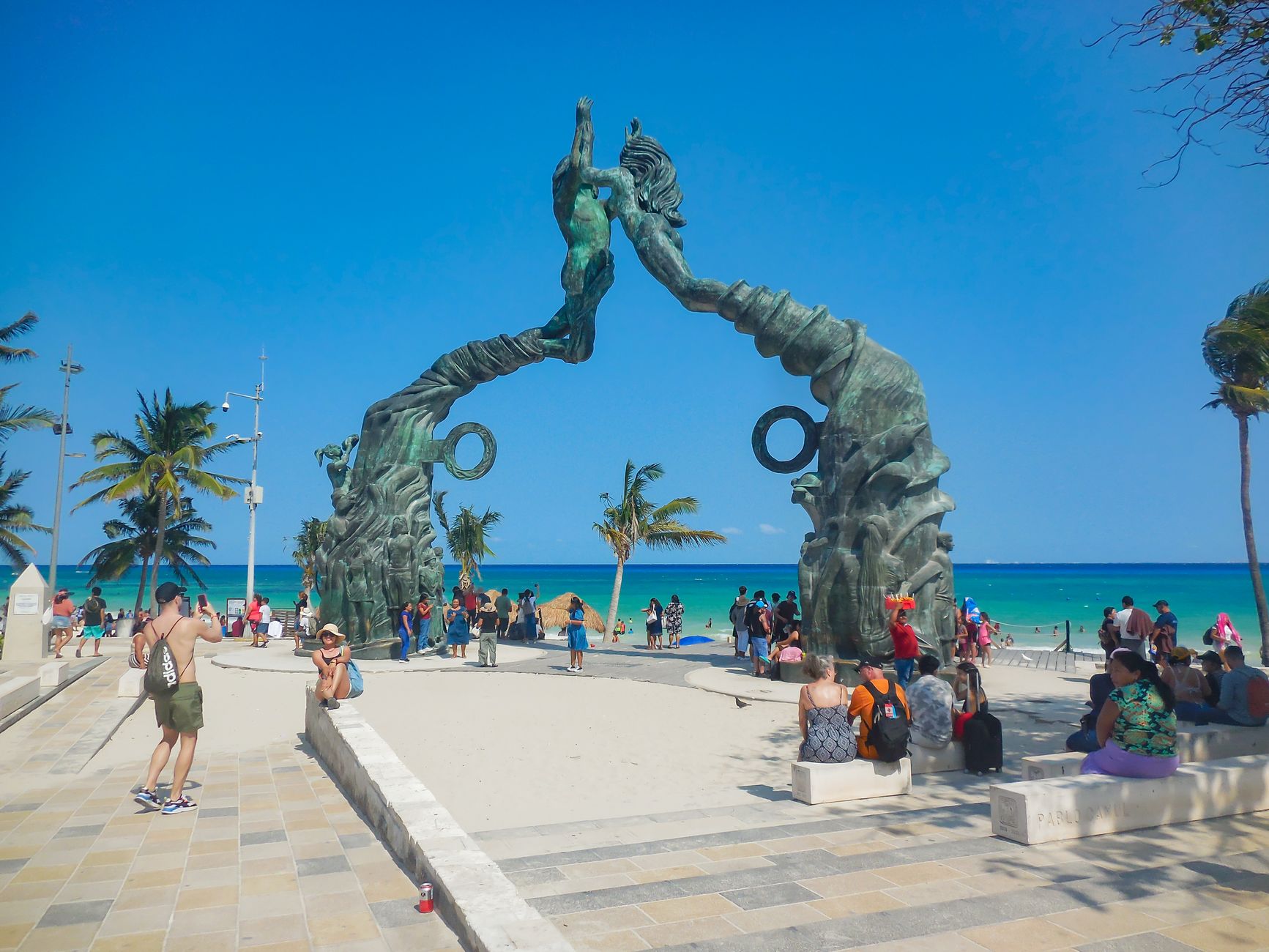
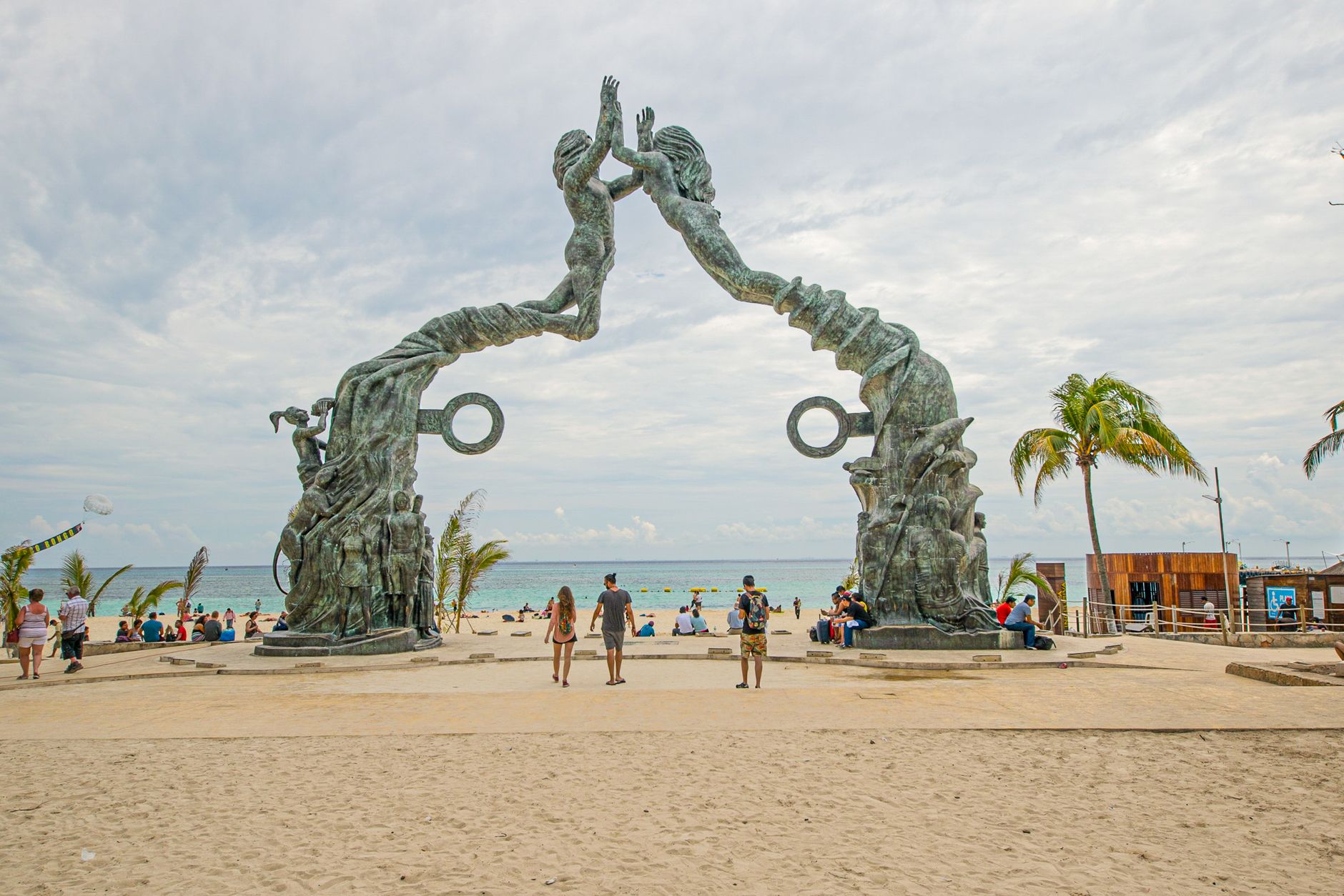
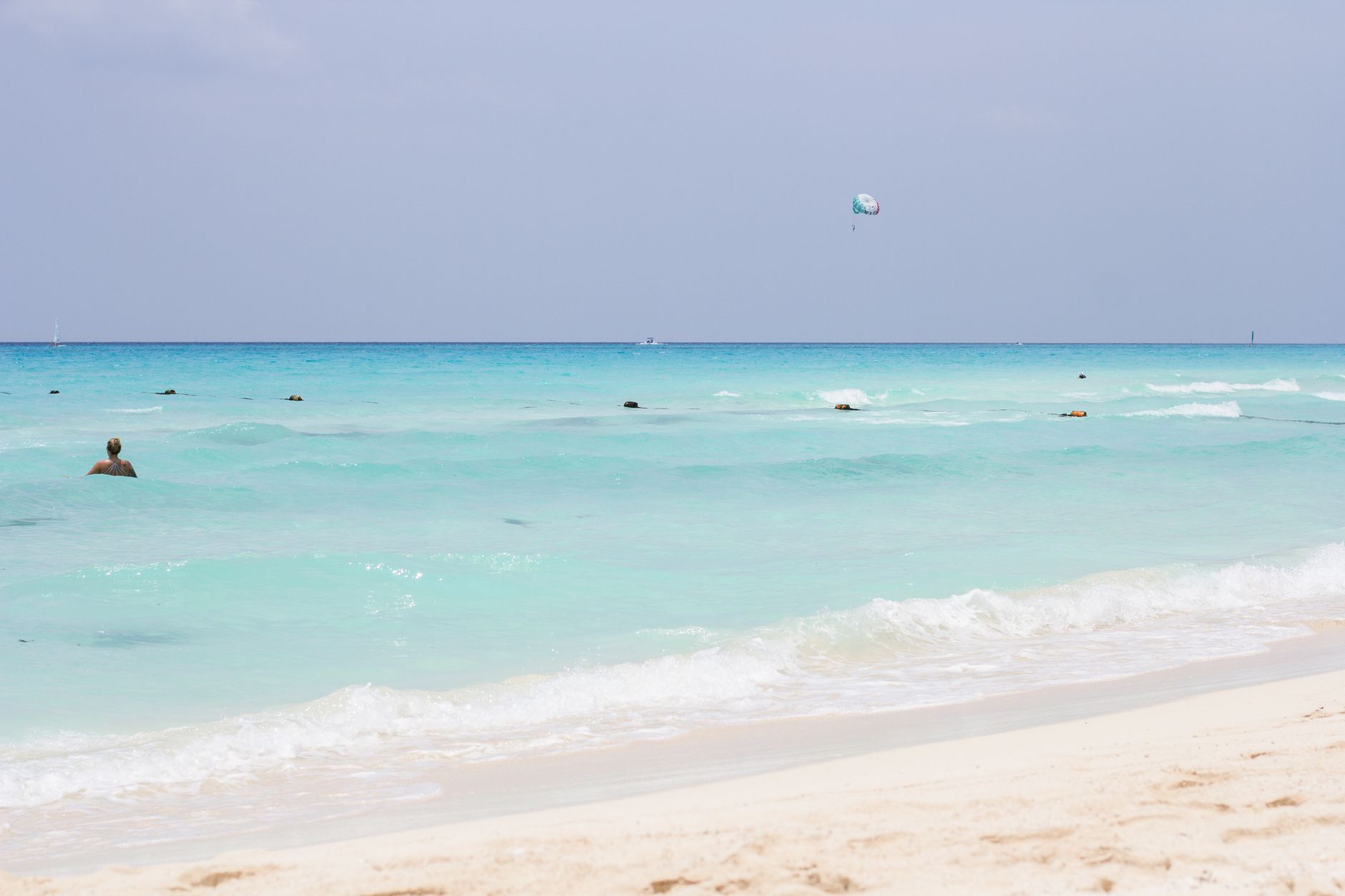
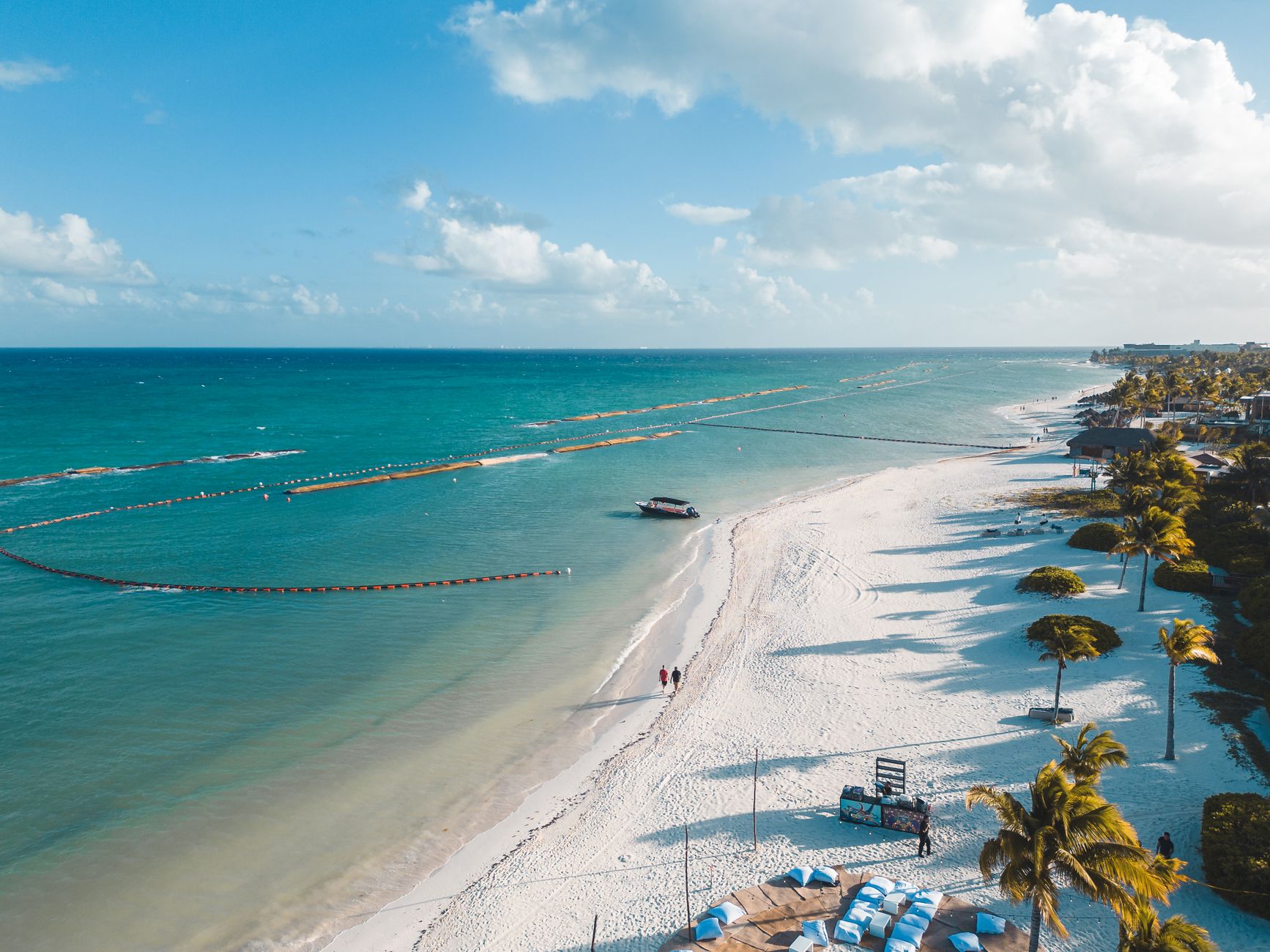
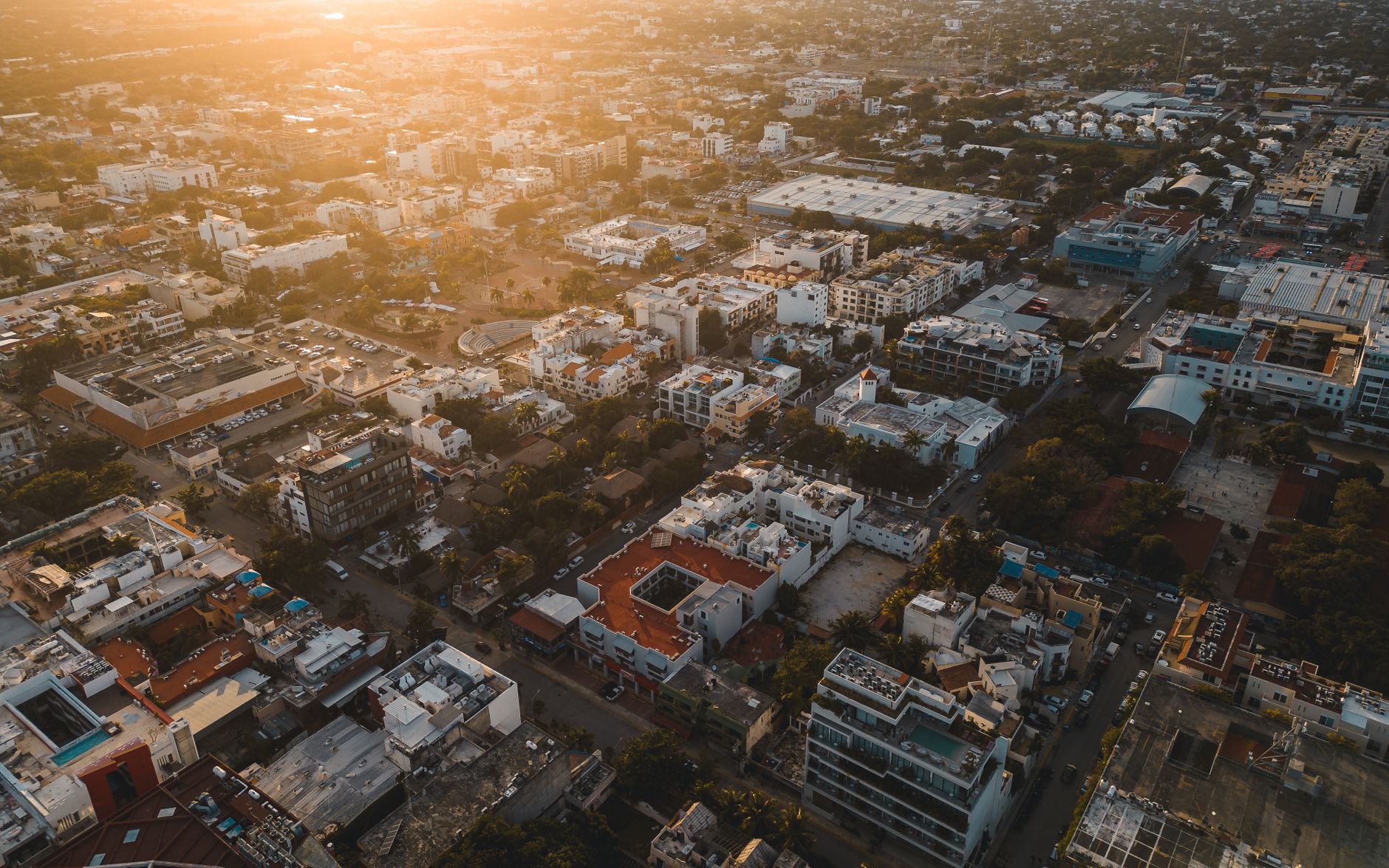
Walk Quinta Avenida on a Tuesday morning before the cruise ships empty out and you get the real measure of the place: the five-kilometre pedestrian strip still smells of fresh tortillas, the three-storey building cap keeps the sky open above you, and the Caribbean sits at the end of every cross-street like a blue punctuation mark. Playa del Carmen is not a resort in the traditional sense — it has a working grid, a bus terminal, neighbours who argue over parking.
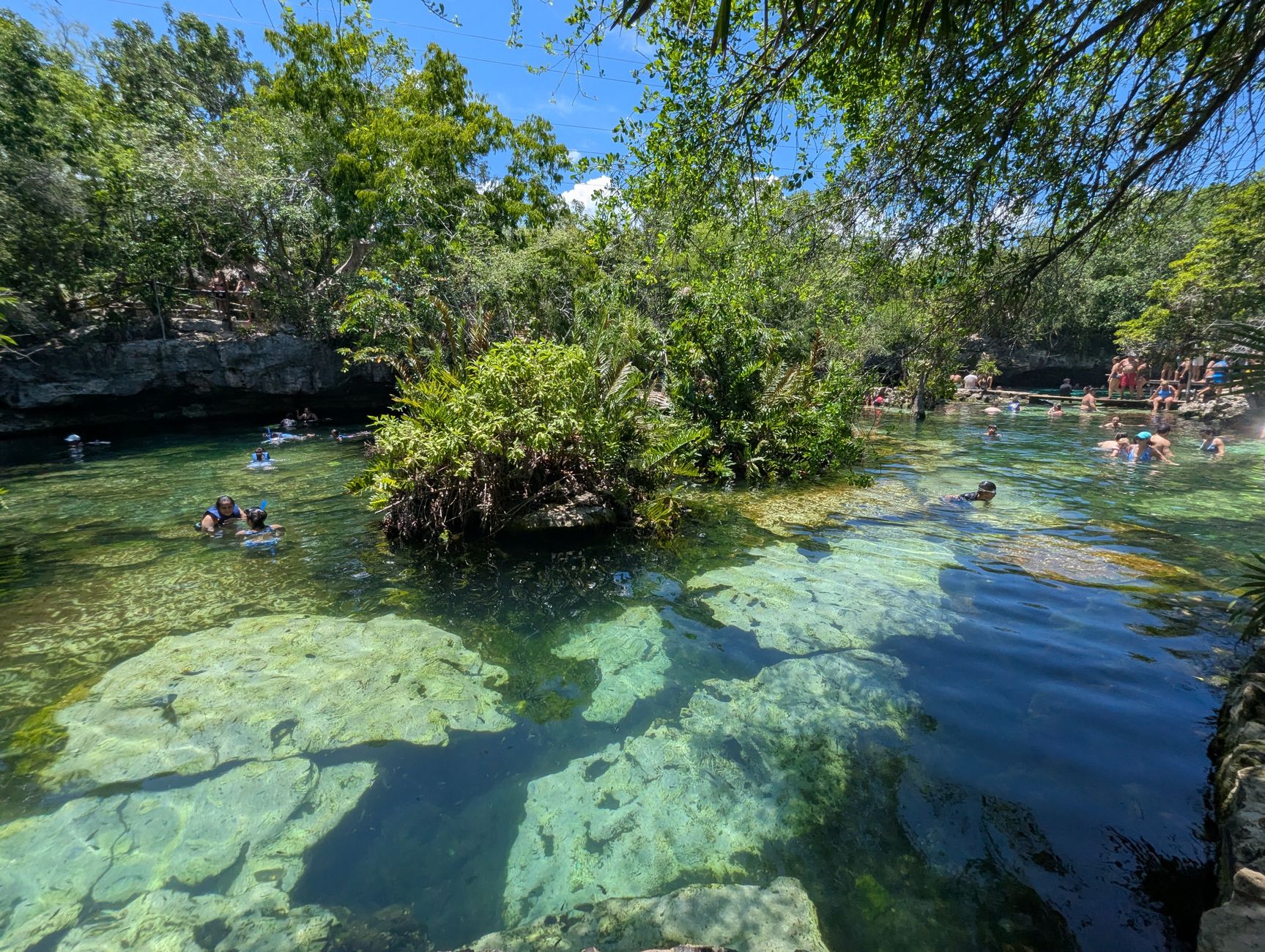
Below the surface, literally, the town sits on one of the world's largest underground river systems. Rio Secreto, a cave network a local farmer stumbled into in 2004, threads beneath the jungle just outside town. The city above ground is young and fast-moving; the geology beneath it is ancient beyond reckoning.
💛 What travellers fall for
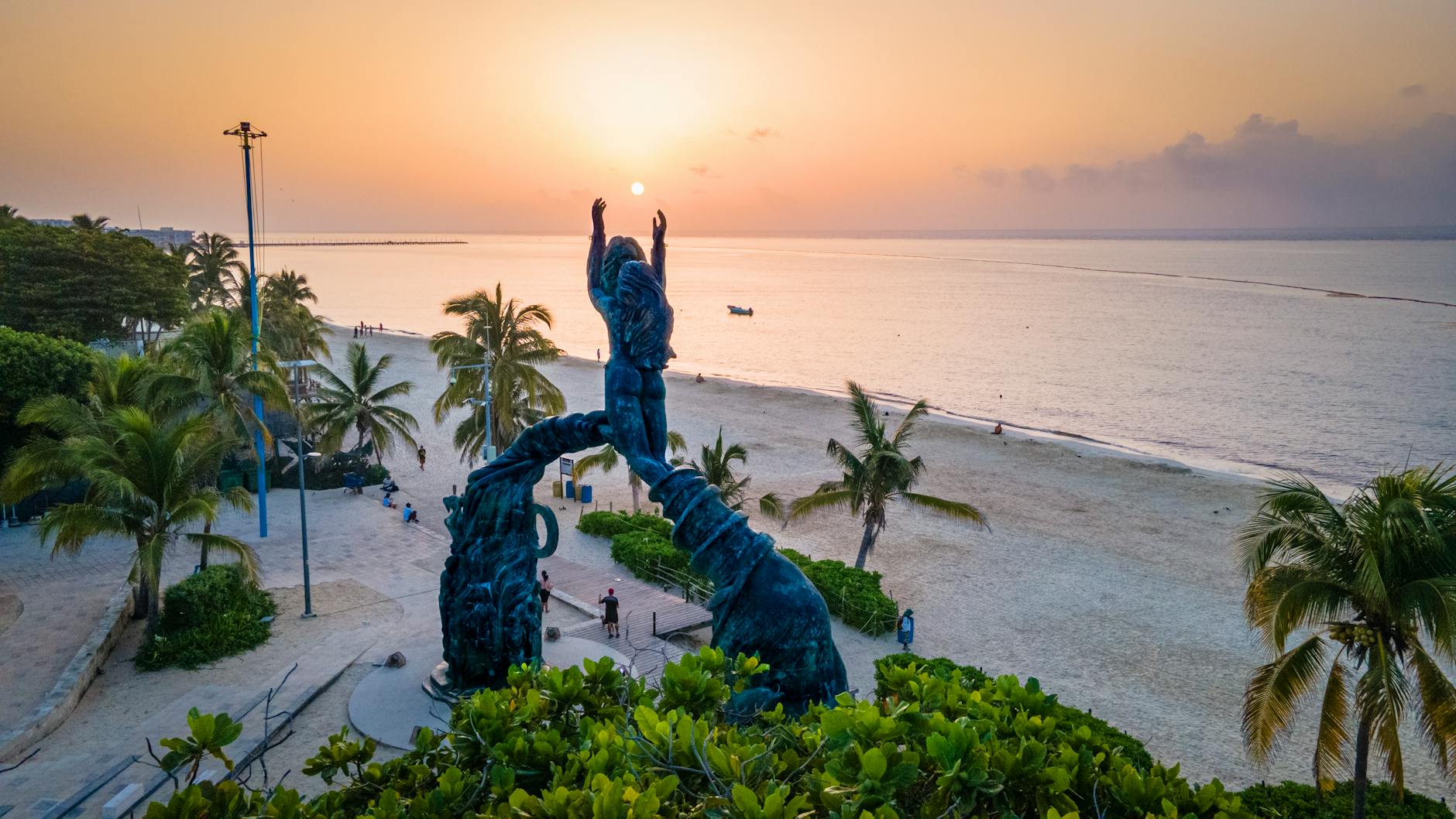
People who come back tend to sort out the beach situation early: Playa Mamitas for the sound system and the scene, Punta Esmeralda when you want to read a book without someone offering you a cocktail. They also learn to catch the ADO bus from Cancún airport rather than a taxi — under ten dollars, runs every half hour, drops you a block from Fifth Avenue.
Deals in Playa del Carmen
Book directly at the provider

How Playa del Carmen came to be
Long before the 1902 founding date on the municipal record, this stretch of Caribbean coast was Xaman Ha — 'waters of the north' in Mayan — a waypoint for traders moving along the Yucatán shore. Spanish settlers arrived in the 1500s and renamed it in honour of Our Lady of Mount Carmel, though for centuries it remained little more than a coastal clearing.
The modern city is almost entirely a creature of the late twentieth century. The first wooden dock went in around 1970, opening ferry service to Cozumel and nudging the place toward tourism. Development accelerated through the 1980s, and on July 28, 1993, Playa del Carmen became its own municipality. By 2020 the population had crossed 300,000 — a city conjured from a fishing village within a single human lifetime.
Who and what shaped it
Landmark buildings
See Playa del Carmen in motion
Plan your visit
On the map
When to go
November through May is dry and warm, with temperatures sitting between 22°C and 30°C — the kind of weather that asks nothing of you. June through October brings real rain and genuine heat (highs touching 33°C), and hurricane season runs through November, with August to October carrying the highest risk.
Right now
Background & history adapted from Wikipedia (CC BY-SA) · specs from Wikidata (CC0) · weather from Open-Meteo · map data © OpenStreetMap contributors · photos from Wikimedia Commons / Unsplash with per-image credit. No third-party reviews or social posts reproduced.