
Pilsen (Plzeň)
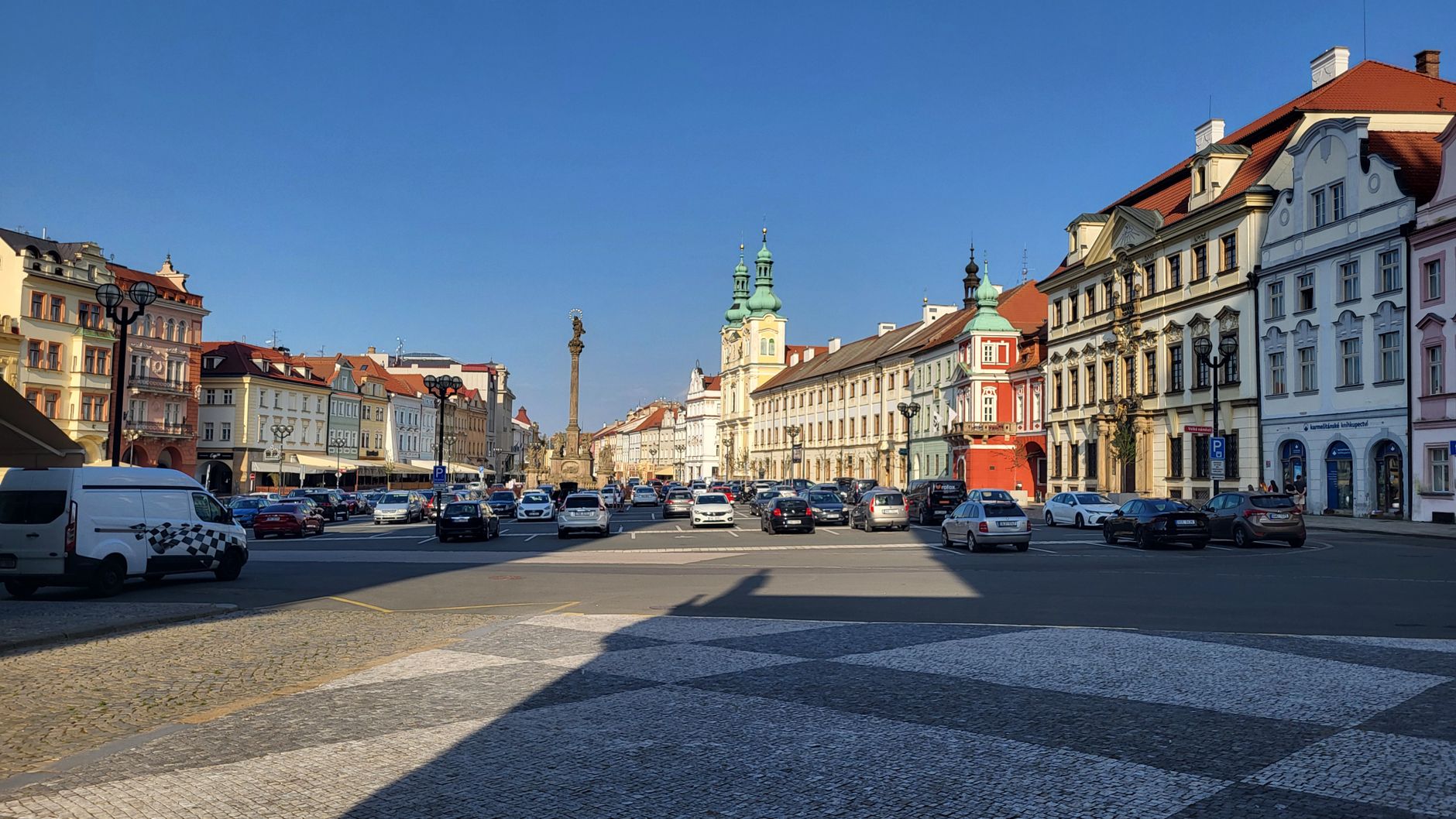
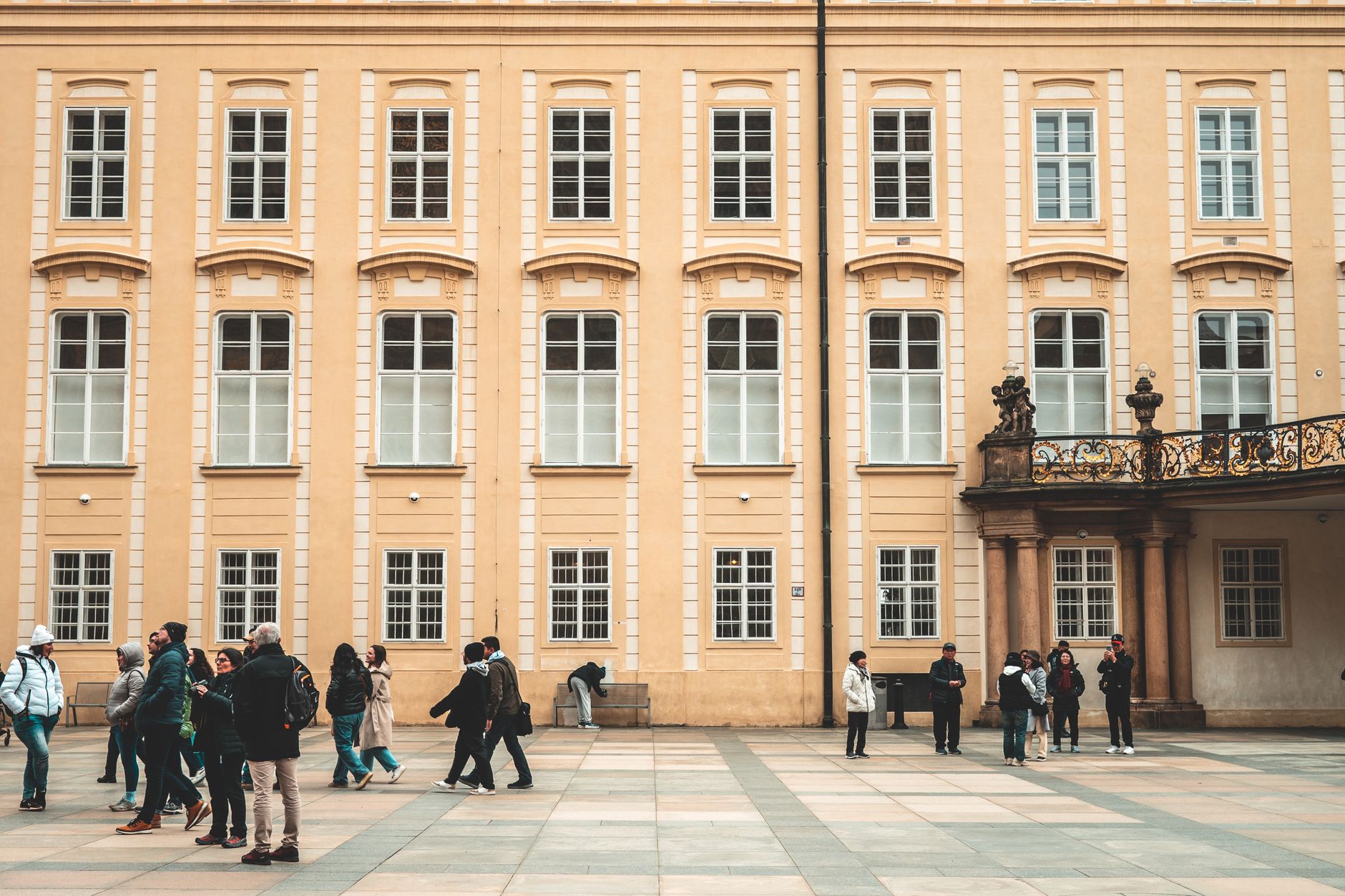
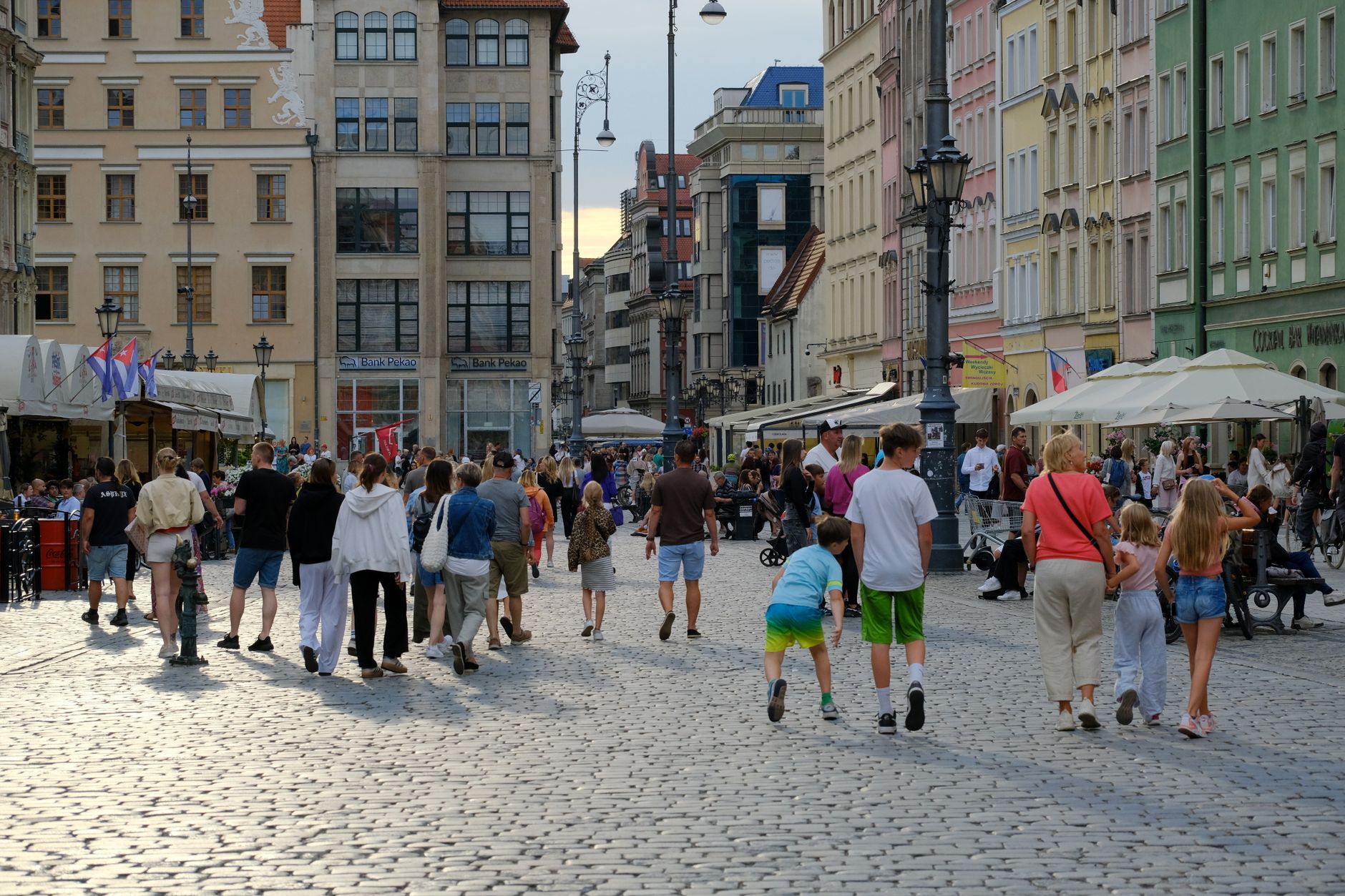
Pilsen announces itself through two things: a cathedral tower that tops out at 103 metres — the tallest in the Czech Republic — and the unmistakable malt-and-hops smell drifting from a brewery that has been operating on the same site since 1842. The city earned its place on the map long before either, founded in 1295 by King Wenceslaus II as a deliberate trading hub on the routes connecting Bohemia with Bavaria.
Today Pilsen holds its own without leaning too hard on the beer mythology. Adolf Loos left thirteen buildings here. The Great Synagogue, in Moorish-Romanesque style, is the third-largest in Europe. Twenty kilometres of medieval passageways run beneath the cobblestones. Prague is ninety minutes away by train, but Pilsen rewards the people who stay.
How Pilsen (Plzeň) came to be
Wenceslaus II founded New Plzeň in 1295 at the confluence of four rivers, deliberately positioning it as a trading town between Bohemia and Bavaria. By the fourteenth century it was the third-largest city in Bohemia, and its first recorded mention of beer brewing comes from 1307. The city-owned brewery that opened in 1839 hired a Bavarian brewer named Josef Groll, who on 5 October 1842 produced the first batch of what became the template for modern lager — a style now brewed in almost every country on earth.
Pilsen has seen larger forces pass through: Rudolf II held court here from 1599 to 1600, Baroque fortifications went up during the Thirty Years' War, and the US Army liberated the city in 1945. Emil von Škoda founded his engineering works here in the nineteenth century; the Škoda complex still occupies most of the city's western sector.
Who and what shaped it
People who shaped it
Landmark buildings
See Pilsen (Plzeň) in motion
Plan your visit
On the map
When to go
Summers are warm and generally good for walking the city centre, with temperatures in the low-to-mid twenties Celsius. Winters are cold and grey but rarely severe — the underground passageways and brewery tours make the off-season perfectly workable.
Right now
Background & history adapted from Wikipedia (CC BY-SA) · specs from Wikidata (CC0) · weather from Open-Meteo · map data © OpenStreetMap contributors · photos from Wikimedia Commons / Unsplash with per-image credit. No third-party reviews or social posts reproduced.