
Phu Quoc Town
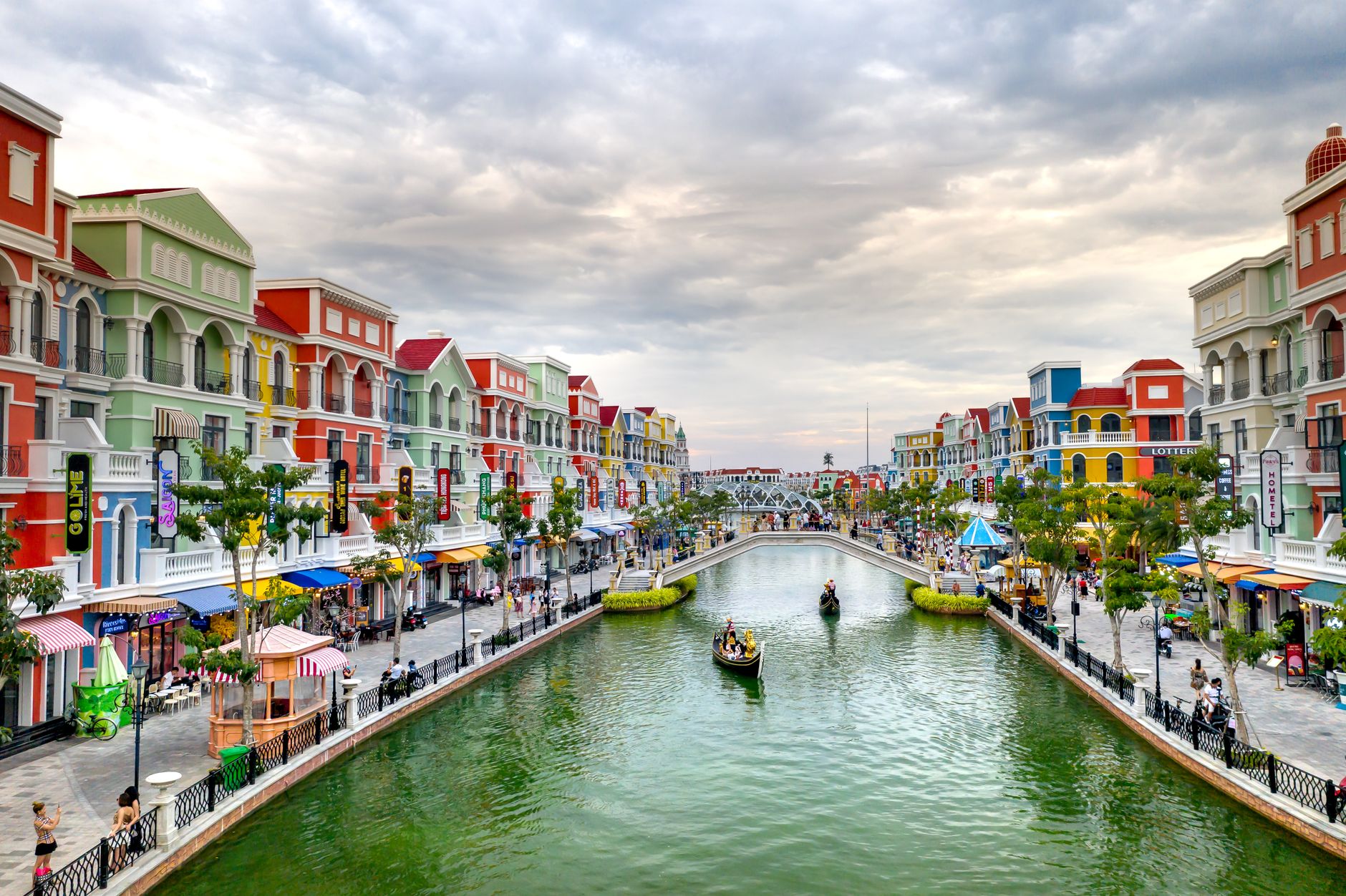
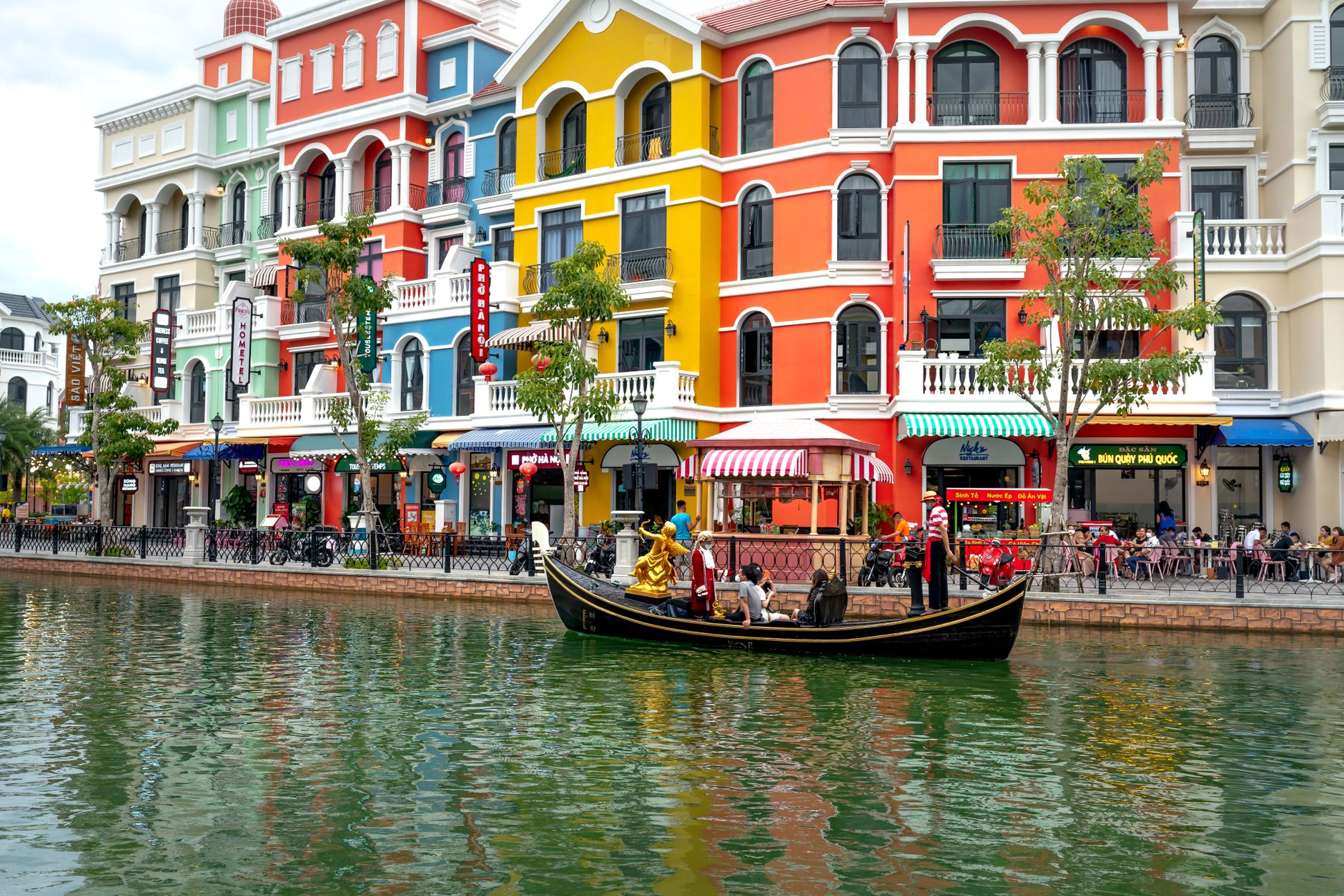
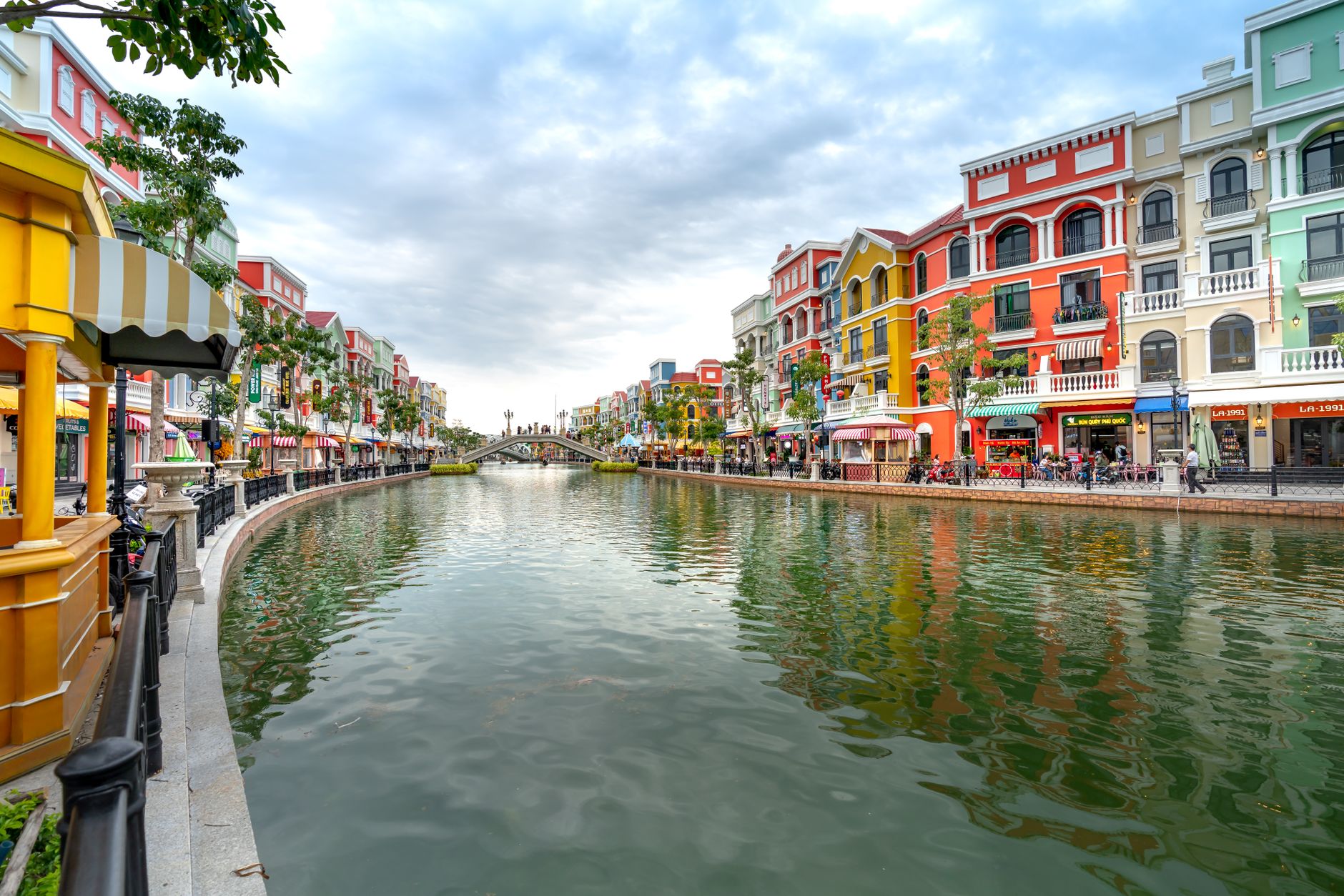
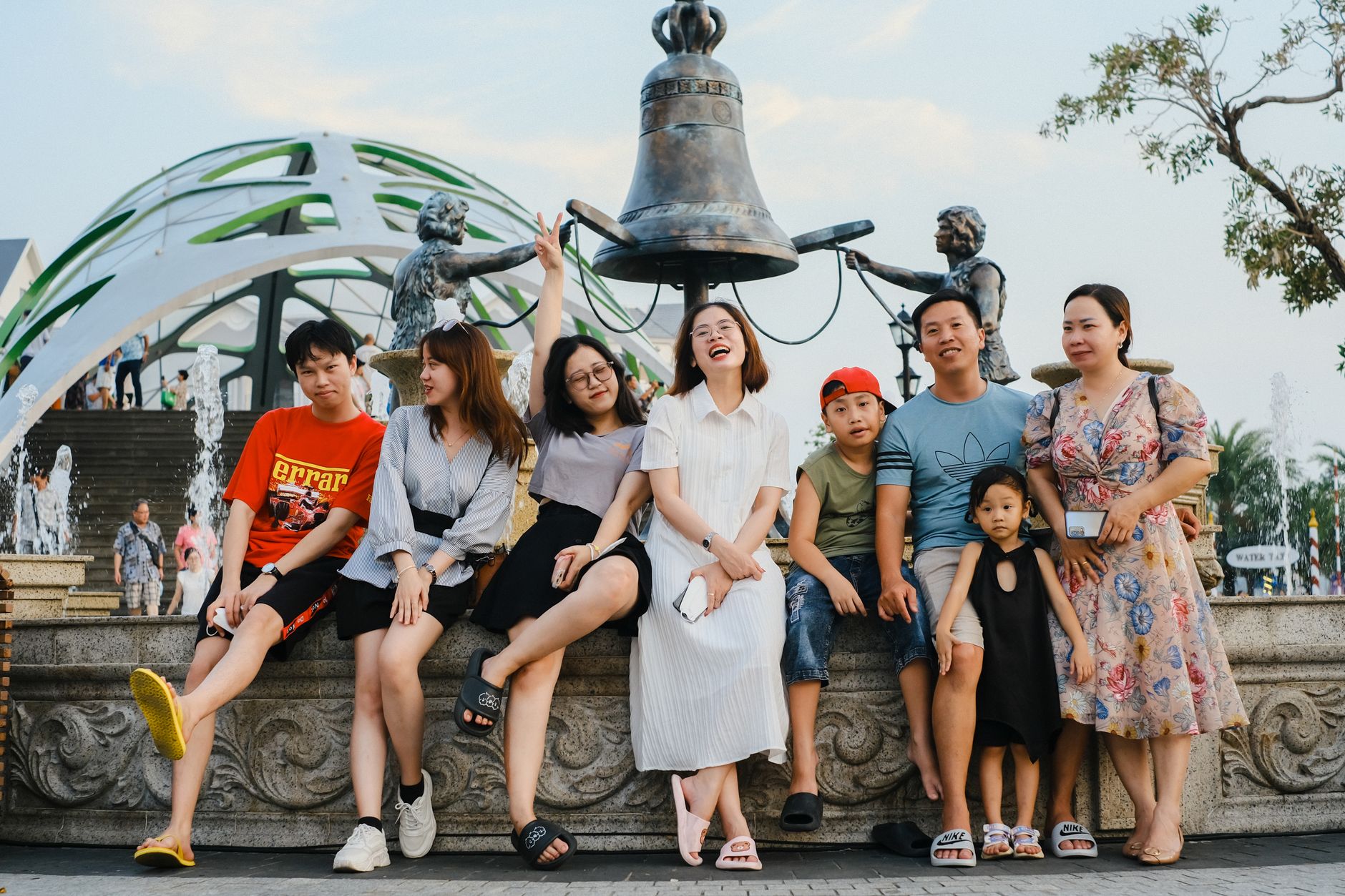
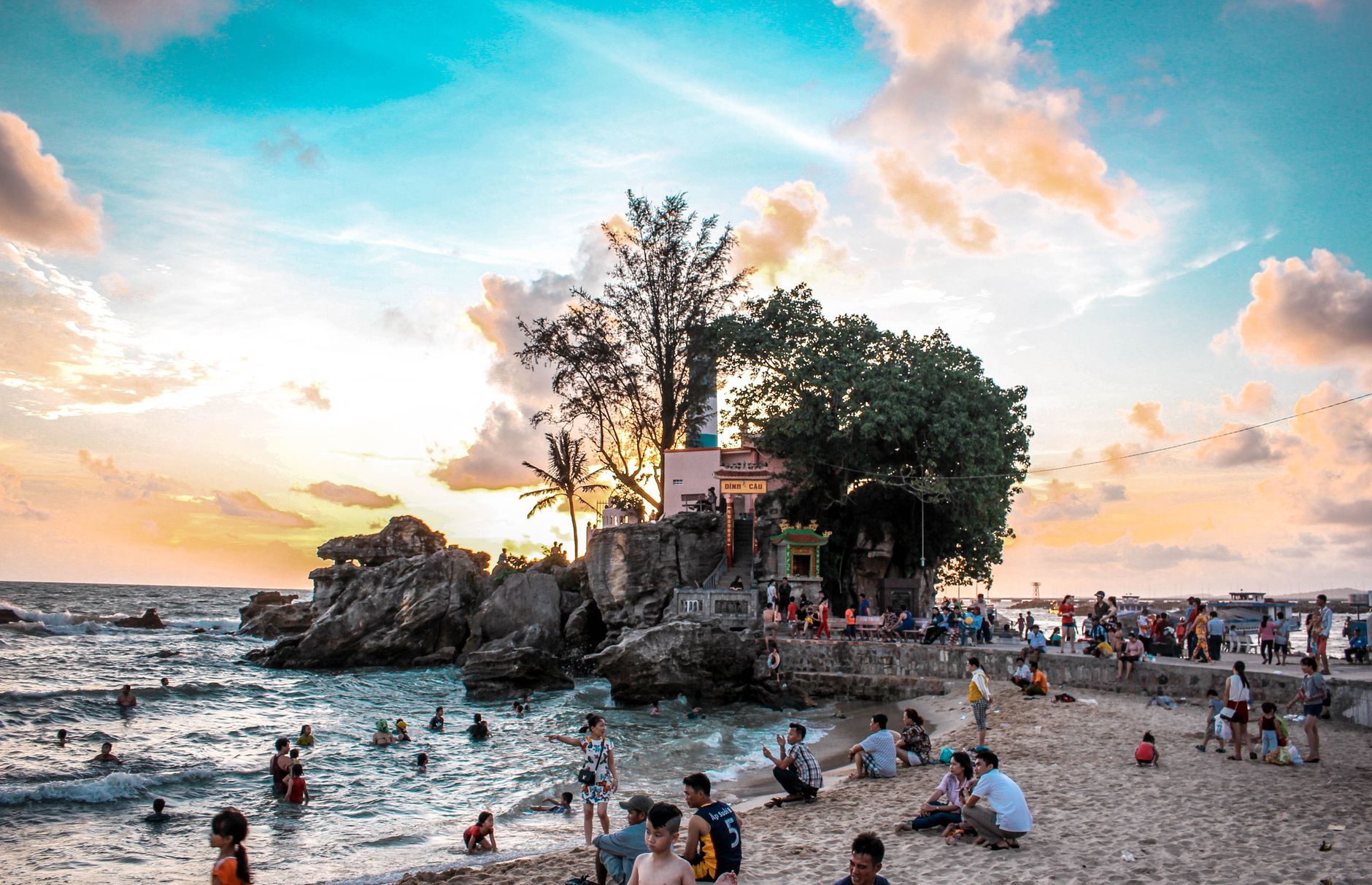
The western edge of Phu Quoc Island is where most of the island's life happens, and Duong Dong is its beating centre — the administrative town, the market, the place where fish sauce factories sit a short walk from resort pools. Phu Quoc became one of Vietnam's thirteen special administrative zones in June 2025, a designation that signals how seriously the country is investing here, and the pace of change is visible in real time.
What remains constant is the smell of the sea and the particular quality of the late afternoon light over the Gulf of Thailand. The island's west coast faces the sunset directly, and the town has arranged itself accordingly.
💛 What travellers fall for
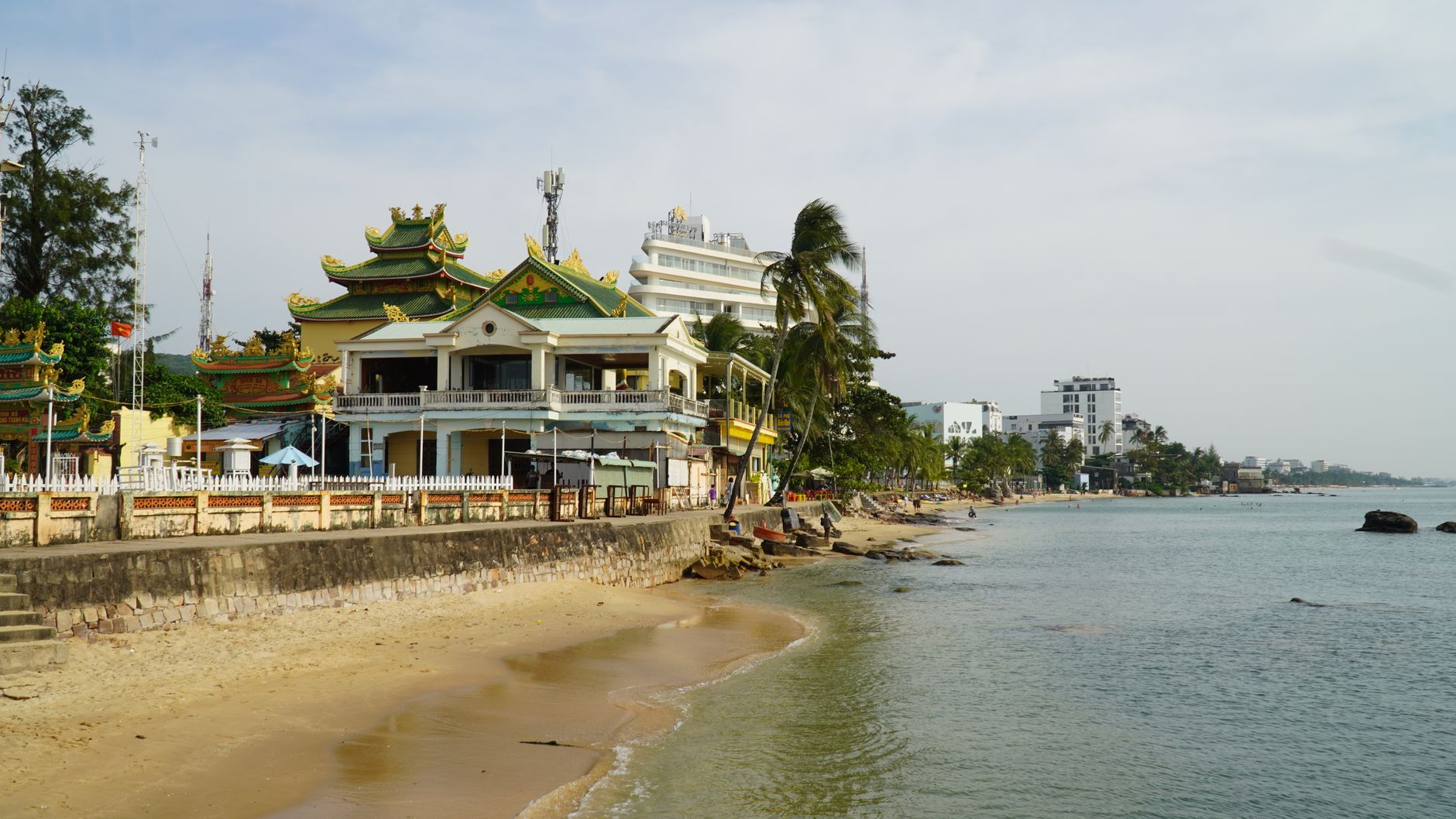
People who come back tend to anchor themselves in Duong Dong rather than the resort corridor. The Cau Temple is worth finding early in the morning before the heat arrives, and the 1993 lighthouse beside it gives you a clean orientation point on the river. Grab works reliably; use it over any fixed-price offer.
Deals in Phu Quoc Town
Book directly at the provider

How Phu Quoc Town came to be
People have lived on this island for roughly 2,500 years, with the earliest evidence pointing to the Oc Eo culture. The first written record of Phú Quốc appears in Cambodian royal documents from 1615. By the late 17th century, the island fell within the orbit of the Principality of Hà Tiên, established by the Chinese merchant Mạc Cửu, who in 1708 pledged allegiance to the Nguyễn lords and received the title of Tong Binh in return.
The island has sheltered those in trouble more than once. The future Emperor Gia Long used it as a refuge during the Tây Sơn uprising in the late 18th century. The patriot Nguyễn Trung Trực based his resistance to French colonial forces here. Under French rule, Phu Quoc was restructured as its own district in 1921; the prison now known as Coconut Tree Prison, originally built by the French, was expanded in 1967 to hold communist soldiers during the Vietnam War.
Who and what shaped it
People who shaped it
Landmark buildings
See Phu Quoc Town in motion
Plan your visit
On the map
When to go
The dry season, December through March, brings daytime highs of 27–30°C, low humidity by tropical standards, and calm enough seas for swimming. The southwest monsoon runs May through October — rains are usually afternoon affairs, temperatures stay warm, but seas can be rough and the island is noticeably wetter from June onward; April and May push the thermometer toward 35°C.
Right now
Background & history adapted from Wikipedia (CC BY-SA) · specs from Wikidata (CC0) · weather from Open-Meteo · map data © OpenStreetMap contributors · photos from Wikimedia Commons / Unsplash with per-image credit. No third-party reviews or social posts reproduced.