
Phra Khanong
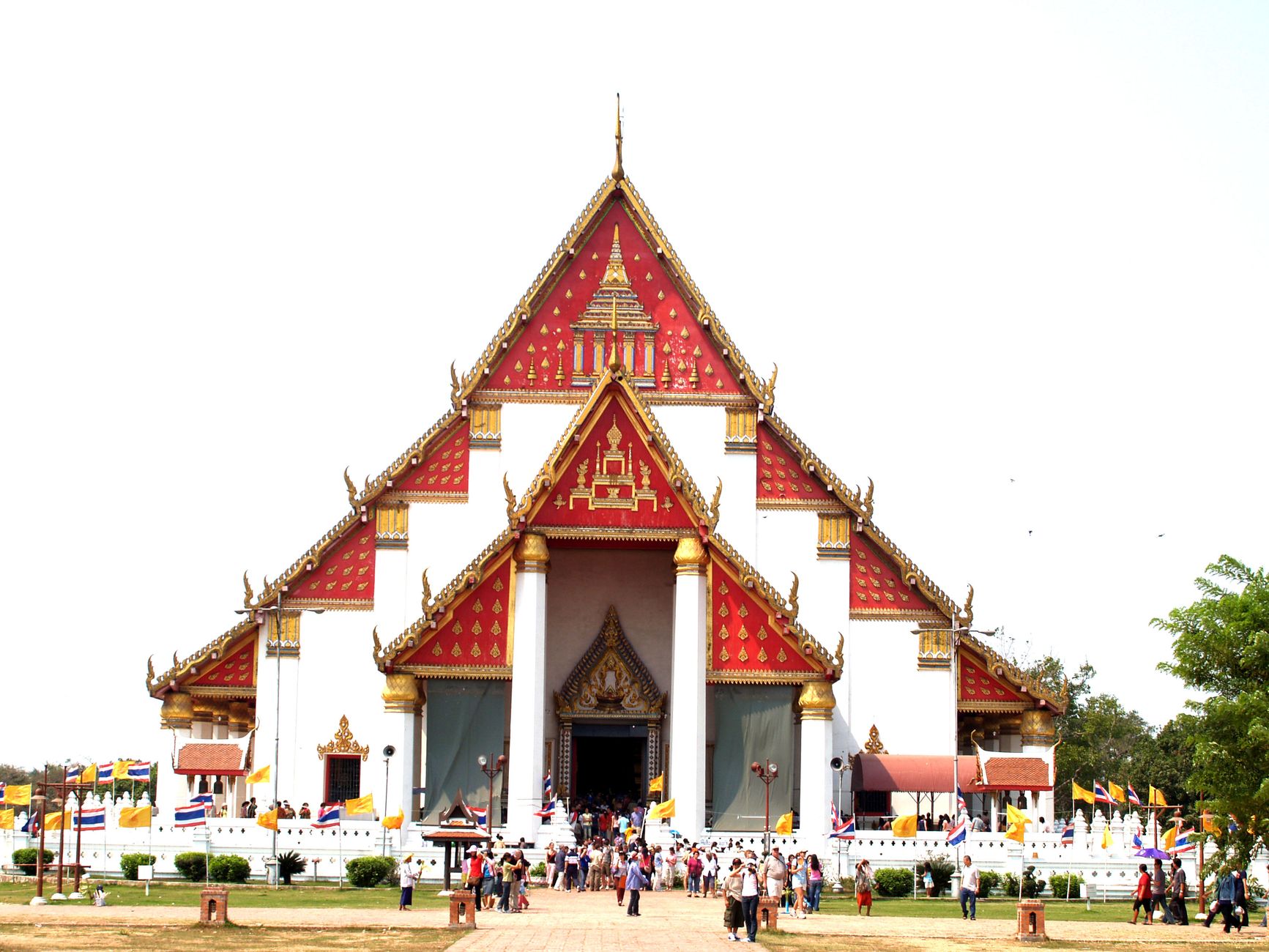
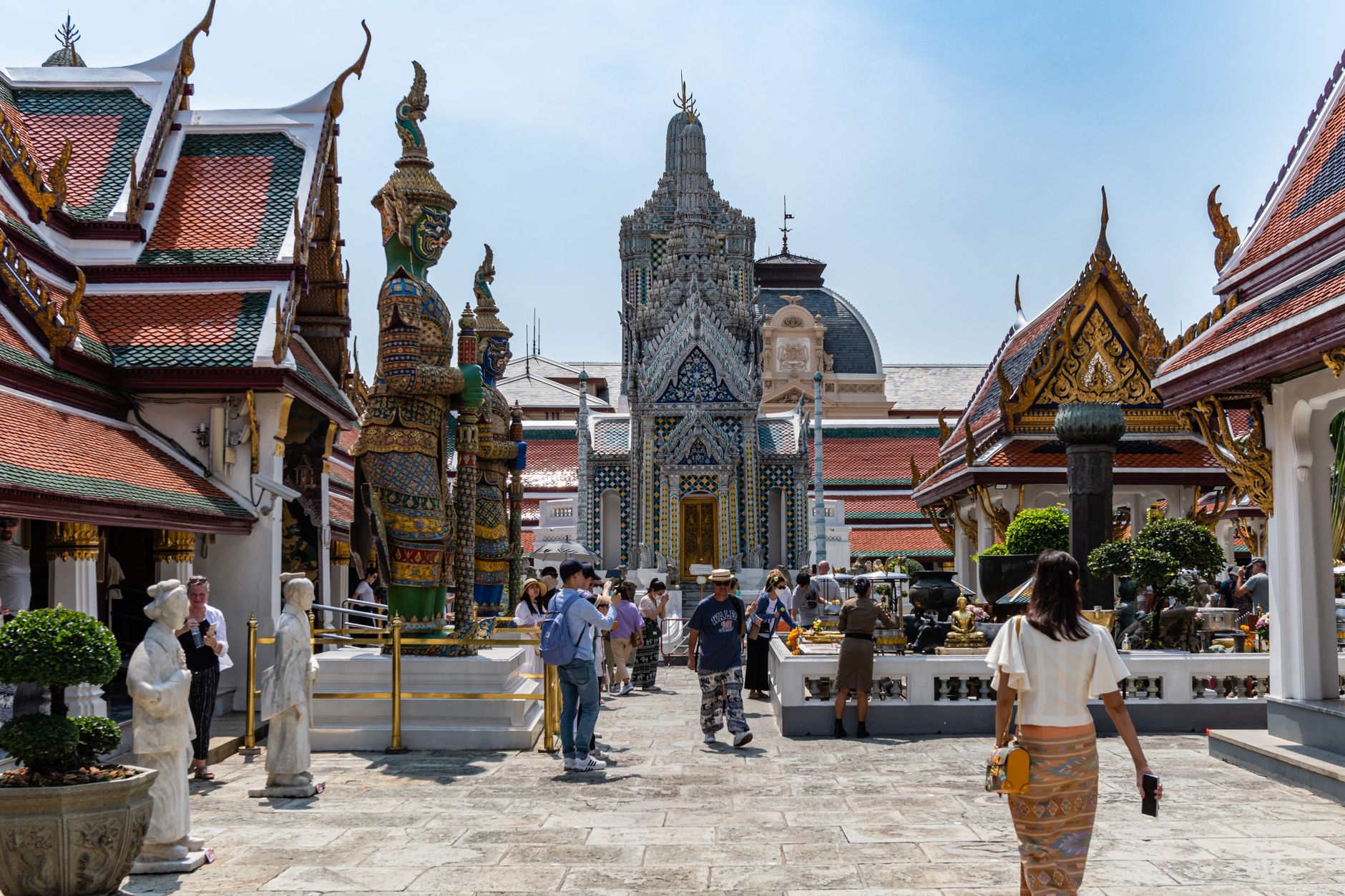
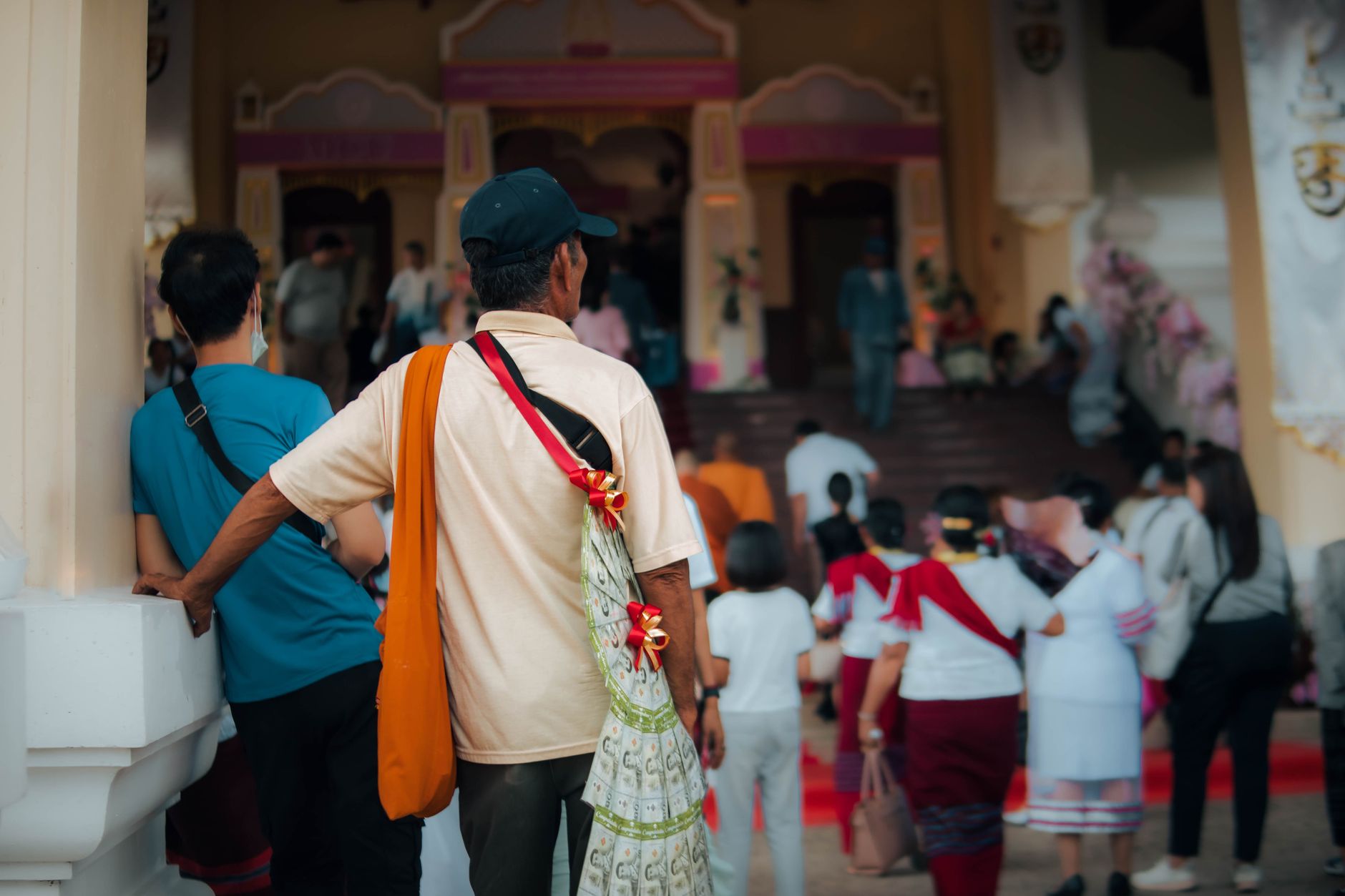
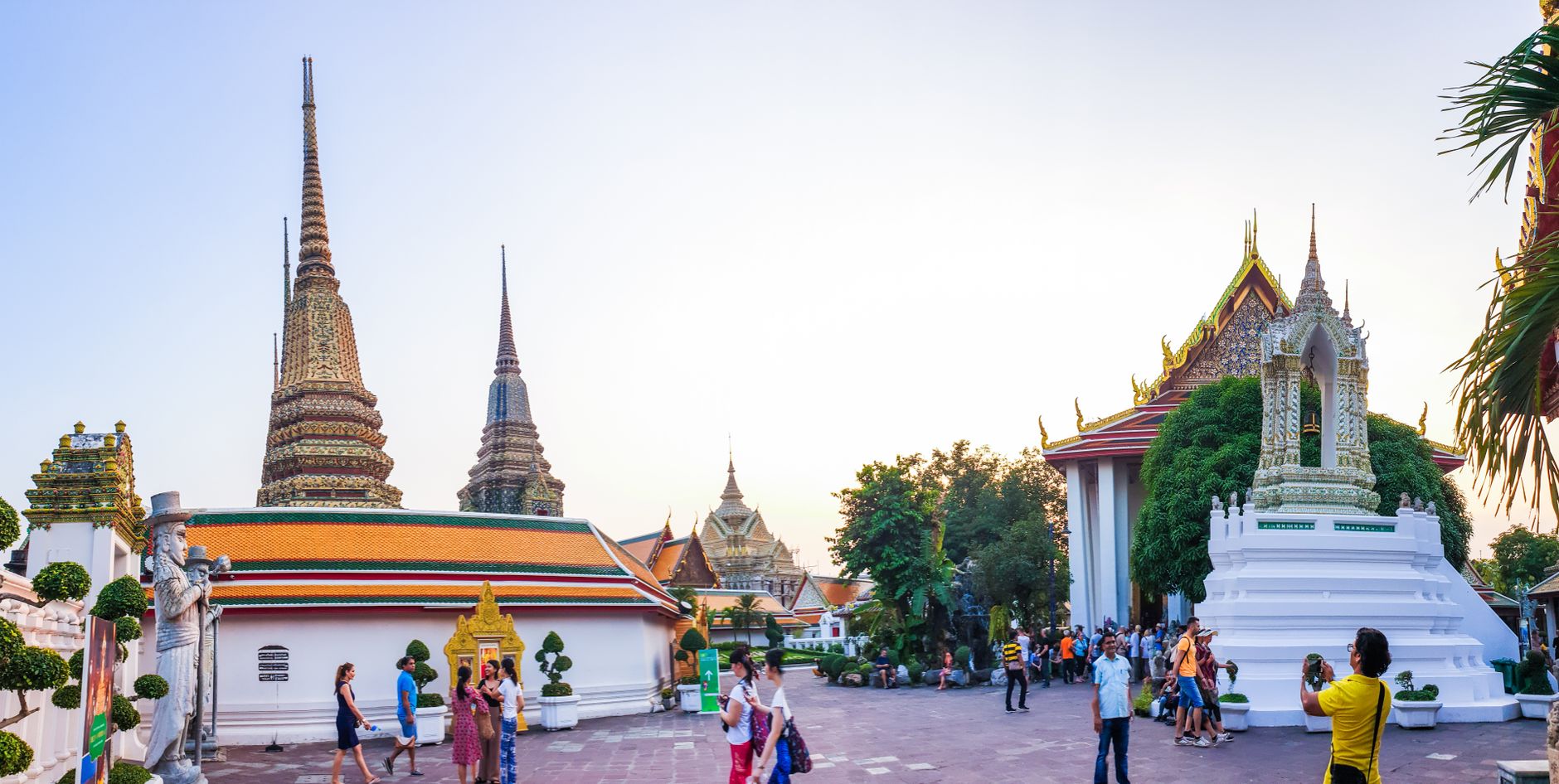
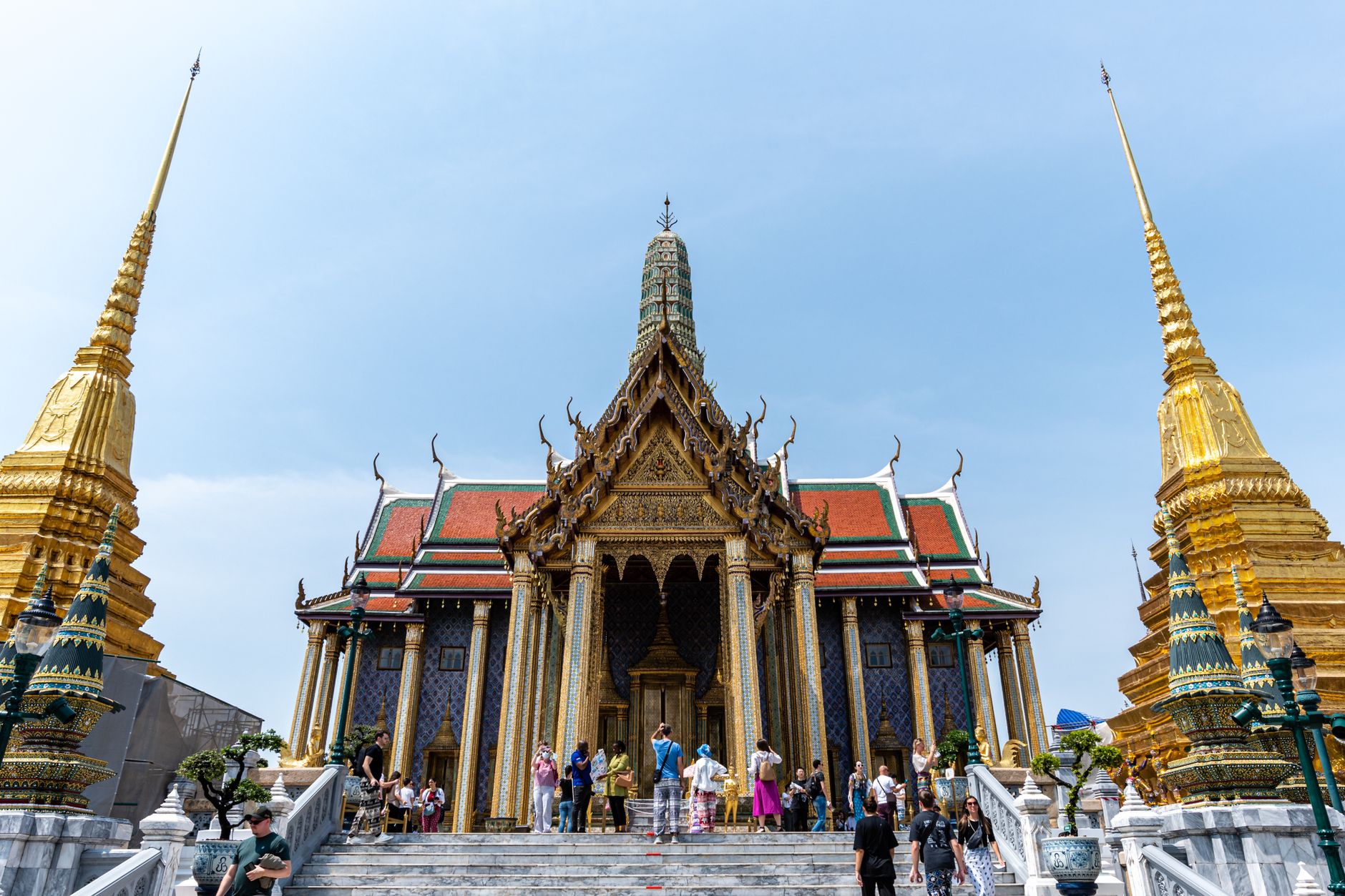
The canal came first. Khlong Phra Khanong was dug between 1837 and 1840, and the communities that grew along its banks gave this corner of eastern Bangkok its character long before the Skytrain arrived. Today the district runs along Sukhumvit's outer stretch — fresh-produce markets beside motorcycle-taxi stands, the gold-capped spire of Wat Thammamongkhon visible from several blocks away, and a neighbourhood pace that still feels more residential than tourist.
Phra Khanong spent decades as a suburban commercial centre, slipped into relative quiet, then found new life when the BTS Sukhumvit line opened in 1999. The station technically sits just outside district lines, but that bureaucratic quirk barely registers on the ground.
💛 What travellers fall for
People who come back tend to time a morning around Phra Khanong Market — fruit, Thai desserts, vendors who've held the same stall for years. The walk to Wat Thammamongkhon from there takes twenty minutes and earns you the full scale of the chedi before the midday heat sets in. Most skip the neighbourhood's quieter temple, Wat Wachiratham Sathit, but it rewards the detour.
Deals in Phra Khanong
Book directly at the provider


How Phra Khanong came to be
Phra Khanong's story begins with a canal. Khlong Phra Khanong was excavated between 1837 and 1840, drawing rural settlers to its banks and establishing the area as a working community well outside Bangkok's historic centre. By 1902 it was formally constituted as an amphoe, initially under Nakhon Khuean Khan, which was renamed Phra Pradaeng in 1914. Phra Khanong transferred to Bangkok's administration in 1927.
During the Second World War the district held a Japanese cantonment between Soi Punnawitthi and Soi Udom Suk — a presence that made it a target for Allied bombing. Post-war, it gradually rebuilt: a pharmaceutical factory followed in 1957, and a suburban commercial centre took shape through the late 1970s and early 1980s. The five districts that now surround it — Khlong Toei, Watthana, Suan Luang, Prawet and Bang Na — were all carved from Phra Khanong over successive decades, the last departure coming in 1998.
Who and what shaped it
Landmark buildings
See Phra Khanong in motion
Plan your visit
On the map
When to go
Bangkok runs hot and humid year-round, but Phra Khanong is most comfortable between November and February, when temperatures ease into the low-to-mid 20s°C and rain is infrequent. The wet season (roughly May through October) brings heavy afternoon downpours that can briefly flood lower streets near the canal.
Right now
Background & history adapted from Wikipedia (CC BY-SA) · specs from Wikidata (CC0) · weather from Open-Meteo · map data © OpenStreetMap contributors · photos from Wikimedia Commons / Unsplash with per-image credit. No third-party reviews or social posts reproduced.