
Petit Trianon
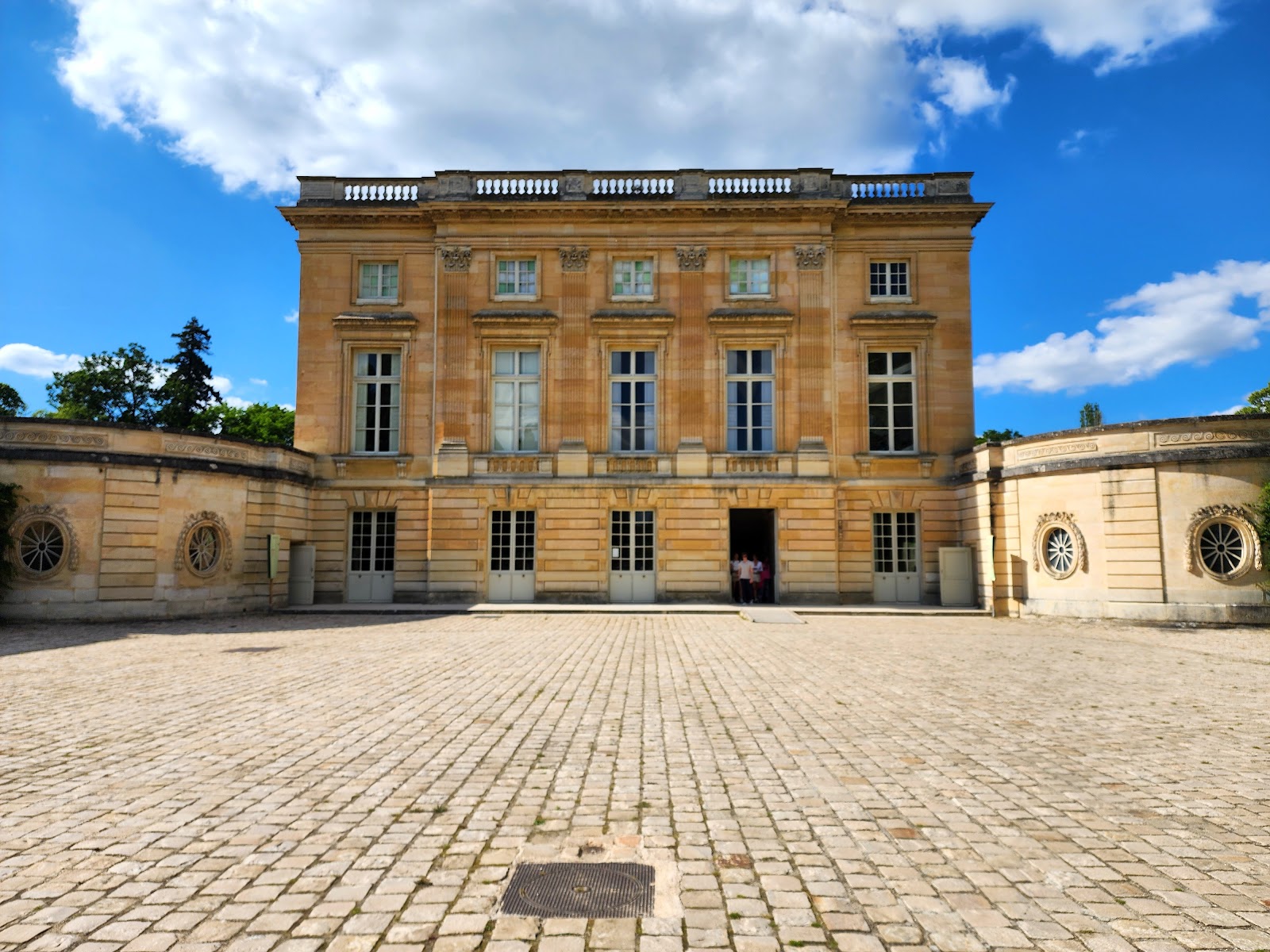
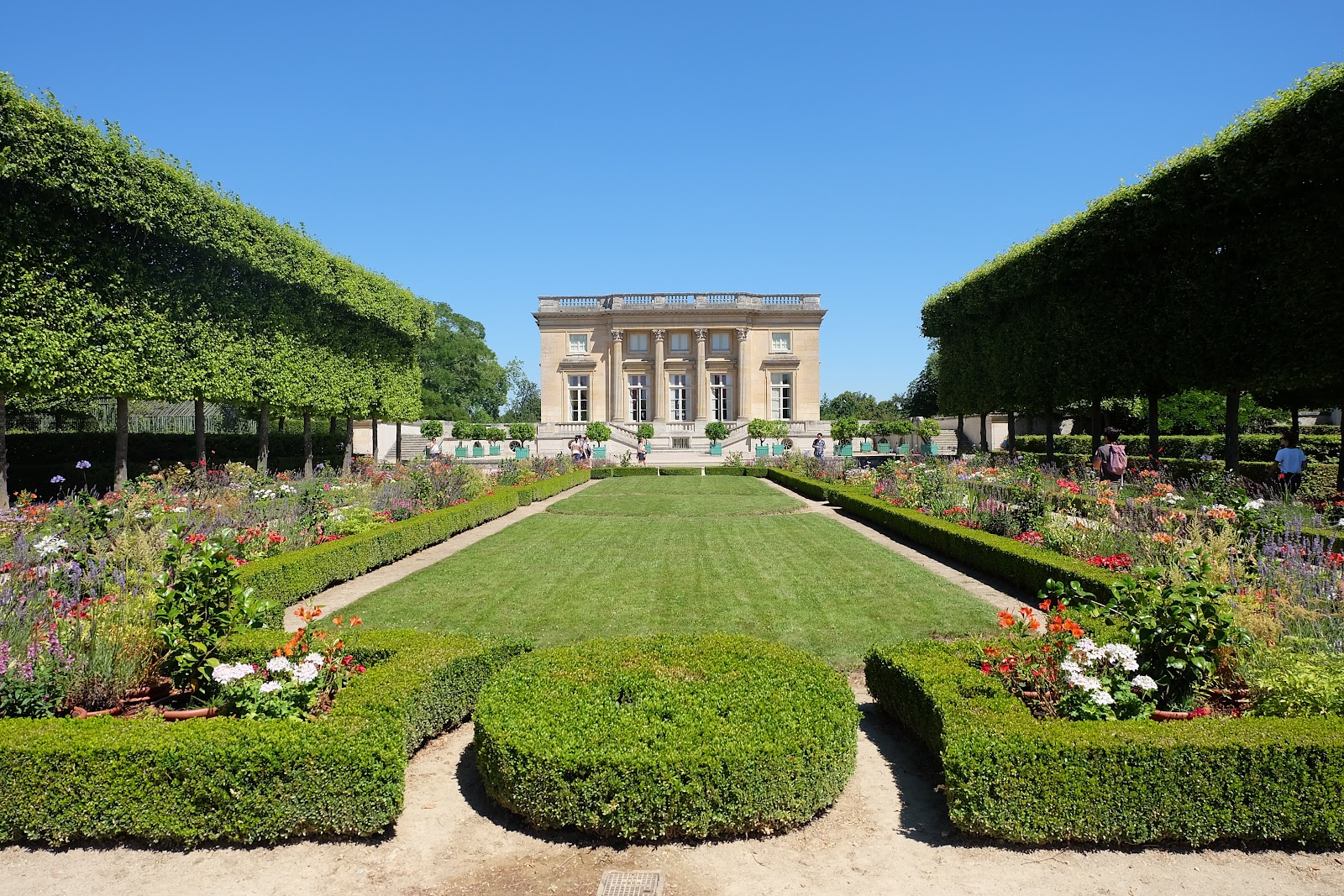
Walk the long poplar-lined avenue toward the Petit Trianon and the scale shift is immediate: after the palace's theater of power, here is something almost domestic. Ange-Jacques Gabriel's 1768 neoclassical cube — square floor plan, three clean stories, no ornament wasted — was built for pleasure and privacy, not ceremony.
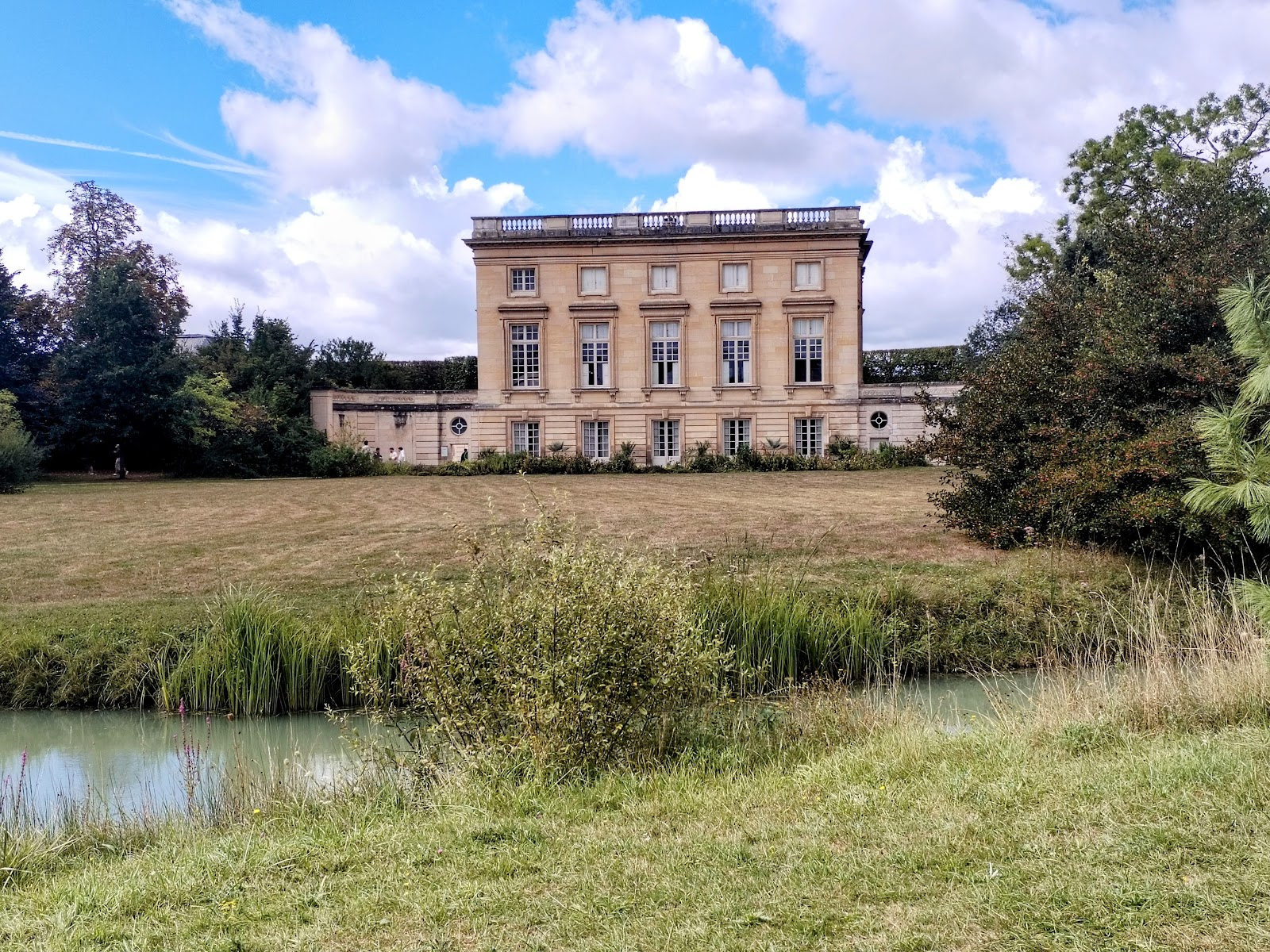
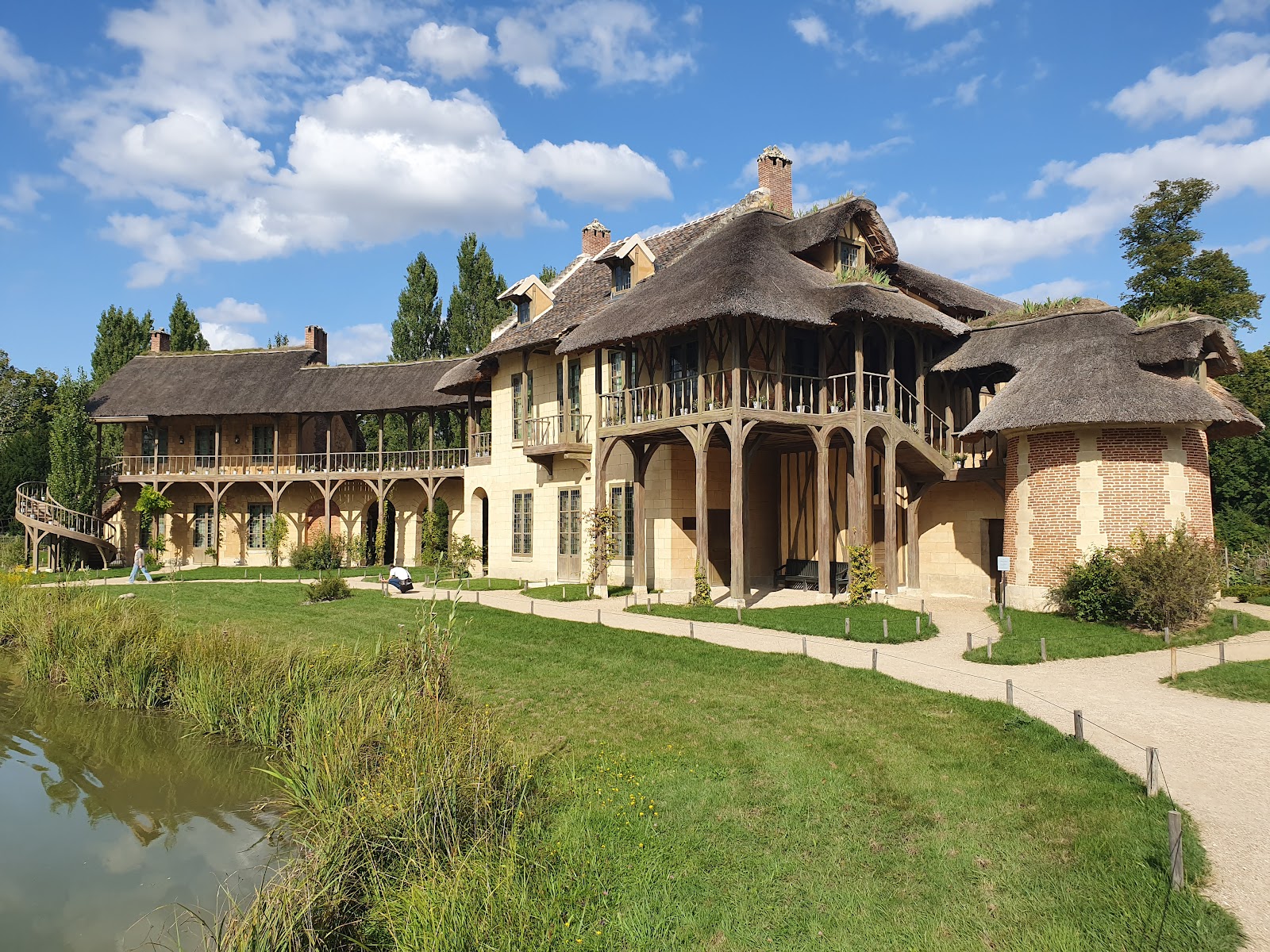
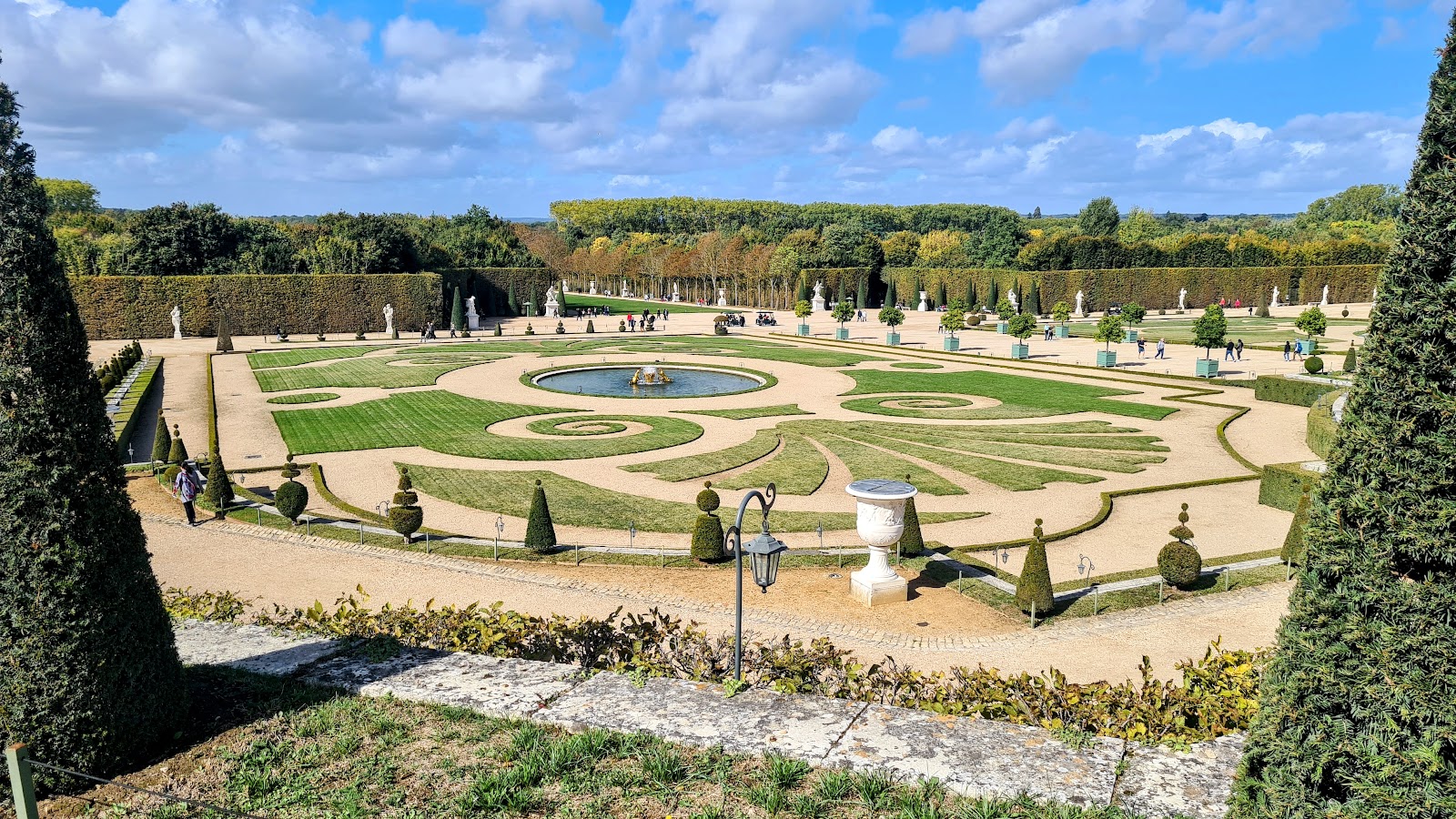
Louis XVI gave it to Marie Antoinette in 1774, the year he became king, when both of them were teenagers. She made it her own: replaced the botanical gardens with an Anglo-Oriental landscape, commissioned Richard Mique to build a belvedere and a small theatre, and turned this corner of Versailles into a world that answered to no one but her.
💛 What travellers fall for
People who come back tend to head straight for the Queen's Theatre — the one structure that survived the eighteenth century completely intact. The dining room floor is worth a close look too: the mechanical apparatus that would have lowered the table so servants could set it unseen was never built, but the channel cut for it is still visible.
The story behind Petit Trianon
The Petit Trianon was commissioned by Louis XV at the request of Madame de Pompadour, who died in 1764 before Gabriel finished building it. Madame du Barry inaugurated the completed château in 1768. When Louis XV died of smallpox in 1774, his successor gave the property to Marie Antoinette, who transformed the grounds entirely — Louis XV's botanical gardens gave way to an English landscape garden, and Richard Mique added the Temple of Love in 1778, the octagonal Belvedere in 1777, and the Queen's Theatre, inaugurated on June 1, 1780.
After the Revolution the château changed hands and purposes several times. In 1867, Empress Eugénie, wife of Napoleon III, converted it into a museum dedicated to Marie Antoinette's memory. It was listed as a historic monument in 1862 and became part of the UNESCO World Heritage designation in 1979.
Good to know
The Domaine du Trianon requires a separate ticket (around €12). You can walk from the main Palace in 20–30 minutes through the gardens, or take the Petit Train for €5. Closed Mondays; July and August it opens at 10am Tuesday through Sunday. Budget roughly an hour for the Trianon estate.
Where is Petit Trianon?
More tickets & tours for Petit Trianon
Book directly at the provider
What travellers say about Petit Trianon
The Petit Trianon is small, simple, and very charming. Compared to the grand scale of Versailles, it feels much more intimate and modest, which is exactly what makes it so special. It was a personal retreat for Marie Antoinette, and you can really feel that sense of privacy and calm when walking through the rooms and gardens. The interiors are elegant but not overwhelming, and the atmosphere is peaceful and refined. A beautiful place if you appreciate something more quiet and “human” within the grandeur of Versailles.
⭐⭐⭐⭐☆ Petit Trianon is a pleasant and interesting part of the Versailles estate, especially for visitors interested in Marie Antoinette and French history. The gardens and atmosphere are beautiful and much quieter than the main palace. One thing to keep in mind is that reaching it without the buggy/train service can be very difficult, especially after spending hours walking around Versailles. If you are already visiting Versailles, it is worth seeing, but I would not recommend making a special trip just for Petit Trianon alone. Overall, a worthwhile stop as part of the full Versailles experience.
This is Marie Antoinette’s residence. This thing is way deeper into the park then we thought and we need to walk quite a long time to get there. The visit was nice, can’t say anything too special about it as it’s mostly just furniture and paintings. You’ll get the tickets for this place when you get it for the palace.
Beautiful trees and fields along the way, the Petit Versailles is enchanting; paintings adorn the walls, depicting Marie Antoinette's happiness with her sisters and children. Exquisite decorations from an era of glamour and luxury. Versailles and Petit Versailles have won my heart. ❤️
Small but beautifully formed private house, used by the mistresses of Louis XV and by Marie Antionette to give herself privacy and get away from the court. Also has a small and beautiful garden.
More of Versailles
Discover where to stay, what to do and the best deals for your trip.
Explore Versailles →More attractions in Versailles
All of Versailles →
Background adapted from Wikipedia (CC BY-SA) · map data © OpenStreetMap contributors · ratings & place photos via Google · other photos with per-image credit. Ticket links may earn us a commission at no extra cost to you.