
Penang
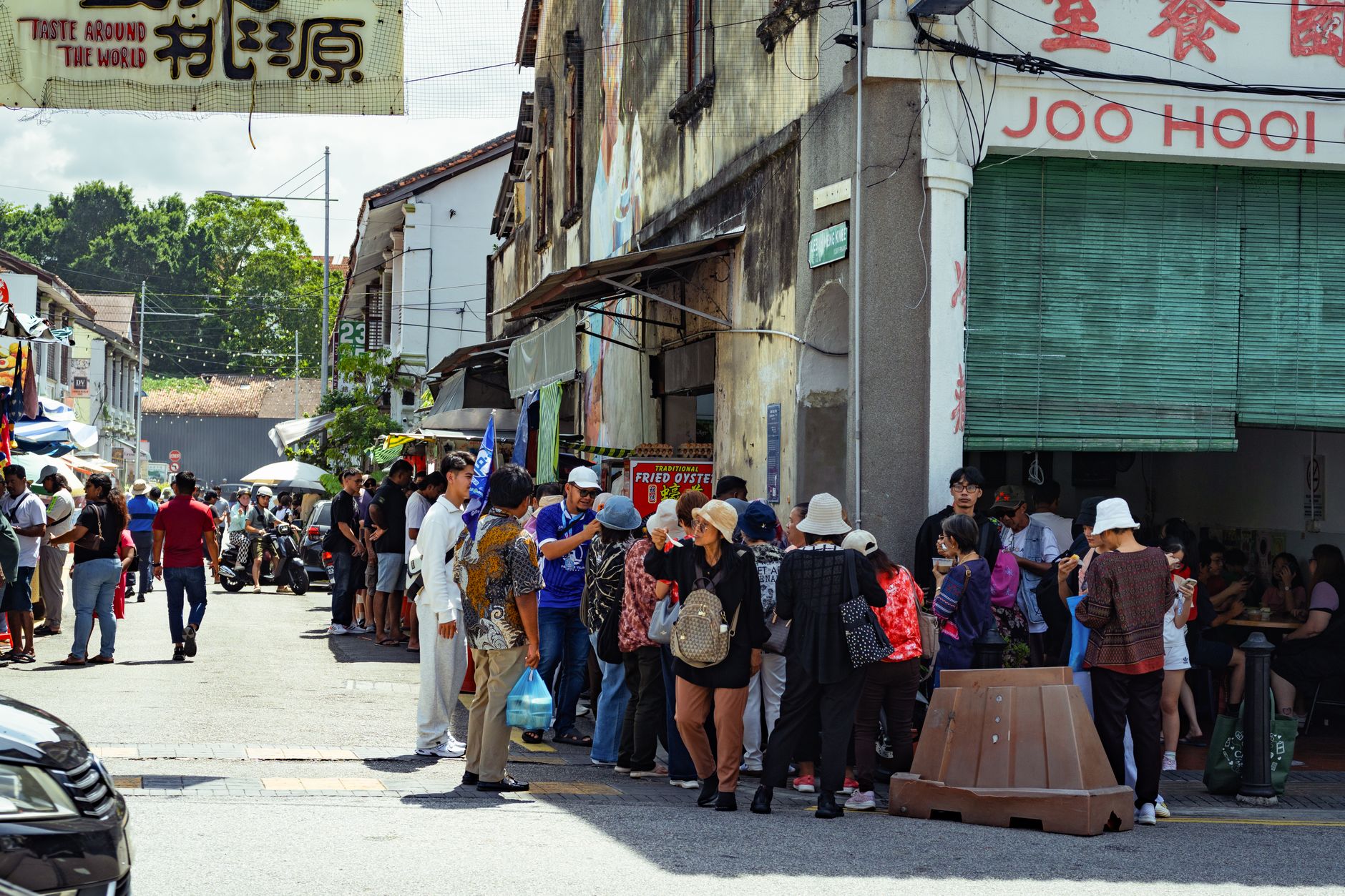
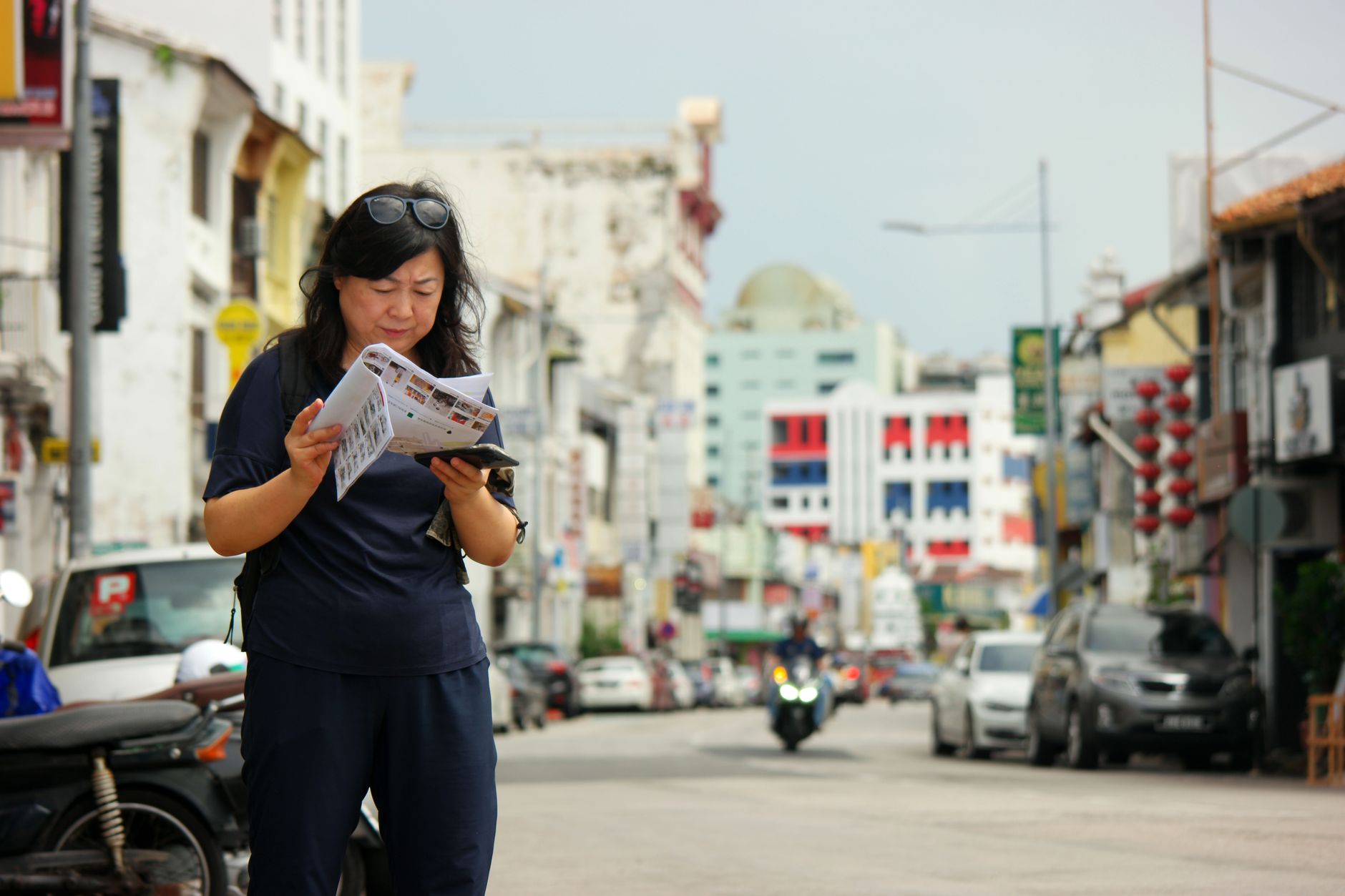
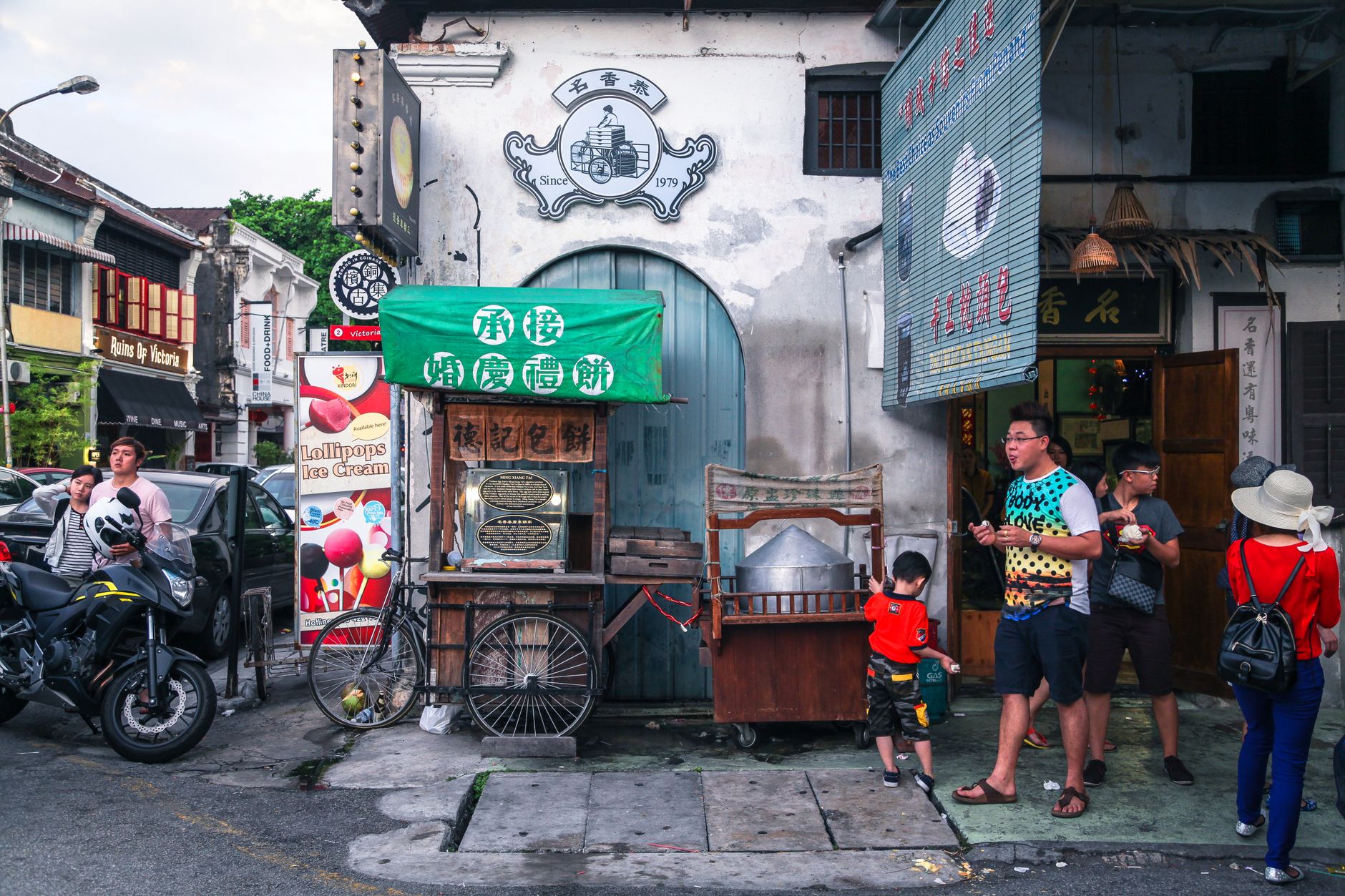
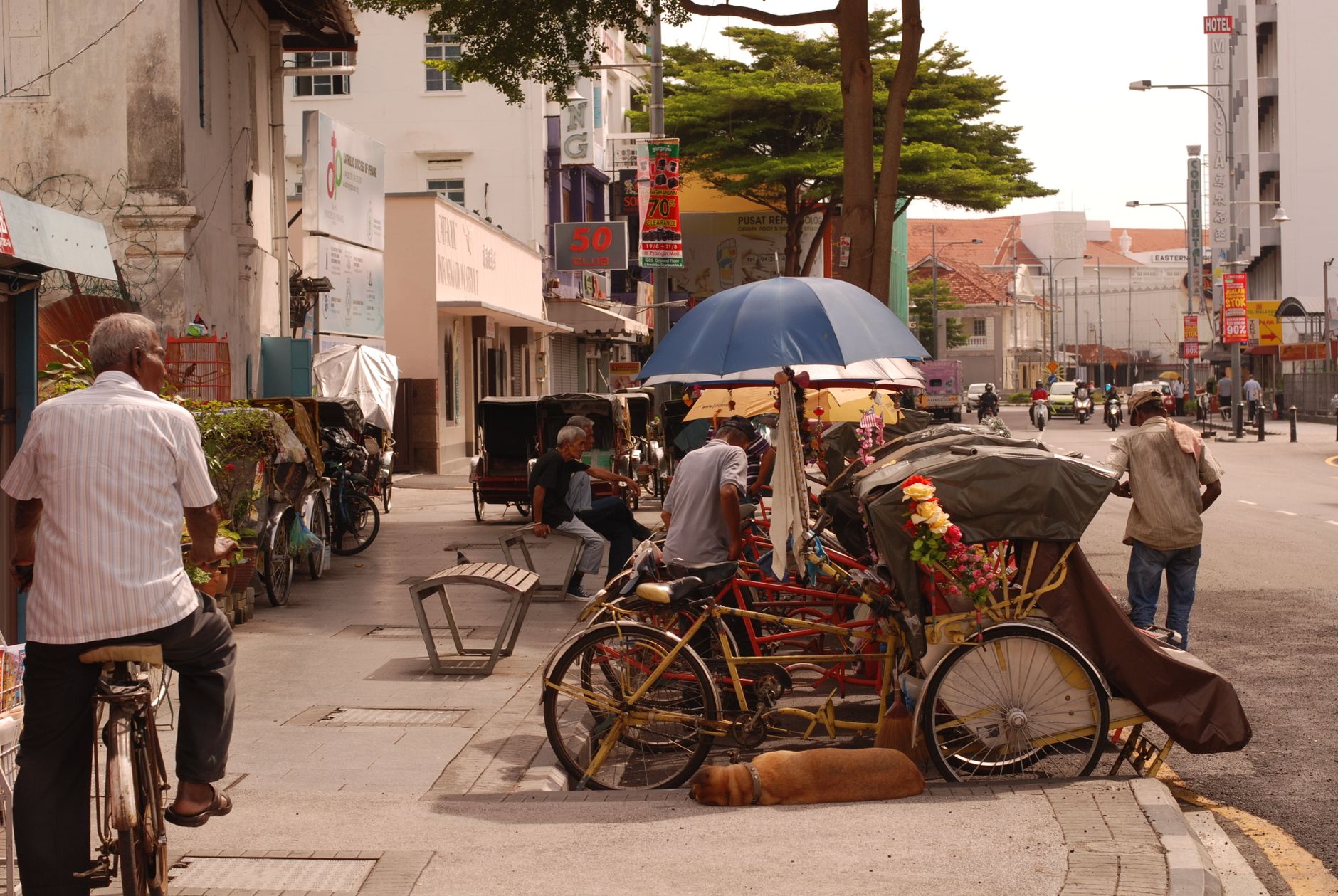
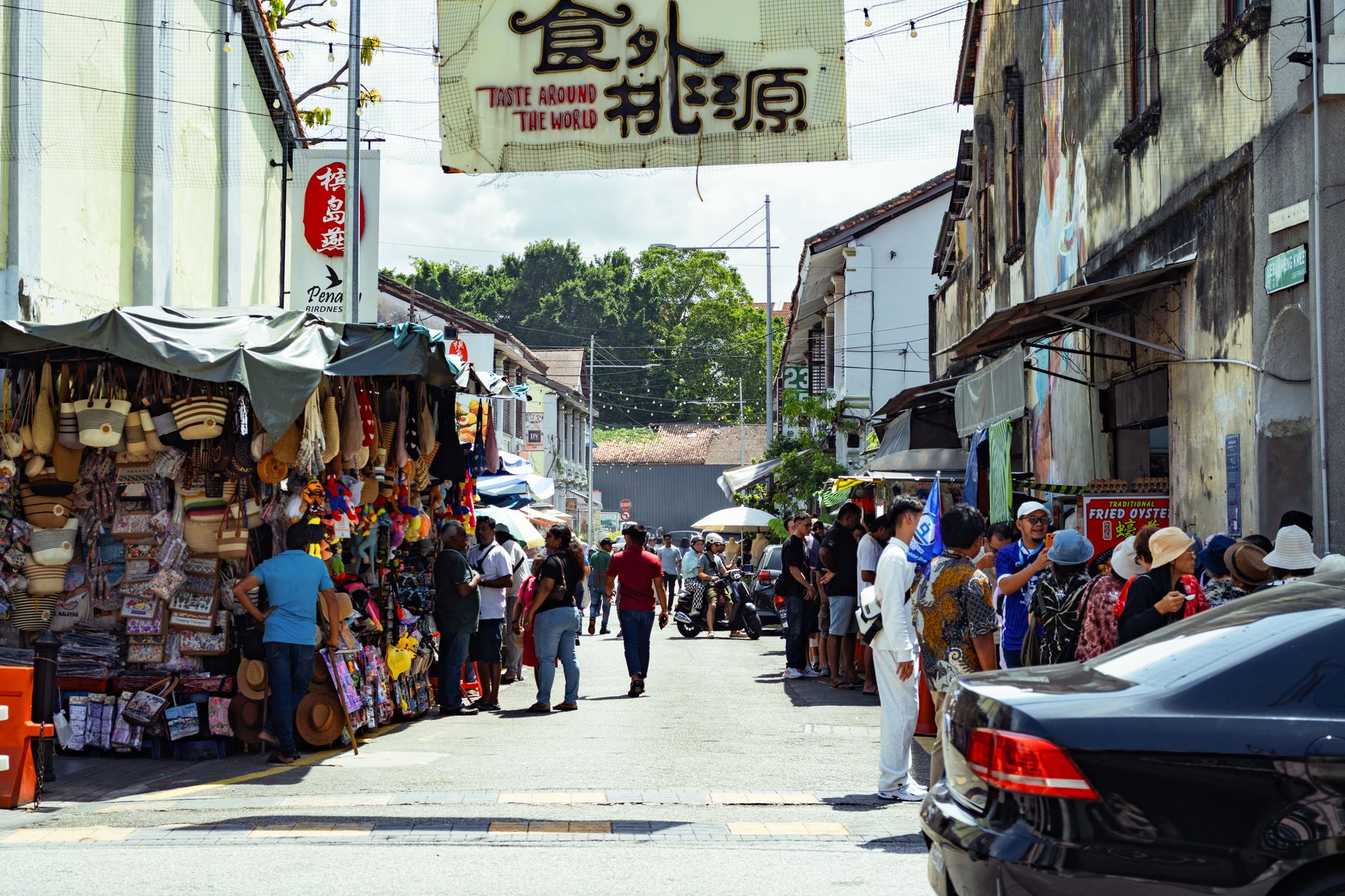
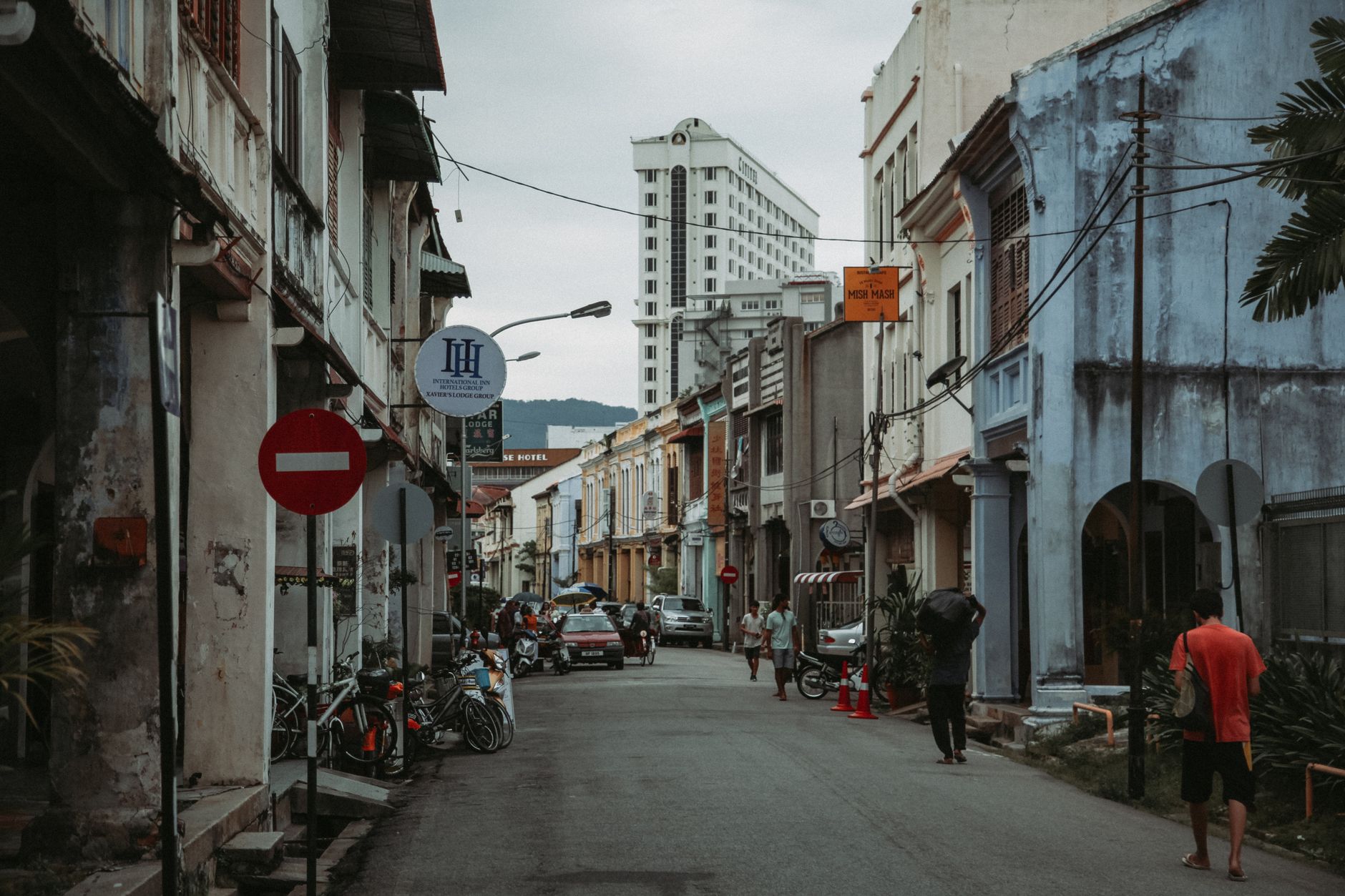
Penang is two places at once: the island of Pulau Pinang, and a thin strip of mainland called Seberang Perai, stitched together by bridges and ferries across a narrow strait. Most people come for George Town, the old capital, where a UNESCO-listed core of shophouses, clan temples and colonial civic buildings sits close enough together that you can walk from a 19th-century Chinese ancestral hall to Southeast Asia's oldest Anglican church in under ten minutes.
The food is what keeps people talking long after they leave. Penang's hawker culture draws on Malay, Chinese and Indian cooking traditions in ways that are genuinely its own — char kway teow, asam laksa, nasi kandar — eaten at plastic tables on five-foot ways or at night markets that run late into the evening.
💛 What travellers fall for
People who come back tend to know the free Central Area Transit shuttle by heart — it loops George Town every ten to fifteen minutes and costs nothing, which makes it easy to range across the heritage zone without a plan. They also learn quickly to carry exact change for the regular buses: drivers don't make change, and the fares start at RM1.
How Penang came to be
Penang's modern story begins on 11 August 1786, when Captain Francis Light of the British East India Company landed on Pulau Pinang and raised Fort Cornwallis — a timber structure that was rebuilt in brick with a moat by 1804. Light had negotiated the island from the Sultan of Kedah, with promises of British military protection that the Company quietly failed to honour. In 1800, Lieutenant-Governor George Leith added the adjacent mainland strip, Province Wellesley. By 1805, Penang had been elevated to a separate presidency of British India, on a footing with Bombay and Madras.
The city that grew around the fort drew Chinese, Indian and Malay settlers alongside the British, leaving a layered architectural record still visible today. George Town received city status from Queen Elizabeth II on 1 January 1957 — the first city in the Federation of Malaya — and UNESCO World Heritage recognition in 2008.
Who and what shaped it
People who shaped it
Landmark buildings
See Penang in motion
Plan your visit
On the map
When to go
Penang is warm and humid year-round, sitting just above the equator. The wettest months are September through November on the island's northeast coast; April and May bring a secondary wet season. Outside those peaks, brief afternoon downpours are normal, but rarely last long enough to disrupt a day.
Right now
Background & history adapted from Wikipedia (CC BY-SA) · specs from Wikidata (CC0) · weather from Open-Meteo · map data © OpenStreetMap contributors · photos from Wikimedia Commons / Unsplash with per-image credit. No third-party reviews or social posts reproduced.