
Passeig des Born
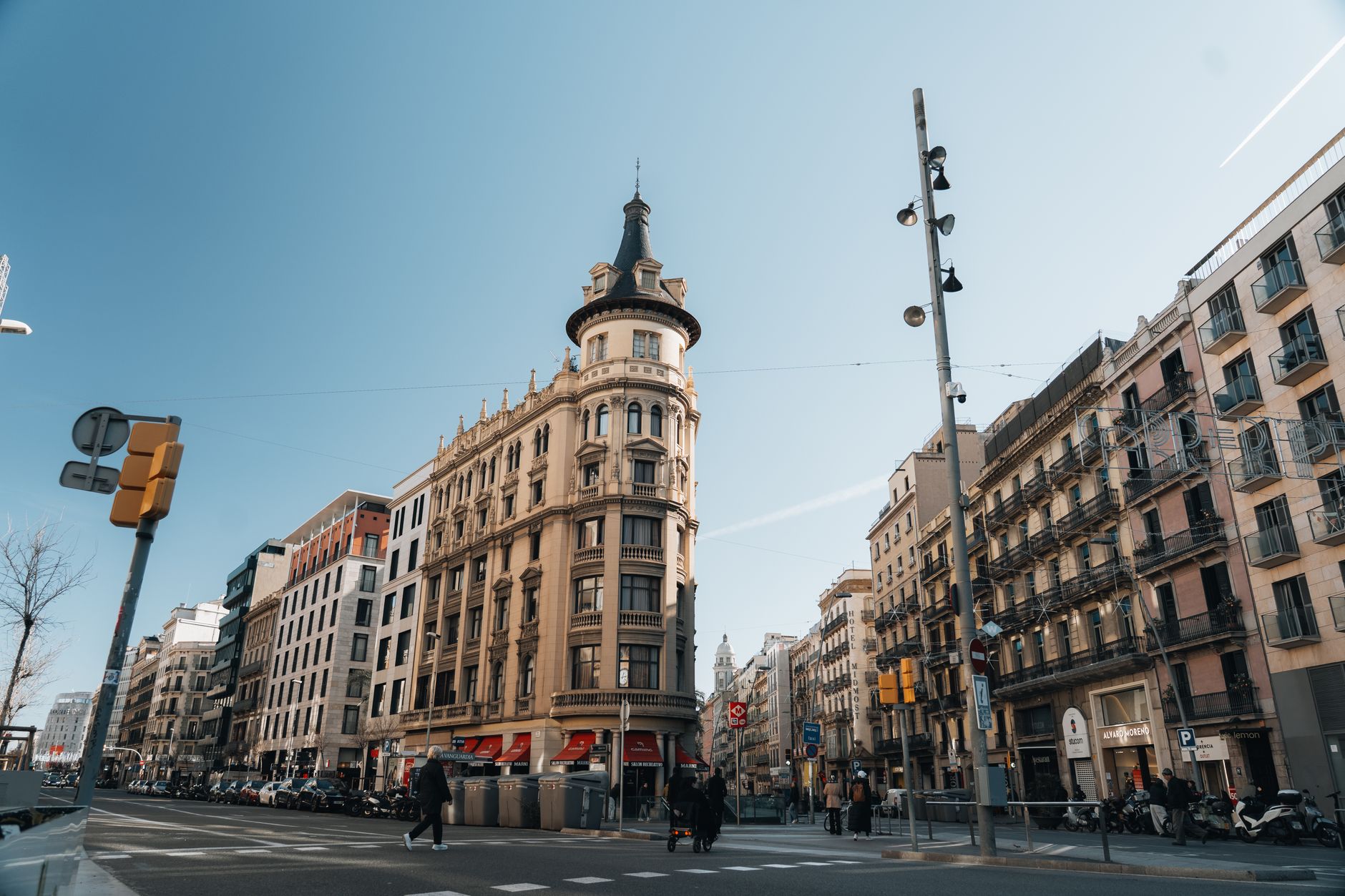
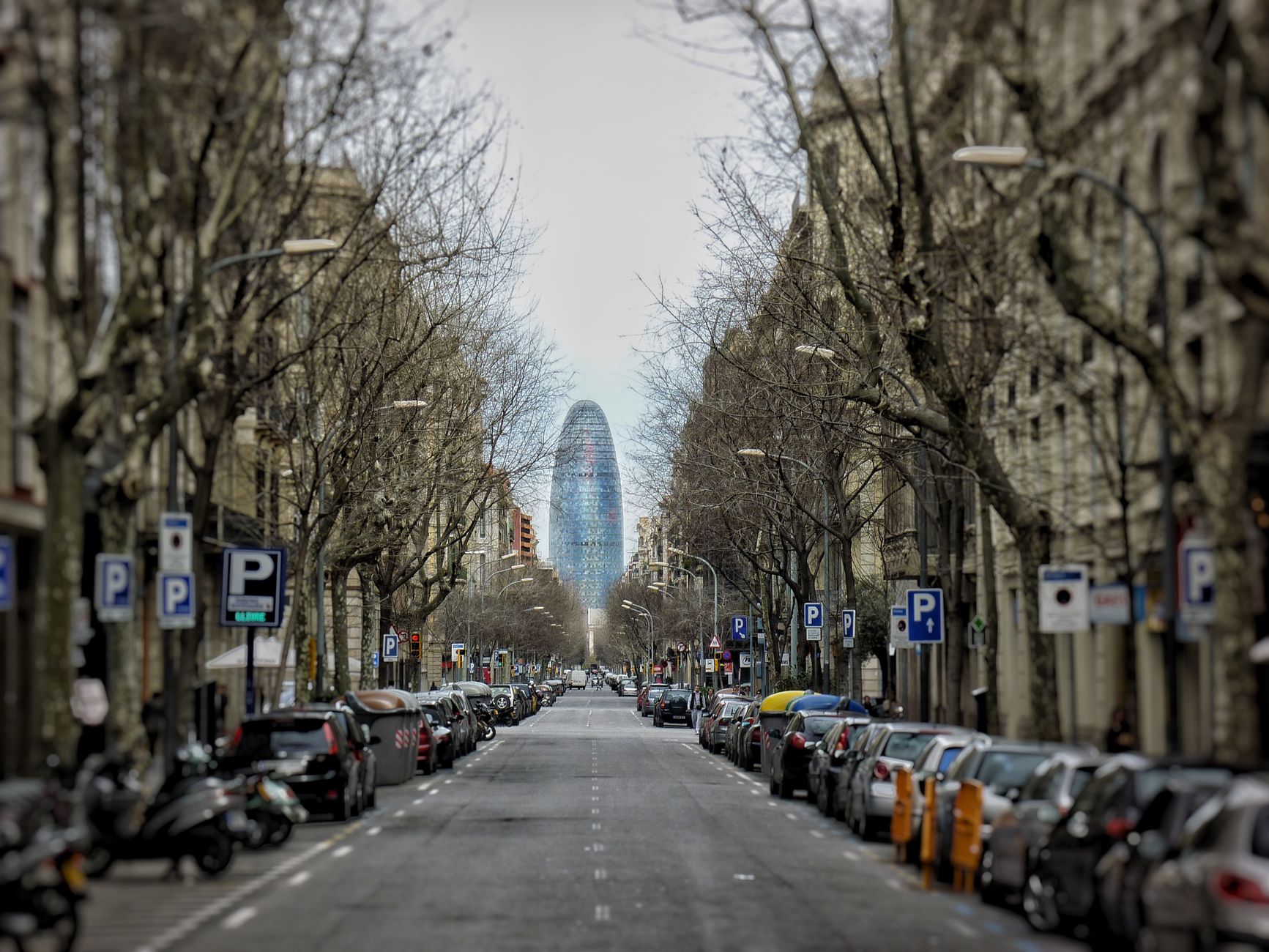
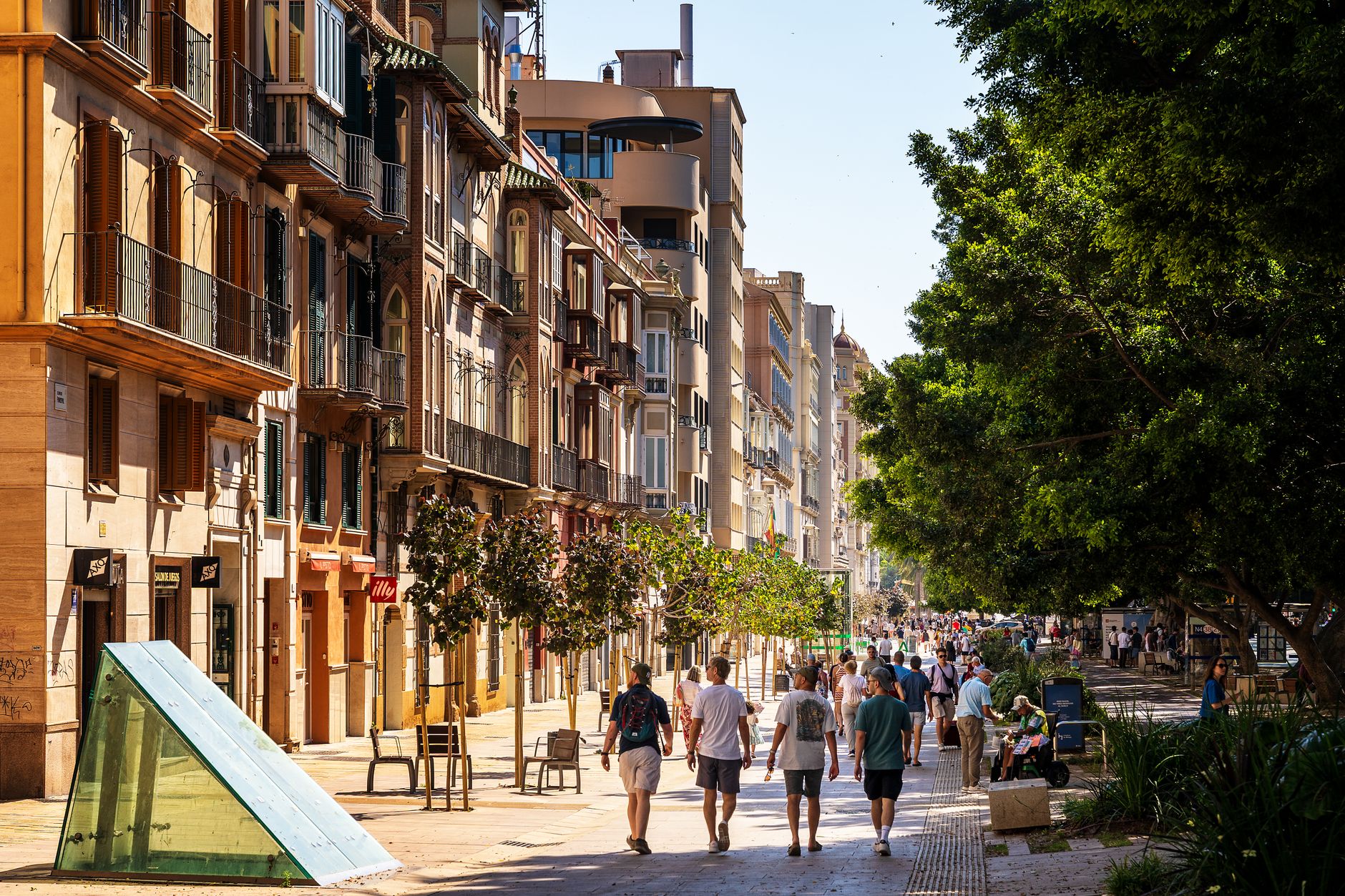
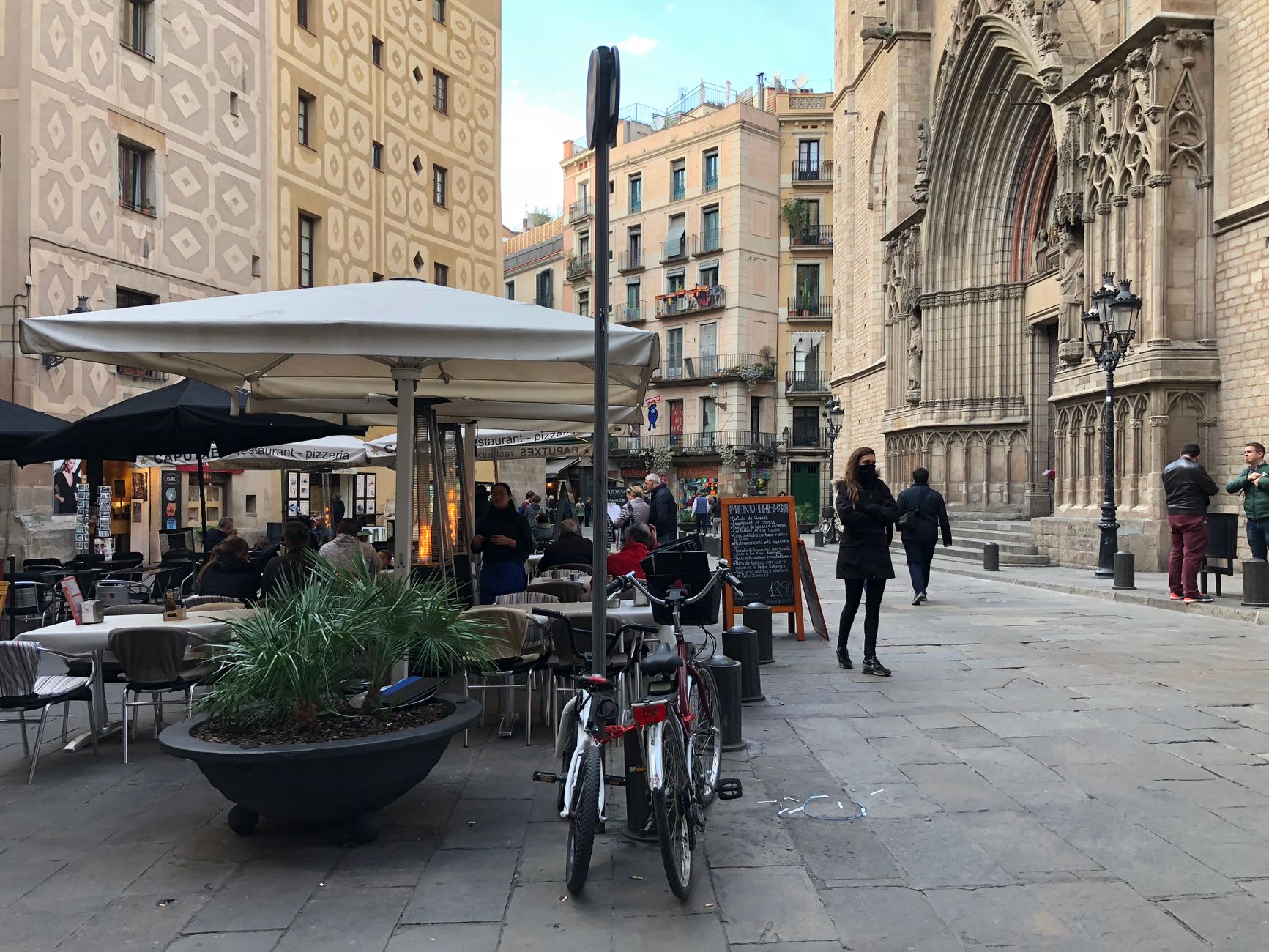
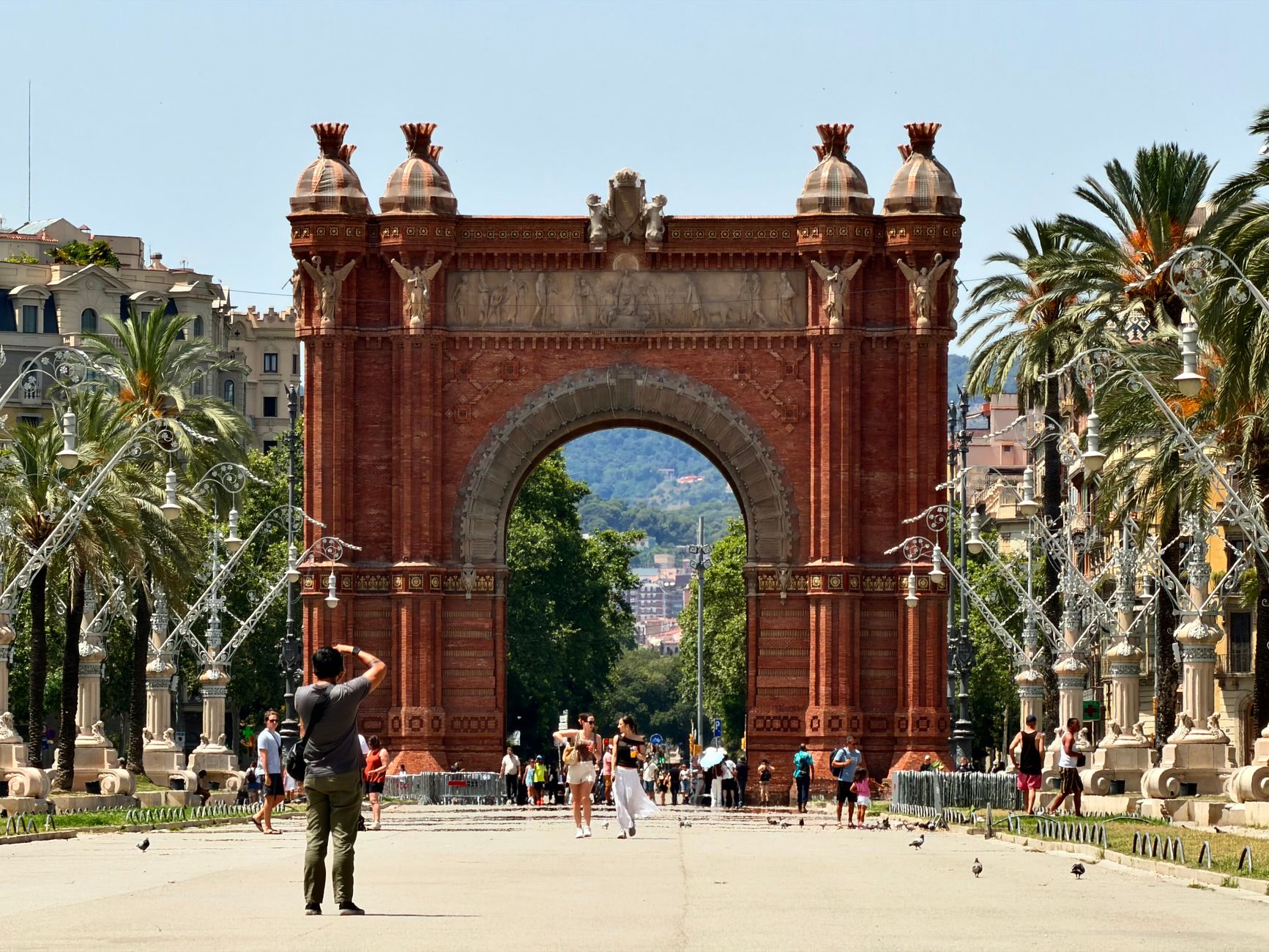
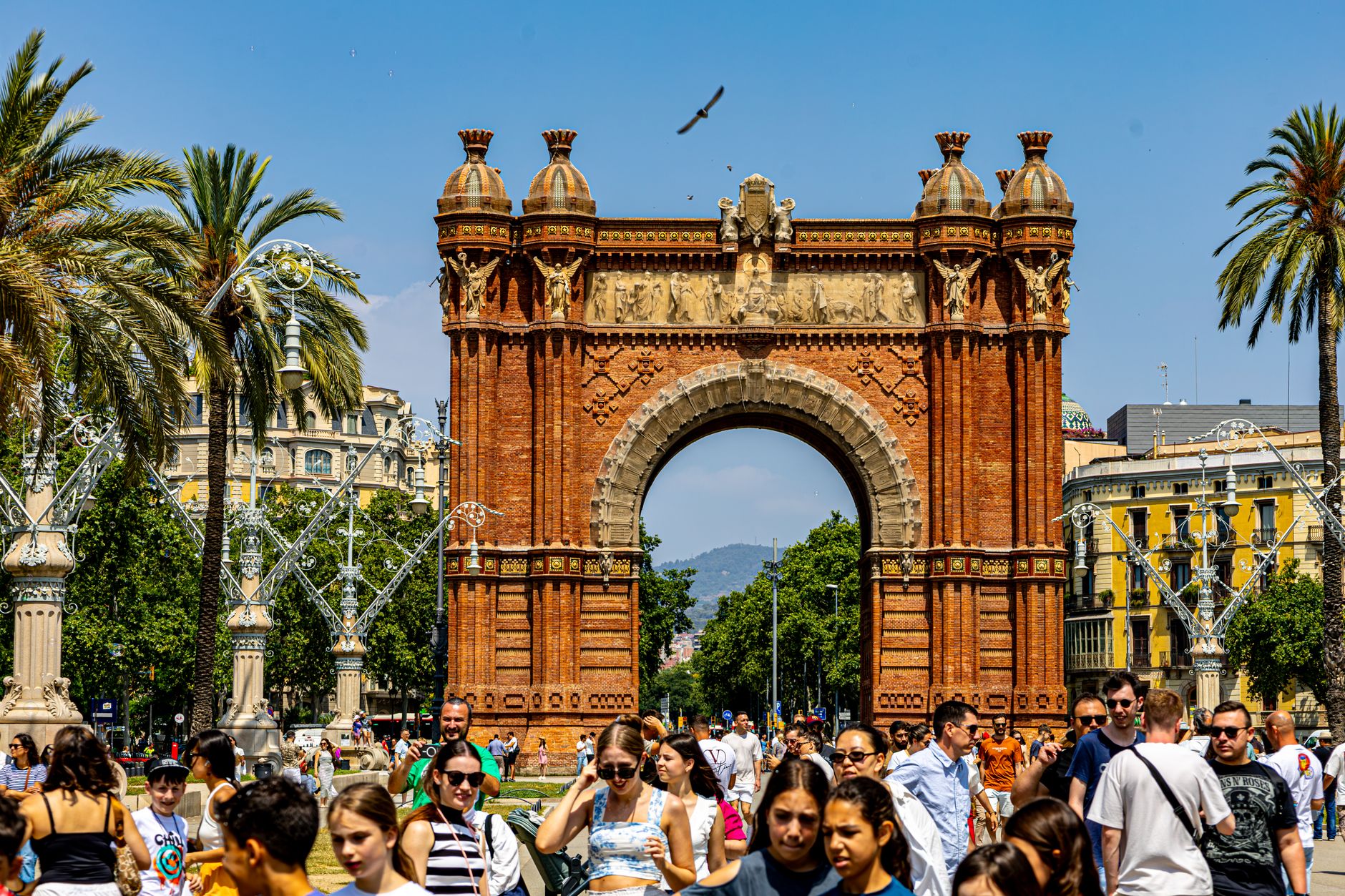
A cannonball is still lodged in the wall at number 17. It has been there since 1714, when Felipe V's troops took Barcelona and ended three centuries of Catalan self-governance. That detail — easy to walk past, easy to miss — tells you something about Passeig del Born: the street holds its history close, in stone and iron, rather than in plaques.
The promenade runs between two cobbled side paths, lined with 14th-century facades, cast-iron lamp posts, and the occasional terrace chair that won't be occupied until well after dark. At one end sits Santa Maria del Mar; at the other, the vast iron skeleton of the Mercat del Born.
💛 What travellers fall for
People who keep coming back tend to arrive before 10am, when the light is low and the delivery vans haven't yet given way to the afternoon crowd. They check the cannonball at number 17, walk the perimeter of the Mercat's cast-iron columns, and end up at No Sé Bar by evening — a place that opens at 8pm and earns its name.
Deals in Passeig des Born
Book directly at the provider

How Passeig des Born came to be
The name comes from the Catalan word for a jousting field, which is what this ground was from the 13th century onward — a place for tournaments, carnivals, and Holy Week processions. The Spanish Inquisition used it for executions in the 16th century. Then, in 1714, it became a stage for something larger: the siege that ended Catalan independence, after which Felipe V's soldiers occupied the district.
The Mercat del Born arrived later, designed in 1873 by municipal architect Antoni Rovira i Trias and built between 1874 and 1878 by Josep Fontserè i Mestre and engineer Josep Maria Cornet i Mas. Its two intersecting domed halls made it the largest covered square in Europe and marked the beginning of Modernisme in Catalan architecture. It operated as a central market until 1971, then reopened as the Born Cultural Centre on September 11, 2013.
Who and what shaped it
People who shaped it
Landmark buildings
See Passeig des Born in motion
Plan your visit
On the map
When to go
Mid-April through mid-June is the sweet spot — temperatures in the low twenties, long evenings, and none of the August heat that can push 34°C with real humidity. Autumn brings the most rain, but mild sunny days in the 18–19°C range still make the morning walk along the cobbles perfectly comfortable.
Right now
Background & history adapted from Wikipedia (CC BY-SA) · specs from Wikidata (CC0) · weather from Open-Meteo · map data © OpenStreetMap contributors · photos from Wikimedia Commons / Unsplash with per-image credit. No third-party reviews or social posts reproduced.