
Passau
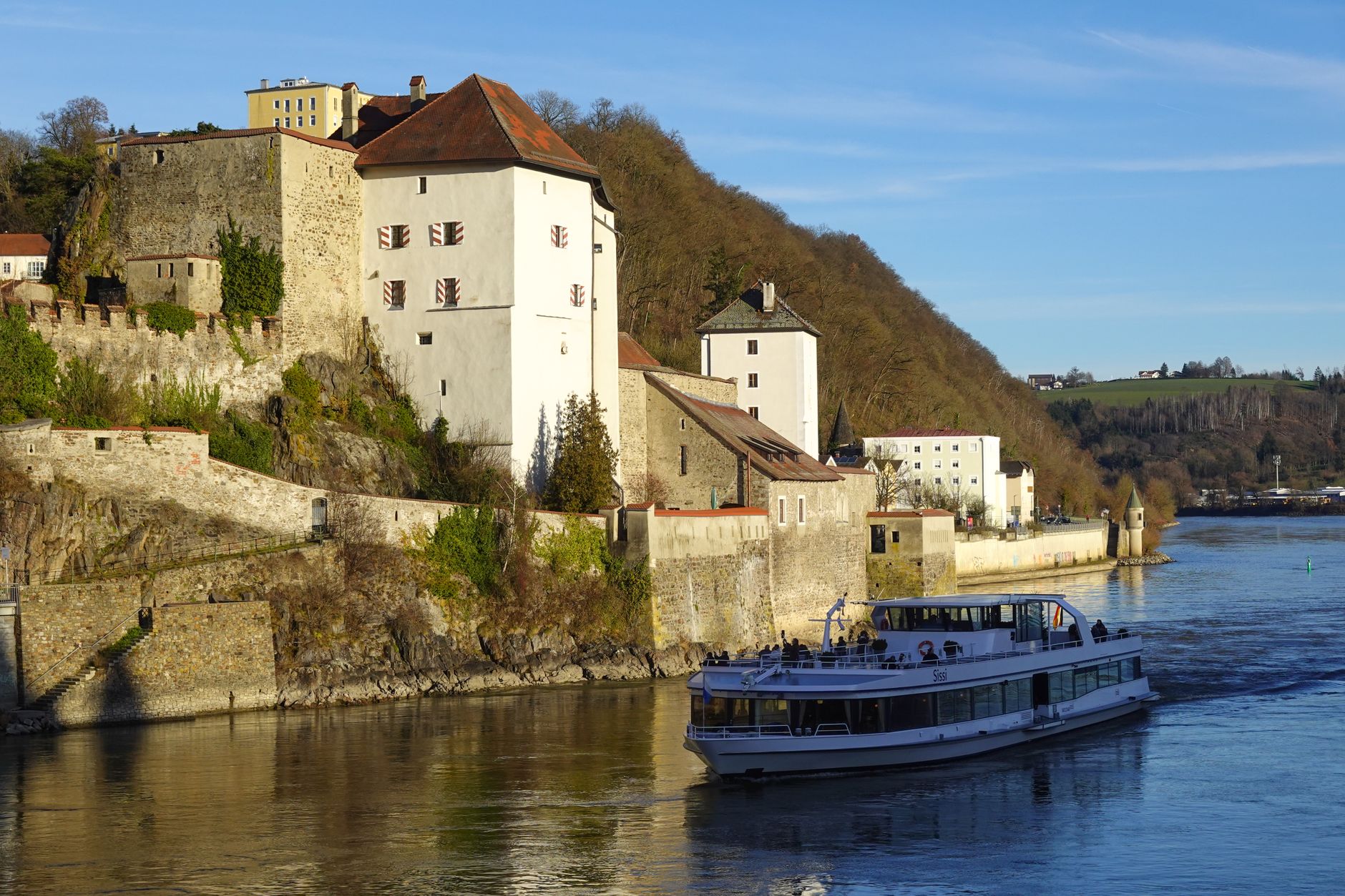
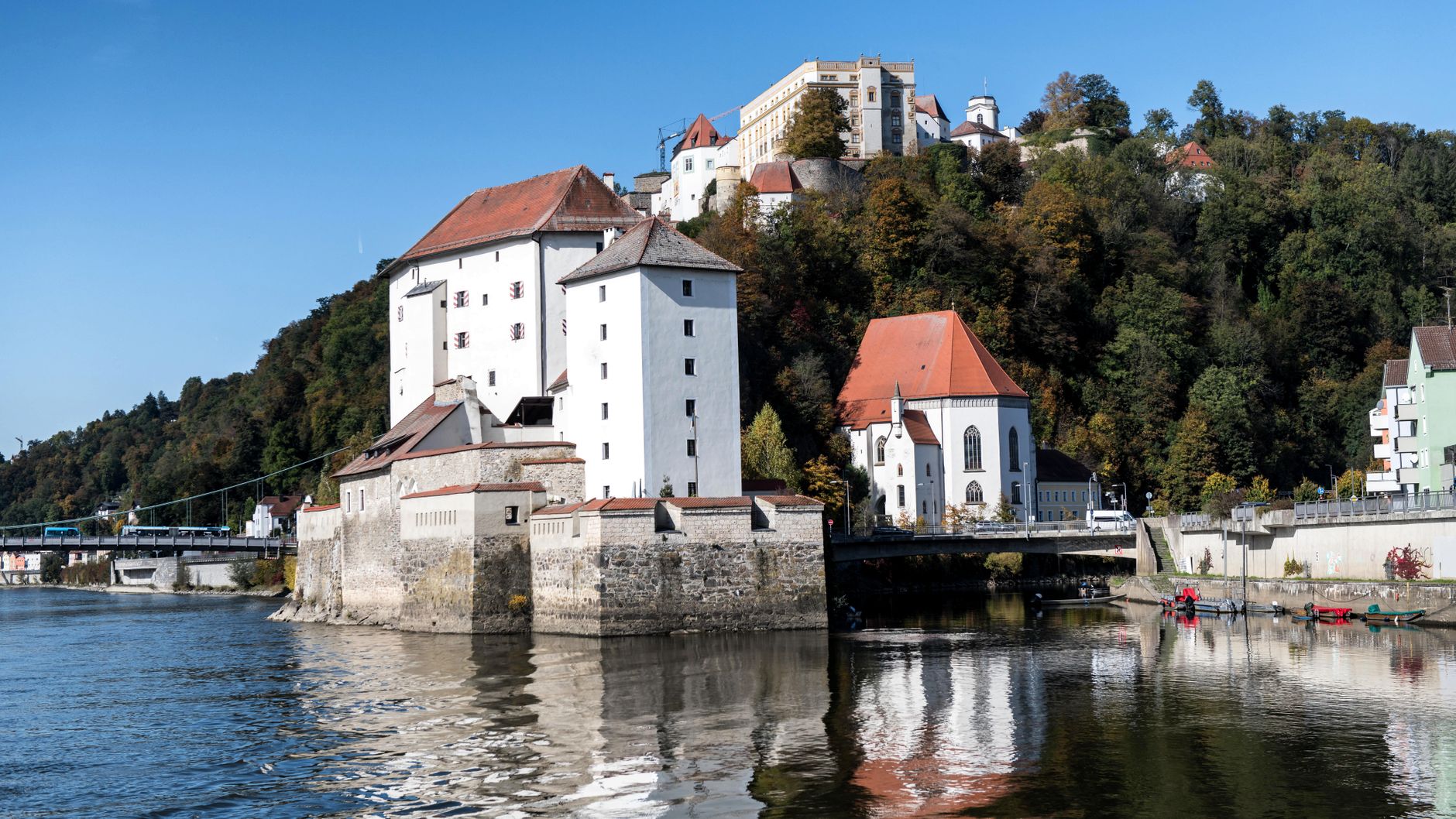
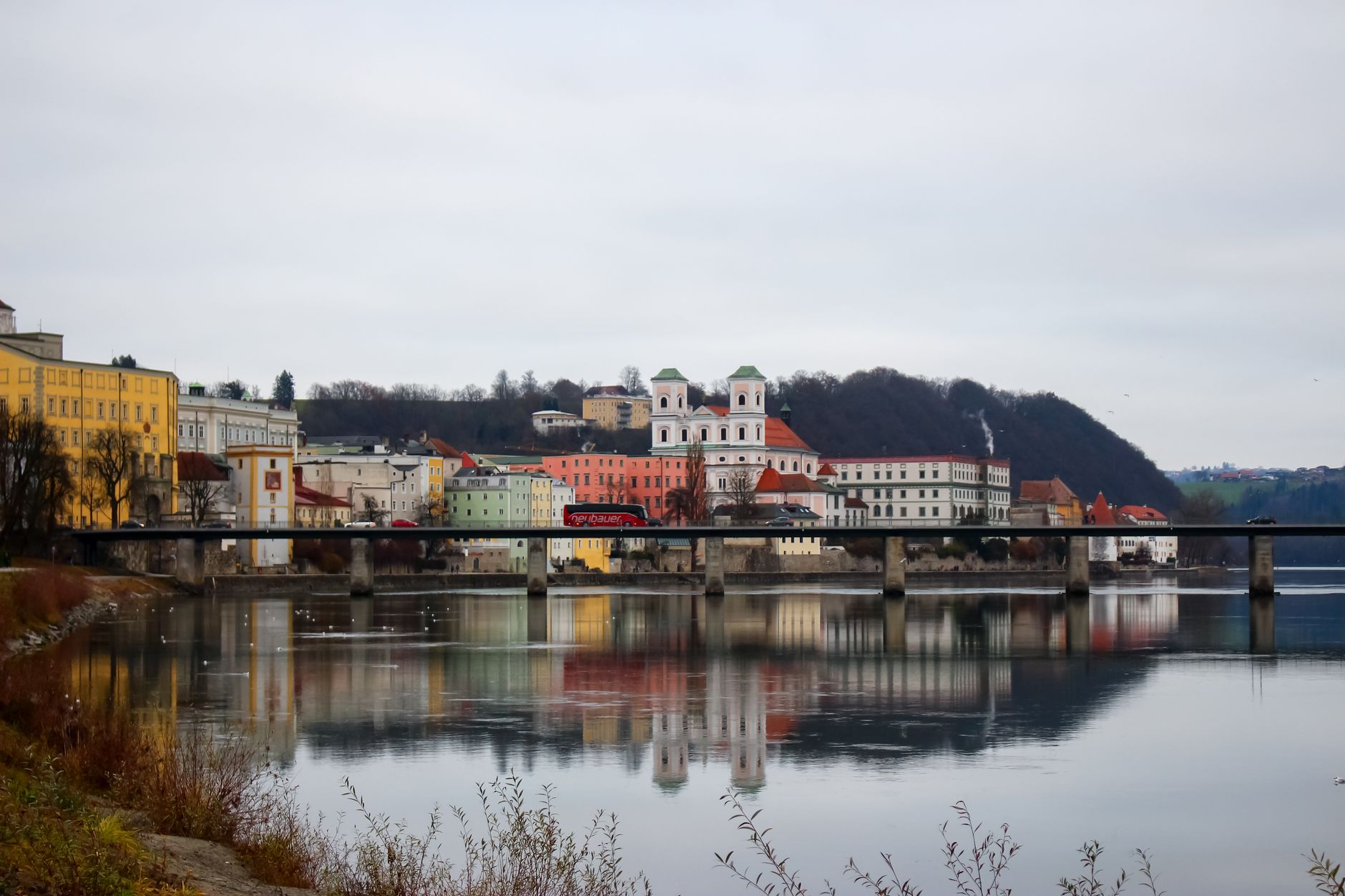
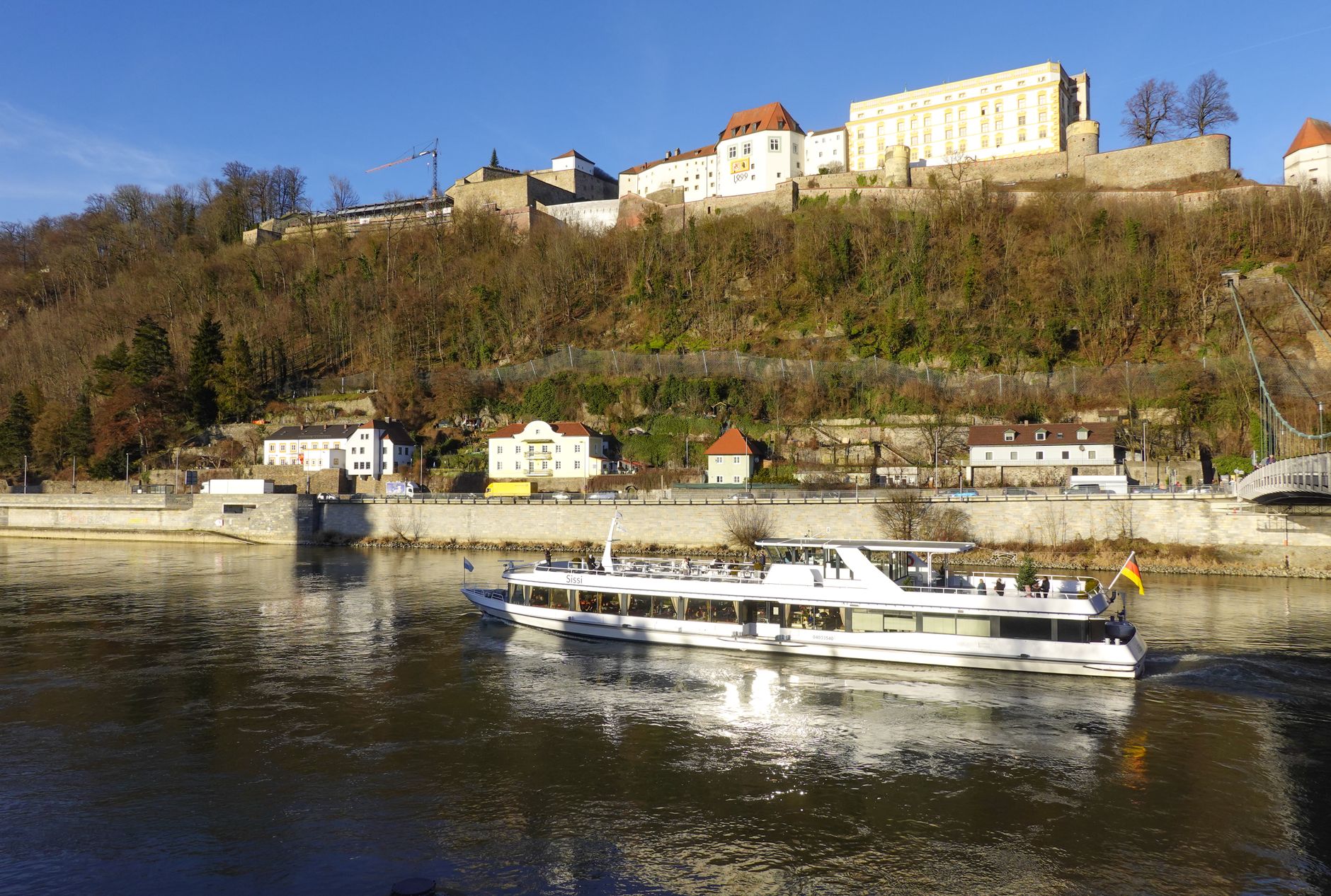
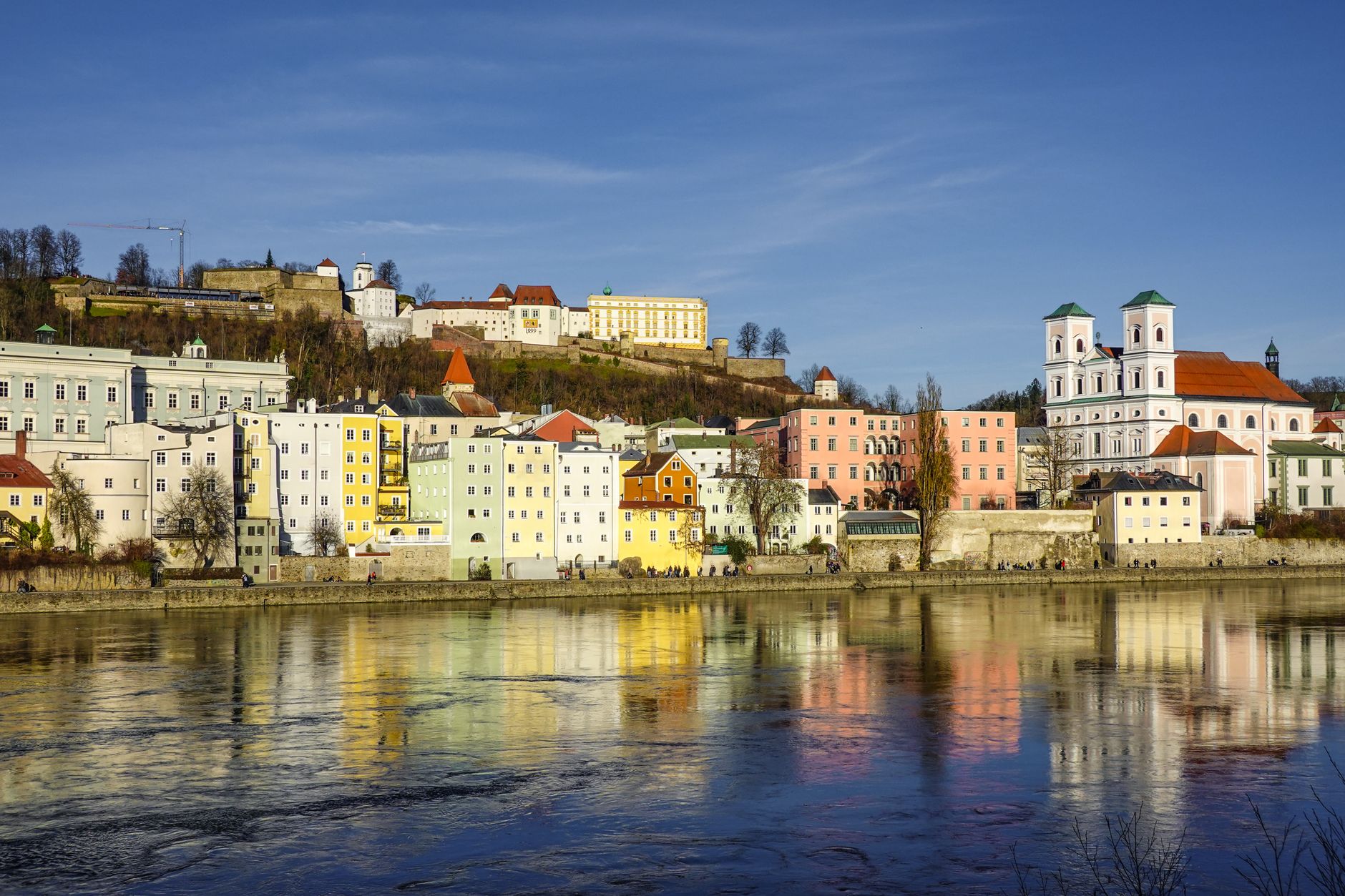
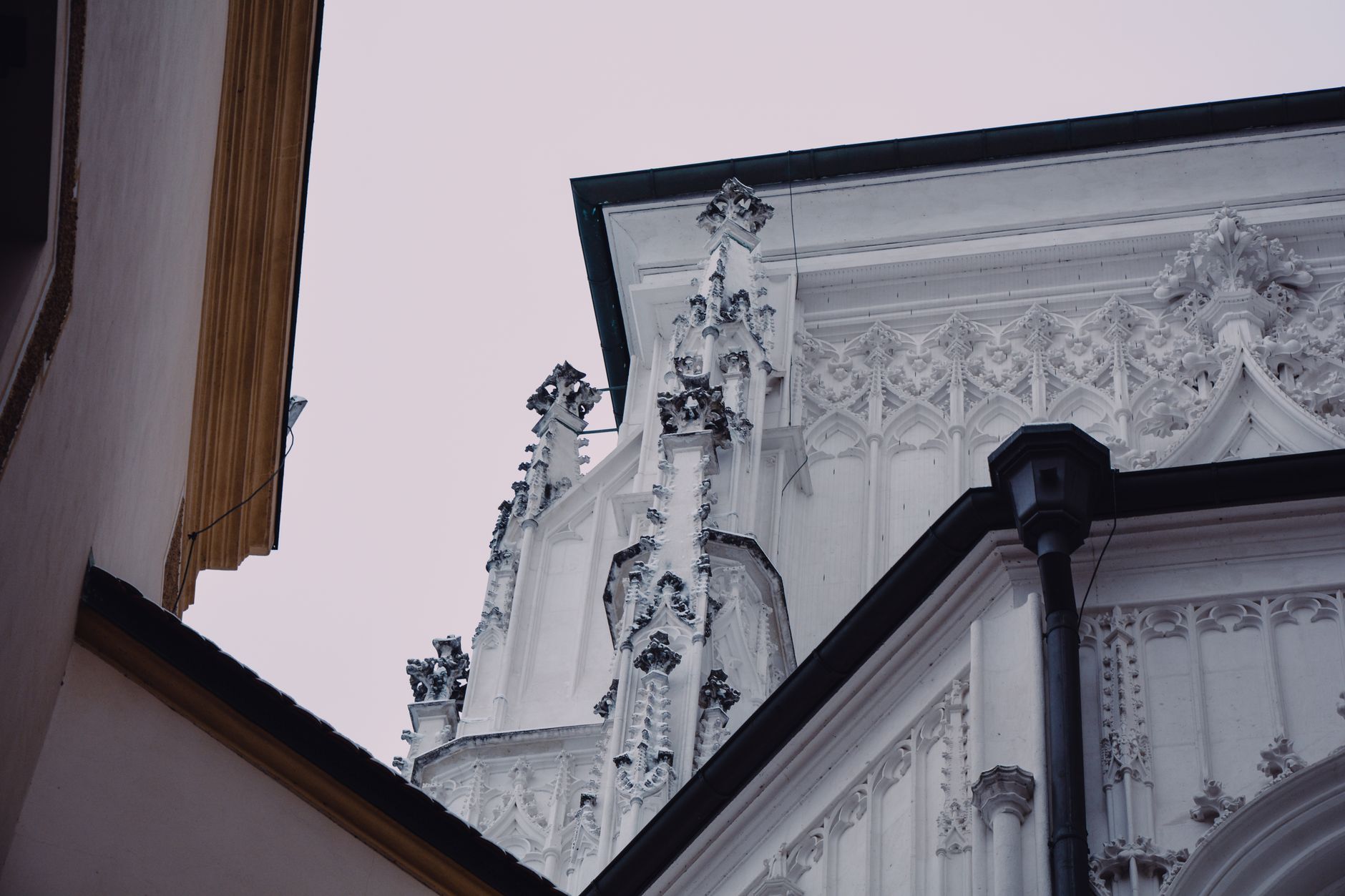
Passau sits at the point where three rivers meet — the dark Ilz, the blue Danube, and the pale green Inn — and the color difference between them is visible from the old town bridges long after the waters have merged. The city occupies a narrow peninsula, which means the streets run close and the hills rise steeply, and the whole thing feels more Italian than Bavarian: the cathedral is full of Roman stucco work, the facades are ochre and cream, and the organ inside has 17,974 pipes.
This is a city shaped by water and by the ambitions of prince-bishops, and both left their marks. Floods have climbed the walls of the Altes Rathaus for centuries — the high-water marks are still there, stacked up the stonework like growth rings.
💛 What travellers fall for
People who come back tend to time an organ concert at St. Stephen's — tickets run €10–€20, and the daily noon recital fills the nave with something close to physical pressure. The walk up to Veste Oberhaus is steeper than it looks on the map, but the view of the three rivers converging below is worth every step.
Deals in Passau
Book directly at the provider


How Passau came to be
The ground under Passau has been occupied since Rome held the Danube frontier: the castrum Batavis stood on the Altstadt peninsula, while Boiotro guarded the opposite bank in what is now Innstadt. After the legions withdrew, St. Severinus founded a monastery in the 5th century, and in 739 Archbishop Boniface established the Diocese of Passau, which grew into the largest diocese in the German Kingdom.
A catastrophic fire in 1662 erased much of the medieval city, and the prince-bishops rebuilt in the Baroque idiom they knew from Italy — Carlo Lurago drew up the cathedral plan, Giovanni Battista Carlone handled the interior decoration, and Carpoforo Tencalla painted the frescoes. That Italian chapter ended with Napoleonic secularization in the early 19th century, when the prince-bishops lost their temporal power and Passau became an administrative and rail hub instead.
Who and what shaped it
People who shaped it
Landmark buildings
See Passau in motion
Plan your visit
On the map
When to go
Summers are mild — highs around 24–25°C in July and August, with long evenings and reasonable sunshine — though July is also the wettest month, so a layer for afternoon showers is sensible. Winters sit just above freezing on average, with frost most nights and snow likely in December and January; the crowds thin considerably and the cathedral feels different in the cold.
Right now
Background & history adapted from Wikipedia (CC BY-SA) · specs from Wikidata (CC0) · weather from Open-Meteo · map data © OpenStreetMap contributors · photos from Wikimedia Commons / Unsplash with per-image credit. No third-party reviews or social posts reproduced.