
Palermo
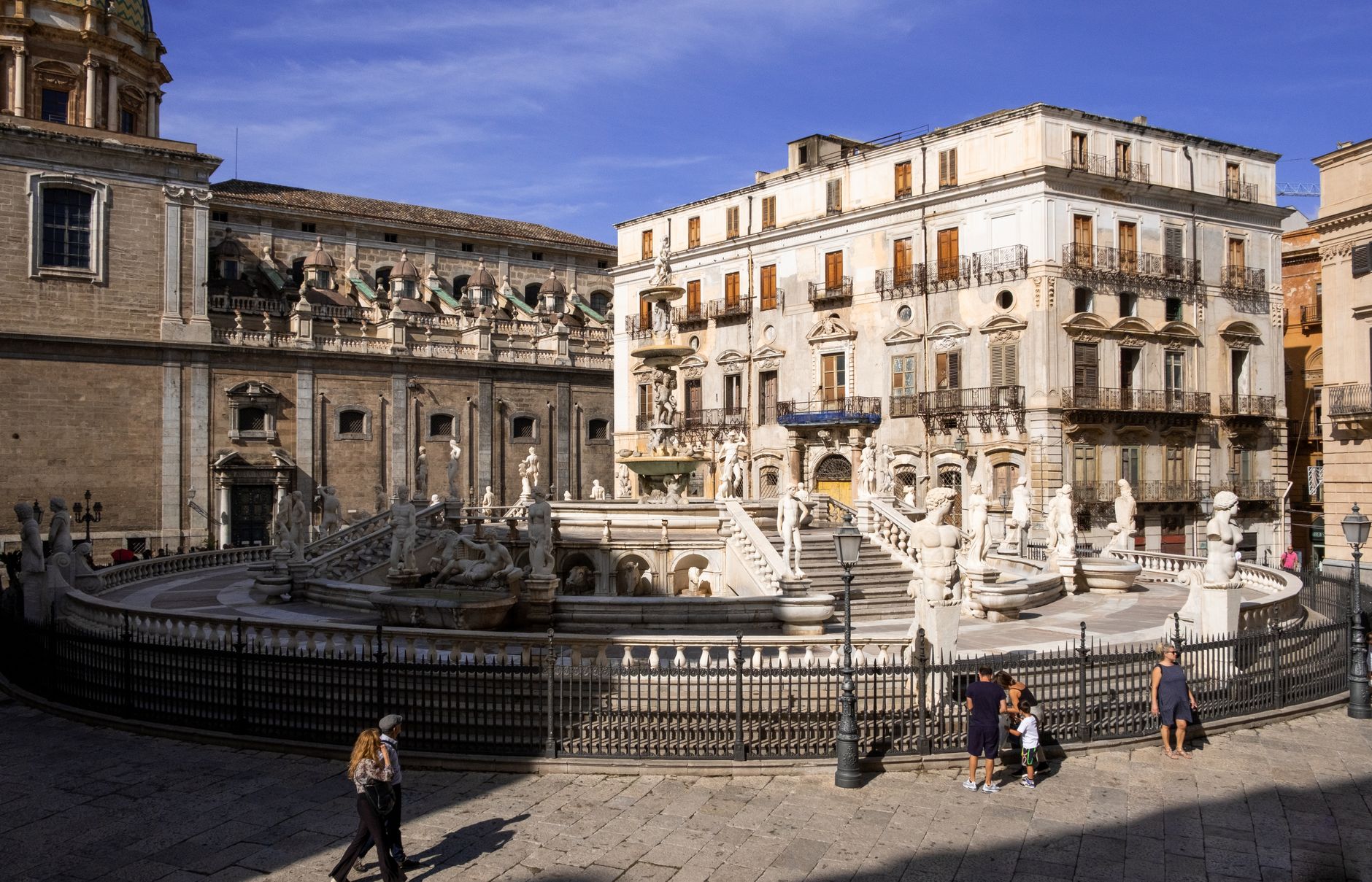
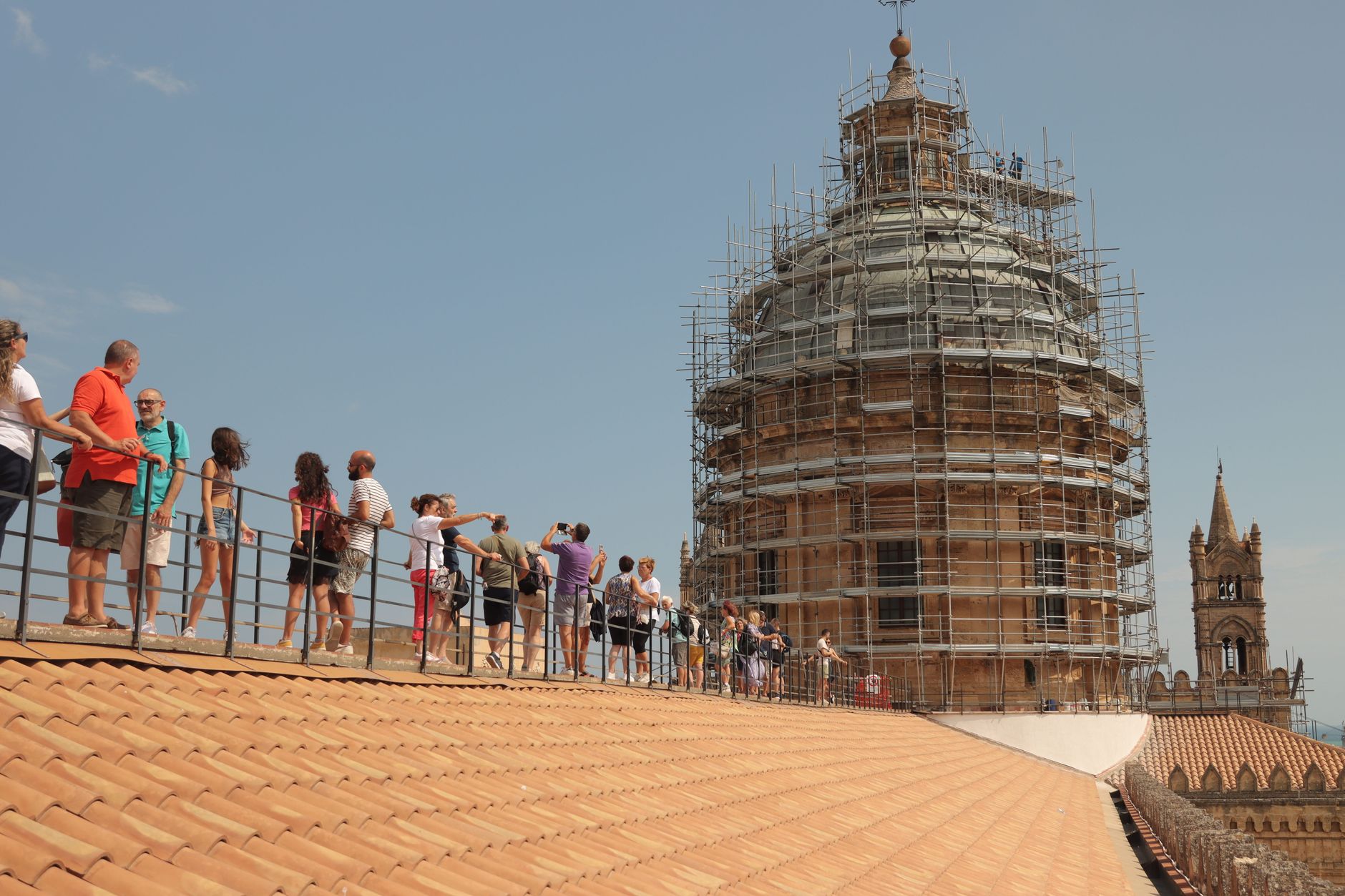
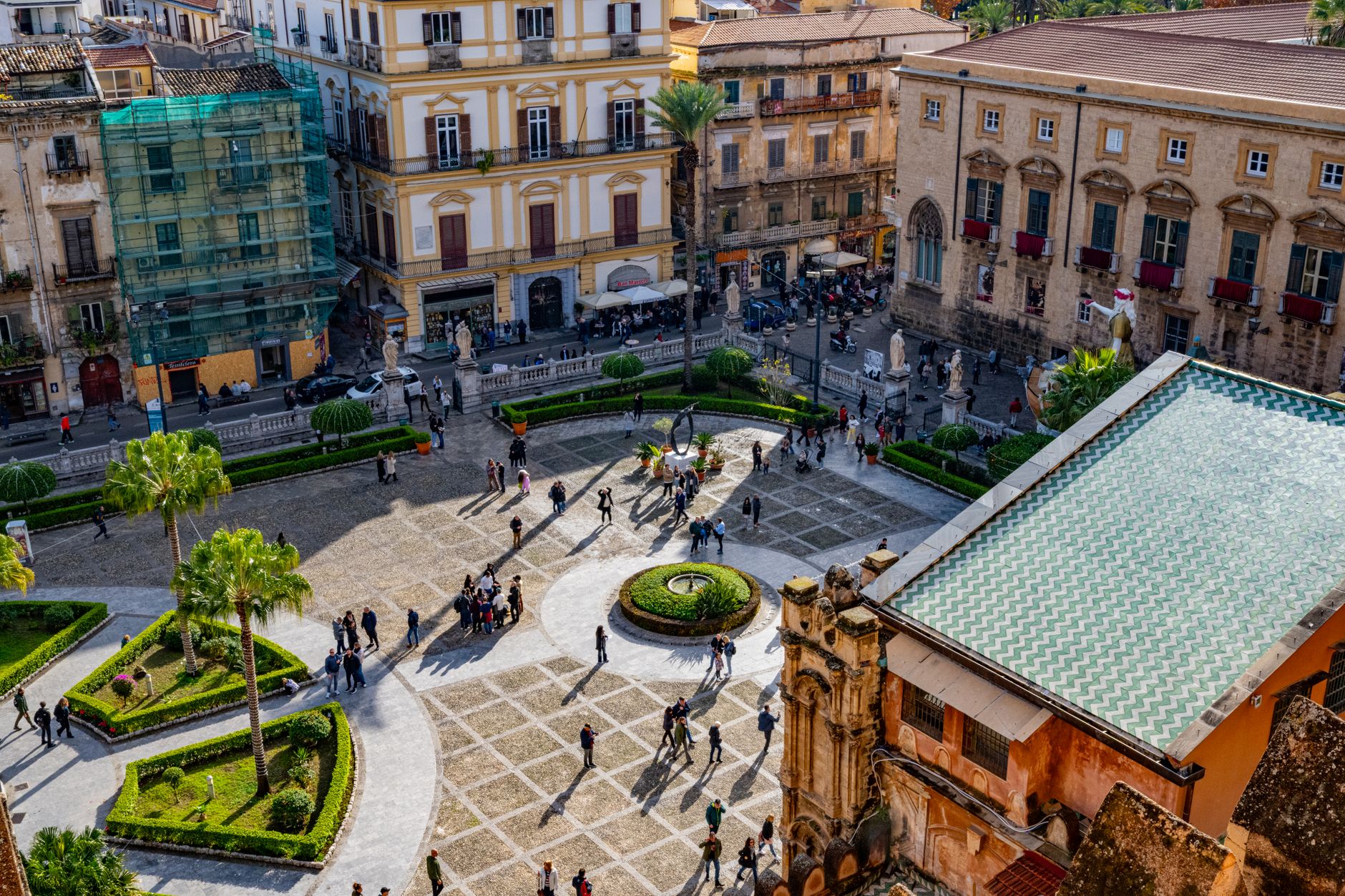
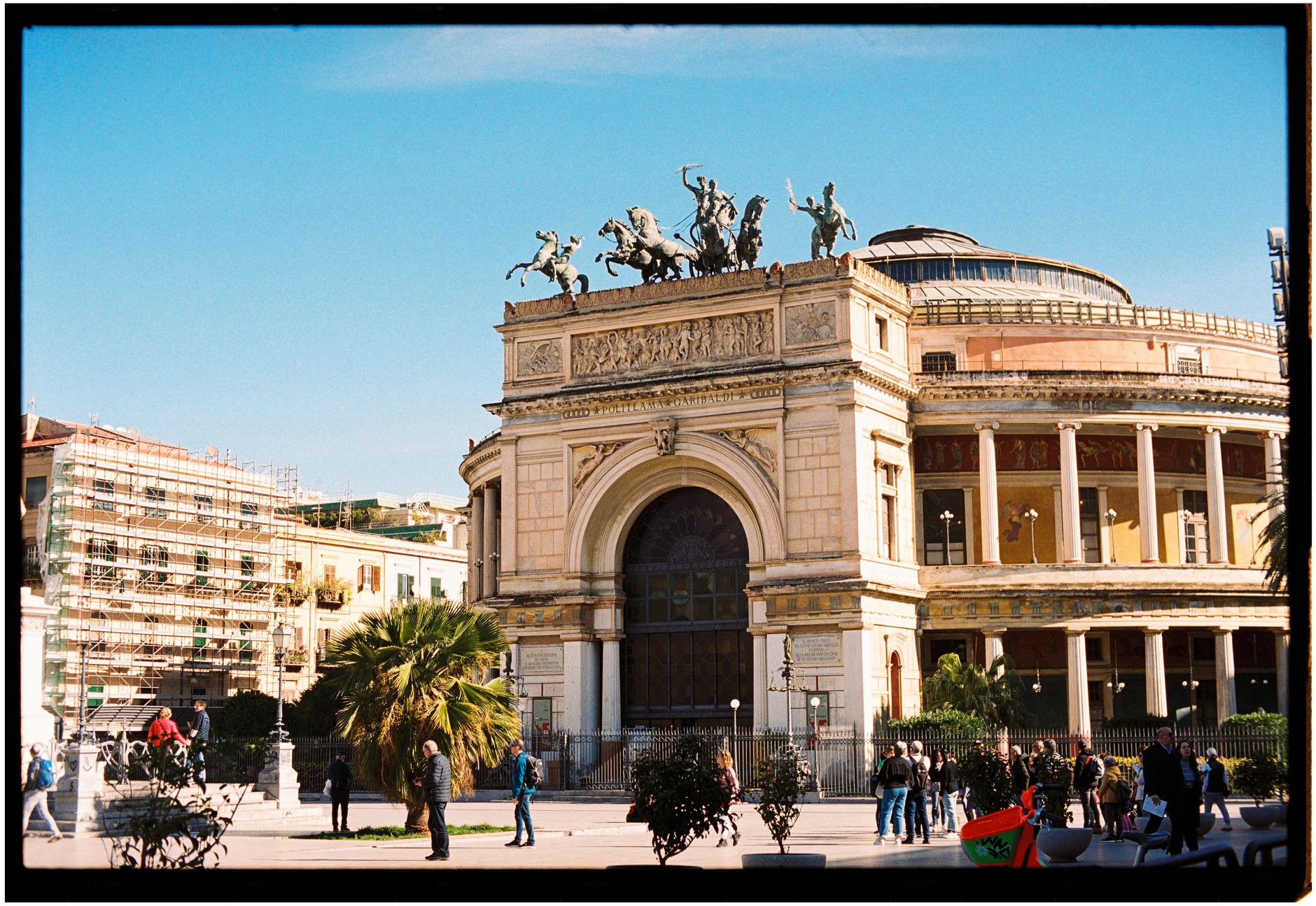
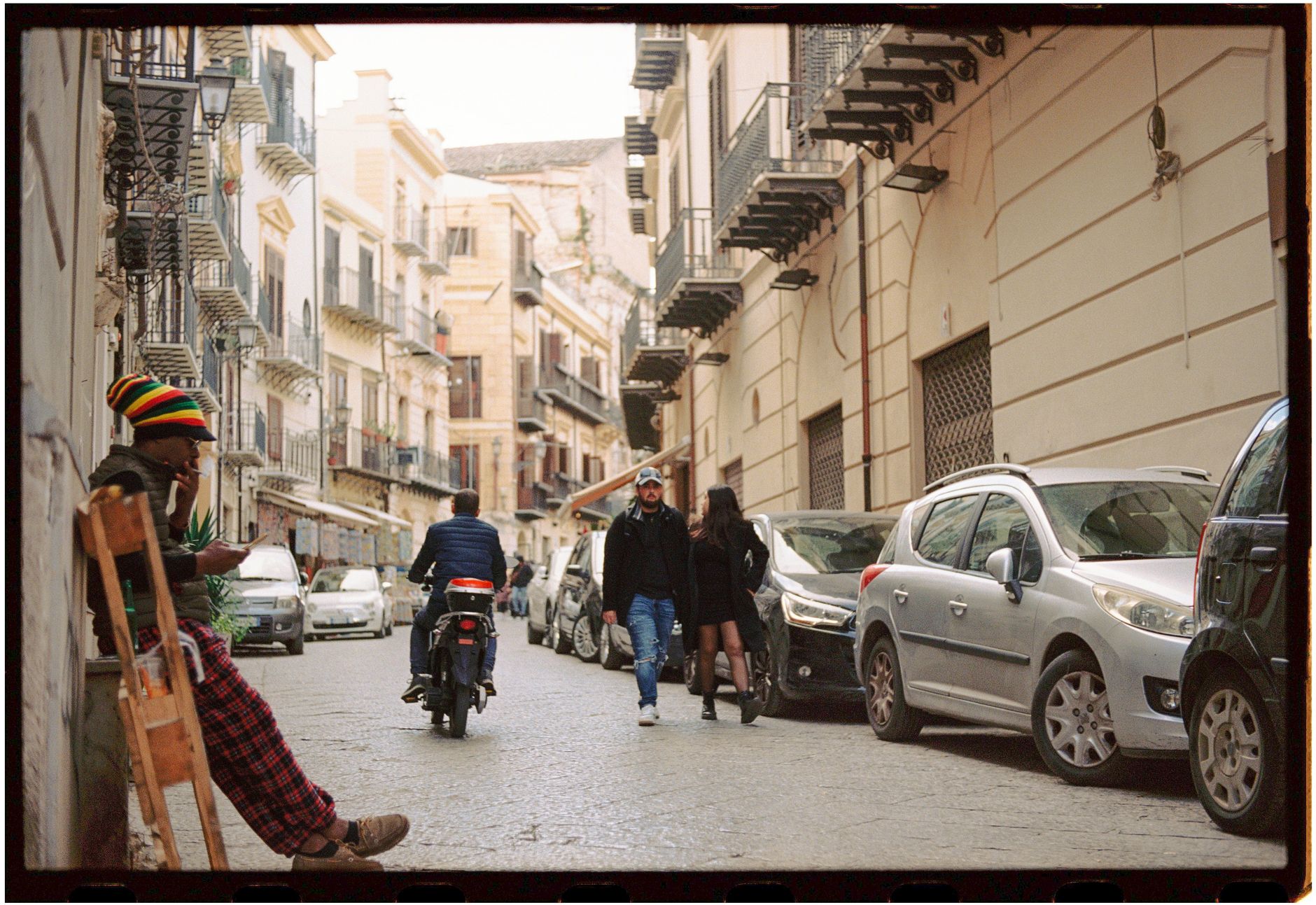
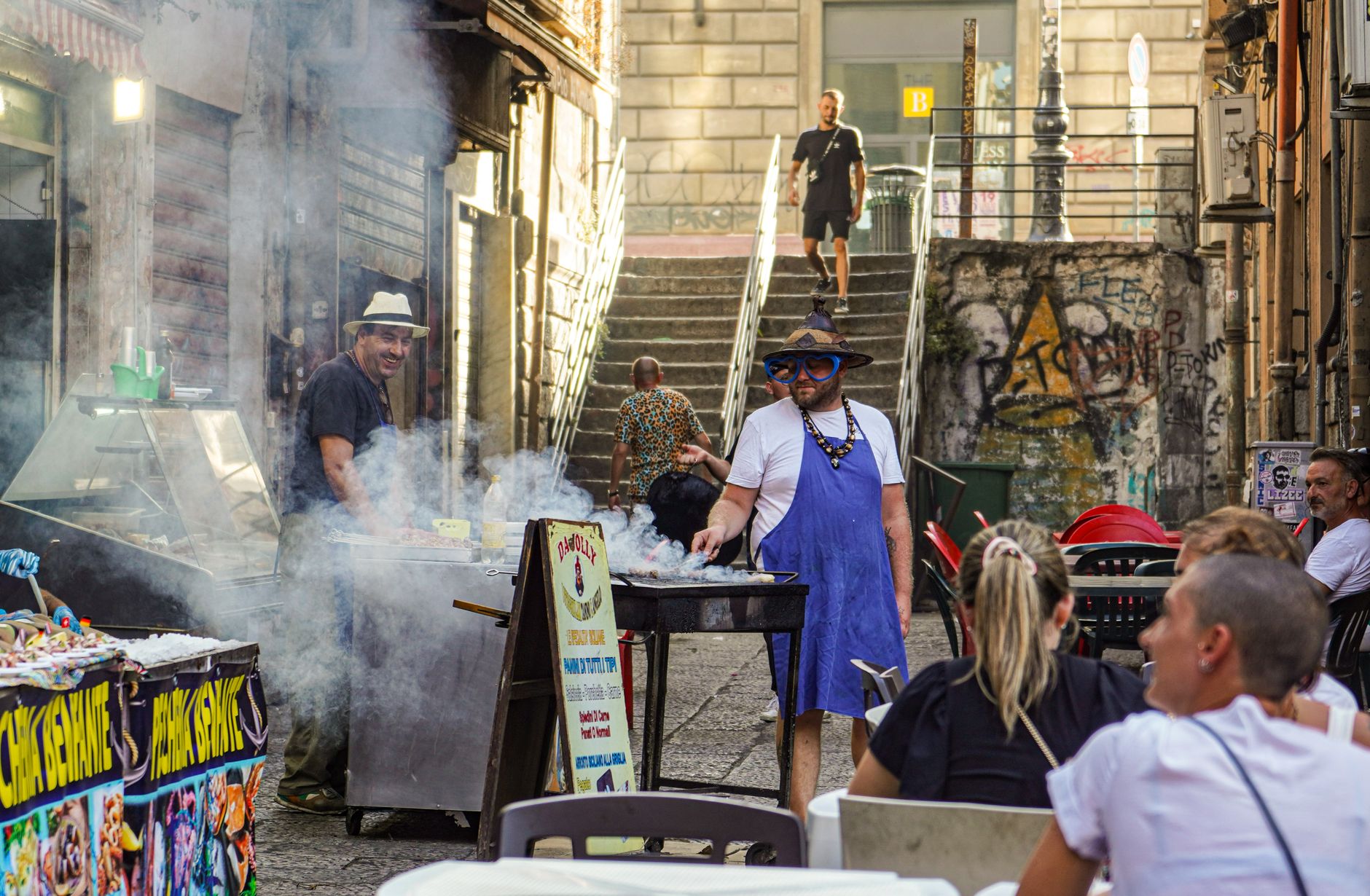
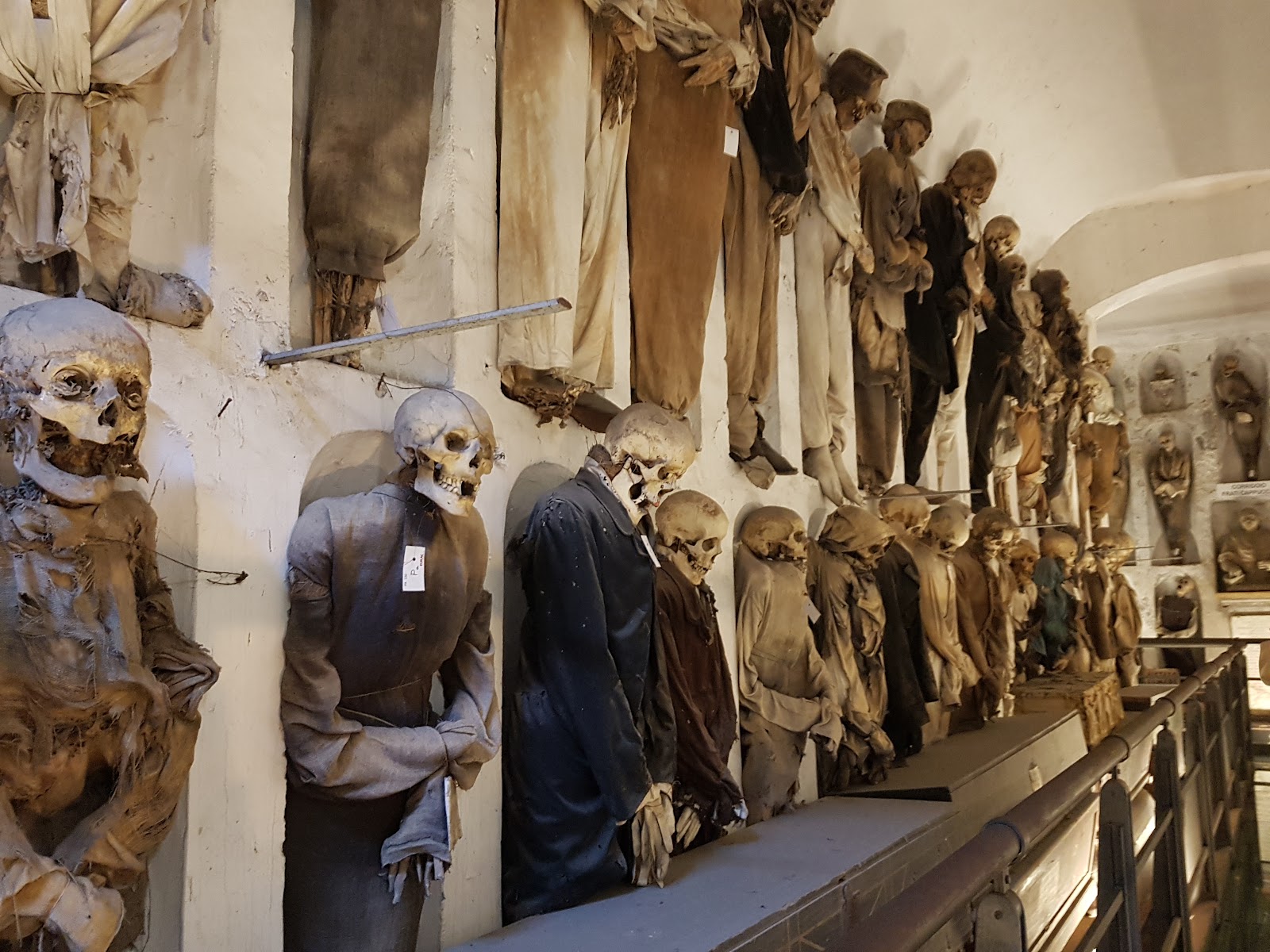
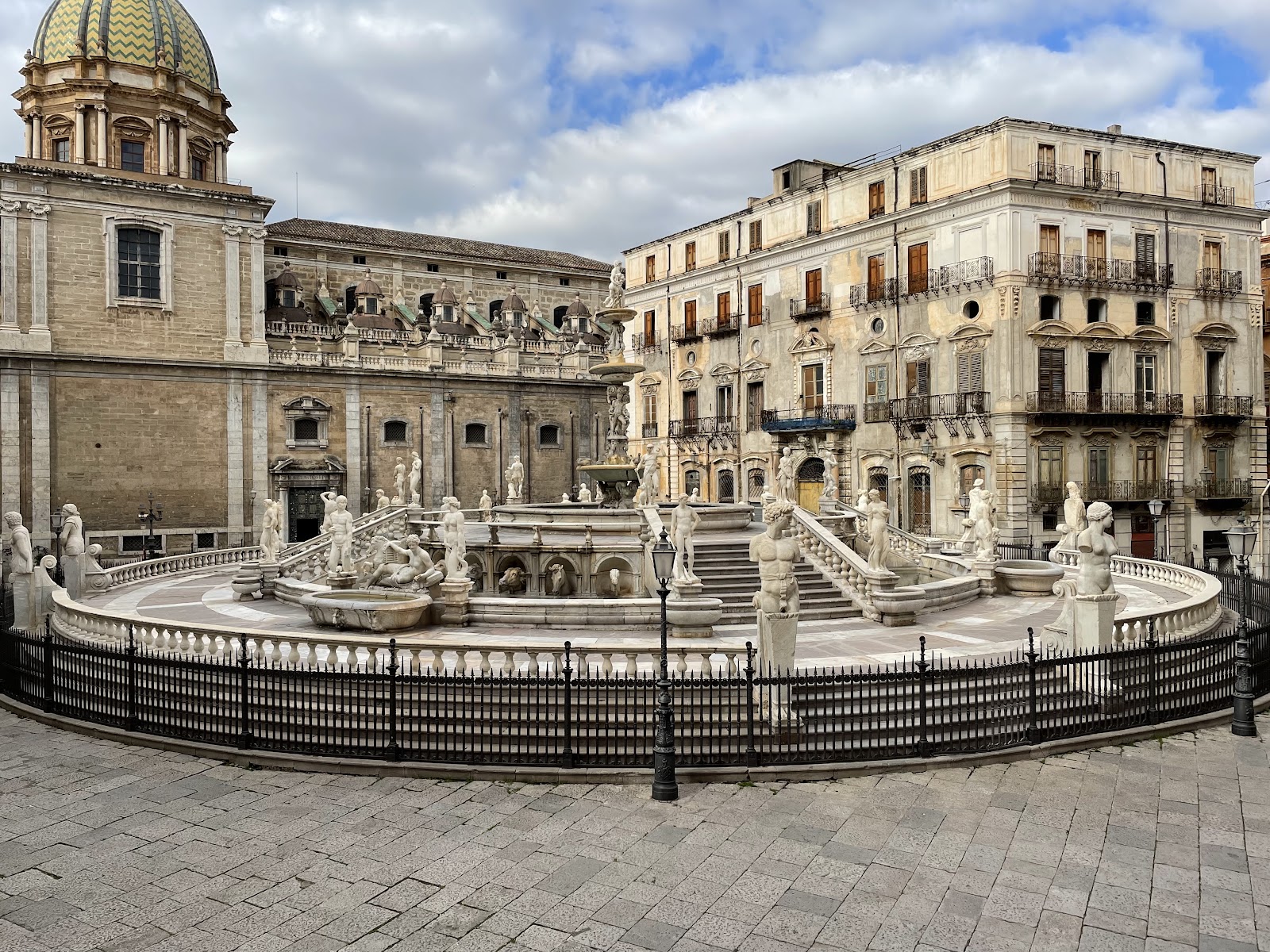
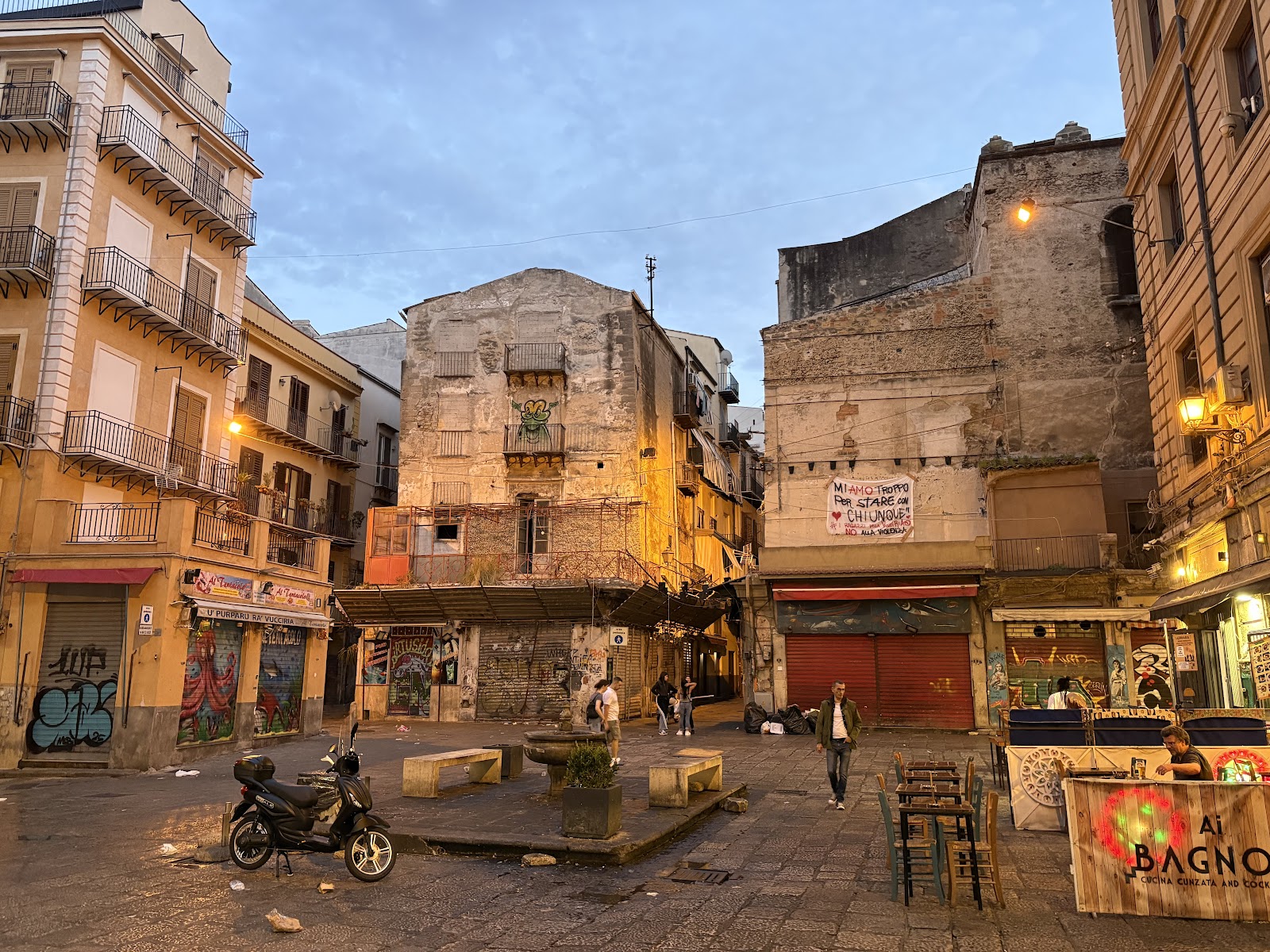
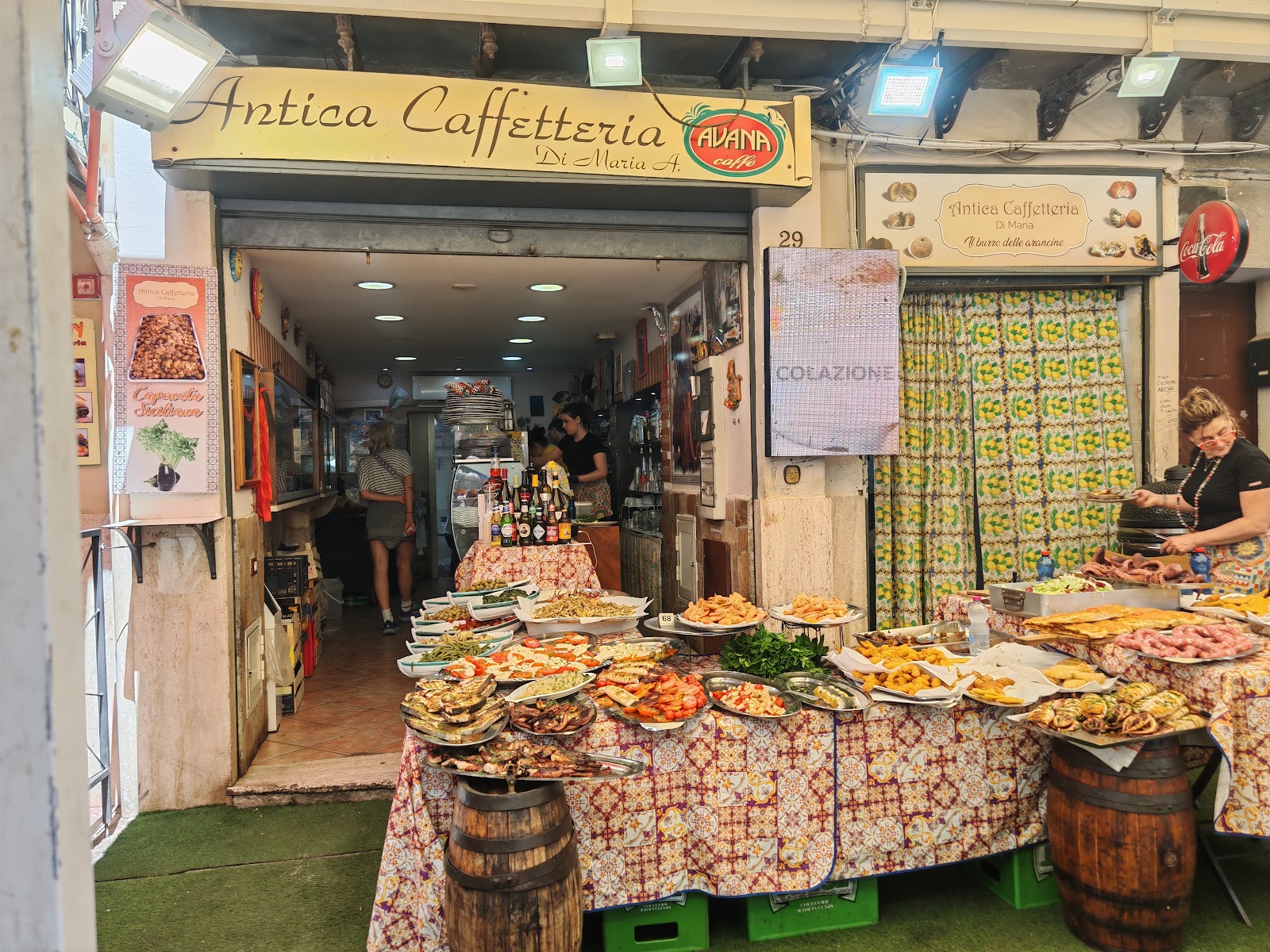
Palermo announces itself through contradiction: a Baroque fountain of naked figures stands in a piazza ringed by churches, Arab-Norman domes rise in brick-red clusters above streets that smell of frying street food, and the bones of eight thousand mummified citizens lie dressed for eternity in catacombs beneath a Capuchin monastery. This is a city that has been Phoenician, Carthaginian, Roman, Arab, Norman, Spanish, and Italian — sometimes in quick succession — and it kept something from each.
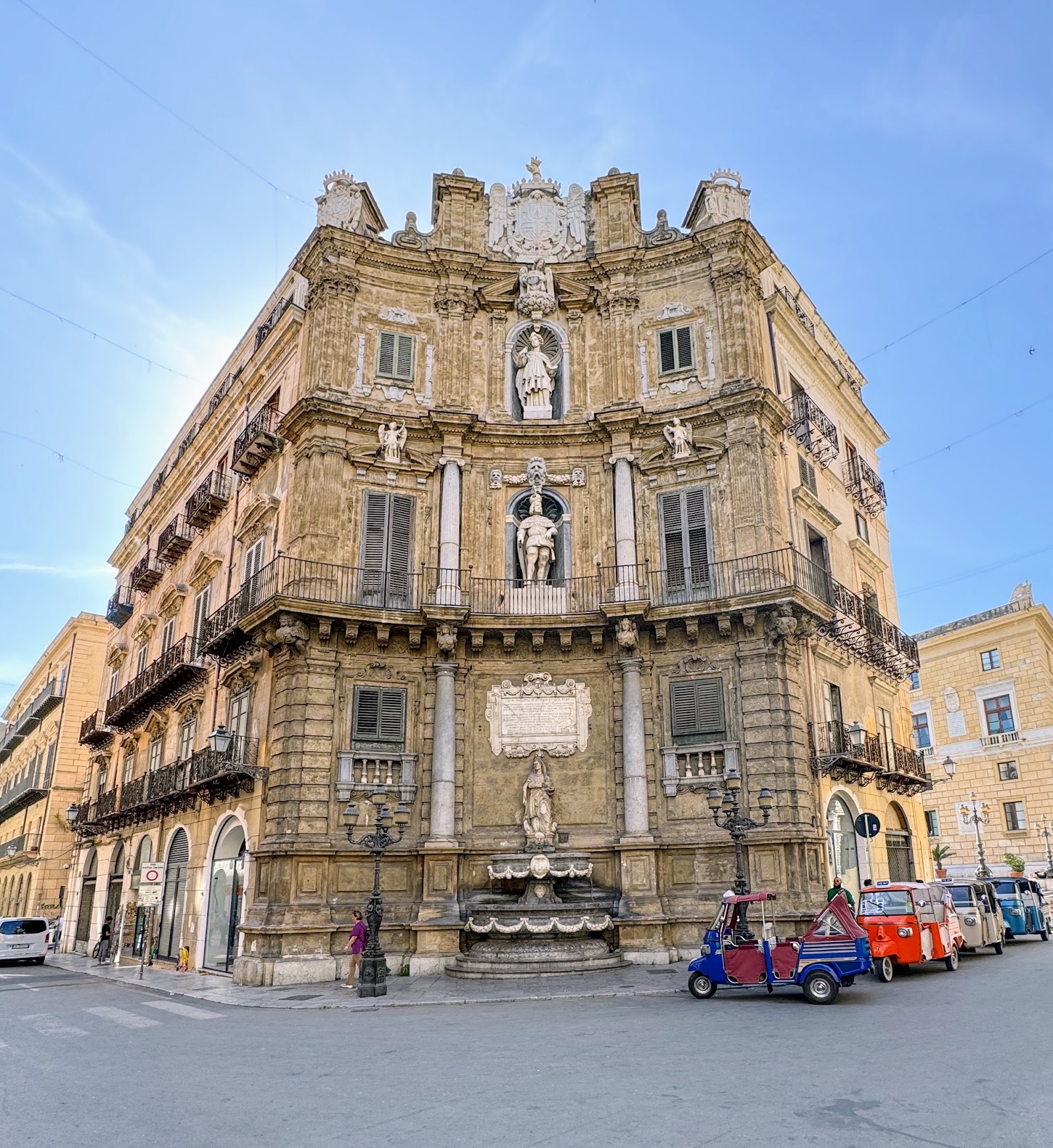
The center is walkable and legible once you find your bearings at the Quattro Canti, the baroque crossroads that divides the old city into four quarters. From there, almost everything worth your time is within a twenty-minute walk.
💛 What travellers fall for
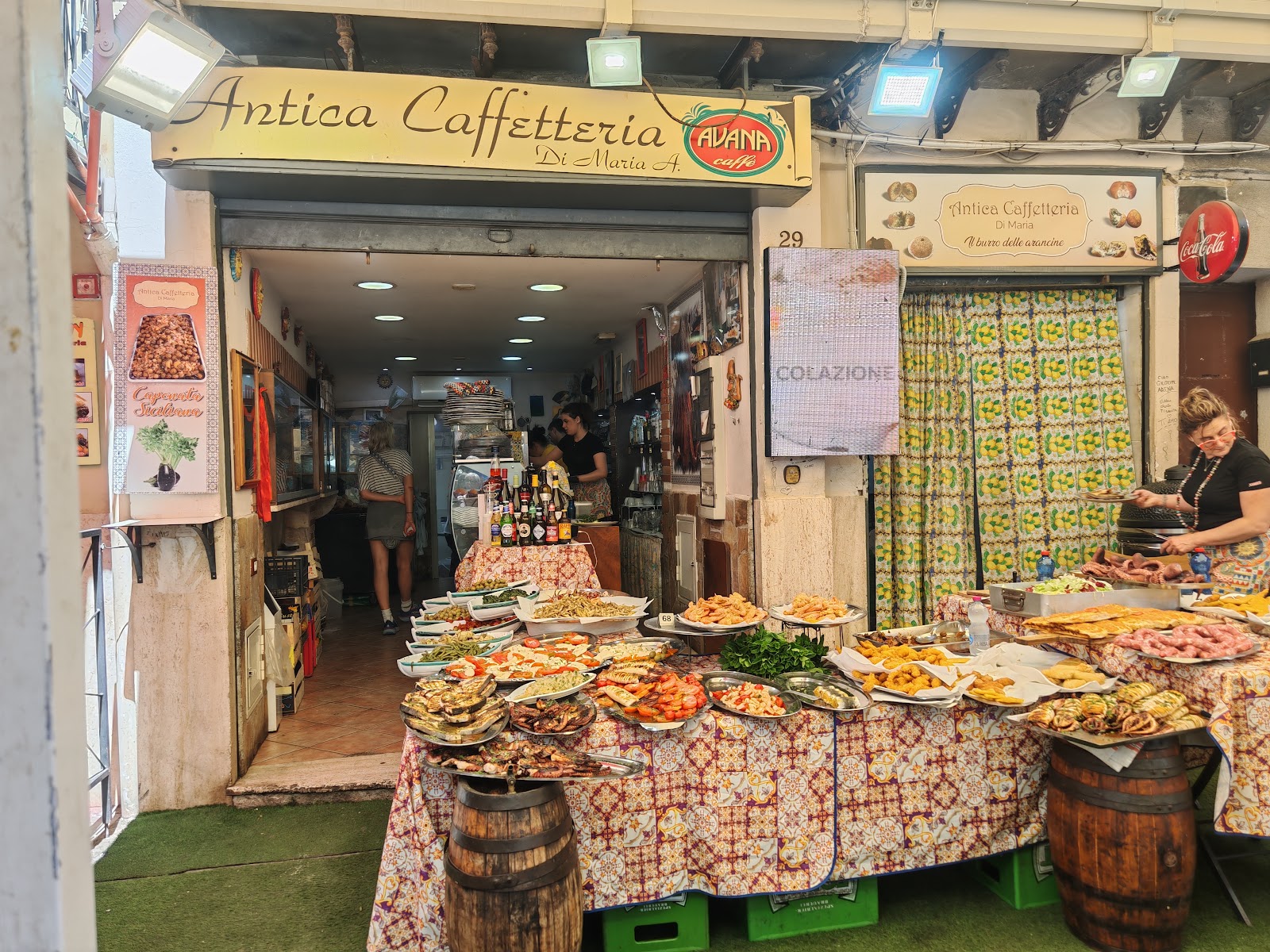
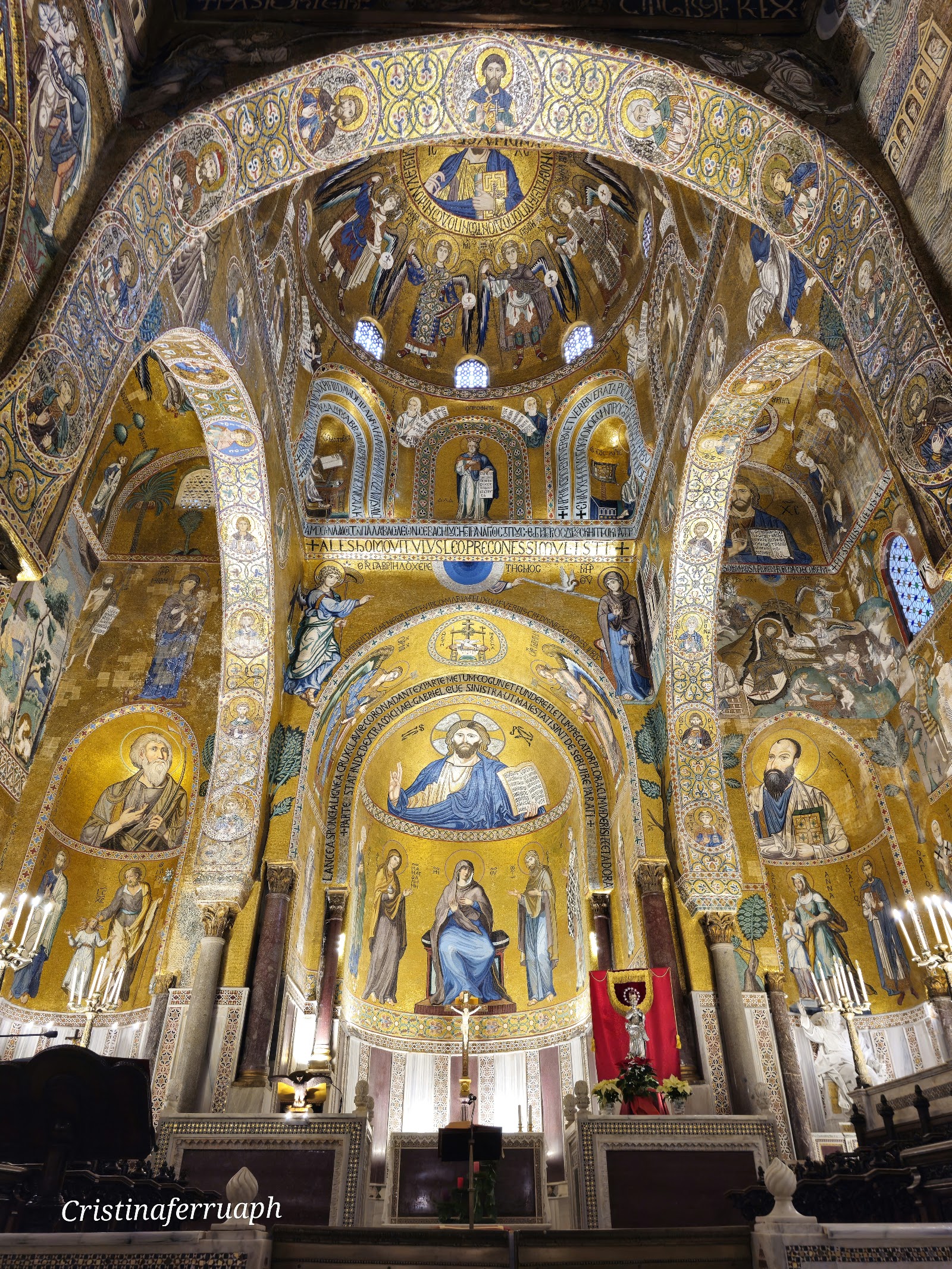
People who come back tend to mention the same morning: coffee at a bar near the Ballarò market before the stalls get crowded, then straight into the Palatine Chapel before the tour groups arrive. The mosaics in there — Greek craftsmen from Constantinople working inside a ceiling carved in the Islamic style — reward a second visit more than almost anything else in Sicily.
Deals in Palermo
Book directly at the provider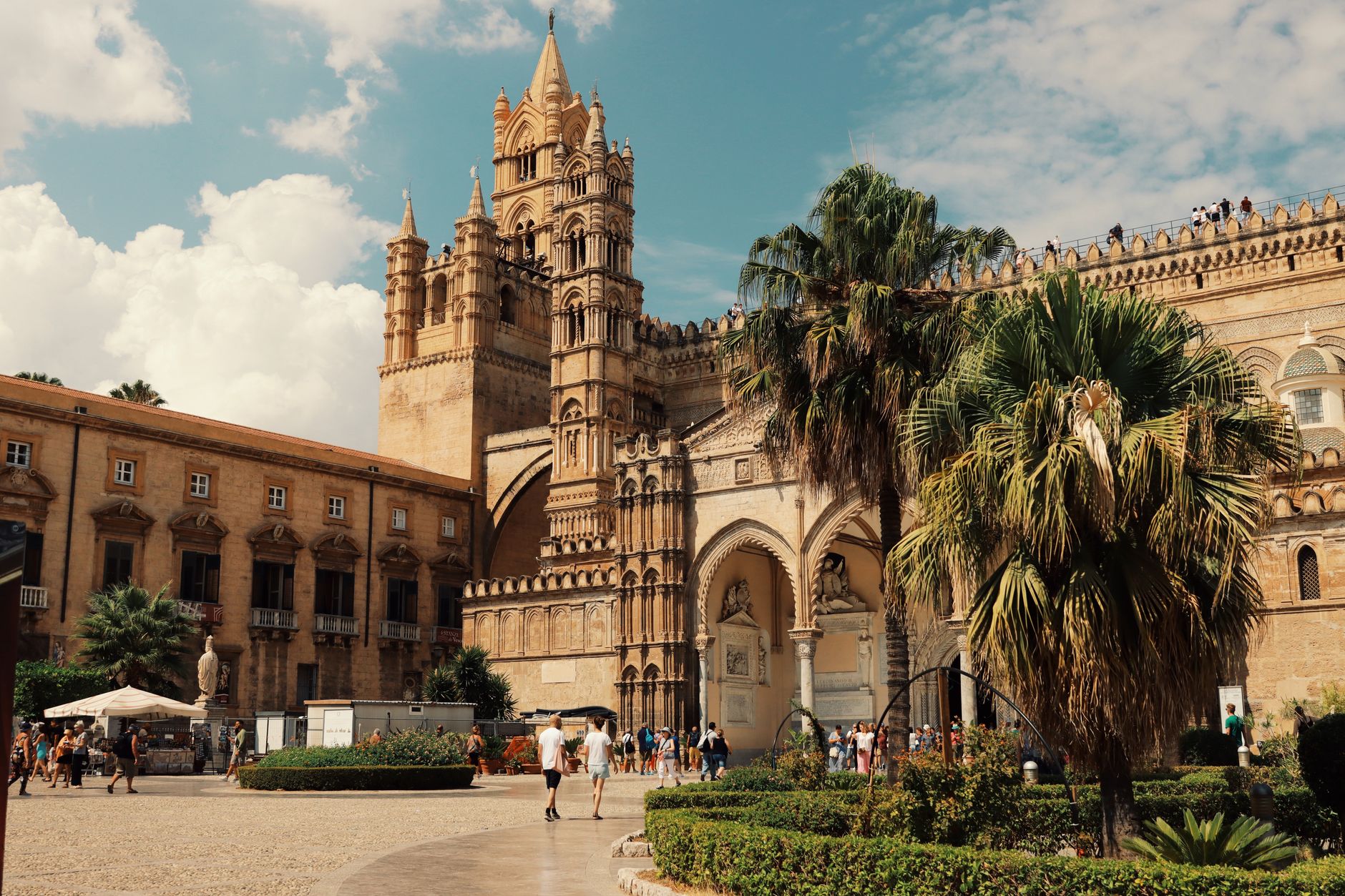


How Palermo came to be
Palermo was founded around 734 BC by the Phoenicians, who called it Sis. The Greeks knew it as Panormos — a name the Carthaginians later stamped on their coins — before it passed to Rome and spent centuries as a provincial town. The city's first real moment of consequence came under Arab rule from 831 to 1072, when it became the capital of Sicily and grew into one of the largest cities in Europe.
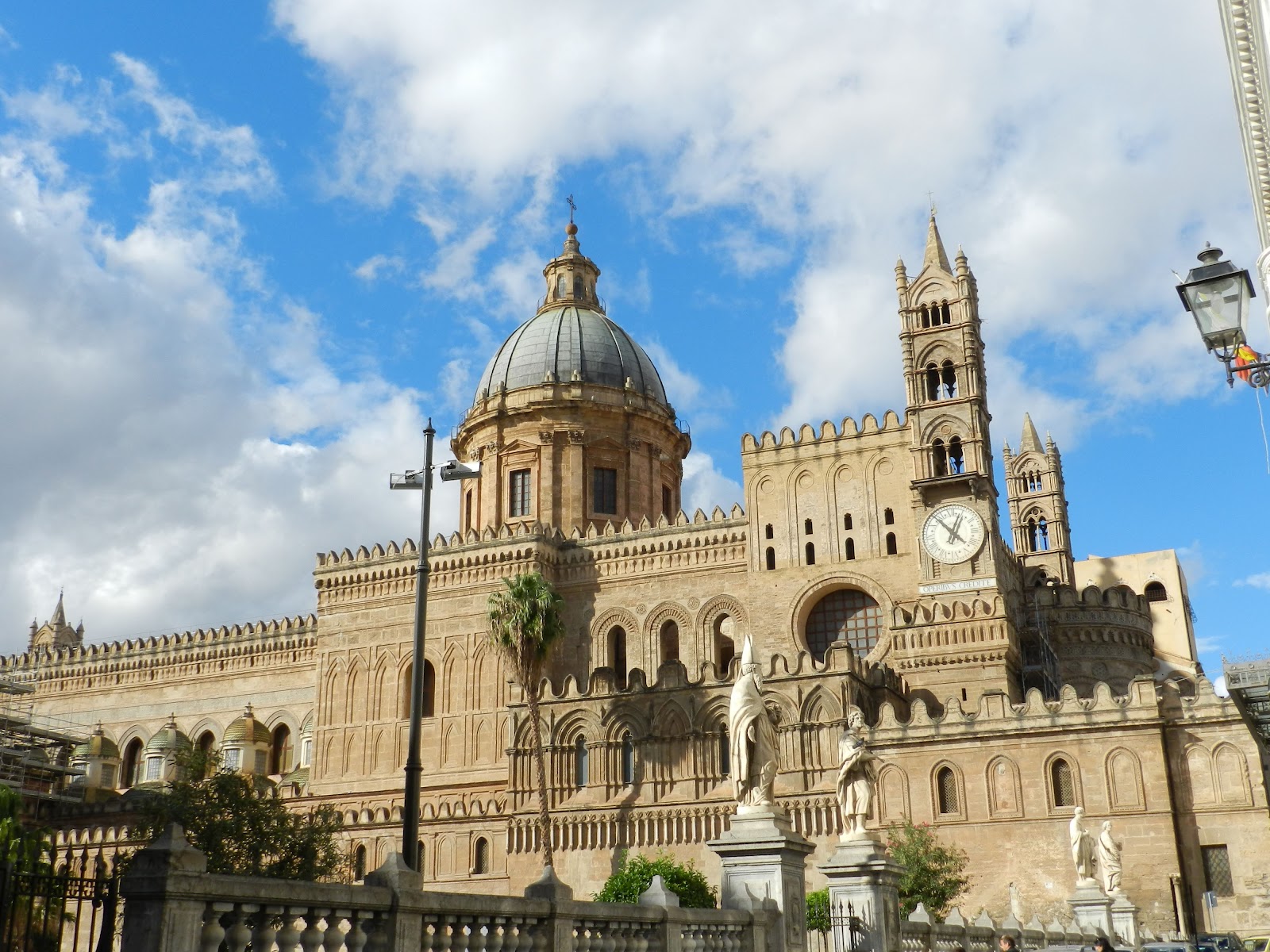
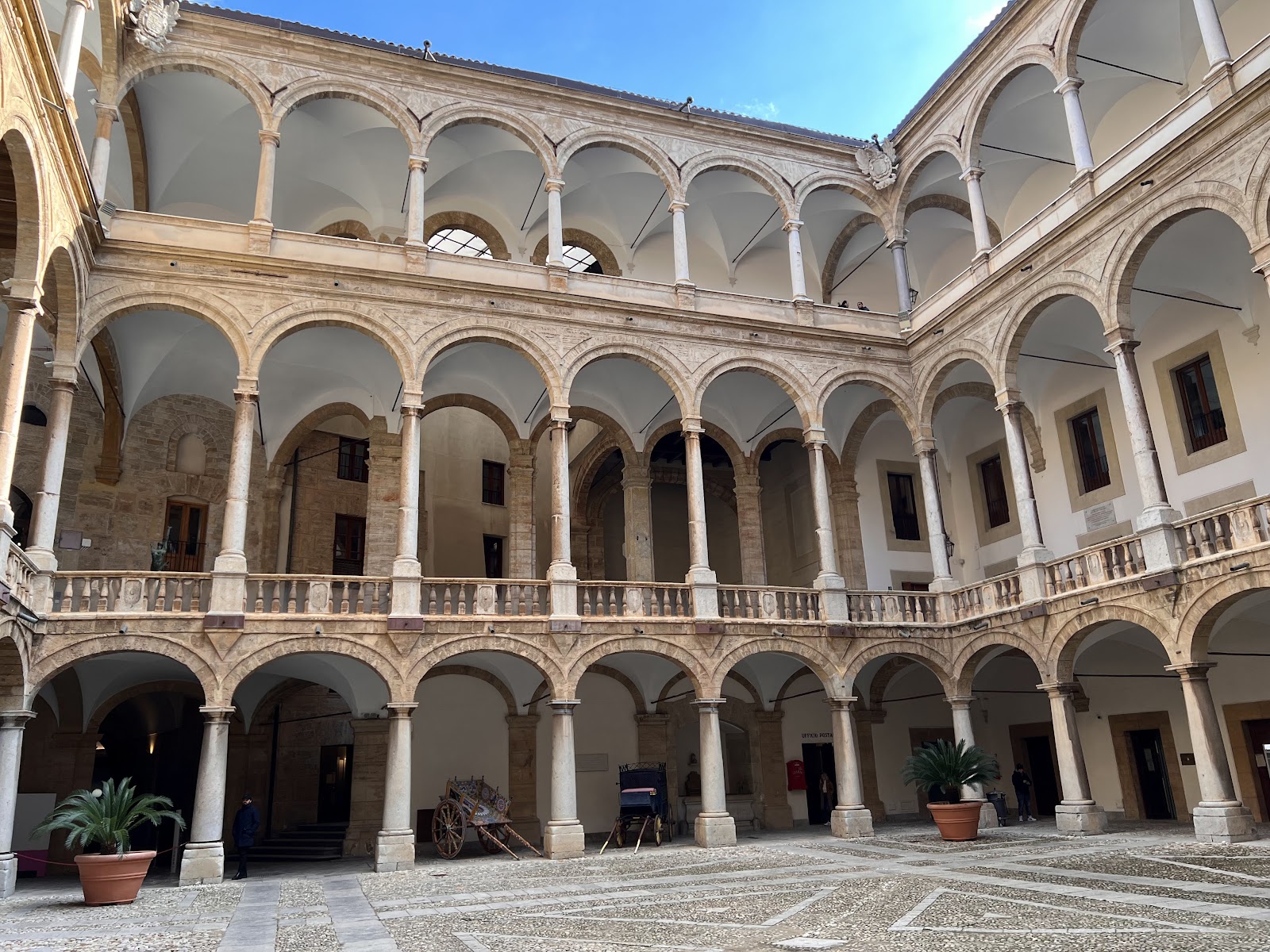
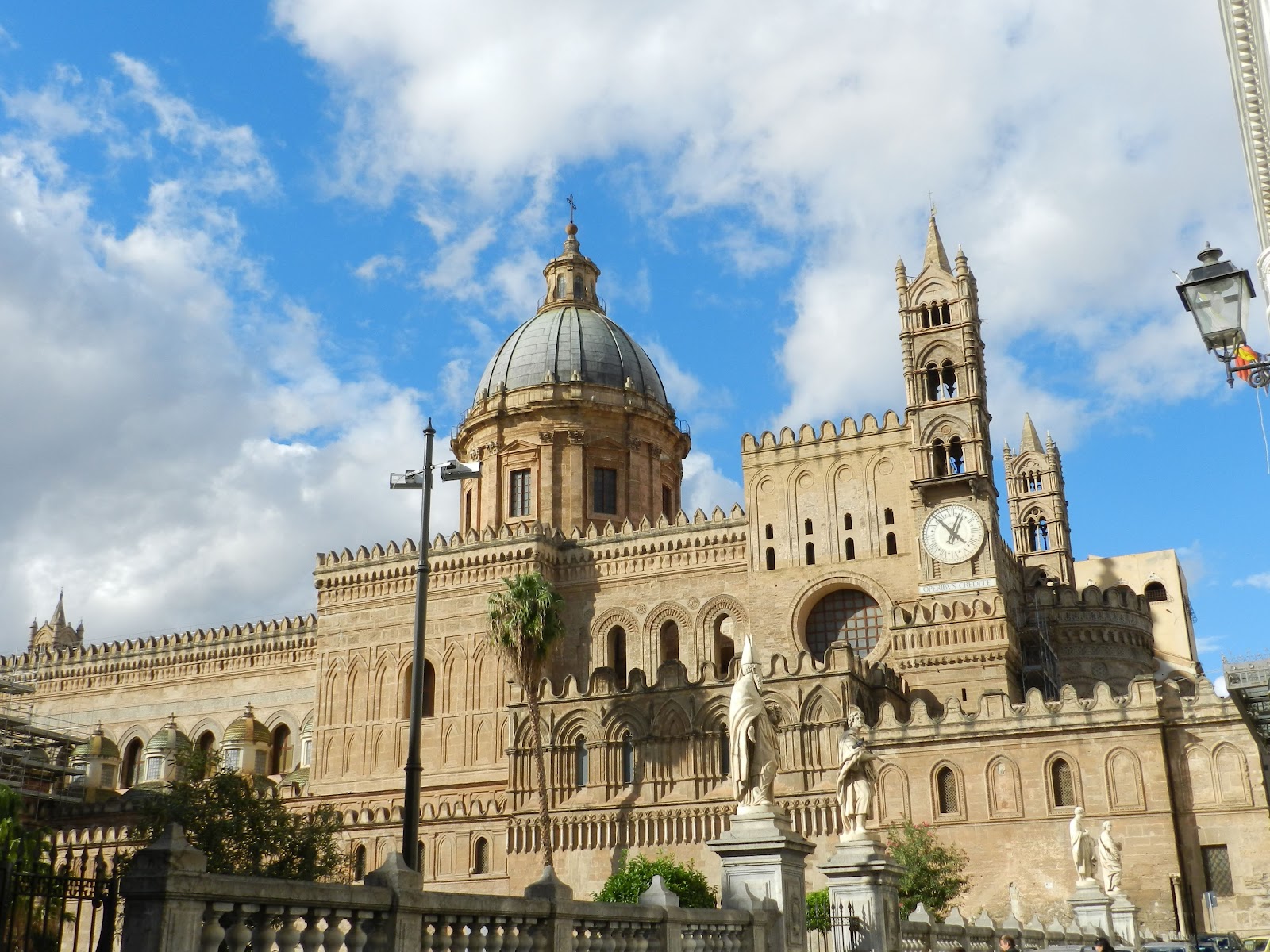
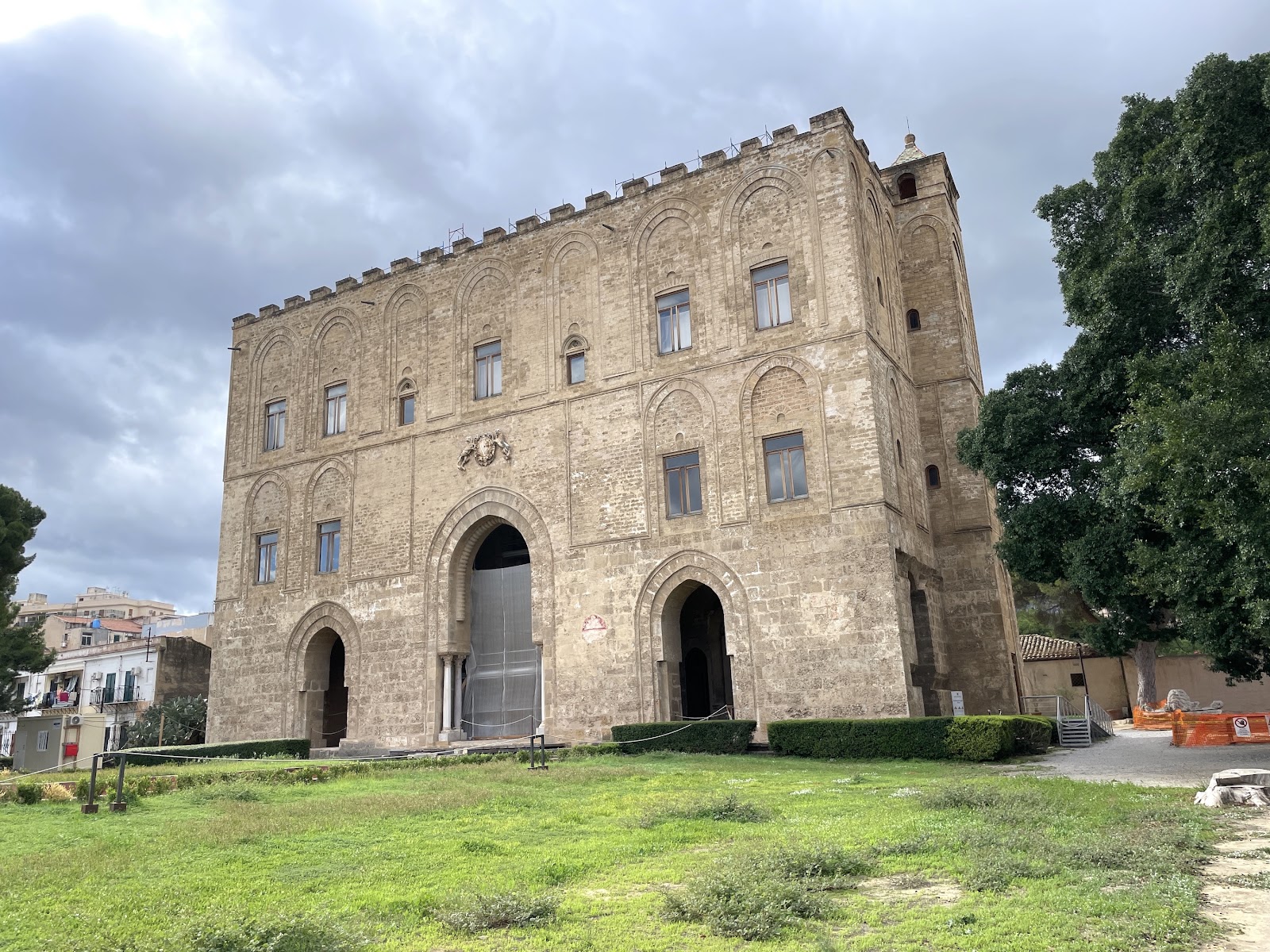
The Normans took it in 1072 and Roger II was crowned King of Sicily here in 1130, inaugurating a kingdom that would last, in various forms, until 1816. It was under Norman and later Hohenstaufen rule that Palermo's strangest and most beautiful architecture was built — the Palatine Chapel, San Giovanni degli Eremiti, the Cathedral — a deliberate layering of Byzantine, Islamic, and Latin Christian traditions that no single label quite covers. Frederick II, Holy Roman Emperor, loved the city and is buried in its cathedral. Garibaldi's forces ended Bourbon rule with the Siege of Palermo in May 1860, and by 1861 the city was part of the new Kingdom of Italy.
Who and what shaped it
People who shaped it
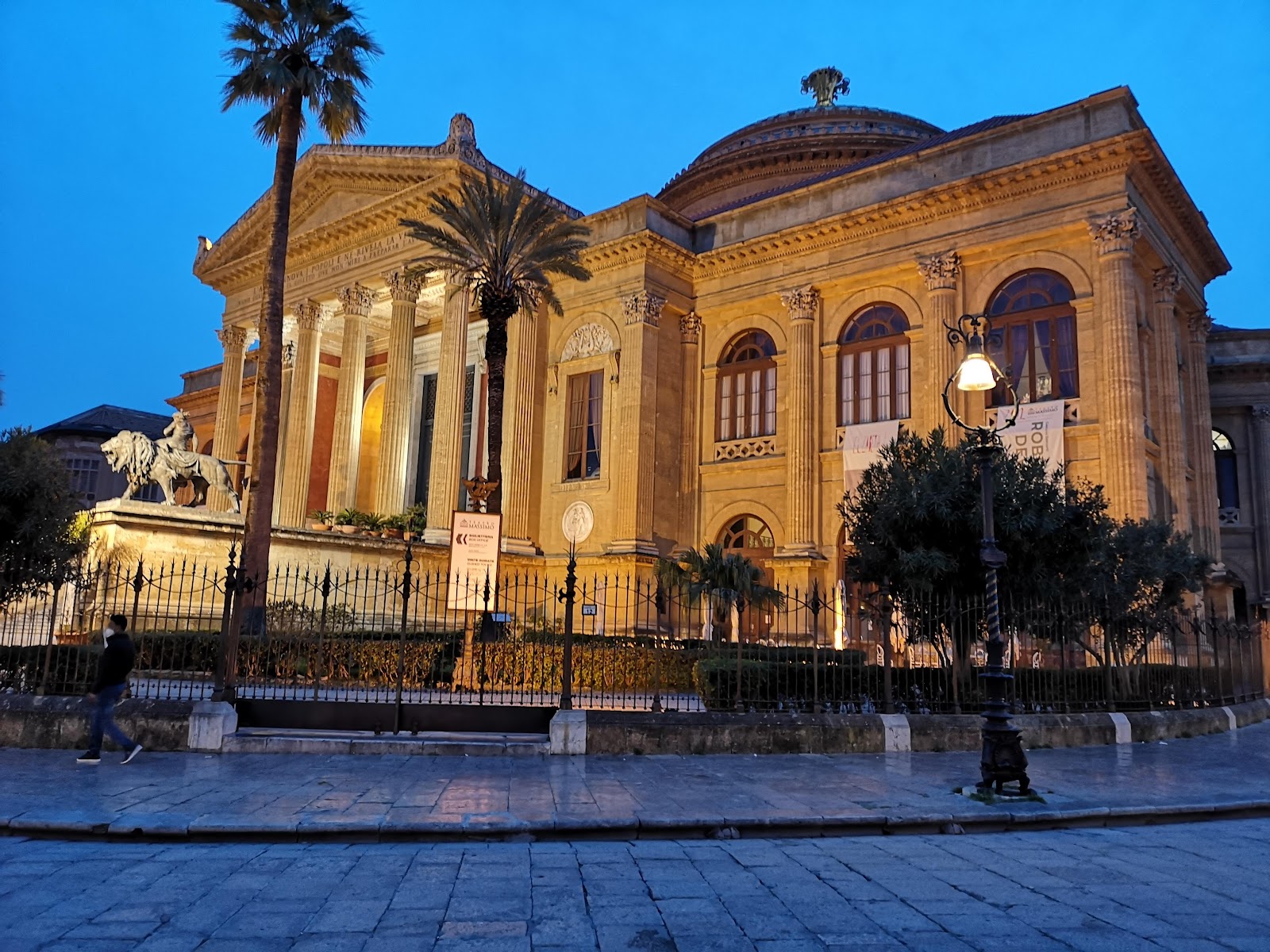
Landmark buildings
See Palermo in motion
Plan your visit
On the map
When to go
Summers are long, dry, and genuinely hot — July and August push into the mid-thirties Celsius and the stone streets hold the heat. Spring (April–May) and autumn (September–October) give you warm days, manageable crowds, and the occasional thunderstorm. Winters are mild and rarely cold enough to deter a determined walker.
Right now
↡ Attractions



Background & history adapted from Wikipedia (CC BY-SA) · specs from Wikidata (CC0) · weather from Open-Meteo · map data © OpenStreetMap contributors · photos from Wikimedia Commons / Unsplash with per-image credit. No third-party reviews or social posts reproduced.