
Palenque
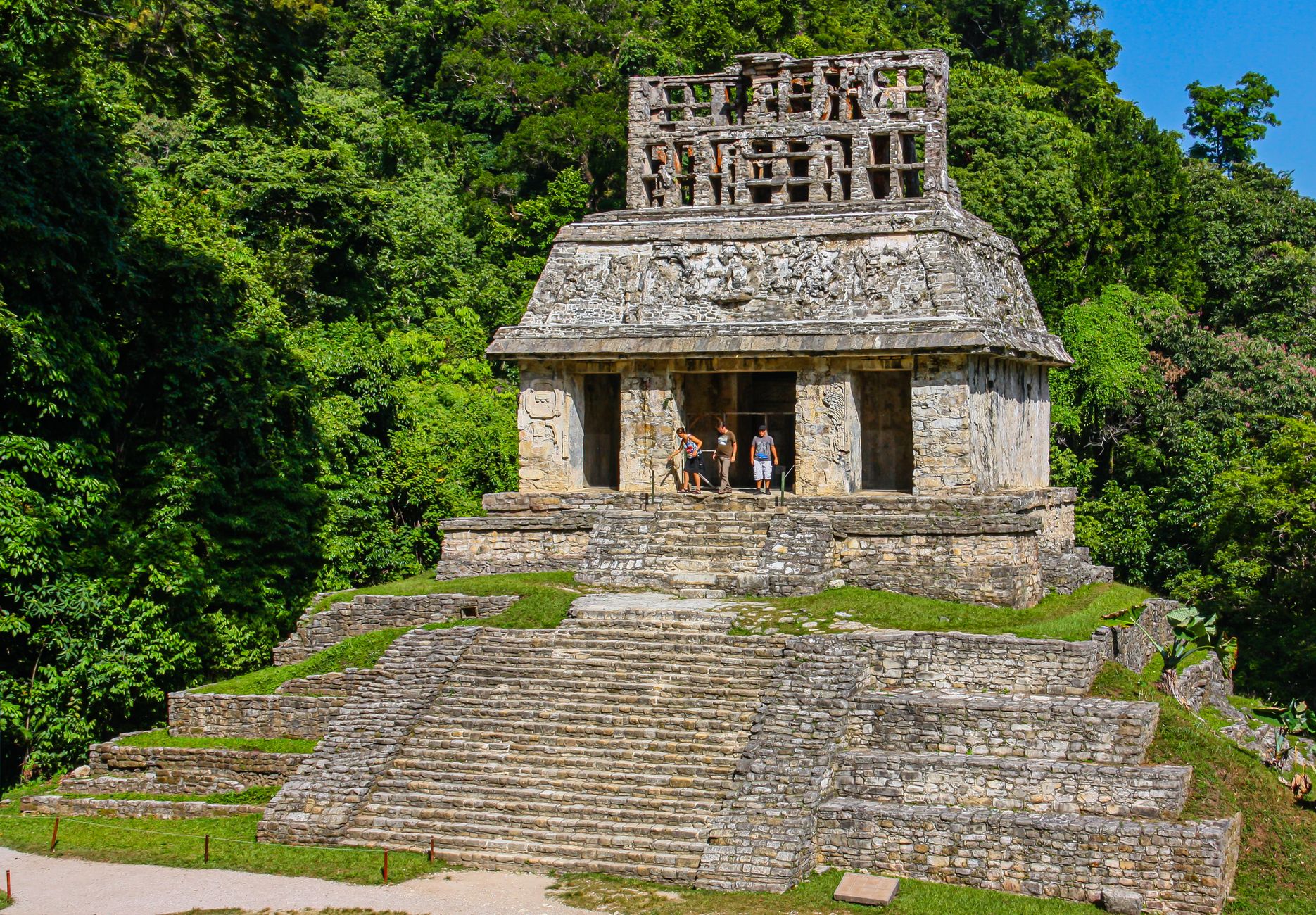
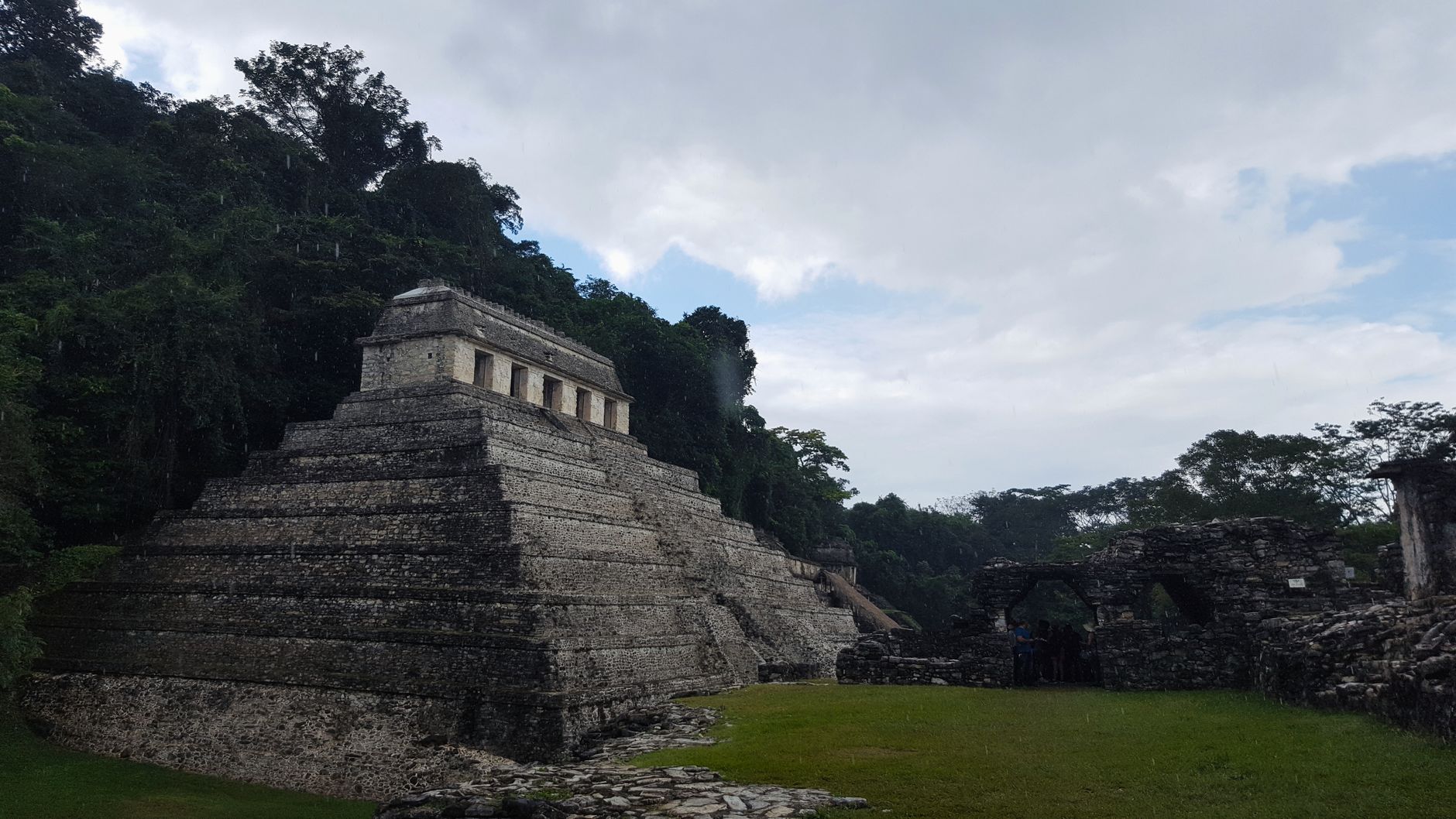
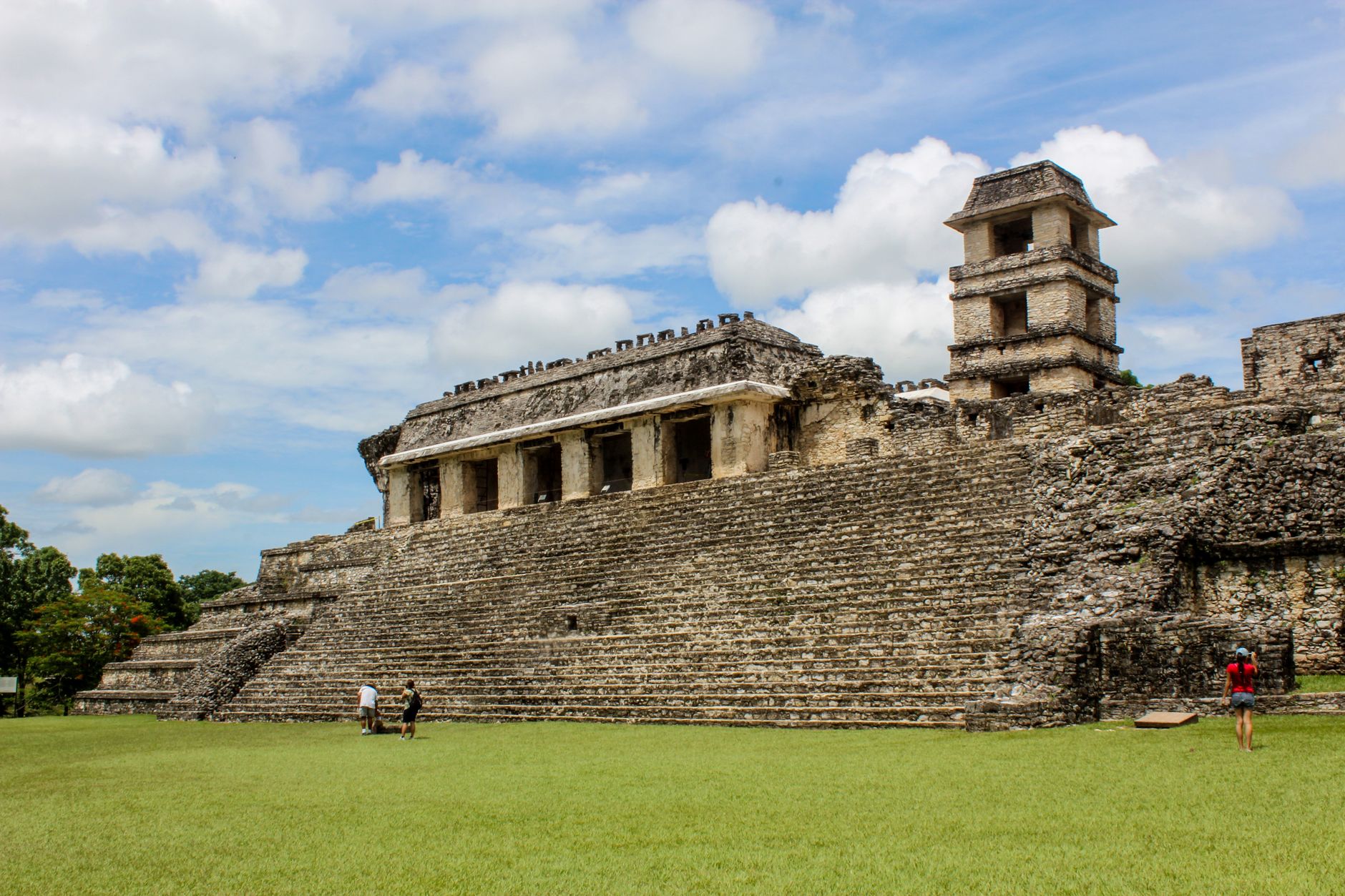
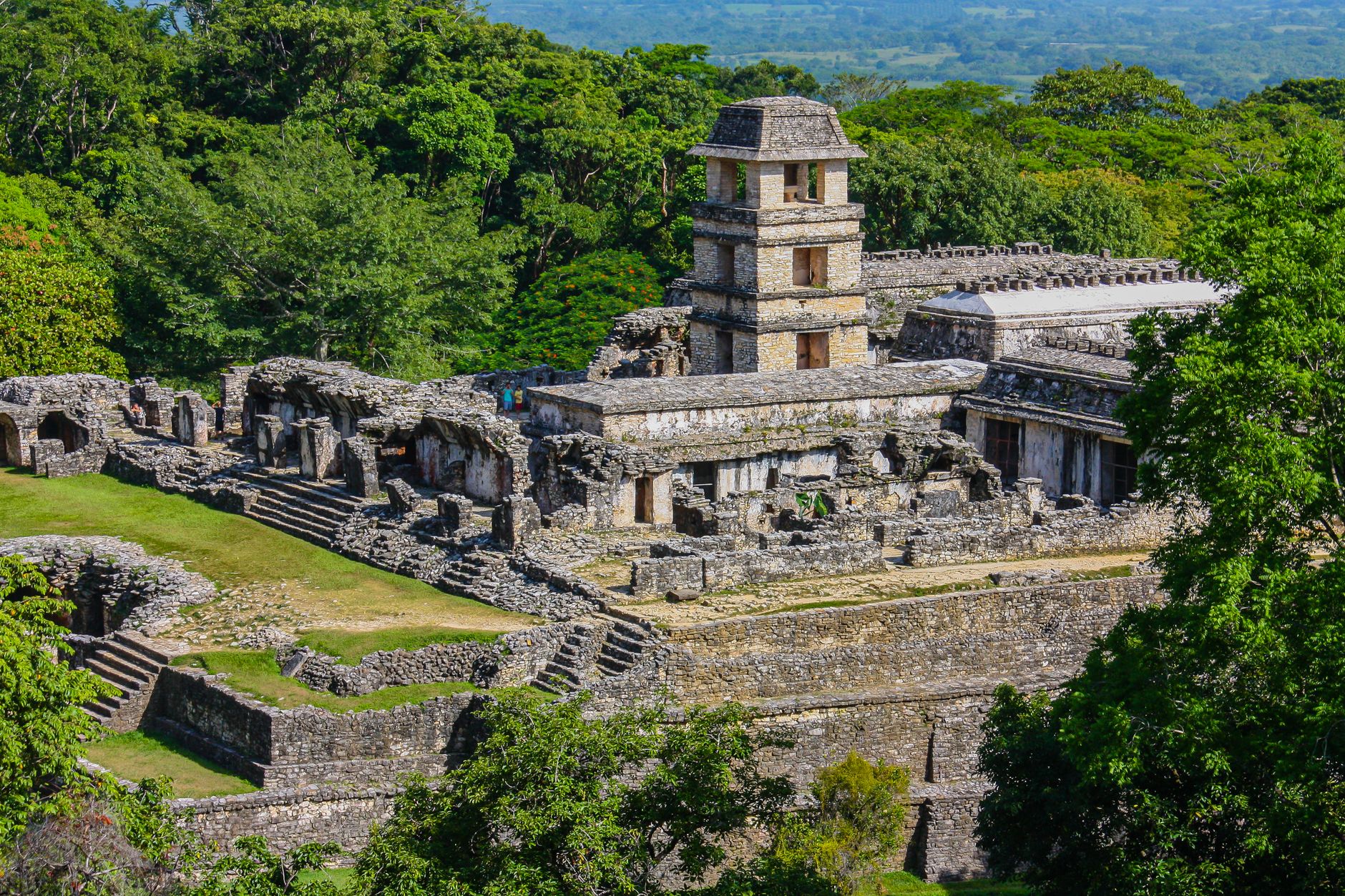
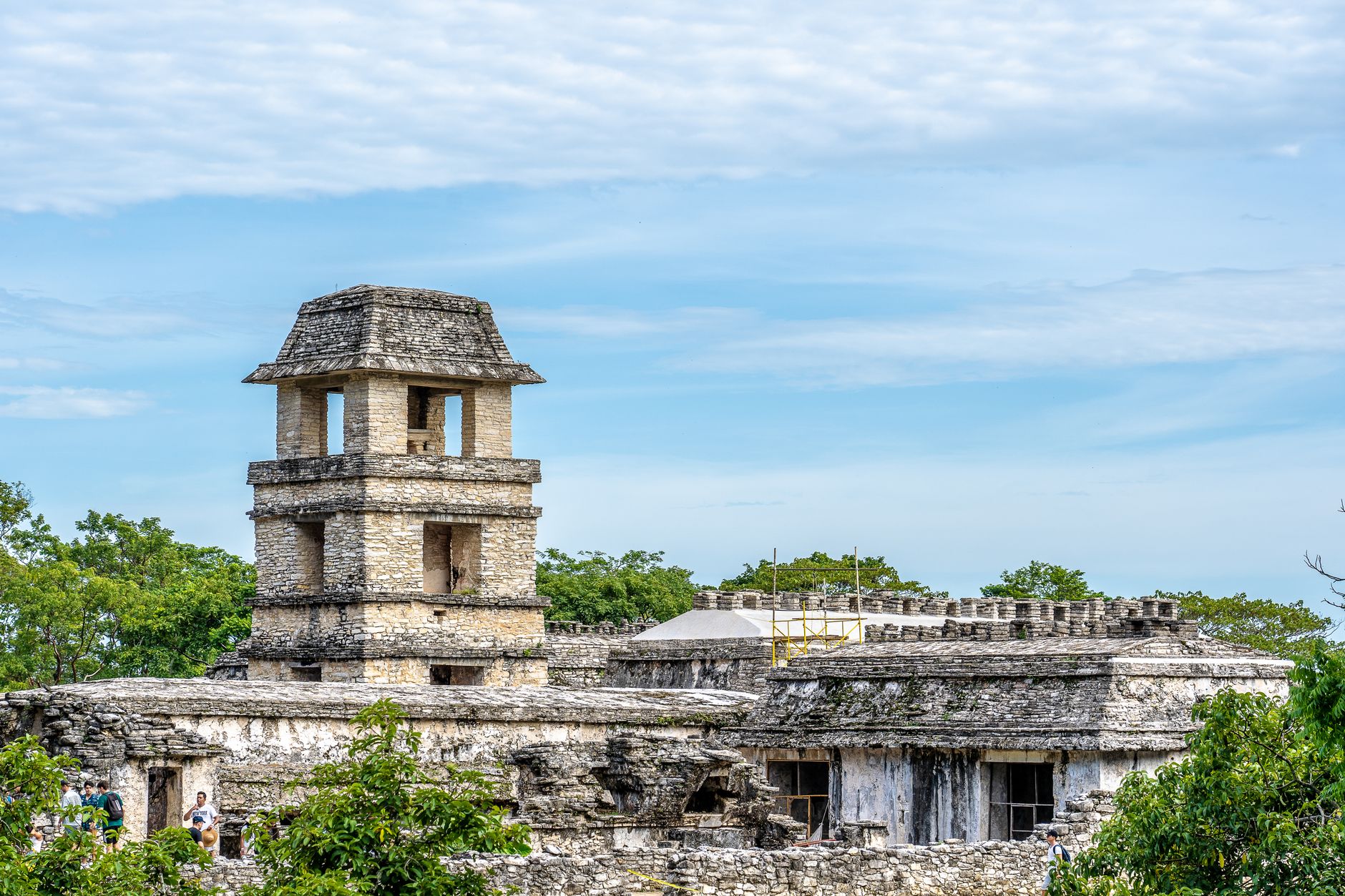
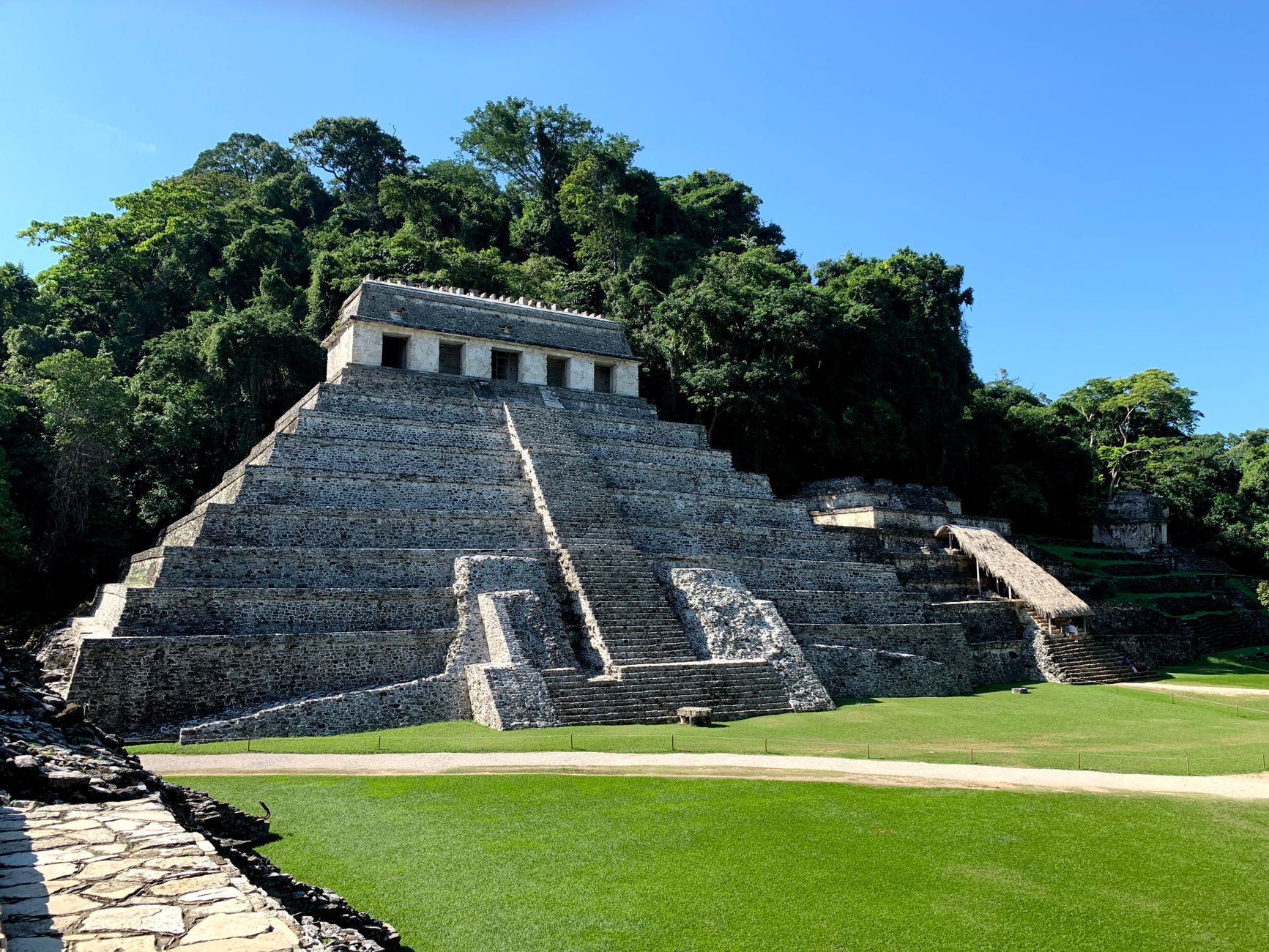
The jungle here does not stay back. Cedar, mahogany, and sapodilla press in on the stone from every side, and even on a clear morning the air is thick with the sound of insects and the occasional crash of something moving through the canopy. Palenque is a Maya city — one of the most architecturally refined ever built — set inside a national park in the hills of Chiapas, where the lowland jungle meets the Sierra Madre foothills.
What stops people is the specificity of it. This is not a site you absorb from a single viewpoint. The Palace complex alone covers the footprint of a city block, and the temples of the Cross Group sit on a hillside above a stream. You can spend four or five hours here and still feel like you have only read the first chapter.
How Palenque came to be
Settlement here dates to around 226 BC, but the city found its shape much later. Construction of the central buildings began under the first known king, Kʼuk Balam, around 431 AD. Palenque was attacked twice by the rival power of Calakmul — in 599 and again in 611 — and it was in the aftermath of that second assault that a twelve-year-old named Kʼinich Janaabʼ Pakal took the throne. He ruled for almost seventy years, and the Temple of the Inscriptions, the Palace, and much of what you walk through today date to his reign or that of his son, Kʼinich Kan Bahlam II.
After a sacking by Toniná in 711, the city's influence contracted. Elite construction stopped around 800 AD, the population drifted away, and the jungle moved in. A Spanish visitor reached the site around 1730; a formal inspection followed in 1784. Serious excavation began only in 1949, when archaeologist Alberto Ruz Lhuillier started clearing the Temple of the Inscriptions — work that led, four years later, to the discovery of Pakal's intact tomb deep inside the pyramid. UNESCO added the site to its World Heritage list in 1987.
Who and what shaped it
People who shaped it
Landmark buildings
See Palenque in motion
Plan your visit
On the map
When to go
Chiapas is genuinely tropical: Palenque sees heavy rain from May through October, with humidity high year-round. The dry season — roughly November through April — is the more comfortable window, though mornings can still be warm by 10 AM regardless of the month.
Right now
Background & history adapted from Wikipedia (CC BY-SA) · specs from Wikidata (CC0) · weather from Open-Meteo · map data © OpenStreetMap contributors · photos from Wikimedia Commons / Unsplash with per-image credit. No third-party reviews or social posts reproduced.