
Osaka City
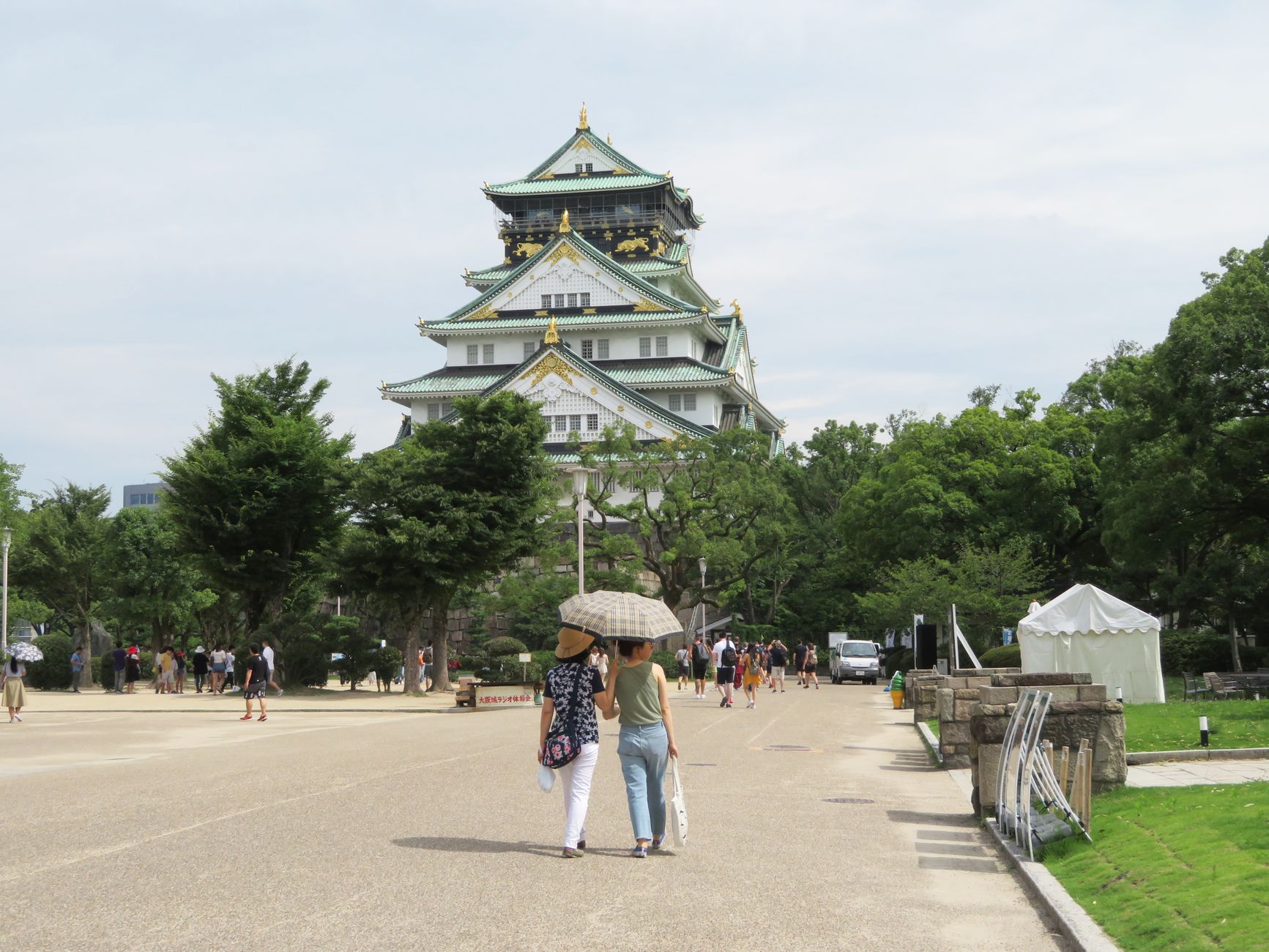
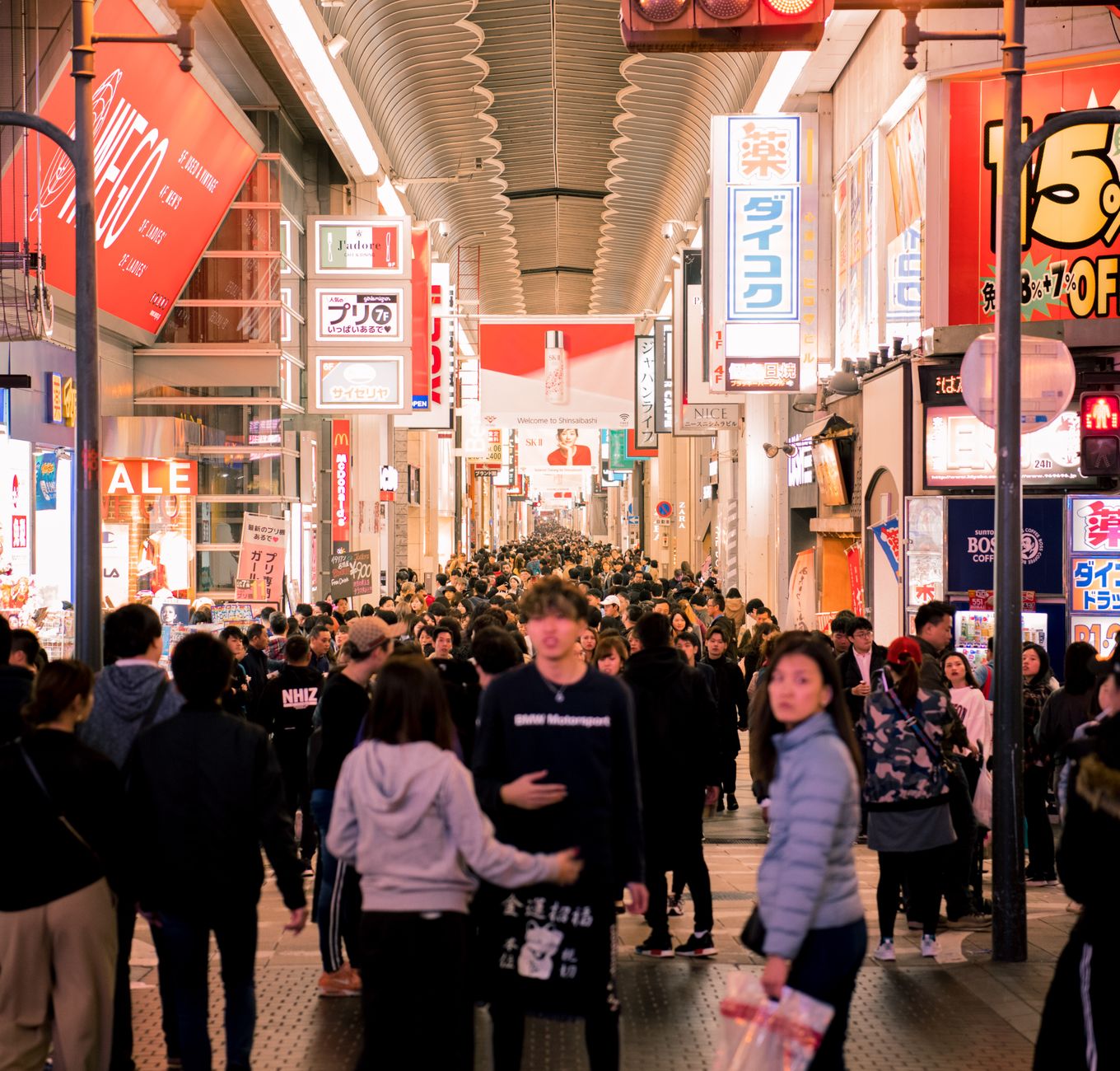
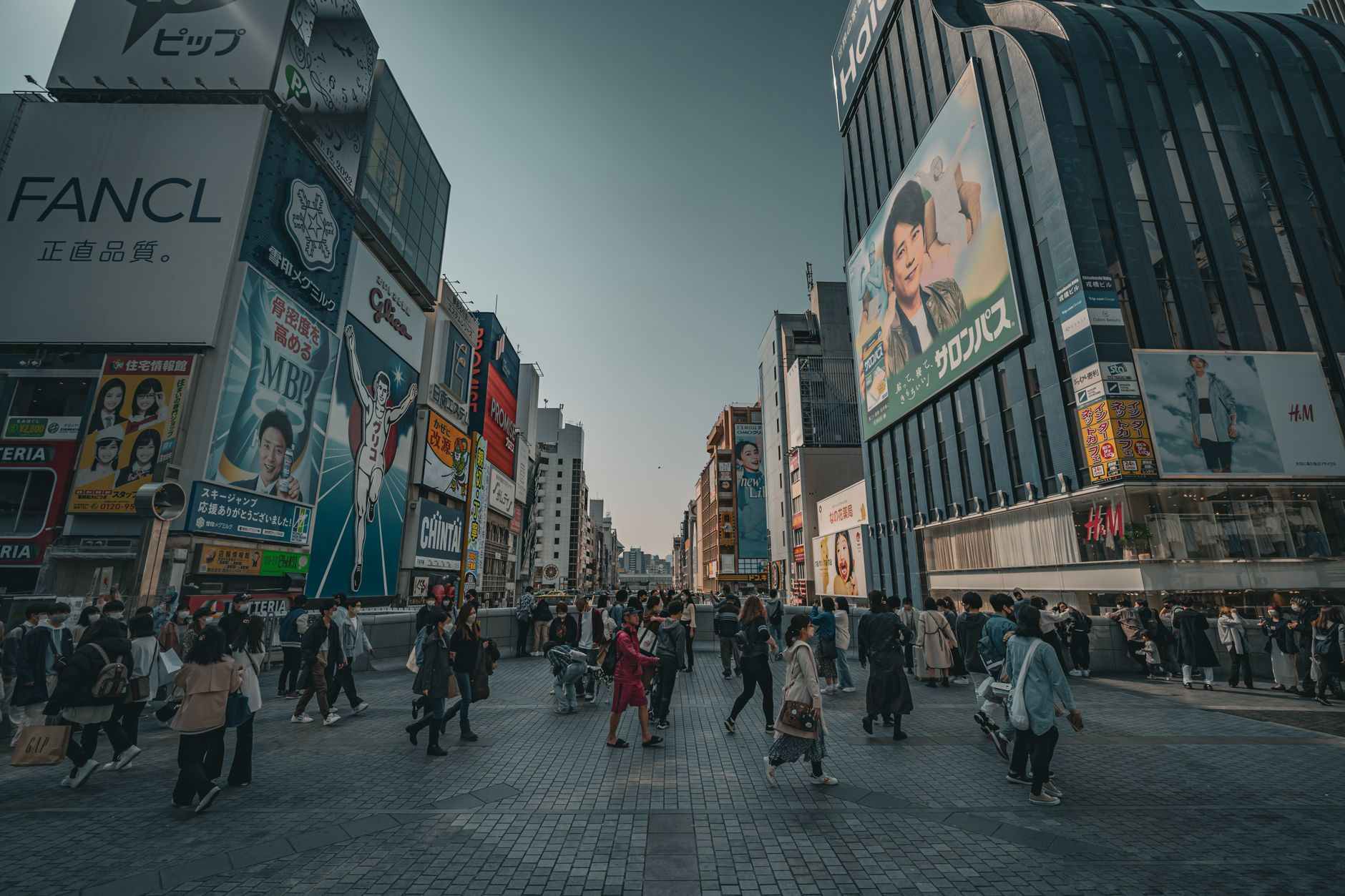
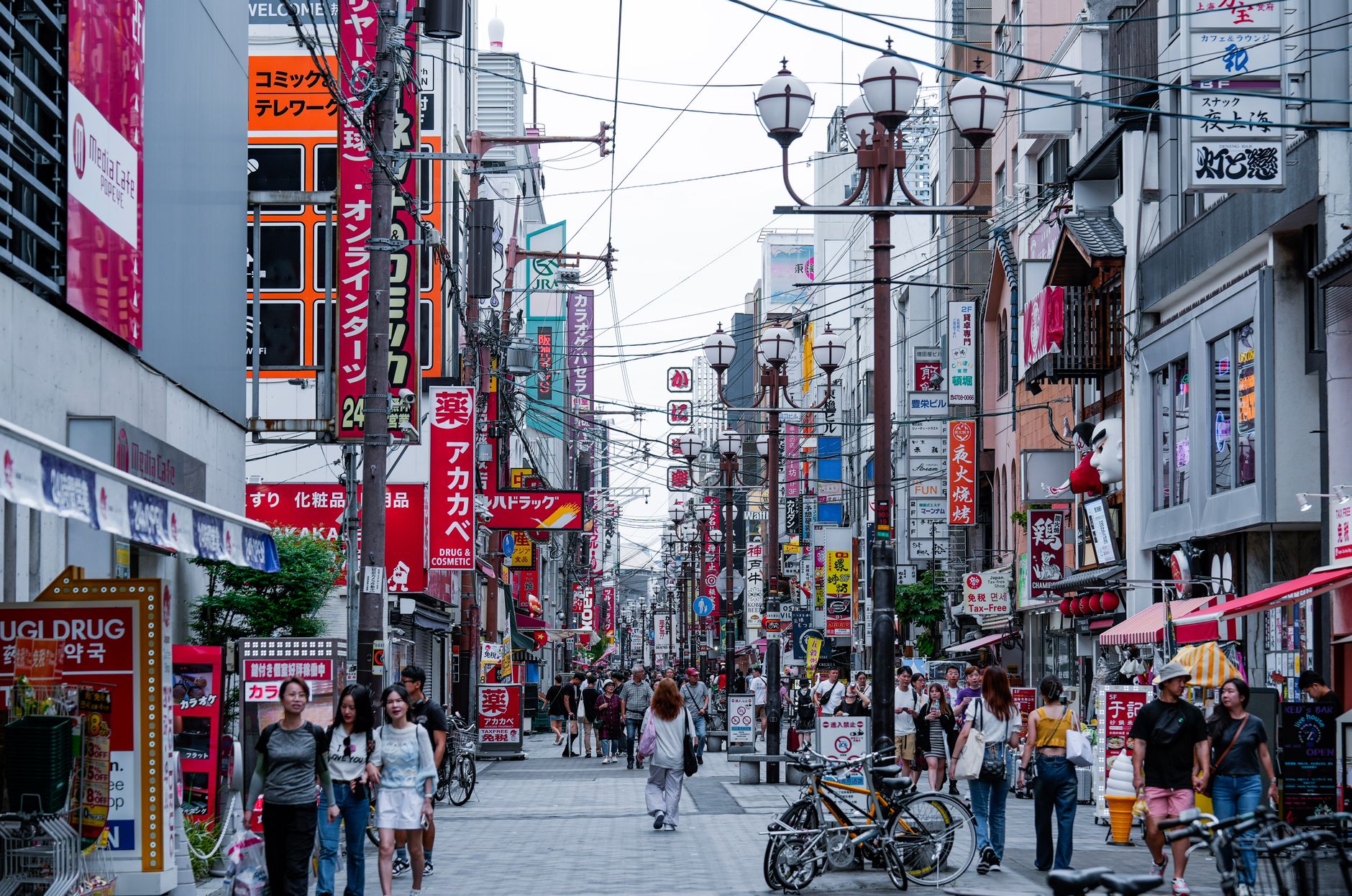
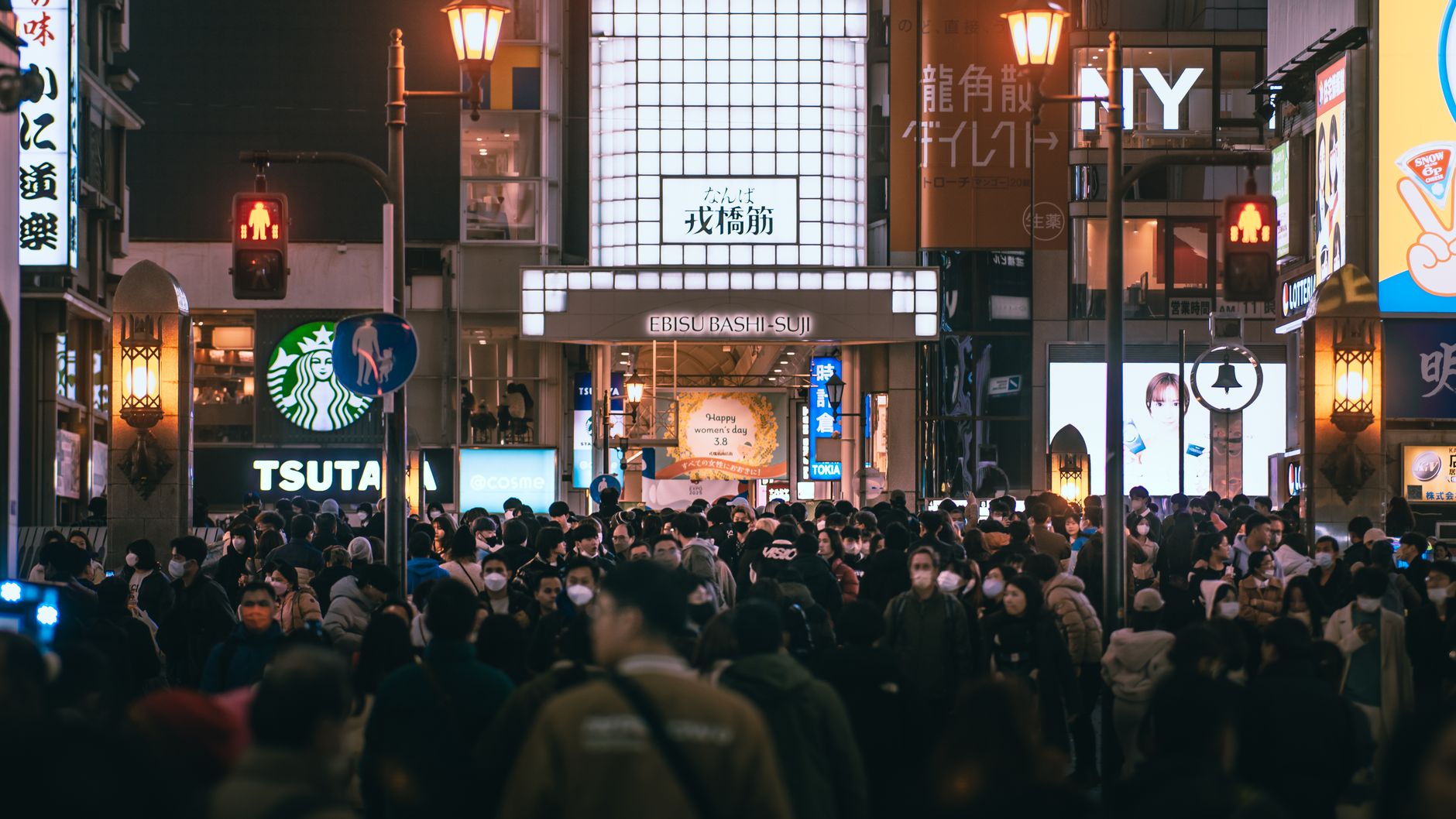
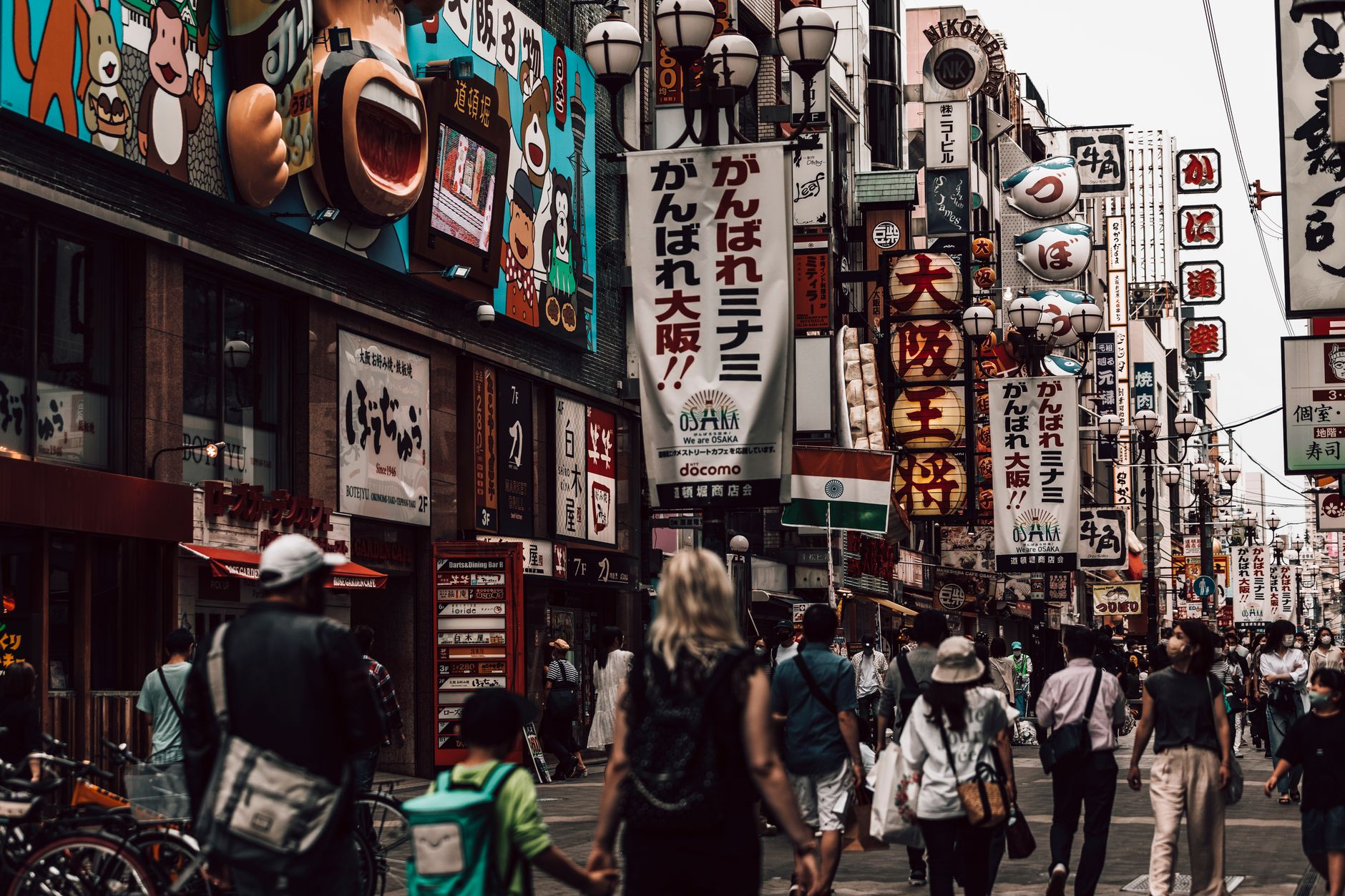
Osaka runs on appetite — for food, for noise, for the next thing. The city's unofficial motto, *kuidaore*, roughly translates as 'eat until you drop,' and you'll understand it within an hour of arriving. Street-level Osaka is dense and democratic: takoyaki grills beside century-old temples, a 300-metre skyscraper rises above a neighbourhood that still feels like a market town.
This is Japan's second city by most measures, but it has never been much interested in second place. Osaka made its name as a merchant city, shaped by traders rather than samurai, and that pragmatic, pleasure-seeking character has never quite left.
💛 What travellers fall for
People who keep coming back tend to split their time between the south — Shinsekai, Tennoji, the old working-class quarter around Tsūtenkaku Tower — and the north's Umeda district. The subway gets you between them in minutes for under ¥370. Shitennō-ji on a Sunday morning, before the tour groups arrive, is a different place entirely.
Deals in Osaka City
Book directly at the provider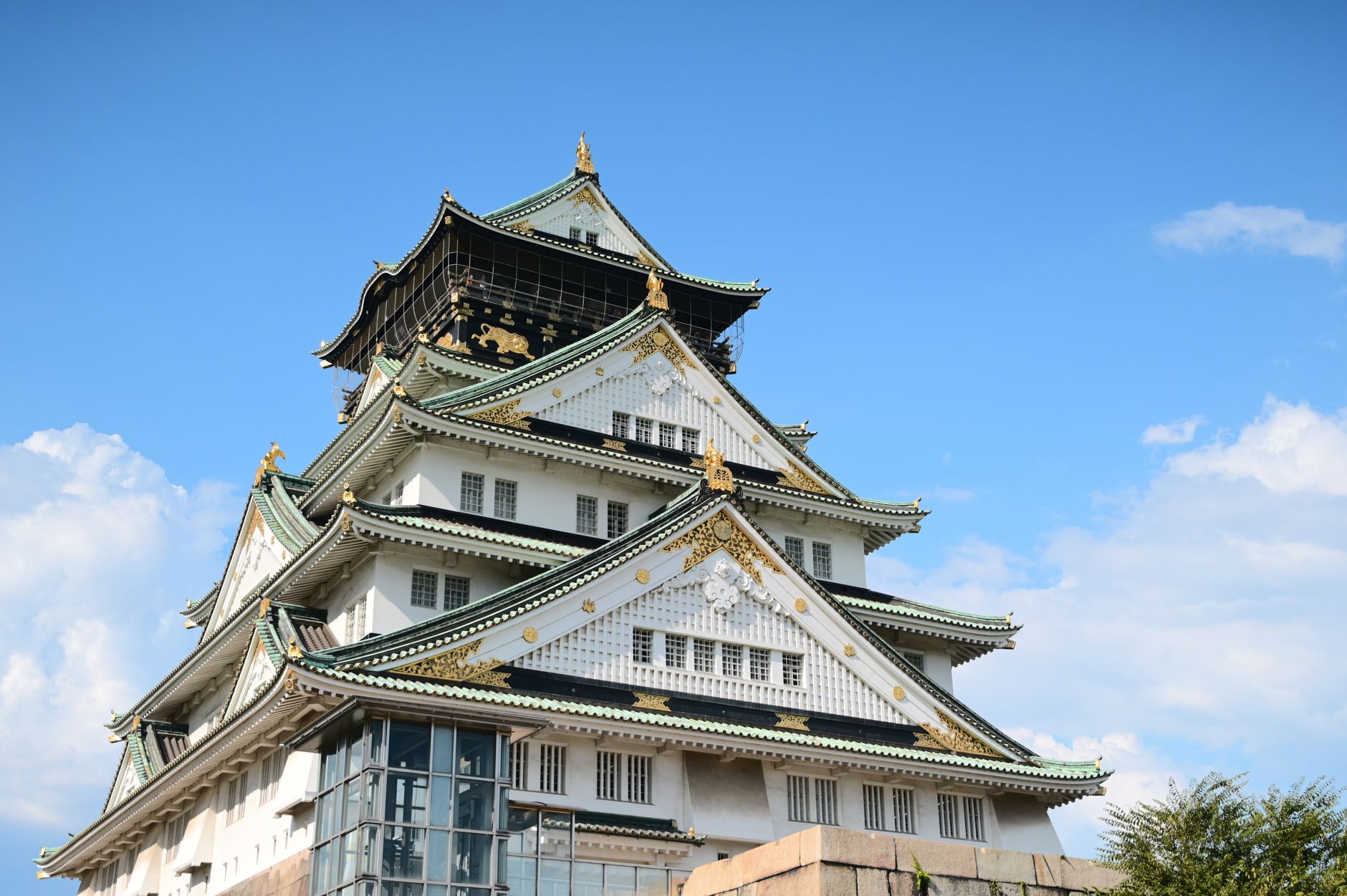

How Osaka City came to be
The site has been inhabited and fought over for a long time. The port of Naniwa-zu was established here in the 5th century as a hub for trade with Korea and China, and by 645 CE the city briefly became Japan's first official capital. It held that status again in 744, by order of Emperor Shōmu, before the capital eventually moved on for good.
The Osaka most people picture — castle, commerce, scale — was largely the project of Toyotomi Hideyoshi, who began construction of Osaka Castle in 1583 and made the city the centre of his unified Japan. After the Tokugawa shogunate defeated the remaining Toyotomi forces at the Siege of Osaka in 1615, the city shifted from political capital to commercial engine. Post-Meiji, it pivoted again into heavy industry — earning the nickname 'Manchester of the East' — only to lose a third of its fabric to American air raids in World War II. It rebuilt, and in 1970 hosted Asia's first World Expo.
Who and what shaped it
People who shaped it
Landmark buildings
See Osaka City in motion
Plan your visit
On the map
When to go
Summers (June–August) are hot and humid, with temperatures regularly above 35°C and a rainy season in June. Winters are mild but occasionally cold enough for frost; spring and autumn offer the most comfortable conditions for walking the city.
Right now
Background & history adapted from Wikipedia (CC BY-SA) · specs from Wikidata (CC0) · weather from Open-Meteo · map data © OpenStreetMap contributors · photos from Wikimedia Commons / Unsplash with per-image credit. No third-party reviews or social posts reproduced.