
Oristano
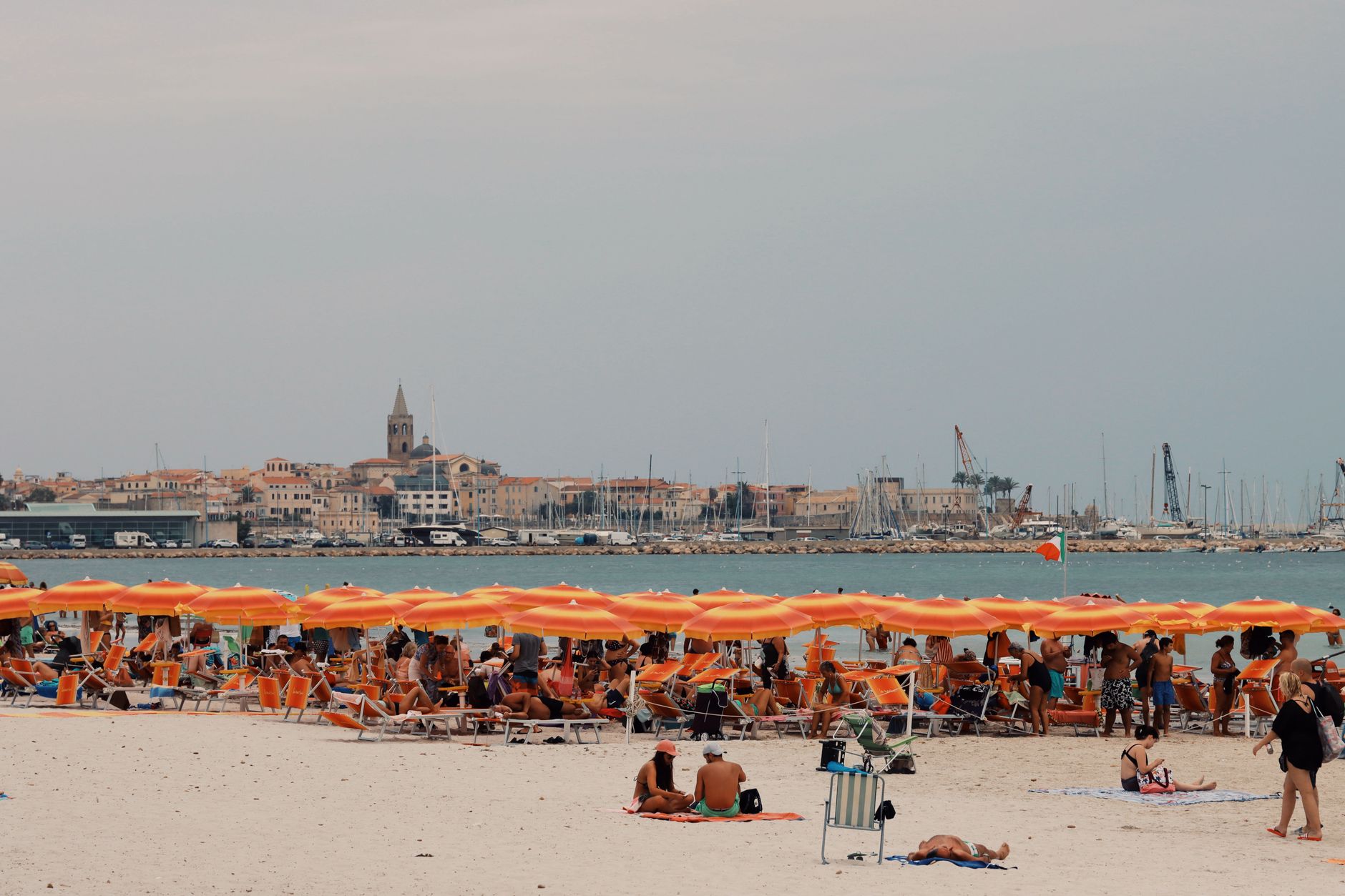
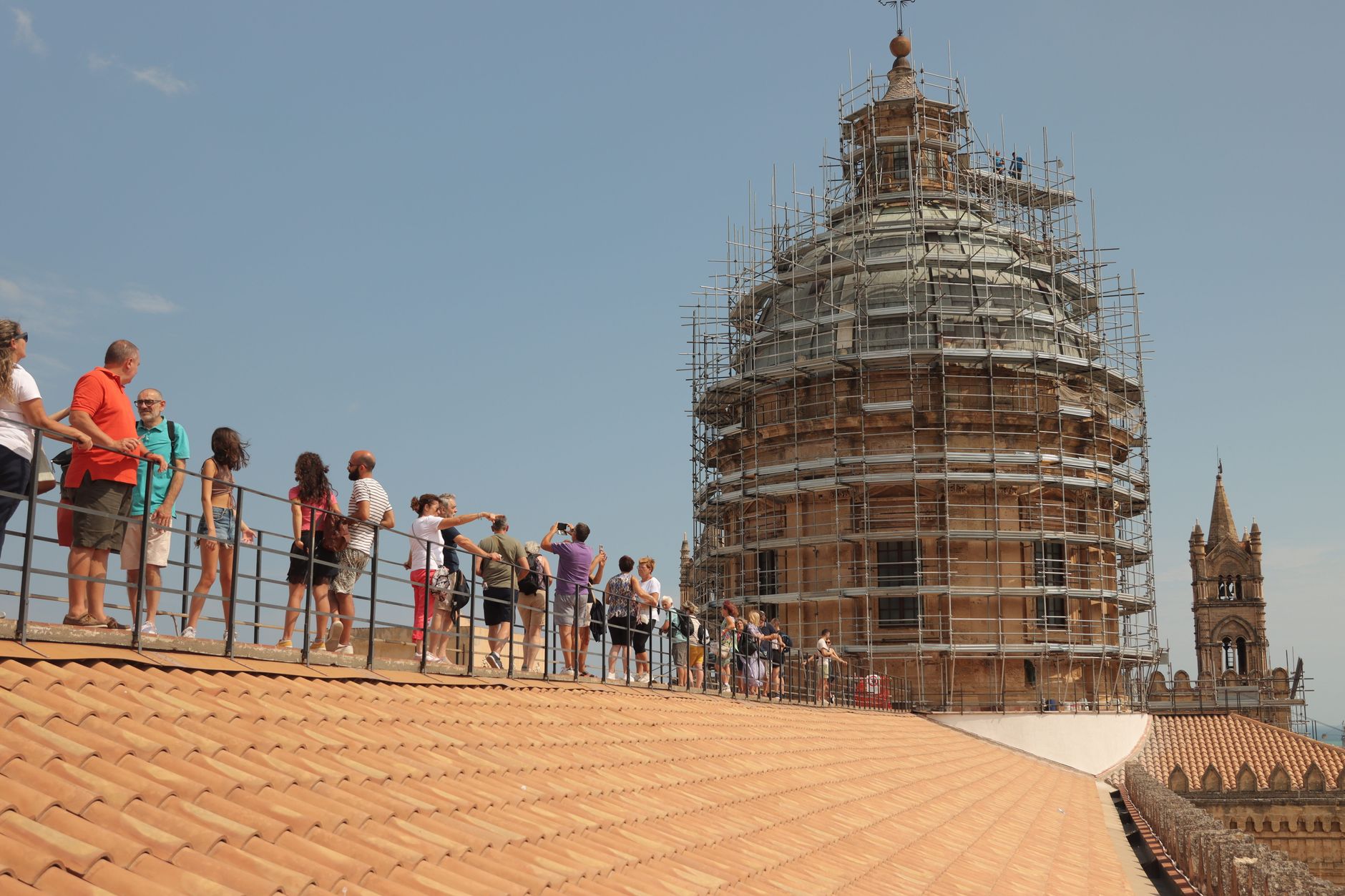
Oristano exists because of fear. In 1070, the people of Tharros — a port city that had been raided one too many times — packed up and moved inland, founding a new settlement on safer ground. That origin story still feels present: this is a city that turned its back on the sea and built something deliberate instead. The historical centre is compact, anchored by Piazza Eleonora d'Arborea and her 1881 statue, and the streets around it reward slow walking.
This is western Sardinia's provincial capital, but it carries its authority quietly. The towers, churches and museum here trace a long arc from early Christian martyrs to medieval kingdoms to Baroque reconstruction — all within a few minutes of each other on foot.
💛 What travellers fall for
People who come back to Oristano tend to mention the Antiquarium Arborense in Palazzo Parpaglia — not as a dutiful stop, but as the place where the ruins at Tharros suddenly make sense. They also mention arriving by train from Cagliari, which takes under an hour and drops you at Piazza Hungary, close enough to walk straight into the centre.
Deals in Oristano
Book directly at the provider


How Oristano came to be
Oristano was founded in 1070 by refugees from Tharros, a coastal settlement that had become indefensible against pirate raids. Archbishop Torcotorio moved the bishopric here the same year, and the city soon became the capital of the Judicate of Arborea — one of the independent Sardinian kingdoms that held out against outside powers for centuries.
The most significant figure in that resistance was Eleonora d'Arborea, who took office as judge in 1383 and led the territory against Spanish invaders. Her legal code, the Carta de Logu, was one of the most progressive in medieval Europe. Centuries later, in April 1921, the city hosted another founding moment: Sardinian veterans of World War I — among them Emilio Lussu and Camillo Bellieni — established the Sardinian Action Party here.
Who and what shaped it
People who shaped it
Landmark buildings
See Oristano in motion
Plan your visit
On the map
When to go
Winters are mild and occasionally rainy, with daytime highs around 8–10°C. Summers are hot and largely dry, with the Campidano plain regularly exceeding 35°C from late July into August — a sea breeze arrives in the afternoons but brings humidity with it.
Right now
Background & history adapted from Wikipedia (CC BY-SA) · specs from Wikidata (CC0) · weather from Open-Meteo · map data © OpenStreetMap contributors · photos from Wikimedia Commons / Unsplash with per-image credit. No third-party reviews or social posts reproduced.