
Old Town (Casc Antic)
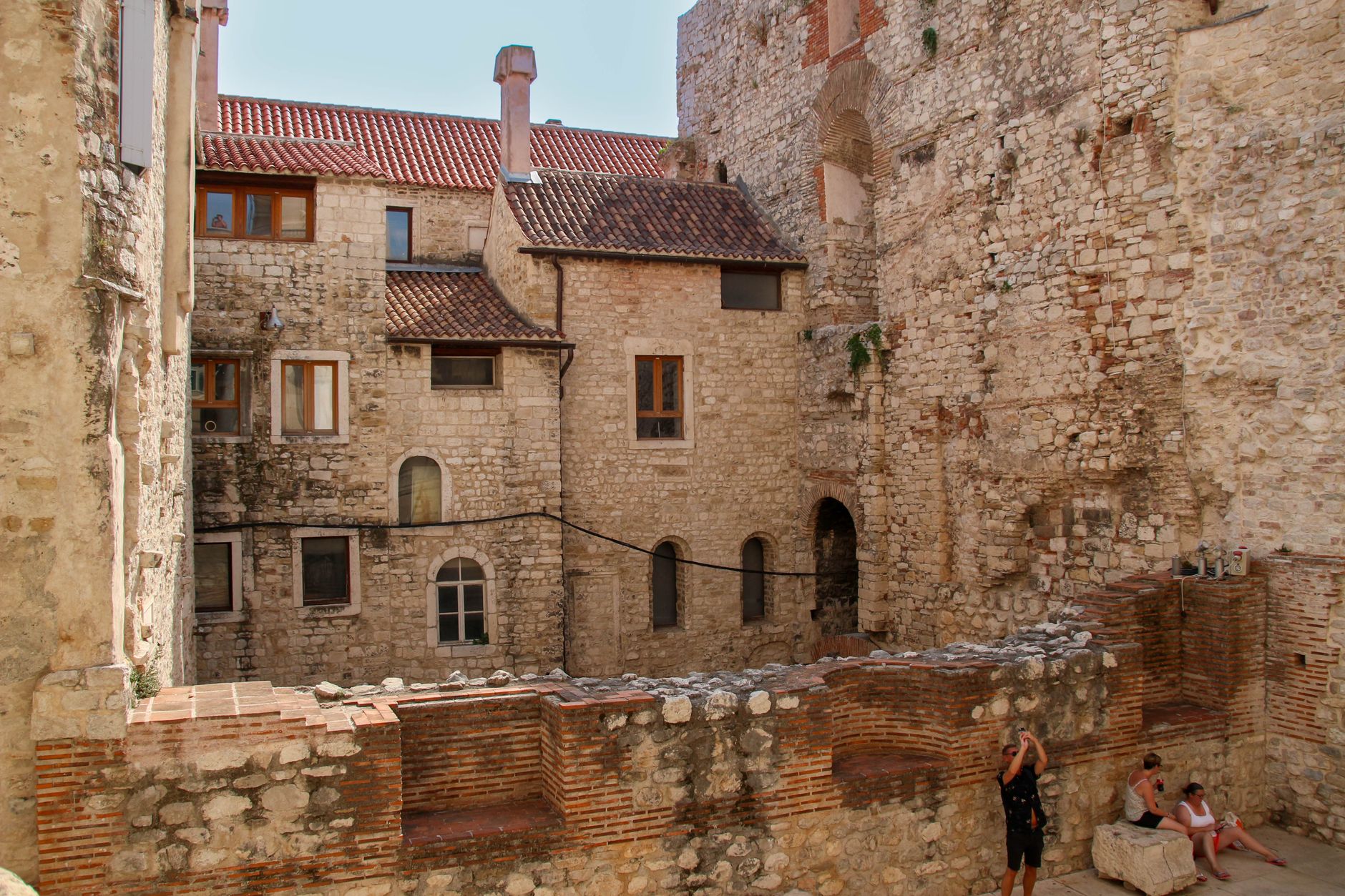
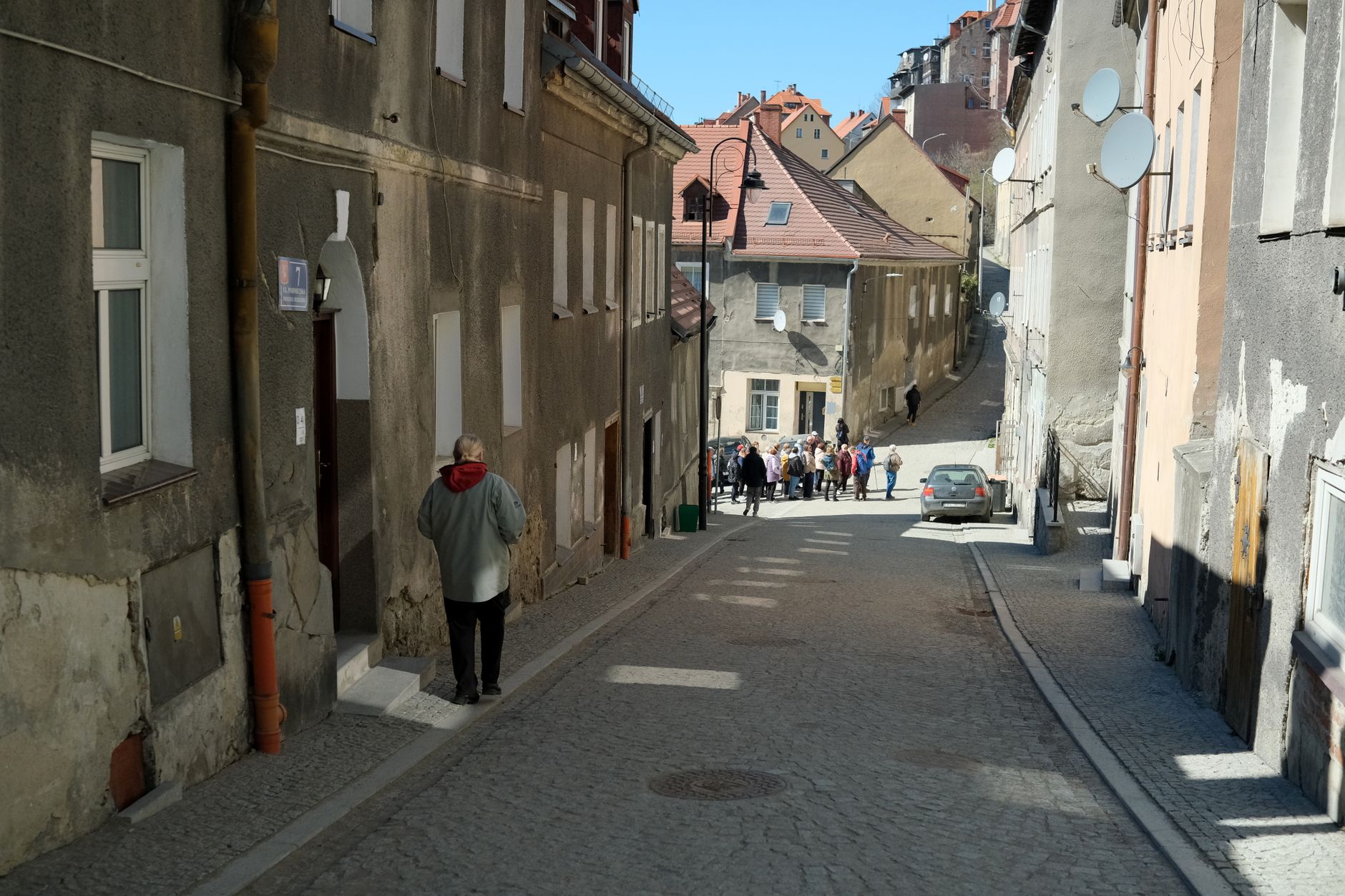
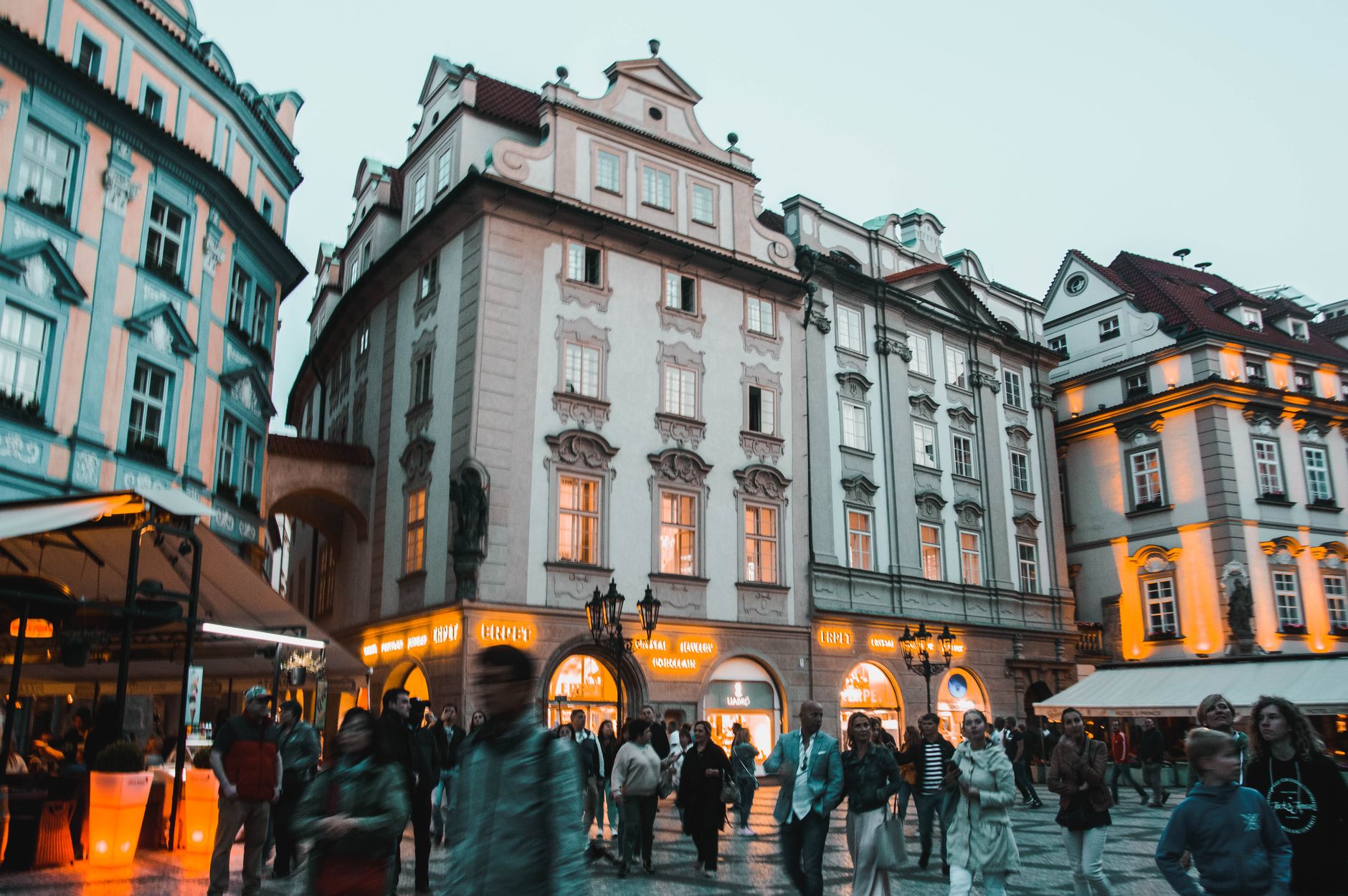
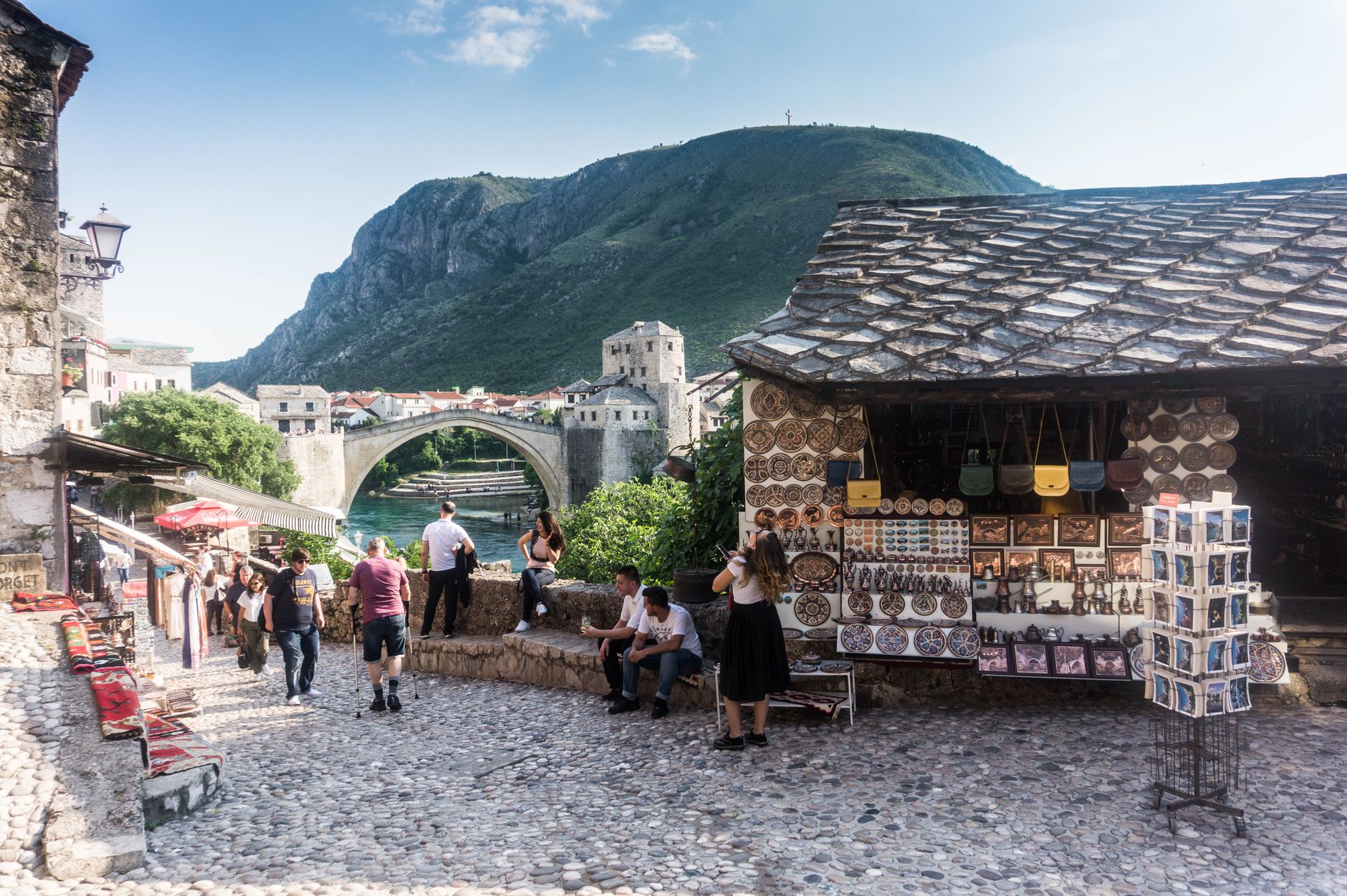
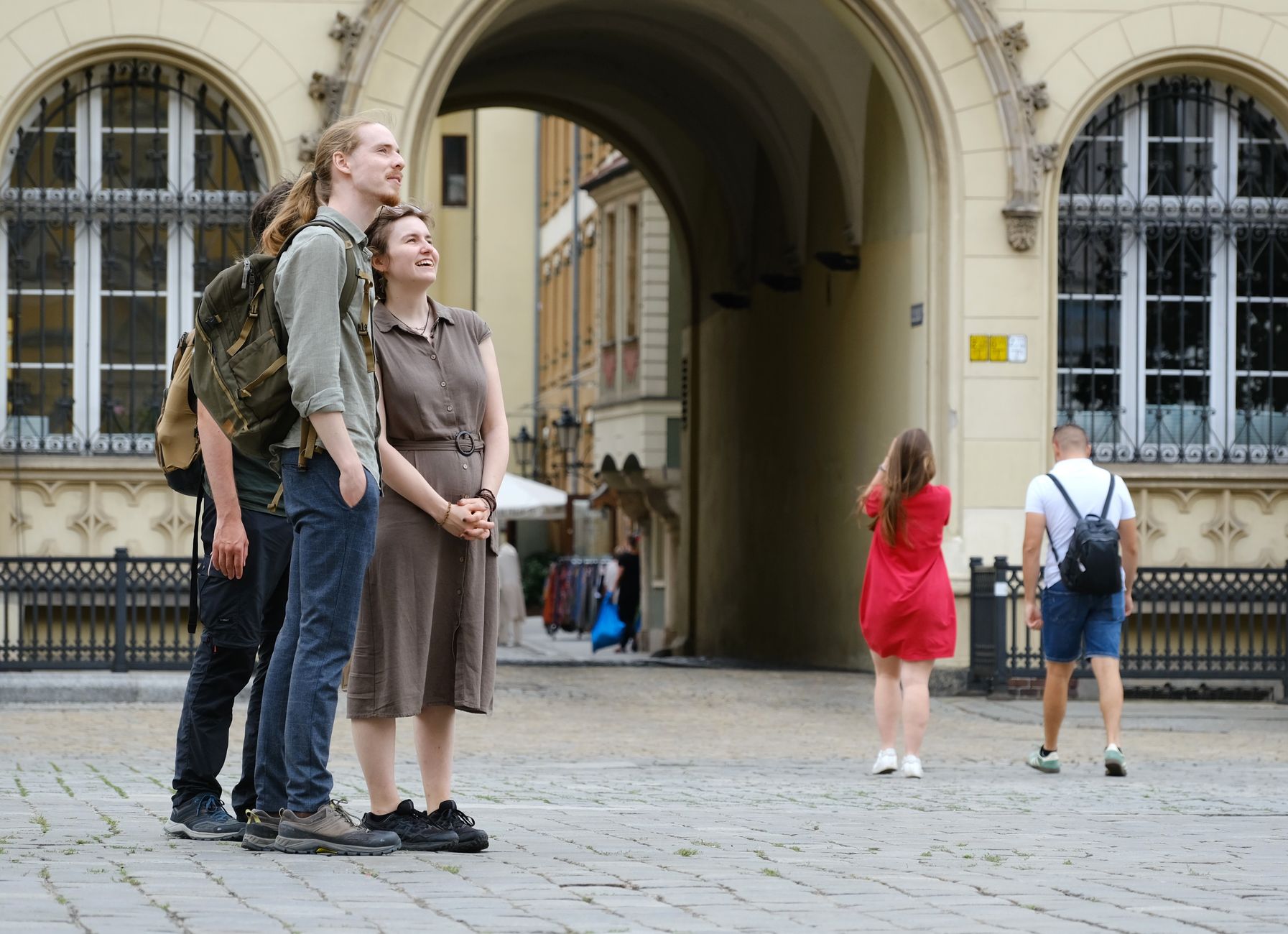
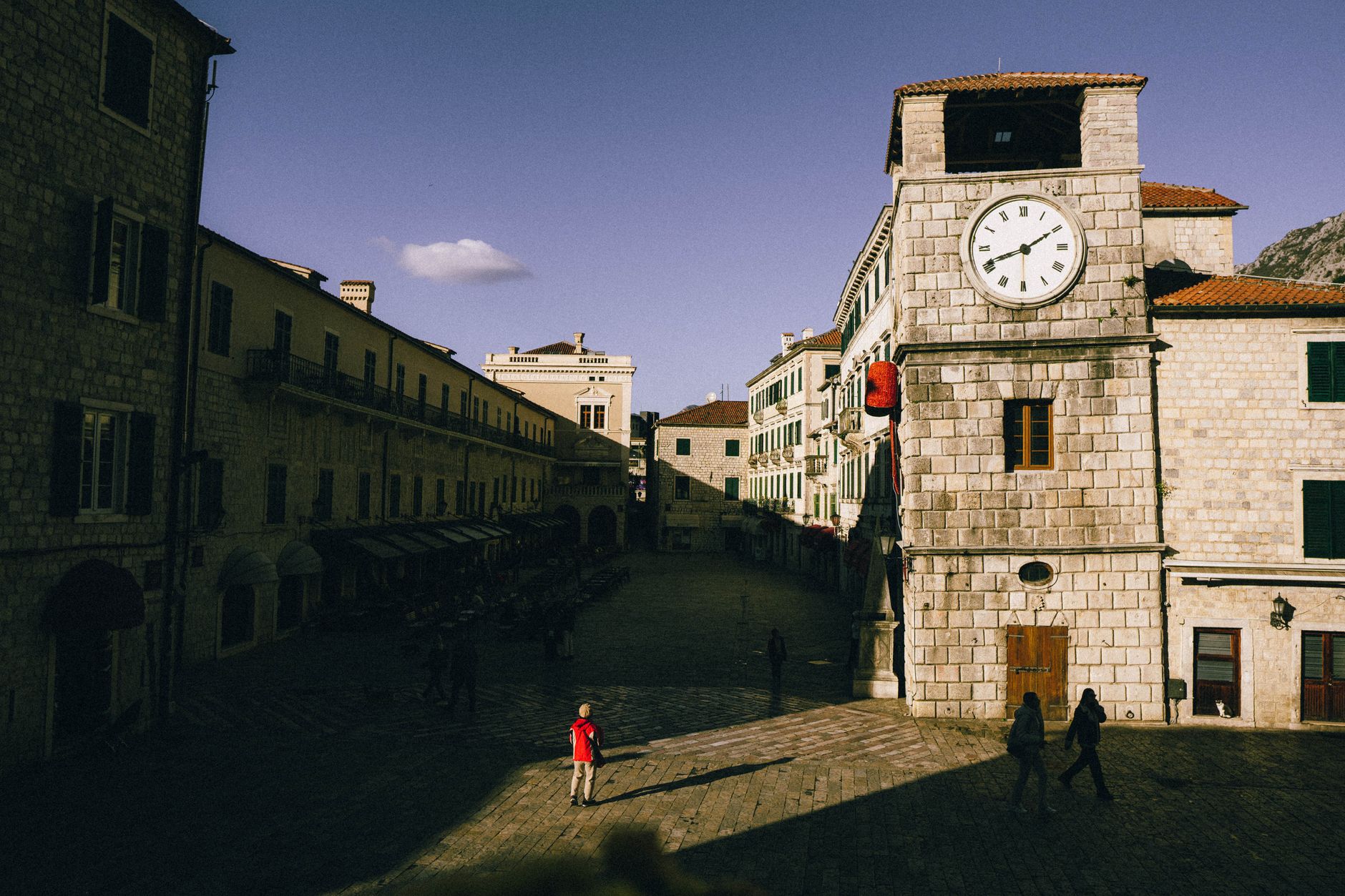
The street names here are the first clue. Carrer dels Sombrerers — hatmakers. Carrer dels Flassaders — blanket weavers. The Casc Antic was built by people who made things, and that logic still runs through it. Narrow lanes of worn stone connect Gothic churches to Roman foundations to a concert hall so ornate it seems to be growing from the inside out.
In recent years, independent artists and small operators have moved into the same fabric — galleries, antique dealers, late-night bars tucked into ground floors that once belonged to guilds. The medieval and the contemporary coexist here without much ceremony, which is exactly what makes the place worth your time.
💛 What travellers fall for
People who keep coming back tend to find the Antic Teatre — a neo-classical palace from 1650 that became a cultural space, listed as city heritage. It rewards the detour. The same visitors mention arriving at the Basilica of Santa Maria del Mar early, before the pointed arches fill with tour groups, when the light through the stained glass is doing its best work.
Deals in Old Town (Casc Antic)
Book directly at the provider

How Old Town (Casc Antic) came to be
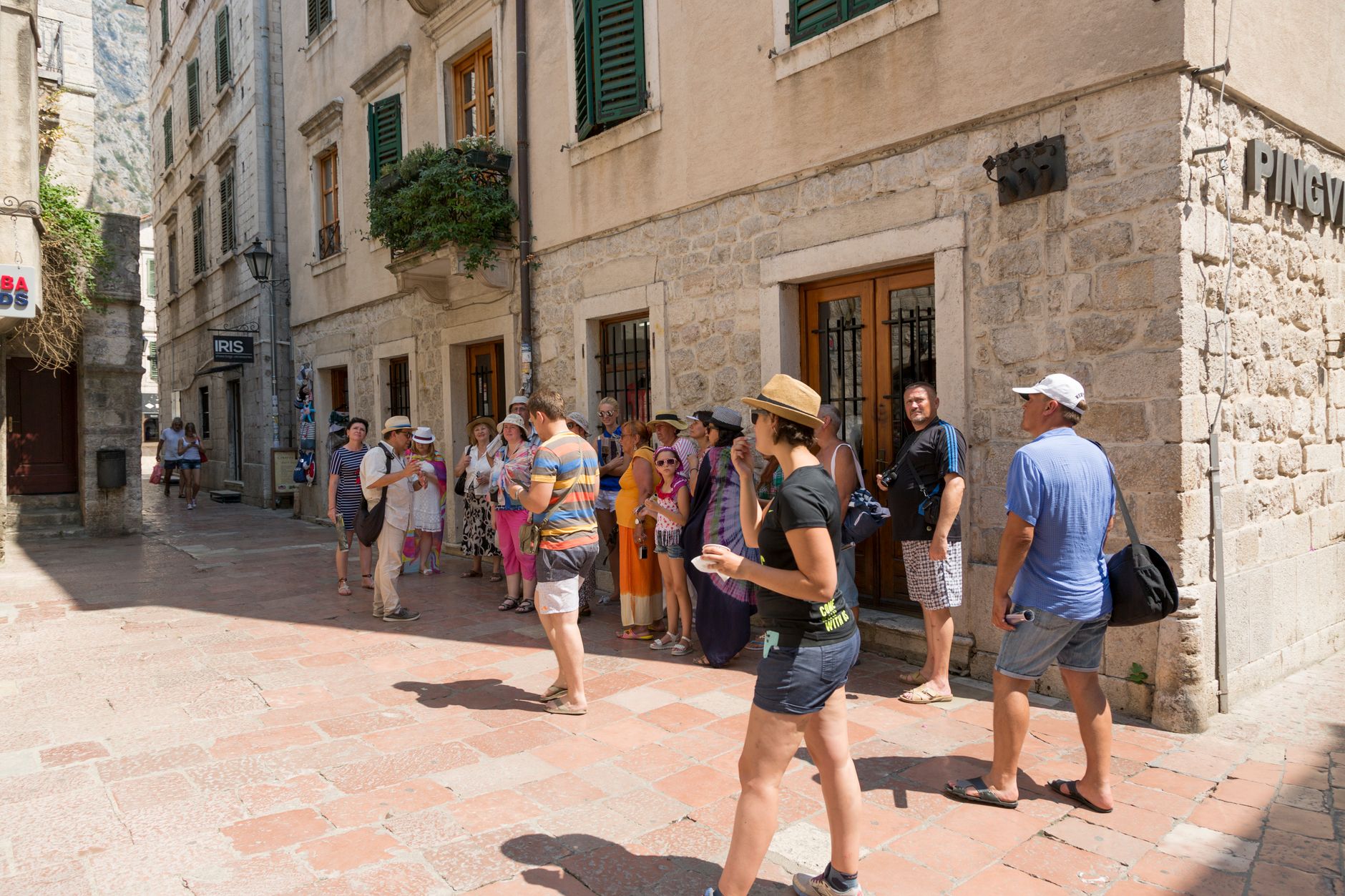
The layers here run deep. The Temple of Augustus, its columns still standing in a courtyard off the Gothic Quarter, dates to the 1st century BC — the Roman city of Barcino built around it. Through the Middle Ages, the districts of Sant Pere, Santa Caterina and La Ribera grew inside the old city walls as working neighbourhoods: craftsmen, guild traders, small merchants. Their trades are still written into the street names.
At Plaça del Rei, the Royal Palace served as the residence of the counts of Barcelona and kings of Aragon. It was here, in the Gothic Hall of Tinell, that Christopher Columbus was received by the Catholic Monarchs after returning from his first voyage to the Americas. The Barcelona Cathedral rose across the 13th to 15th centuries nearby; Lluís Domènech i Montaner's Palau de la Música Catalana, now a UNESCO World Heritage Site, arrived centuries later — set into a narrow side street as if the neighbourhood simply absorbed it.
Who and what shaped it
People who shaped it
Landmark buildings
See Old Town (Casc Antic) in motion
Plan your visit
On the map
When to go
Spring (mid-April to mid-June) is the easiest time to walk the old streets — temperatures in the high teens to low twenties Celsius, comfortable for hours on foot. Summer days push into the high twenties, and the density of stone buildings traps heat well into the night, making the neighbourhood noticeably warmer after dark than the rest of the city; the traditional deep shutters on older buildings exist for exactly this reason. Autumn is the rainiest season, though temperatures stay mild.
Right now
Background & history adapted from Wikipedia (CC BY-SA) · specs from Wikidata (CC0) · weather from Open-Meteo · map data © OpenStreetMap contributors · photos from Wikimedia Commons / Unsplash with per-image credit. No third-party reviews or social posts reproduced.