
Olbia
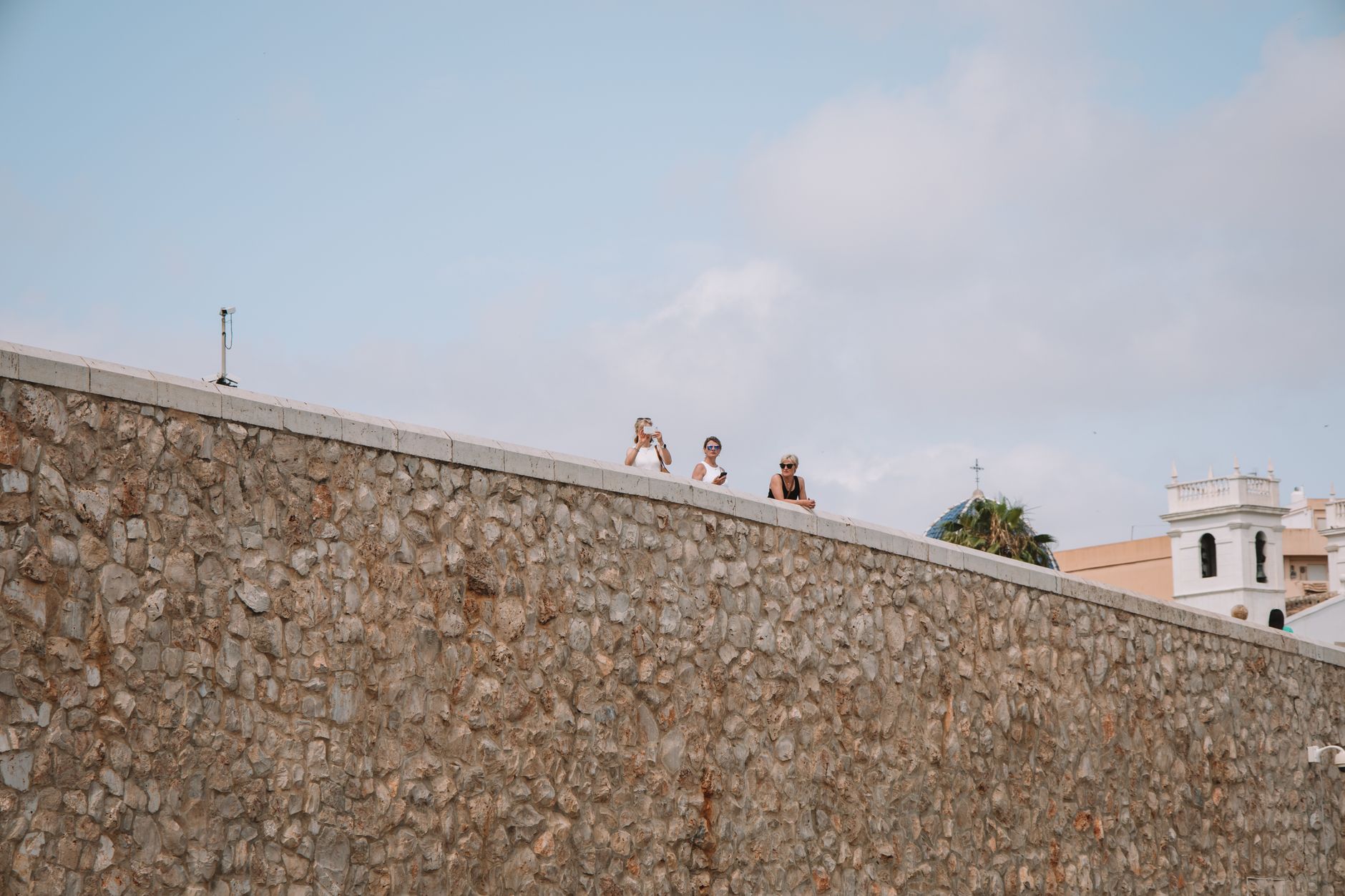
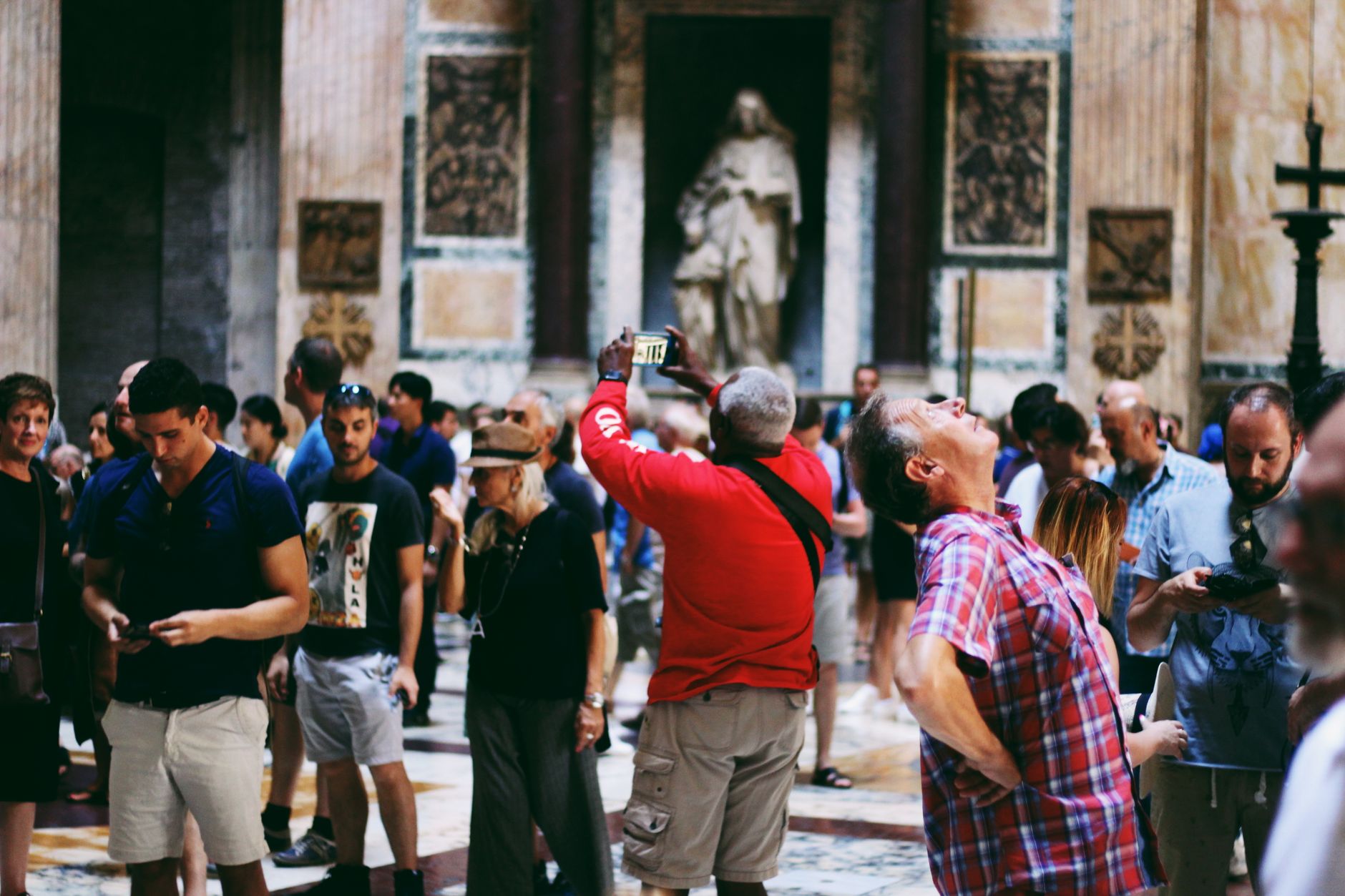
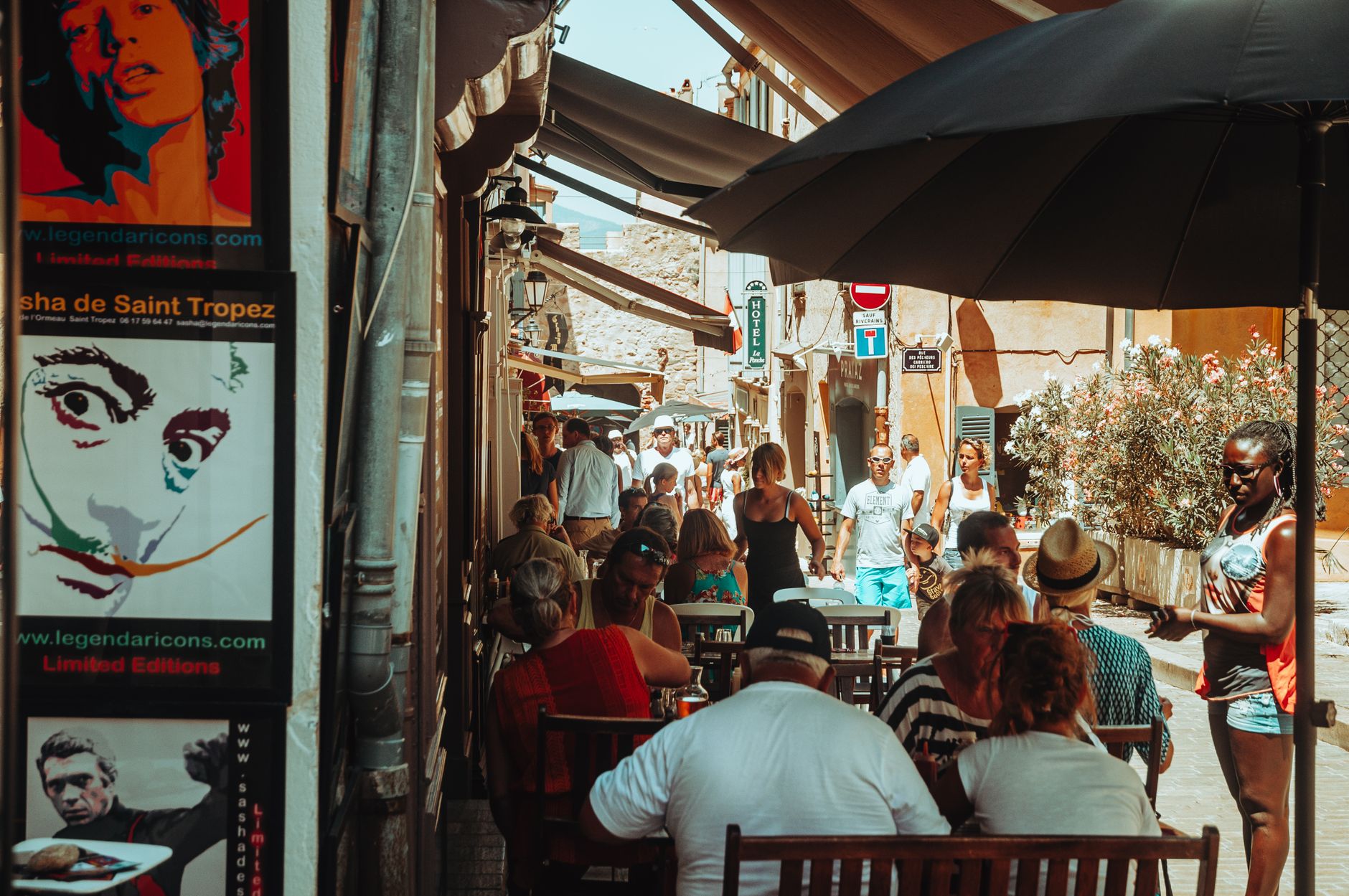
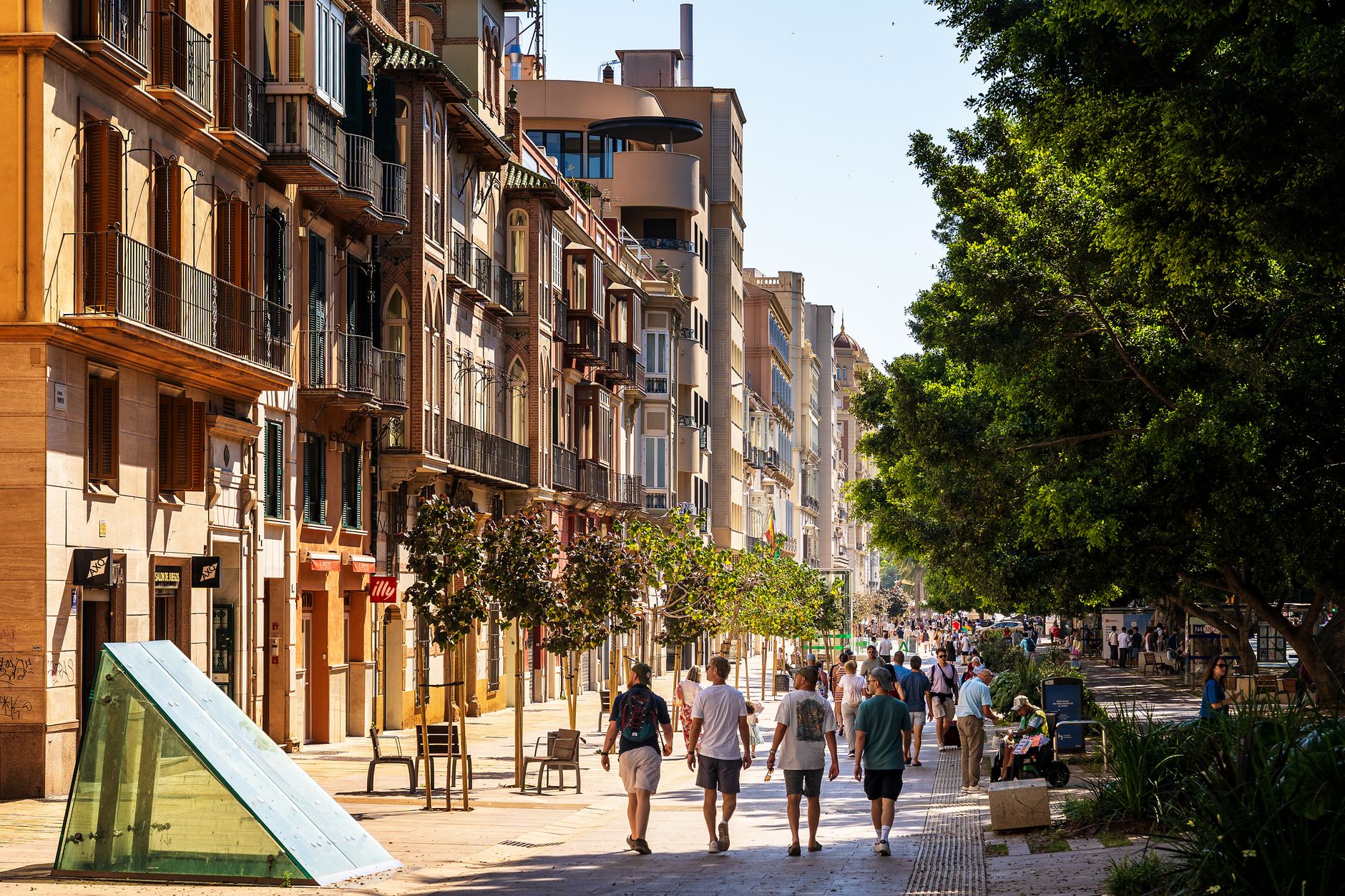
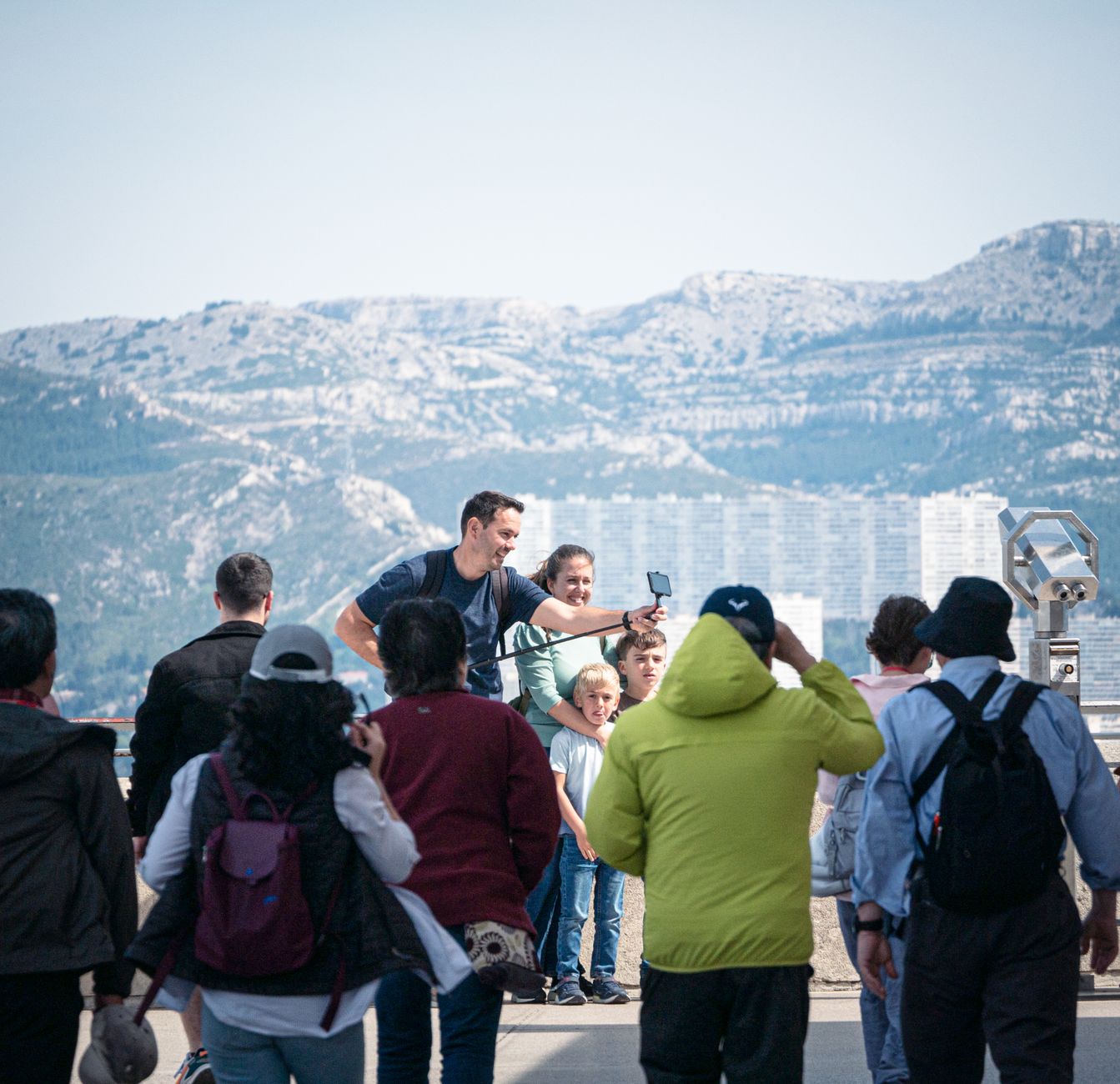
Most people pass through Olbia on the way to somewhere else — the Costa Smeralda, the ferry back to the mainland — and that suits the city fine. It has been a port since the Phoenicians arrived in the 8th century BCE, and it has always understood the rhythm of arrivals and departures. What they miss is a small city that has quietly accumulated layers: Punic walls from 330 BCE still partly visible near Via Tavolara, a Romanesque basilica that anchors the medieval quarter, and an archaeological museum shaped like a ship, sitting on its own island in the harbour.
Olbia is not performing for tourists. Corso Umberto I runs its 750 metres of Liberty-style facades from the waterfront to the train station, and the cafés along it are full of people who actually live here.
💛 What travellers fall for
People who come back tend to mention the Archaeological Museum unprompted — free entry, free audio guide, and the Roman shipwrecks inside are genuinely arresting. They also warn you about the ZTL: if you have a rental car, leave it outside the centre before you explore, or the fine arrives before you do.
Deals in Olbia
Book directly at the provider


How Olbia came to be
The city's founding is genuinely contested: Phoenician traders arrived around the mid-8th century BCE, Greek settlers from Phocaea renamed the place Olbia — meaning 'happy' or 'prosperous' — around 630 BCE, and the Carthaginians retook it after the Battle of Alalia in 540 BCE. Rome came in 259 BCE when consul Lucius Cornelius Scipio attacked the city; the Punic general Hanno died defending it. The walls he defended still exist in fragments.
After the Vandals in 455 CE and Byzantine reconquest in 534, the city became Civita — capital of the medieval Judicate of Gallura — before accumulating further names over the centuries. Terranova Pausania was what it was called until Mussolini's government restored the classical name Olbia in 1939, a piece of imperial nostalgia that, for once, stuck.
Who and what shaped it
People who shaped it
Landmark buildings
See Olbia in motion
Plan your visit
On the map
When to go
Summers are hot and reliably sunny — July and August bring the crowds and the heat. Spring and autumn are the easier seasons to walk the city: warm enough, far quieter, and the light on the old stone is worth the trip on its own. Winters are mild by northern European standards but genuinely rainy.
Right now
Background & history adapted from Wikipedia (CC BY-SA) · specs from Wikidata (CC0) · weather from Open-Meteo · map data © OpenStreetMap contributors · photos from Wikimedia Commons / Unsplash with per-image credit. No third-party reviews or social posts reproduced.