
Ohara
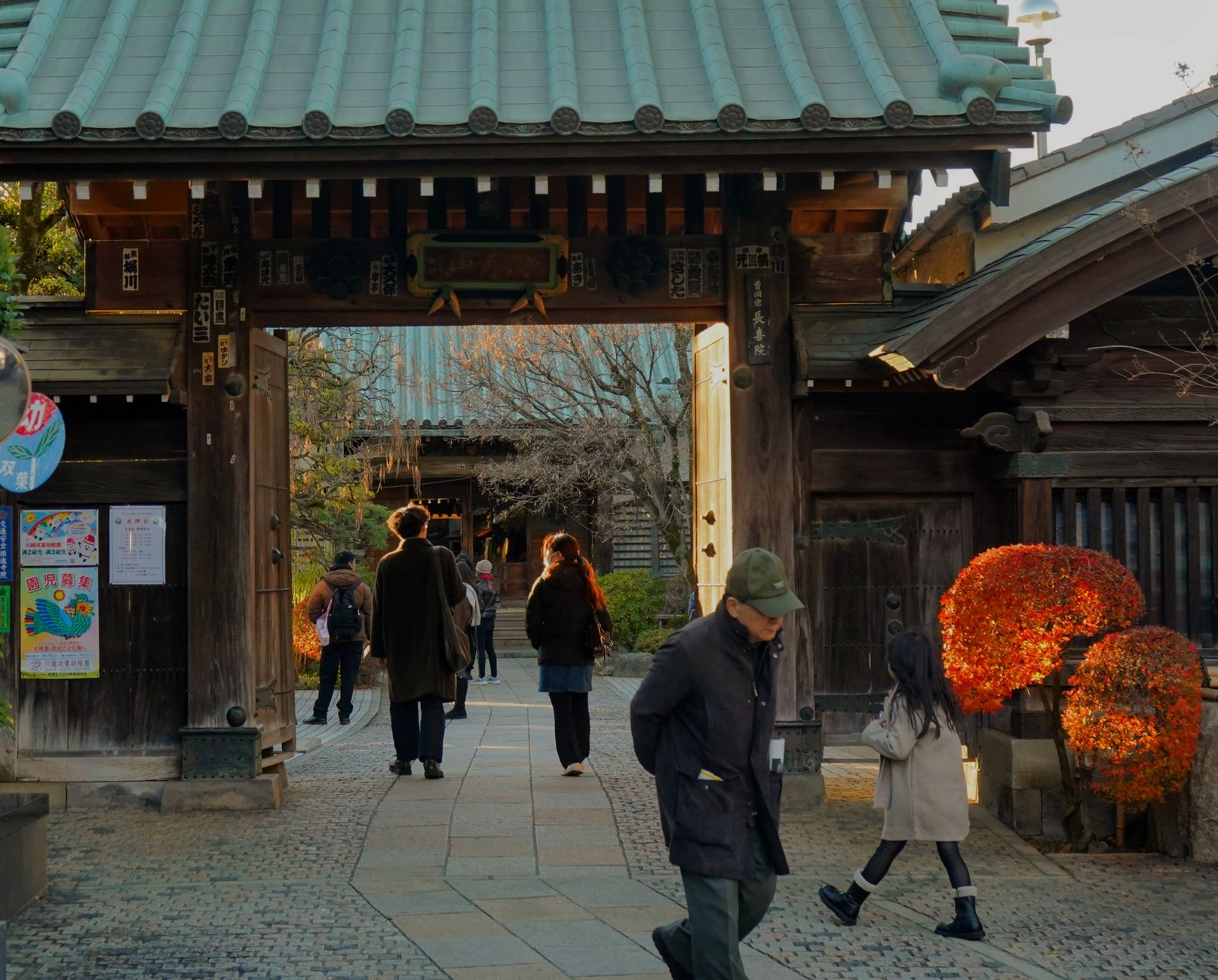
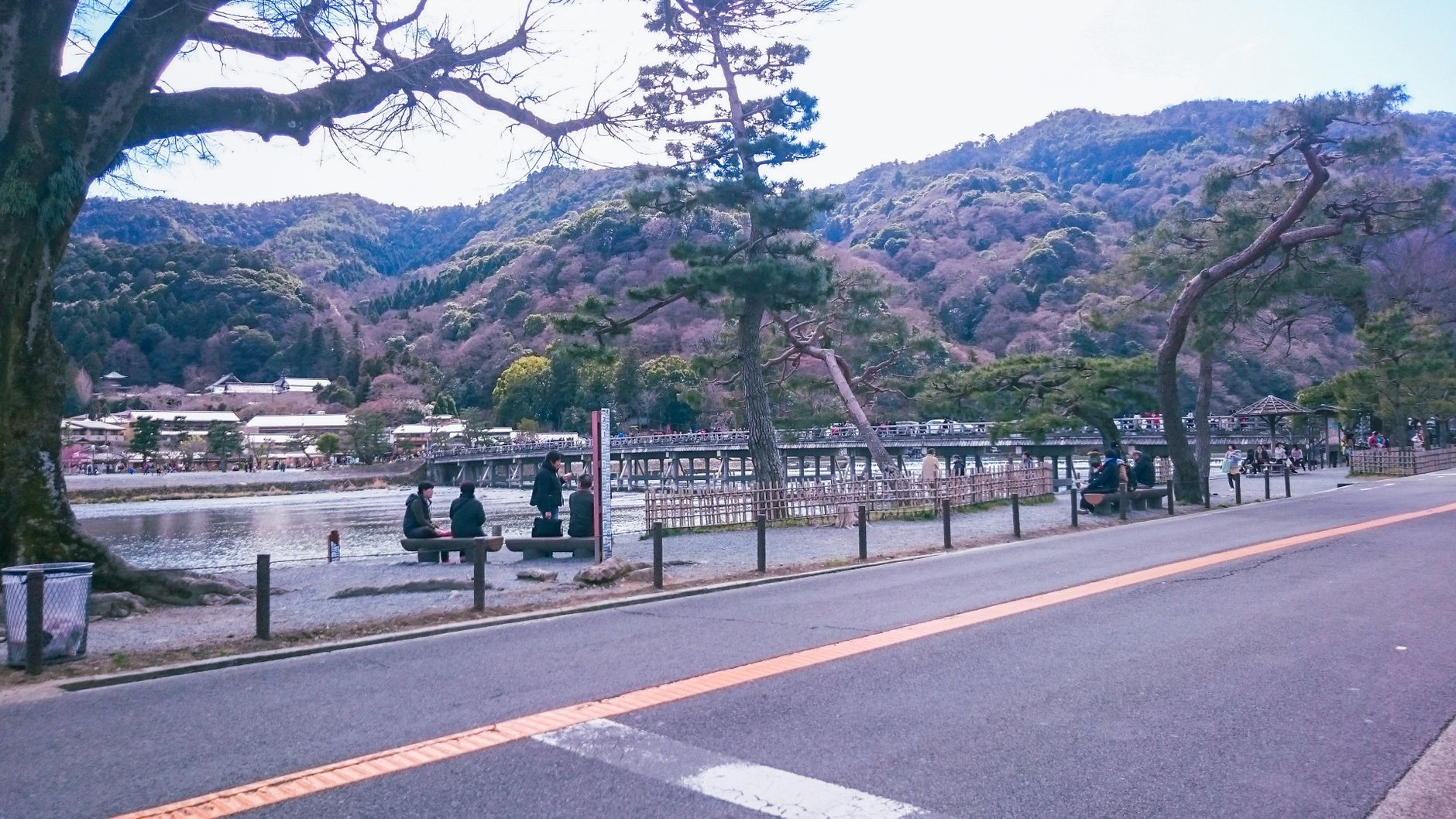
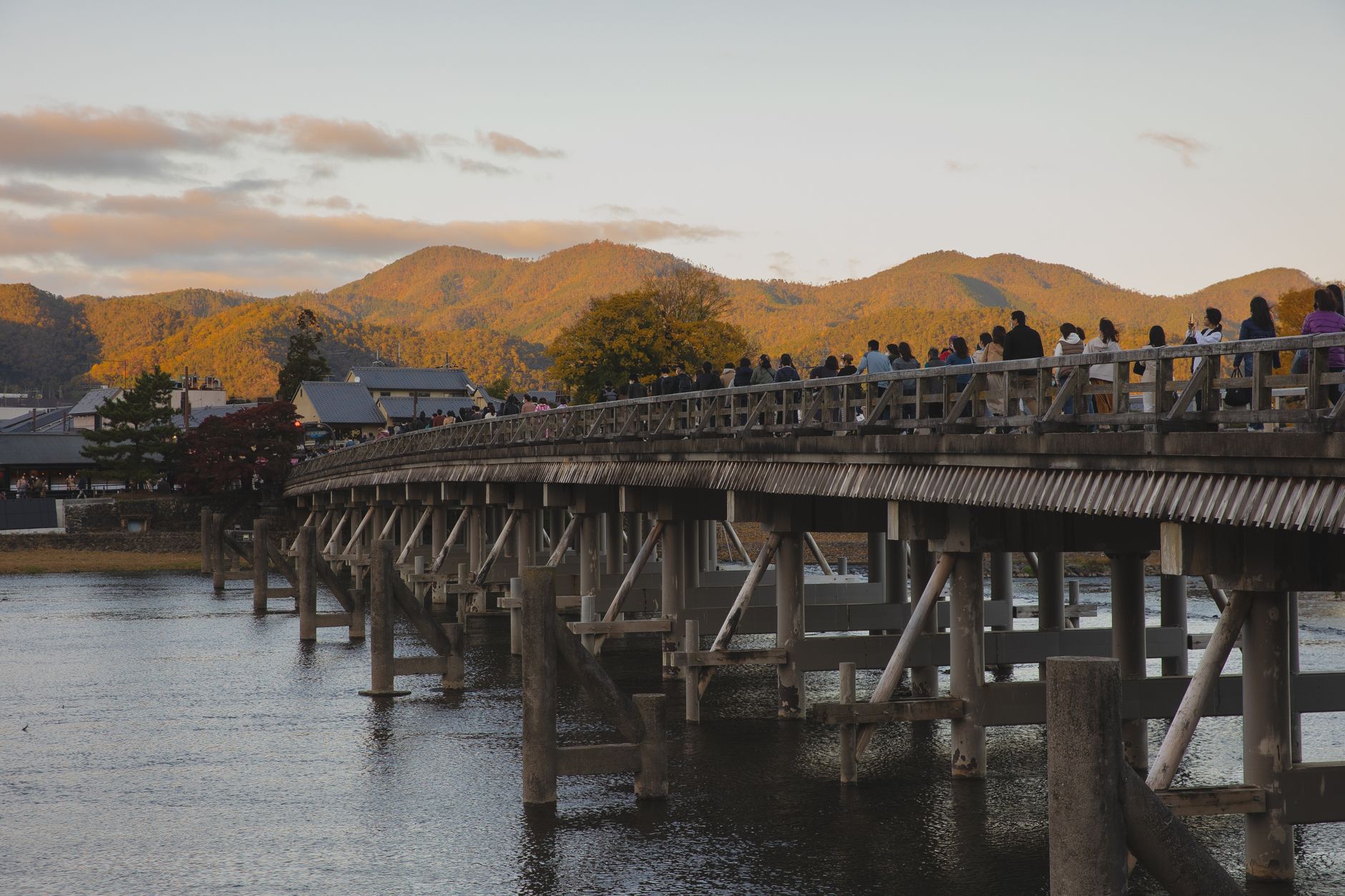
An hour north of Kyoto Station, the valley opens up and the city falls away entirely. Ohara sits in the mountains at the edge of Kyoto's administrative limits — close enough to reach by bus, far enough that most day-trippers thin out by mid-afternoon. The temples here are not backdrop; they are the reason the place exists. Monks have been chanting in these hills since the ninth century, and that particular quiet — part forest, part ritual — still shapes how the whole valley feels.
The landmark most people come for is Sanzen-in, a Tendai temple whose oldest hall dates to 985. But Ohara rewards the visitor who walks past it, through the cedar and moss, toward Jakko-in or the waterfall the locals call 'the one without sound.'
💛 What travellers fall for
People who return tend to time it carefully. Autumn brings crowds to Sanzen-in for good reason — the maples are genuinely something — but regulars often prefer late spring on a weekday, when the moss gardens are saturated green and Hosen-in's 700-year-old pine holds the morning light. The tea and sweet included with Hosen-in's entry fee are worth sitting with slowly.
Deals in Ohara
Book directly at the provider


How Ohara came to be
Ohara's oldest thread is religious. The monk Saicho — later known as Dengyo Daishi — established what would become Sanzen-in sometime between 782 and 806, using it as a training ground for the Tendai sect he had founded. In 860, the priest Joun rebuilt the complex on Emperor Seiwa's orders. The temple's current name wasn't formally adopted until 1871, following documentation attributed to Emperor Reigen.
The valley's identity as a center of shomyo — Buddhist ritual chanting — was sealed in 1013, when Jakugen, of the Uda Genji clan, founded Shorin-in Temple. The monk Ennin had earlier brought the practice from China, and Ohara became the place where it was refined and taught. Alongside this monastic life ran a more earthly trade: the Oharame, women who walked to Kyoto carrying firewood and flowers balanced on their heads, a practice that lasted from the Muromachi period well into the Meiji era.
Who and what shaped it
People who shaped it
Landmark buildings
See Ohara in motion
Plan your visit
On the map
When to go
Spring (April–May) brings mild temperatures and vivid greenery; autumn (November) turns the maple trees red and gold but draws the heaviest crowds. Summers are warm and humid, winters cold enough for occasional snow — which makes the temple gardens look striking, if you're dressed for it.
Right now
Background & history adapted from Wikipedia (CC BY-SA) · specs from Wikidata (CC0) · weather from Open-Meteo · map data © OpenStreetMap contributors · photos from Wikimedia Commons / Unsplash with per-image credit. No third-party reviews or social posts reproduced.