
Odaiba
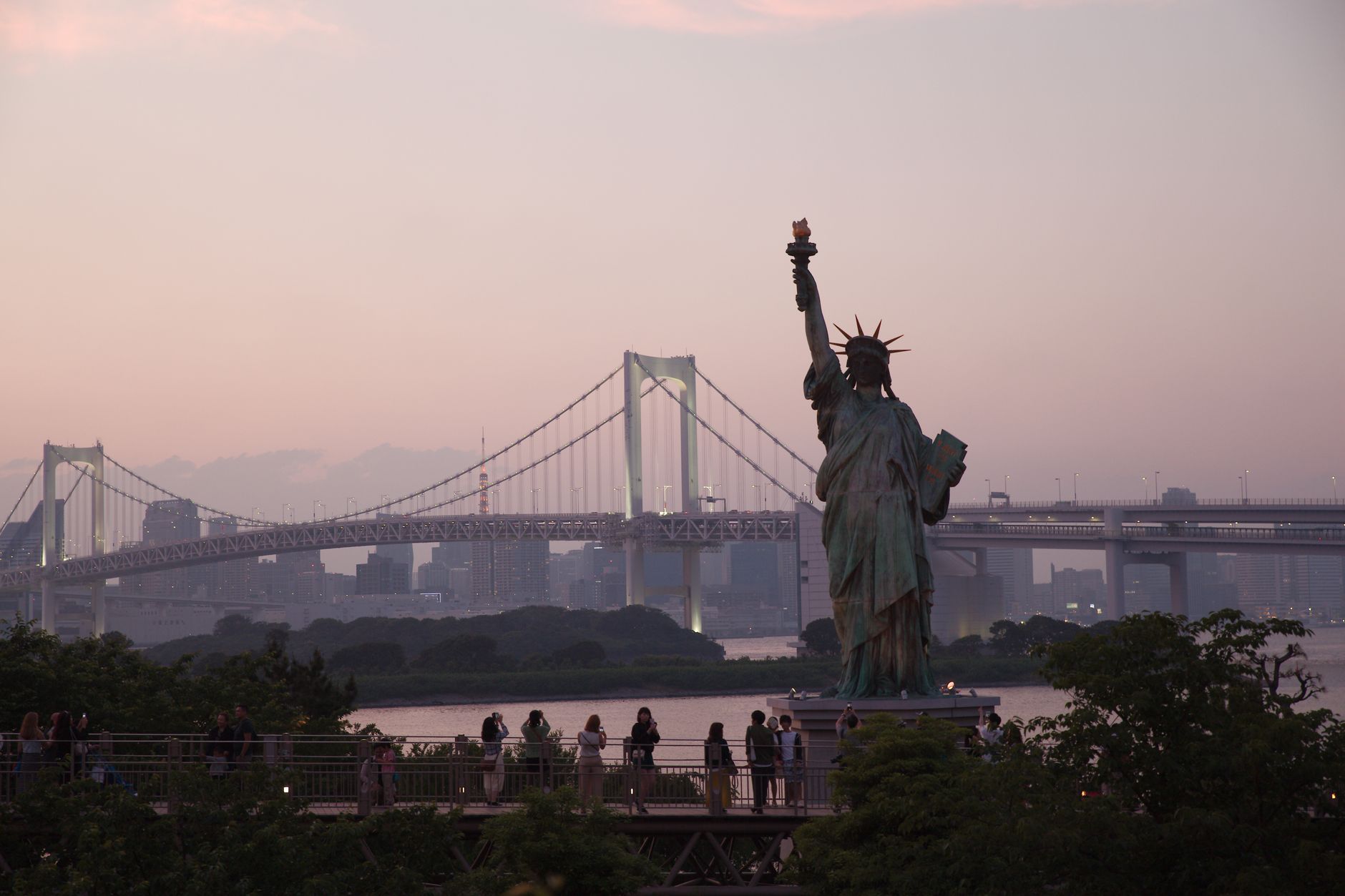
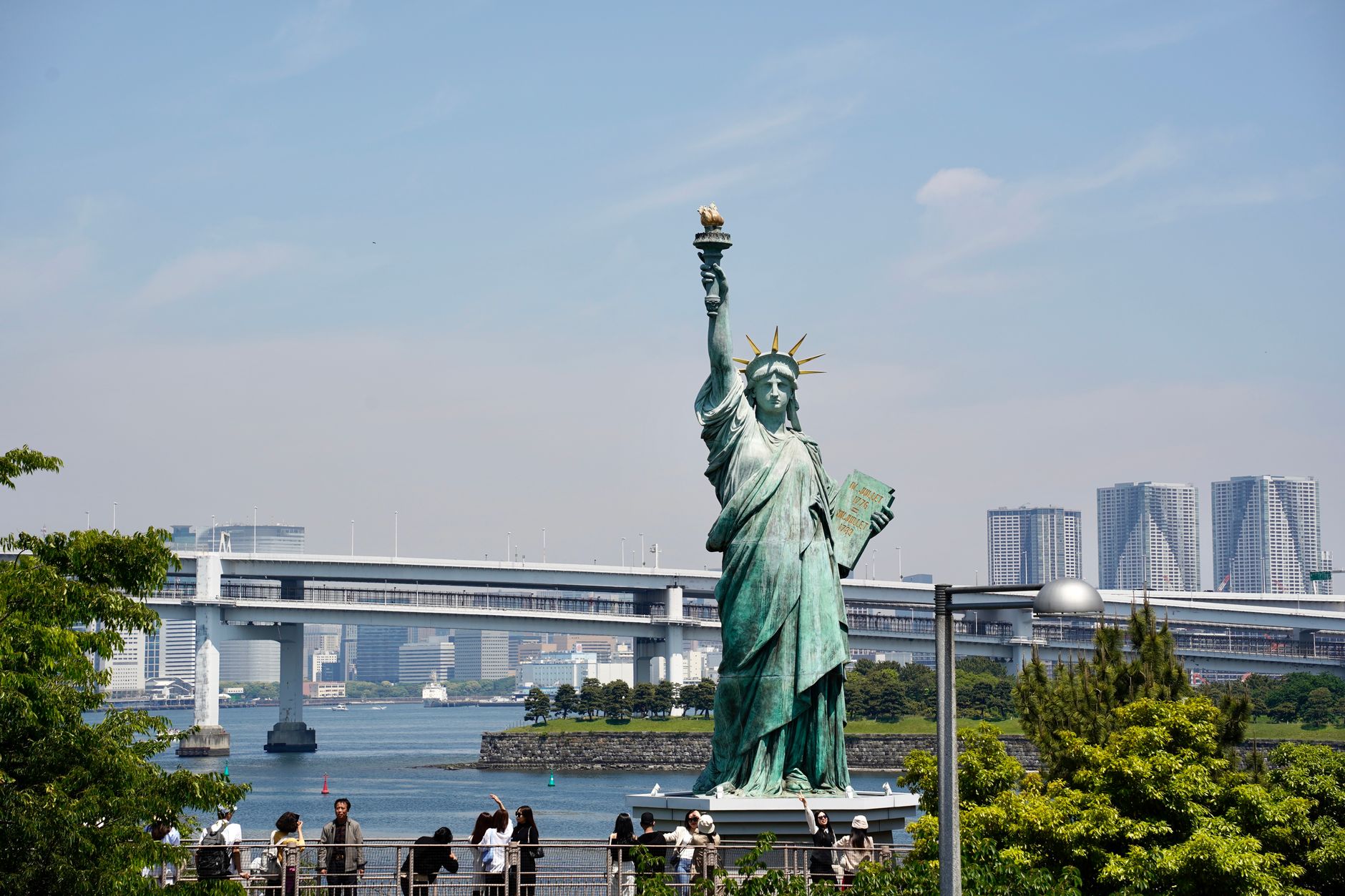
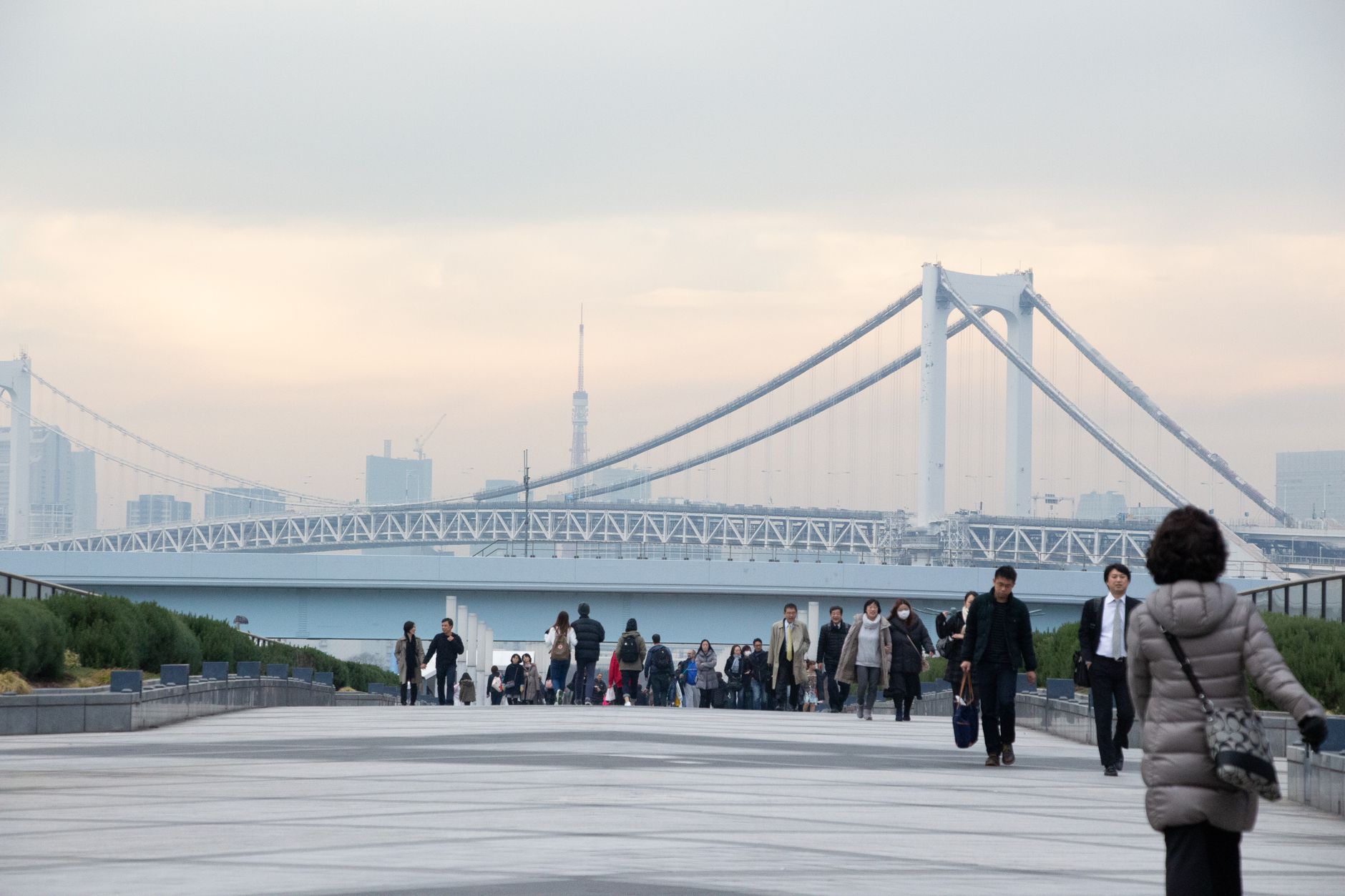
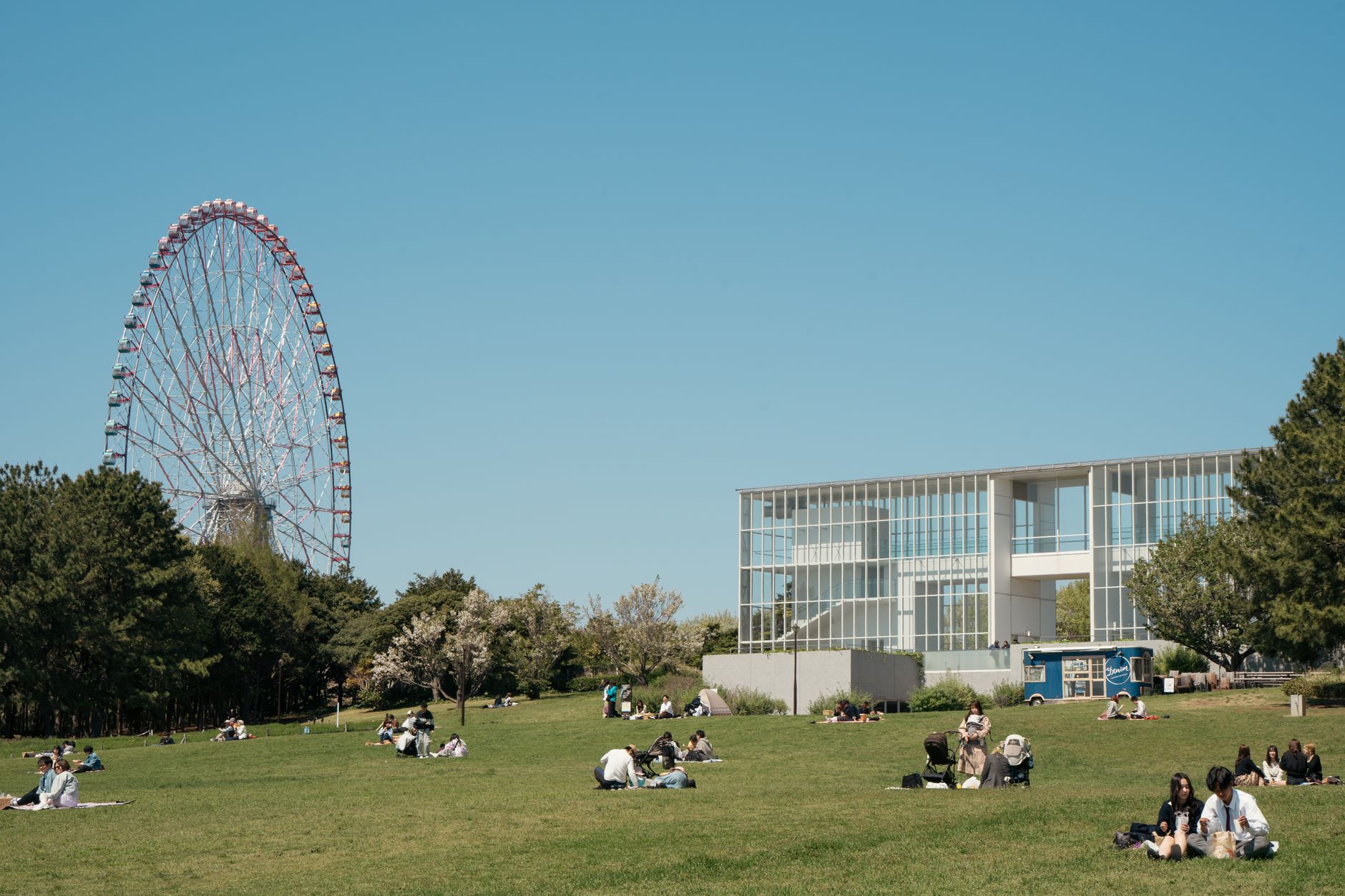
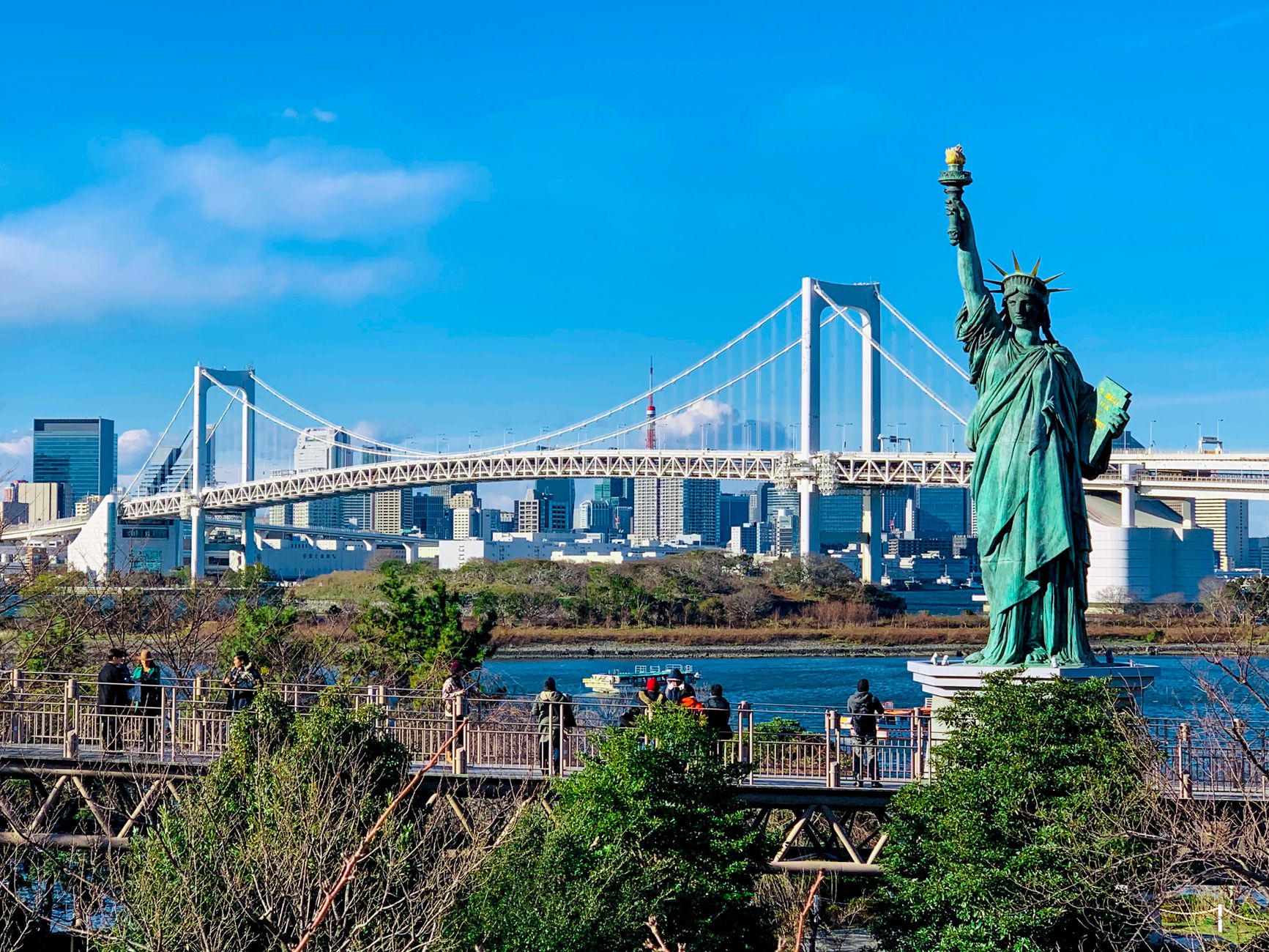
Odaiba sits on reclaimed land in Tokyo Bay, and the first thing you notice from the Yurikamome's elevated tracks is how deliberate the whole island looks — the Rainbow Bridge drawing a clean arc across the water, the Fuji Television Building's silver sphere catching the light, the skyline of the city proper arranged behind it all like a stage flat. It began as a defensive position and became a failed utopia before settling into something more honest: a leisure district that Tokyo uses without apology.
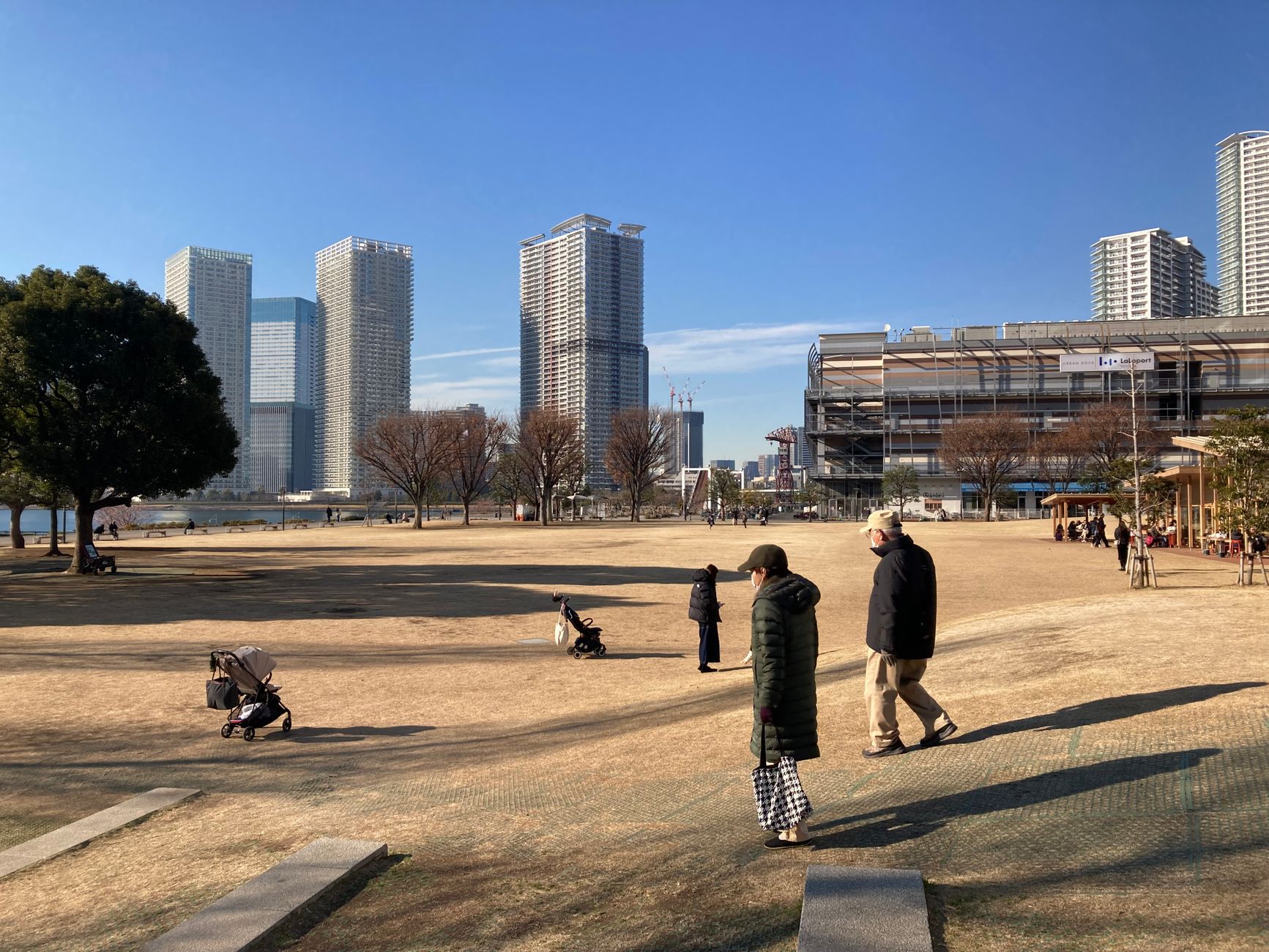
The scale here is different from the rest of the city. Streets are wide, buildings stand apart from each other, and the waterfront actually has room to breathe. That openness, unusual for Tokyo, is a direct inheritance of the 1990s redevelopment plan that overreached and left a lot of empty ground.
💛 What travellers fall for
People who come back tend to do it at dusk — the walk along Odaiba Marine Park as the Rainbow Bridge lights up and the city across the water goes from grey to gold is one of those views that holds up on a second and third visit. The Fuji TV observation deck at 700 yen is consistently underrated; you get the sphere to yourself on weekday afternoons.
Deals in Odaiba
Book directly at the provider

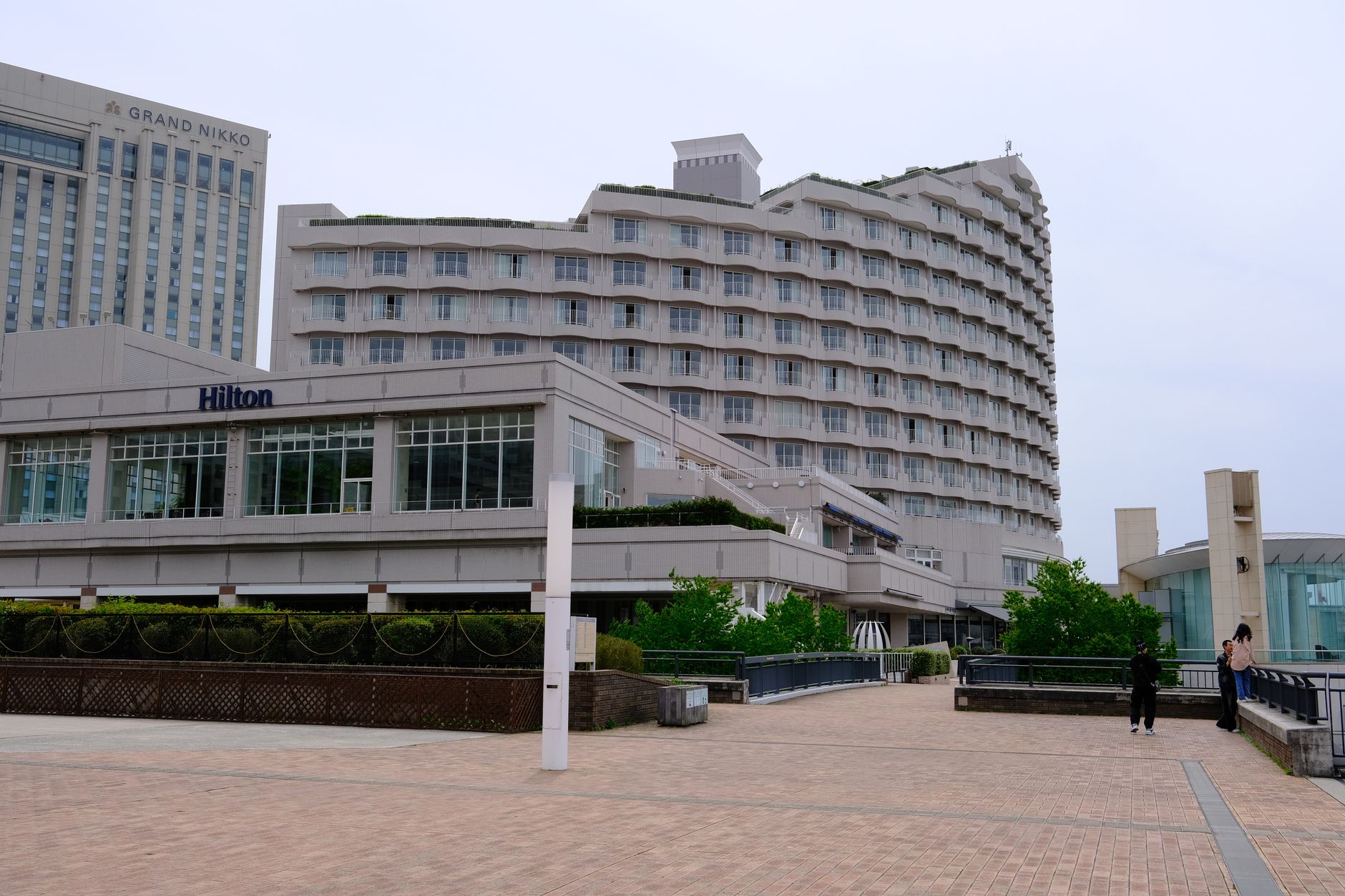
How Odaiba came to be
Odaiba's origin is military and anxious. In 1853, when Commodore Matthew Perry's Black Ships appeared in Edo Bay, the Tokugawa shogunate commissioned Egawa Hidetatsu to build a chain of defensive gun batteries in the water. Three were finished within eight months; a fourth followed a decade later. They were never fired in anger. By the mid-20th century most had been demolished to open shipping lanes, though Battery No. 3 was refurbished in 1928 and survives today as Metropolitan Daiba Park.
The modern island took shape after the Port of Tokyo opened in 1941, but its defining — and defining failure — moment came in the early 1990s, when Governor Shunichi Suzuki launched a plan to build Tokyo Teleport Town around a 1996 international exposition. Over a trillion yen was spent before his successor Yukio Aoshima halted the project in 1995. The vacant lots and unfinished towers sat until the late 1990s, when the area reinvented itself as a waterfront leisure zone — a role it has occupied, pragmatically and successfully, ever since.
Who and what shaped it
People who shaped it
Landmark buildings
See Odaiba in motion
Plan your visit
On the map
When to go
Spring and autumn are the most comfortable seasons to walk the waterfront — March to May brings mild temperatures and occasional cherry blossoms near the park areas, while October and November offer clear skies and sharp views across the bay. Summer is hot and humid; the open esplanades offer little shade, so early mornings or evenings work better. Winter is cold but often brilliantly clear, and the bridge lights reflect well on calm water.
Right now
Background & history adapted from Wikipedia (CC BY-SA) · specs from Wikidata (CC0) · weather from Open-Meteo · map data © OpenStreetMap contributors · photos from Wikimedia Commons / Unsplash with per-image credit. No third-party reviews or social posts reproduced.