
Nuoro
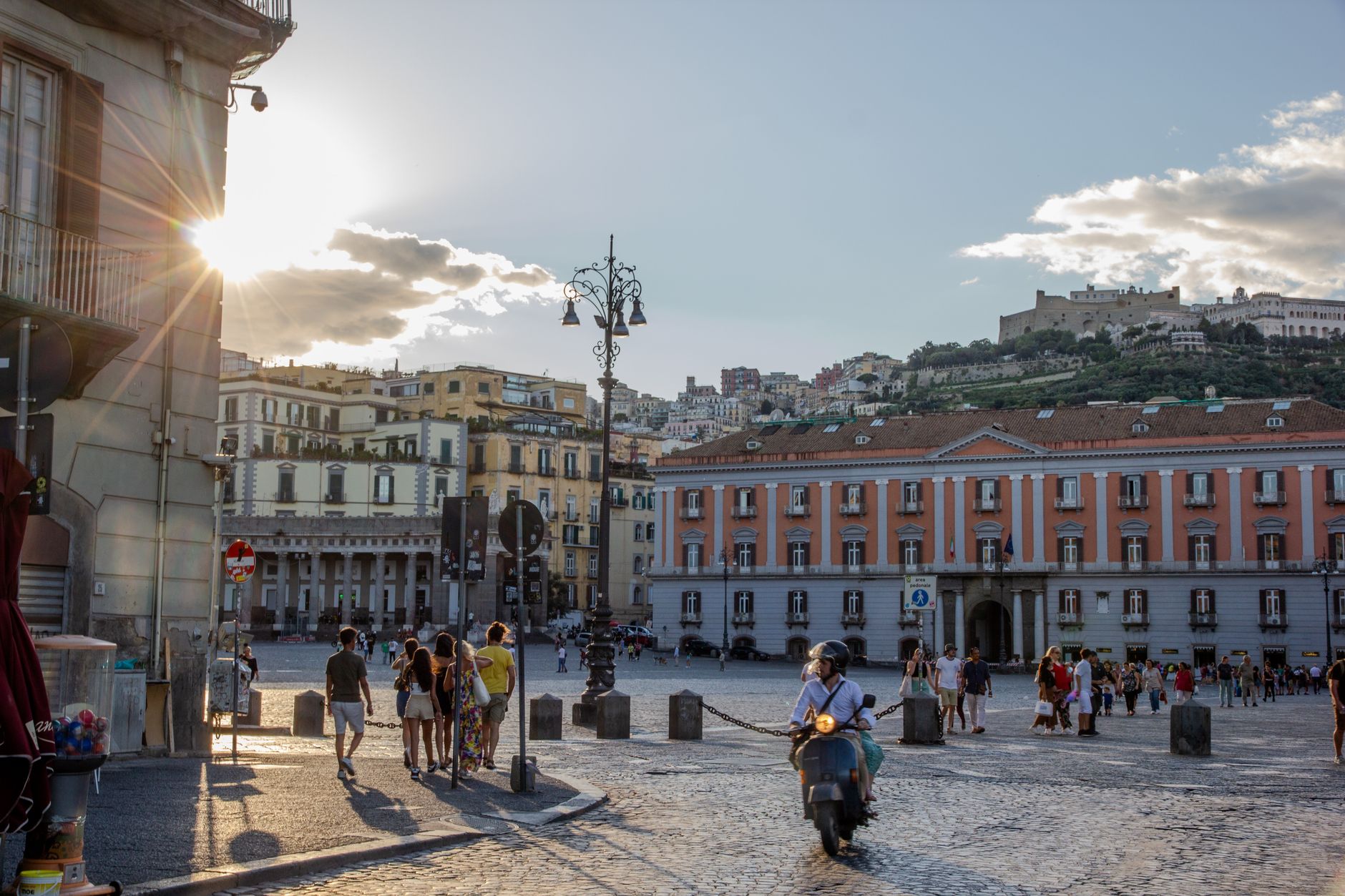
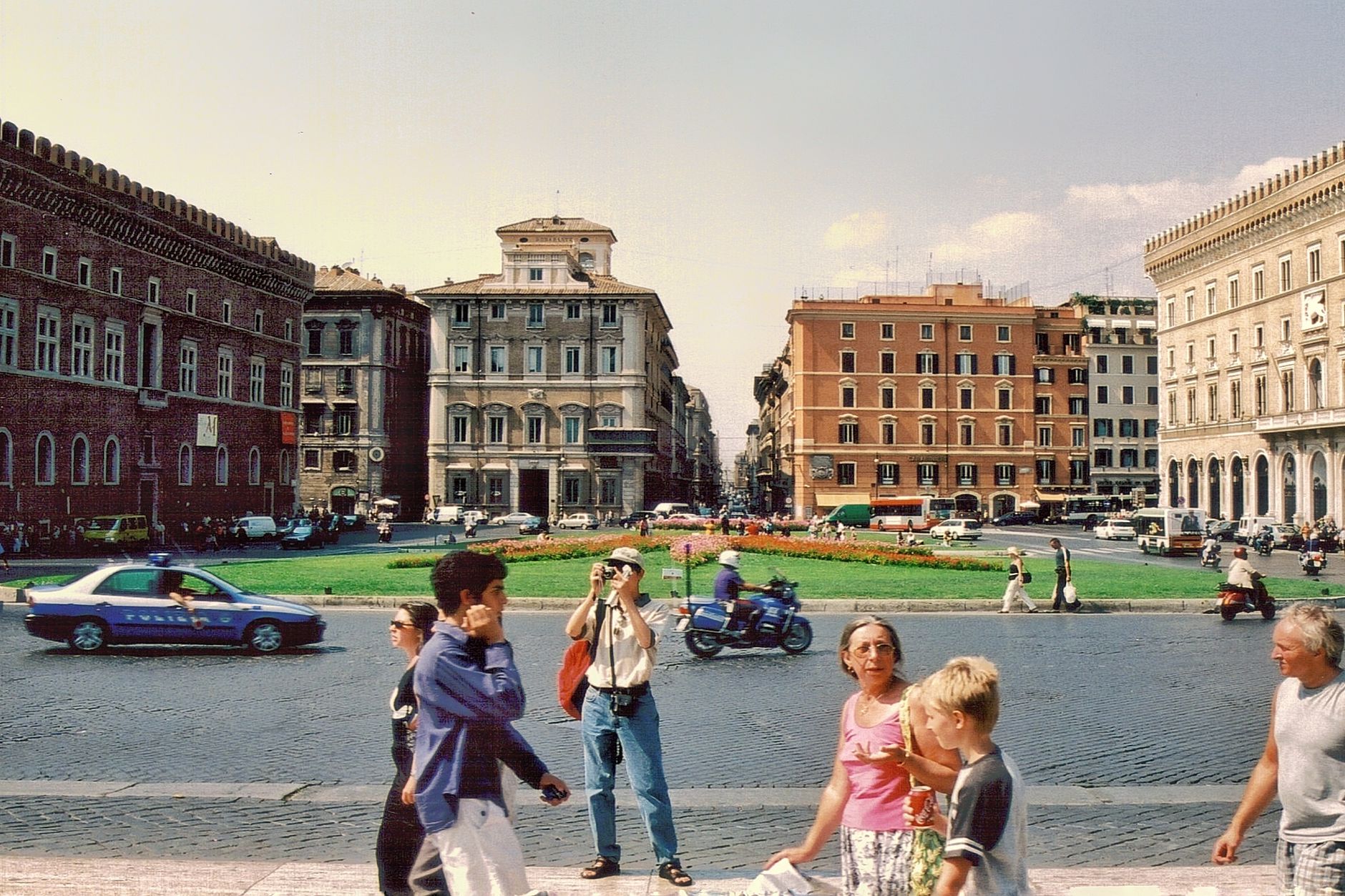
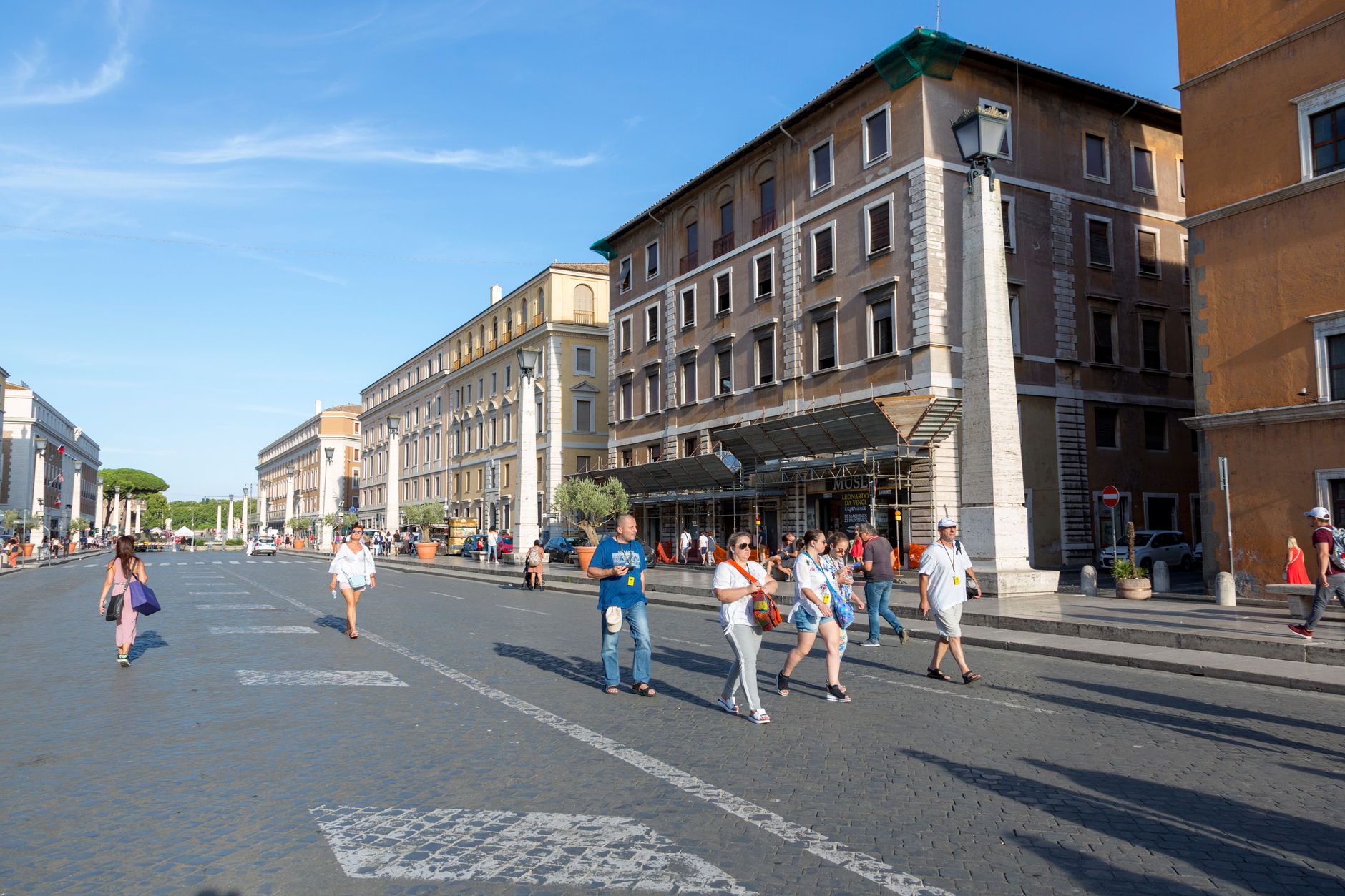
On the granite plateau of central Sardinia, Nuoro sits at an elevation that keeps the coast at arm's length and gives the city a self-contained, slightly austere quality. The street everyone ends up on sooner or later is the Corso Garibaldi — formerly Via Majore — where the afternoon passeggiata follows the same unhurried rhythm it has for generations, past cafés and stone facades that don't seem to be trying to impress anyone.
This is the city that produced Grazia Deledda, the first Italian woman to win the Nobel Prize in Literature, and that fact alone tells you something: Nuoro has always punched above its size. Five serious museums, a sculptor who took first prize at the Venice Biennale in 1907, a mountain with a bronze Redeemer looking out over cork-oak forest — the place rewards attention.
💛 What travellers fall for
People who come back tend to save Monte Ortobene for late afternoon, when the light through the holm oaks changes and the 7-metre bronze Redeemer casts a long shadow. They also say the Museo Etnografico Sardo takes longer than you expect — go before lunch, not after. The Séuna district is quieter than the Corso and older; worth the short walk.
Deals in Nuoro
Book directly at the provider


How Nuoro came to be
People have been living on this granite upland since the Nuragic civilization — roughly 1500 to 250 BC — and more than 30 Nuragic sites survive in the surrounding area, including a village at Tanca Manna with over 150 huts. The name Nugorus appears in a 12th-century record; by the medieval period the settlement had grown to more than a thousand inhabitants, though famine and plague hit hard in the late 17th century.
The modern city took shape after Sardinia's annexation to the Kingdom of Sardinia: Nuoro received its city title in 1836 and became a provincial capital when the Province of Nuoro was created in 1927. The Palazzo delle Poste, designed by Angiolo Mazzoni in the 1930s, still anchors the civic center the Fascist administration called 'Nuoro Littoria' — a layer of history the city neither hides nor over-explains.
Who and what shaped it
People who shaped it
Landmark buildings
See Nuoro in motion
Plan your visit
On the map
When to go
Winters are mild but genuinely wet, with November the soggiest month and February averaging around 7°C; summers are hot and dry, with August pushing 23°C and July receiving almost no rain. The mistral can arrive without warning and cut the heat sharply — a light layer is worth keeping to hand even in June.
Right now
Background & history adapted from Wikipedia (CC BY-SA) · specs from Wikidata (CC0) · weather from Open-Meteo · map data © OpenStreetMap contributors · photos from Wikimedia Commons / Unsplash with per-image credit. No third-party reviews or social posts reproduced.