
Noto
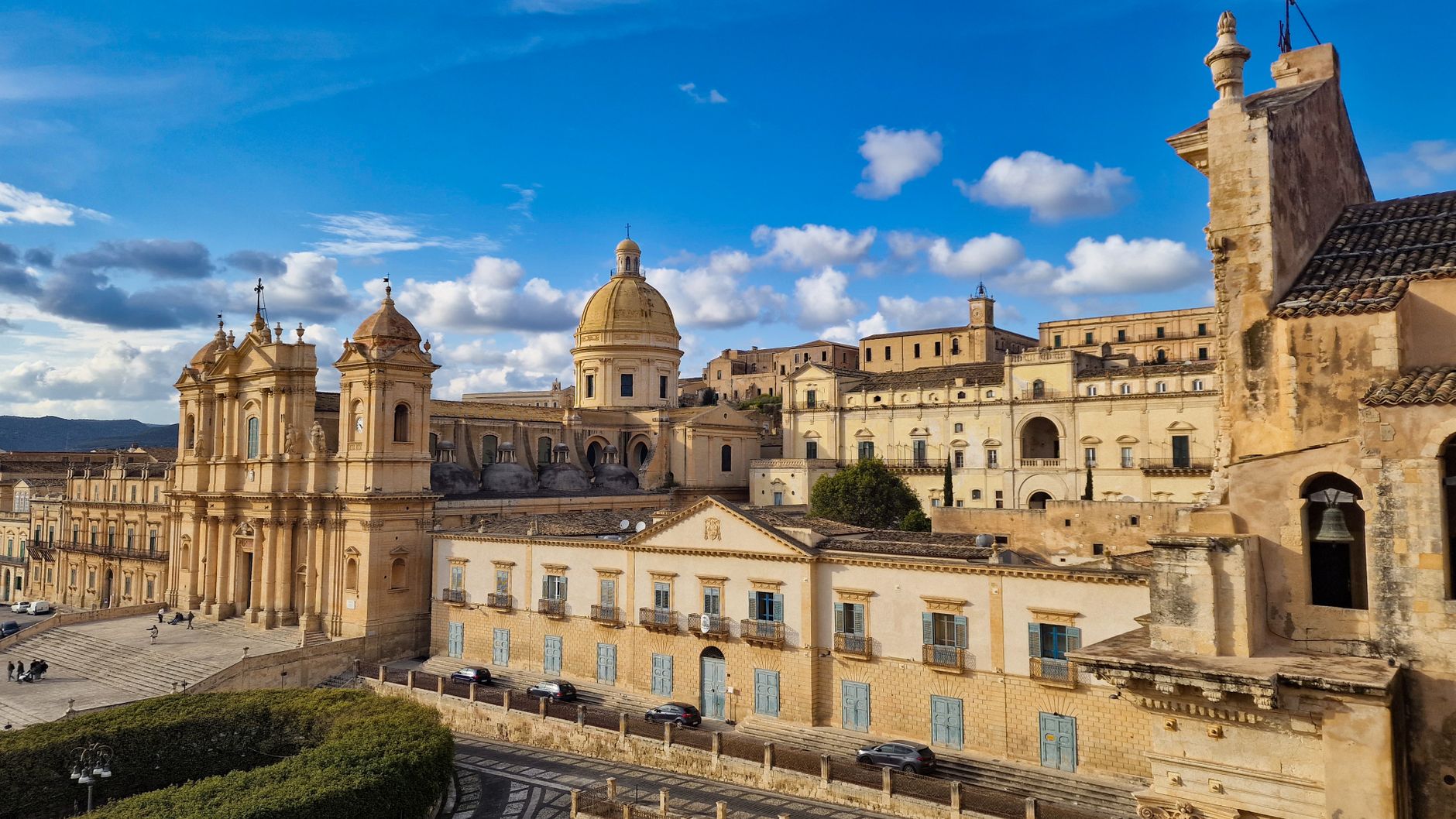
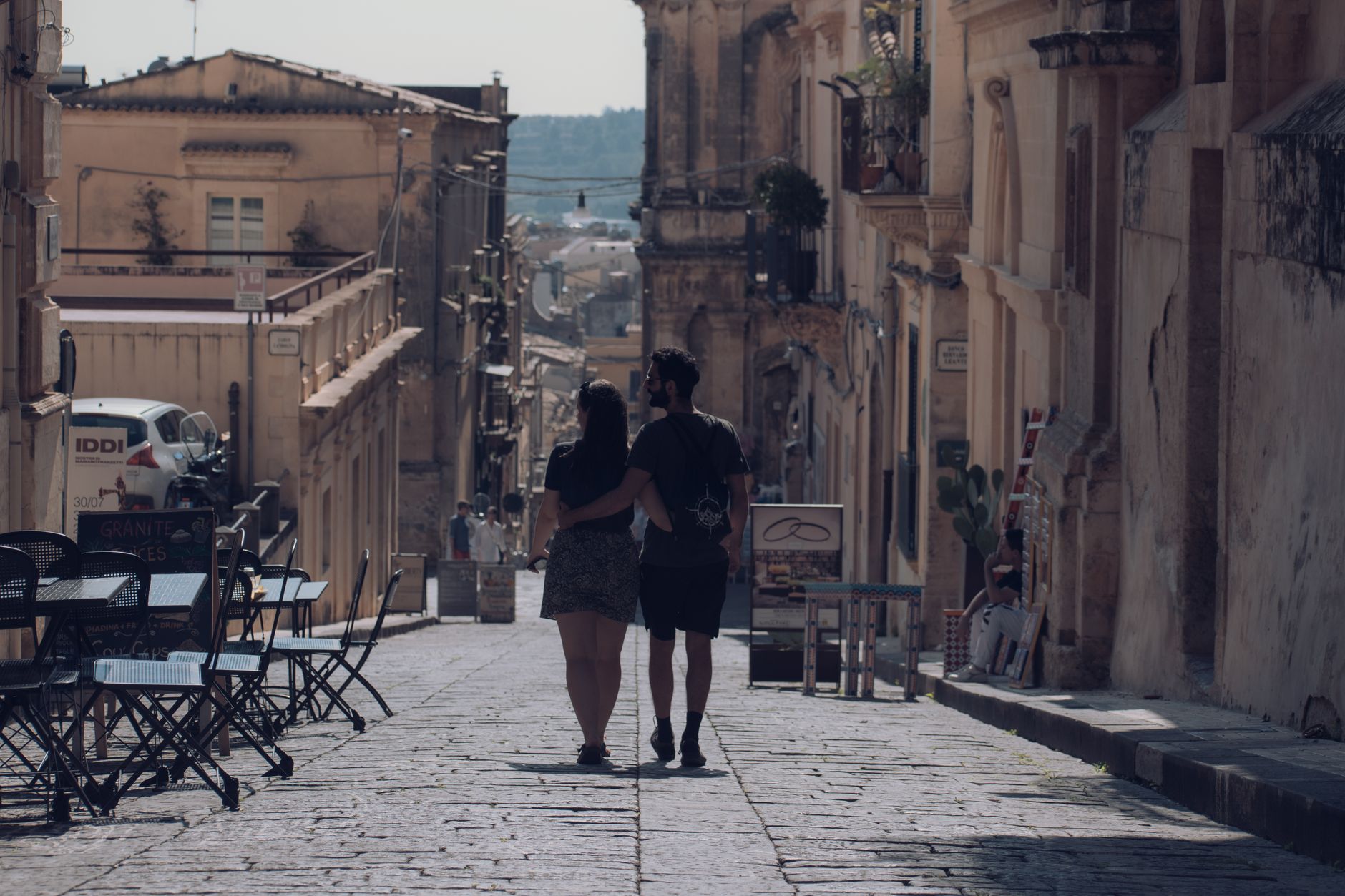
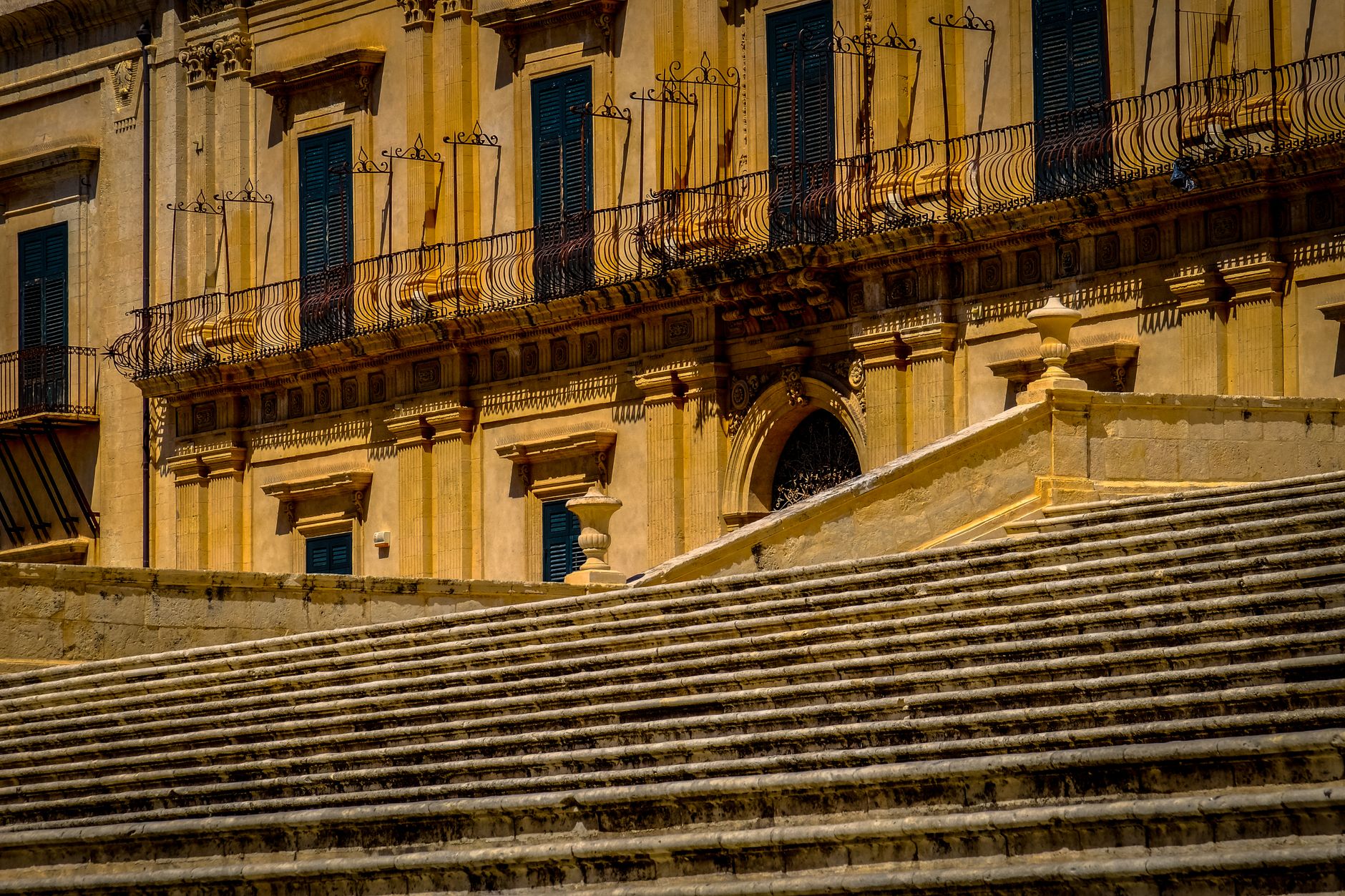
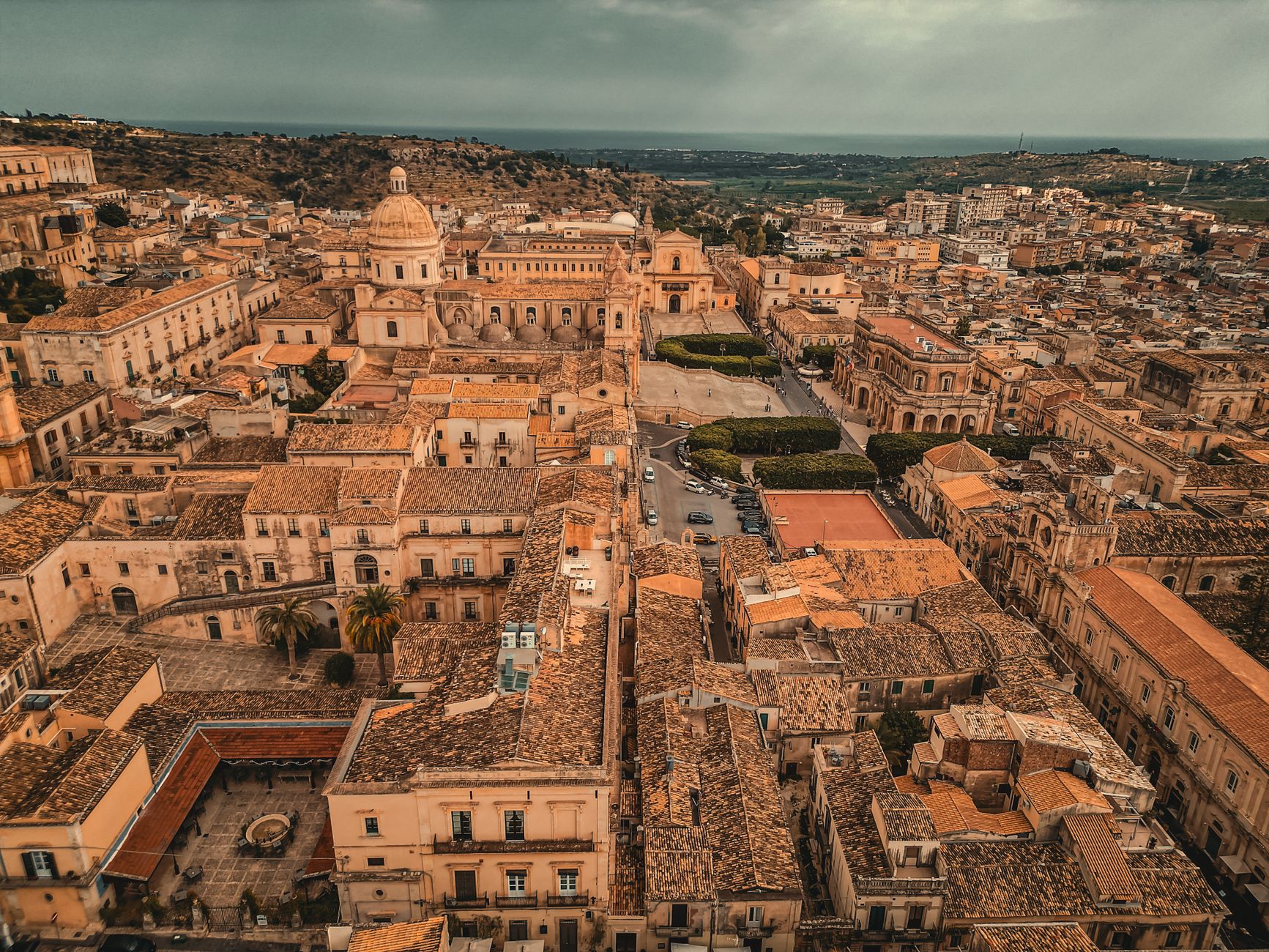
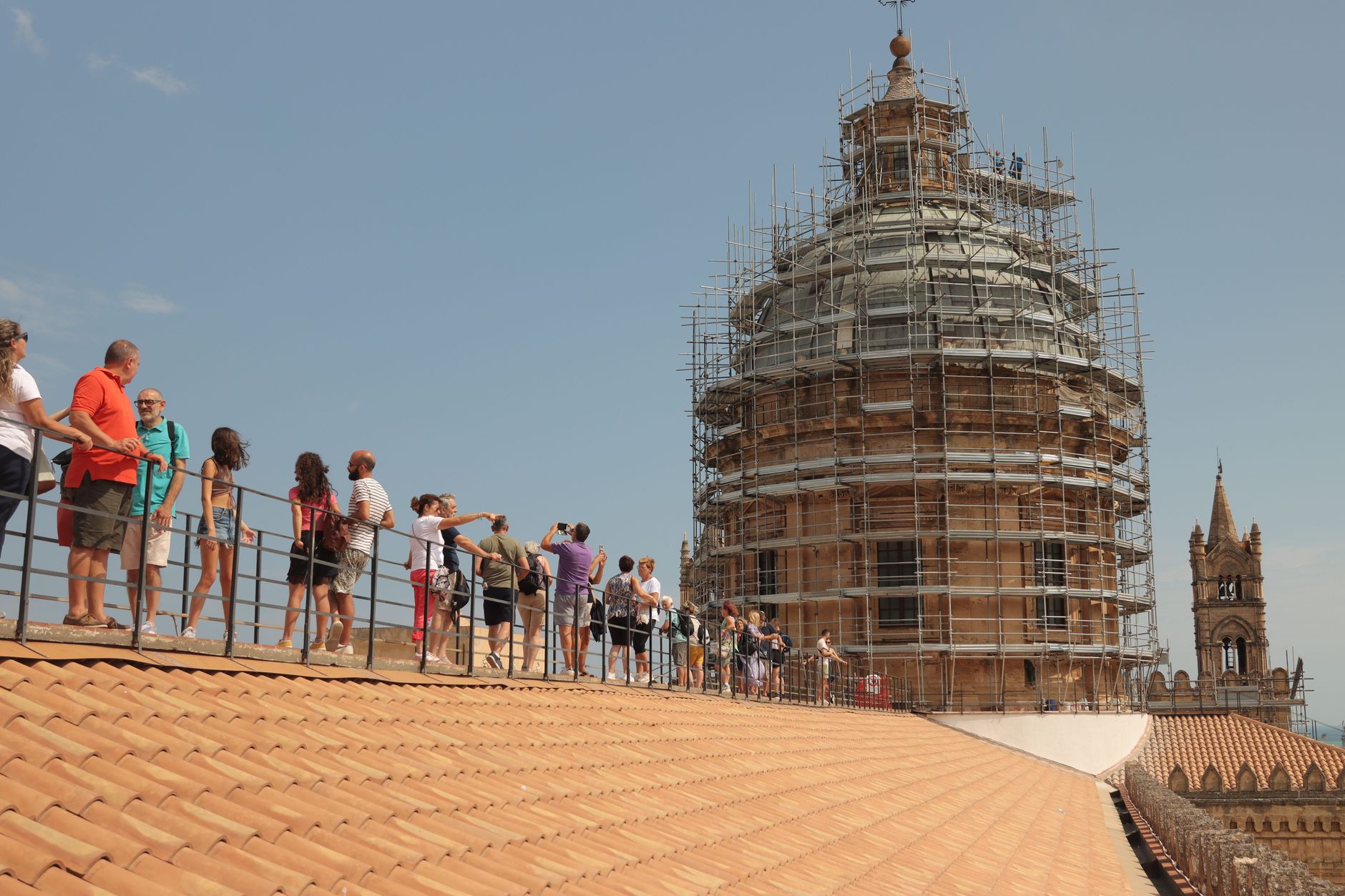
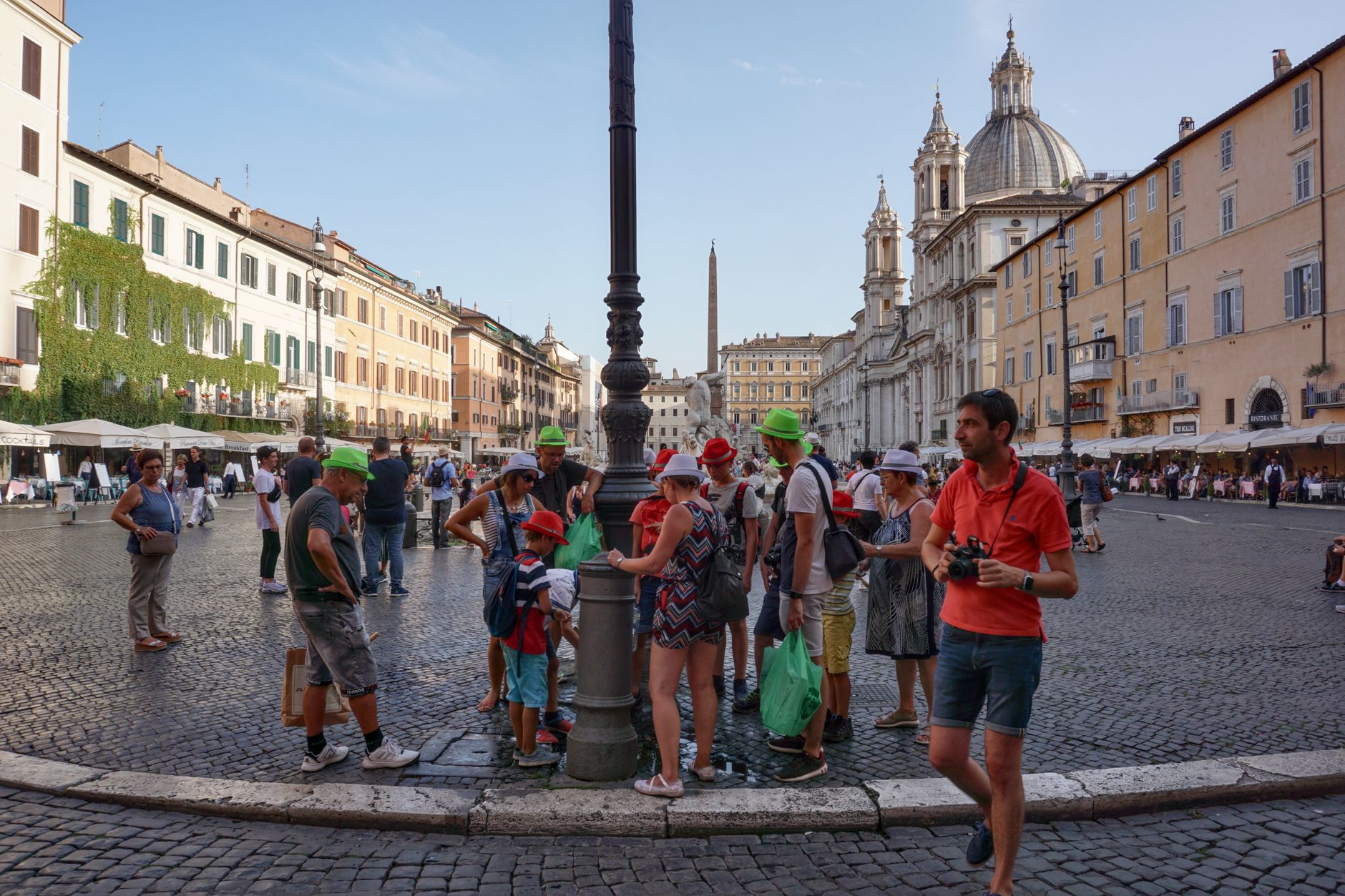
The first thing you notice on Corso Vittorio Emanuele is the stone itself — a soft tufa that turns honey-gold in afternoon light, as though the entire city is lit from within. That warmth is not accidental. Noto was designed from scratch after the earthquake of 1693 levelled its medieval predecessor, and the architects who rebuilt it — Rosario Gagliardi chief among them — arranged the streets on a slope so that every facade catches the sun at its most flattering angle.
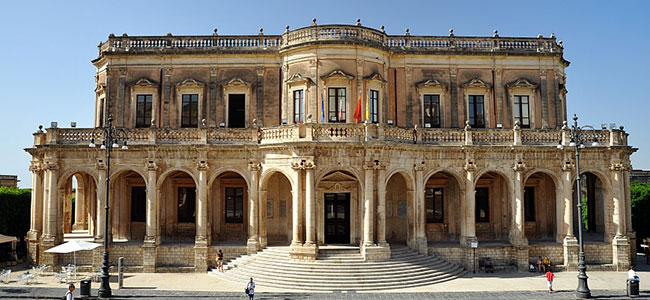
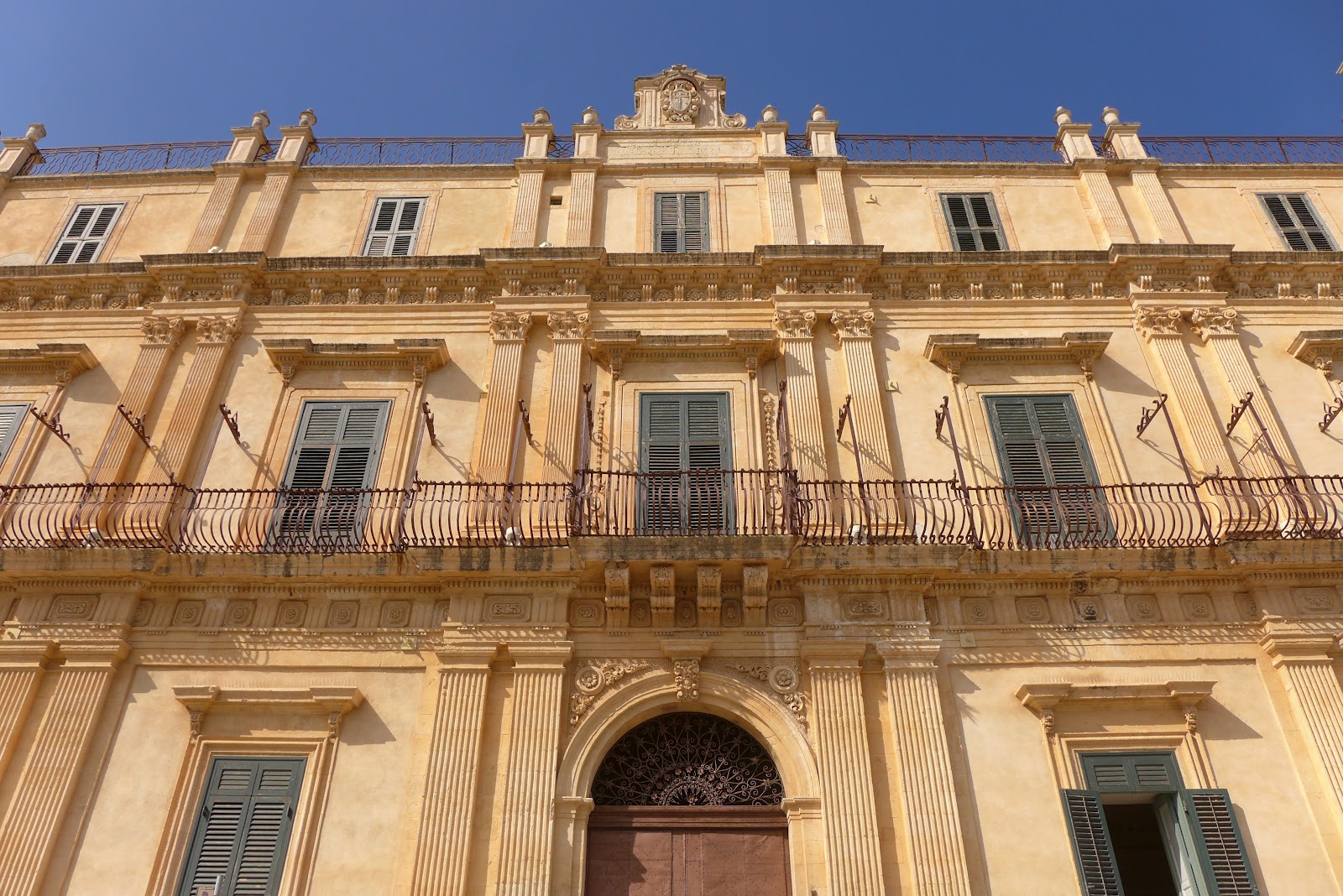
The result is a city that works as a single composition: the Cathedral of San Nicolò at one end, the curving facade of San Domenico at another, Palazzo Nicolaci Villadorata's iron balconies trailing carved figures between them. It is compact enough to cover on foot in a morning, and deep enough to pull you back.
💛 What travellers fall for
People who return tend to arrive early and park just outside Porta Reale — the 1838 triumphal arch marks the edge of the ZTL and there is a car park right beside it. From there, the whole historic center opens up in front of you in about ten minutes of walking, and the granita bars are already open.
Deals in Noto
Book directly at the provider
How Noto came to be
The city you walk through today is barely three centuries old. Its ancestor, Noto Antica, was founded around 500 BCE by the Sikel king Ducezio on Mount Alveria — a fortified settlement that became Netum under the Romans and endured through the medieval period. The earthquake of January 1693, one of the most destructive in European history, ended all of that. The medieval town was essentially erased, and more than half its population died.
Rather than rebuild on the ruins, the authorities — led by Giuseppe Lanza, Duke of Camastra — chose a new site on the left bank of the River Asinaro. The grid layout was drawn up by Giovanni Battista Landolina, and architects including Gagliardi, Vincenzo Sinatra and Paolo Labisi gave the new streets their Baroque character. The cathedral was completed in 1776; its dome collapsed in 1996 due to a structural flaw from 1970s restoration work, and was rebuilt. In 2002, Noto joined the Val di Noto UNESCO World Heritage Site.
Who and what shaped it
People who shaped it
Landmark buildings
See Noto in motion
Plan your visit
On the map
When to go
Summers are hot and dry, with July and August temperatures regularly above 35°C — the stone radiates heat well into the evening. Spring (April to June) and early autumn offer the most comfortable walking weather, with mild days and reliable sun.
Right now
↡ Attractions
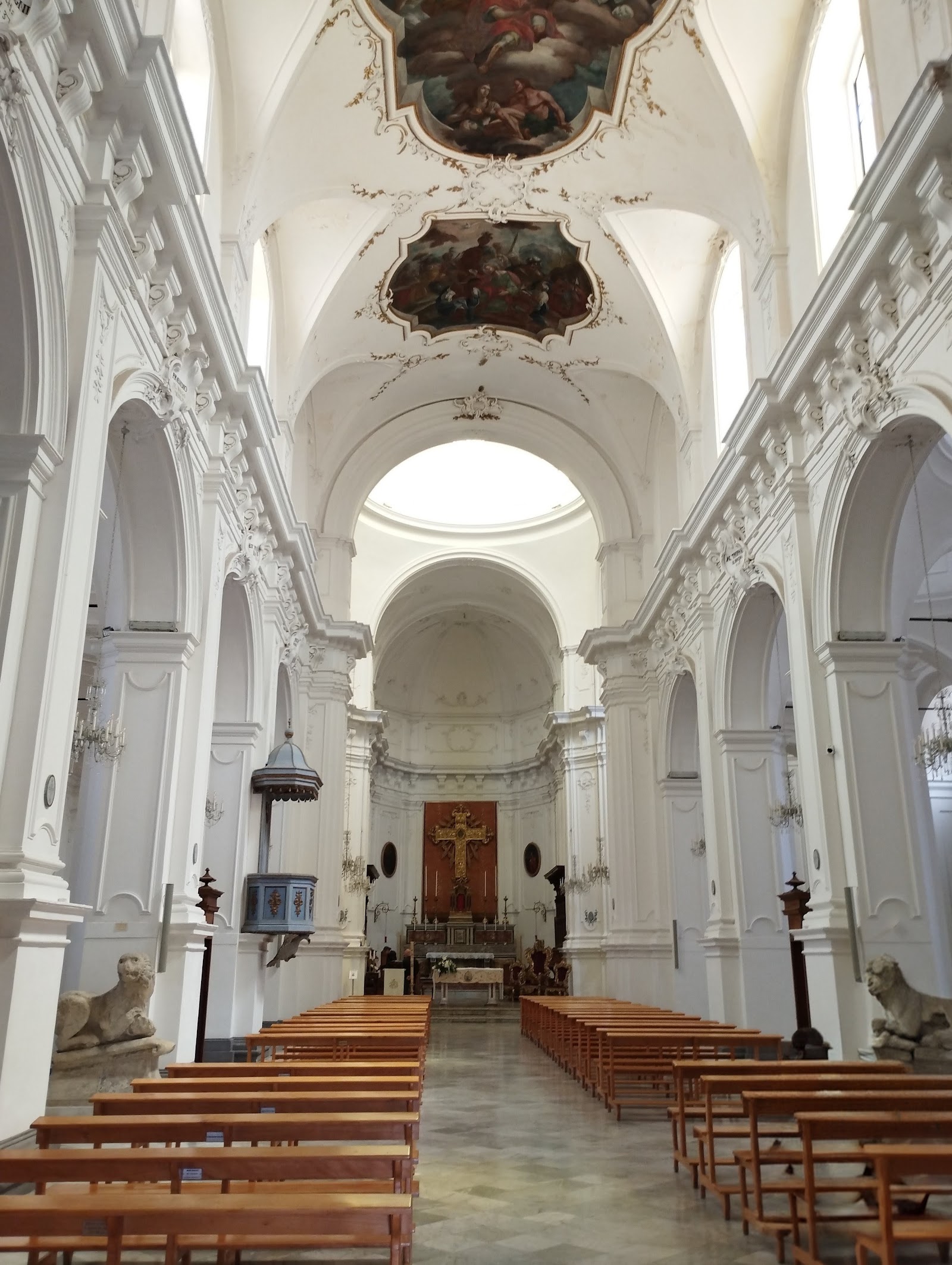
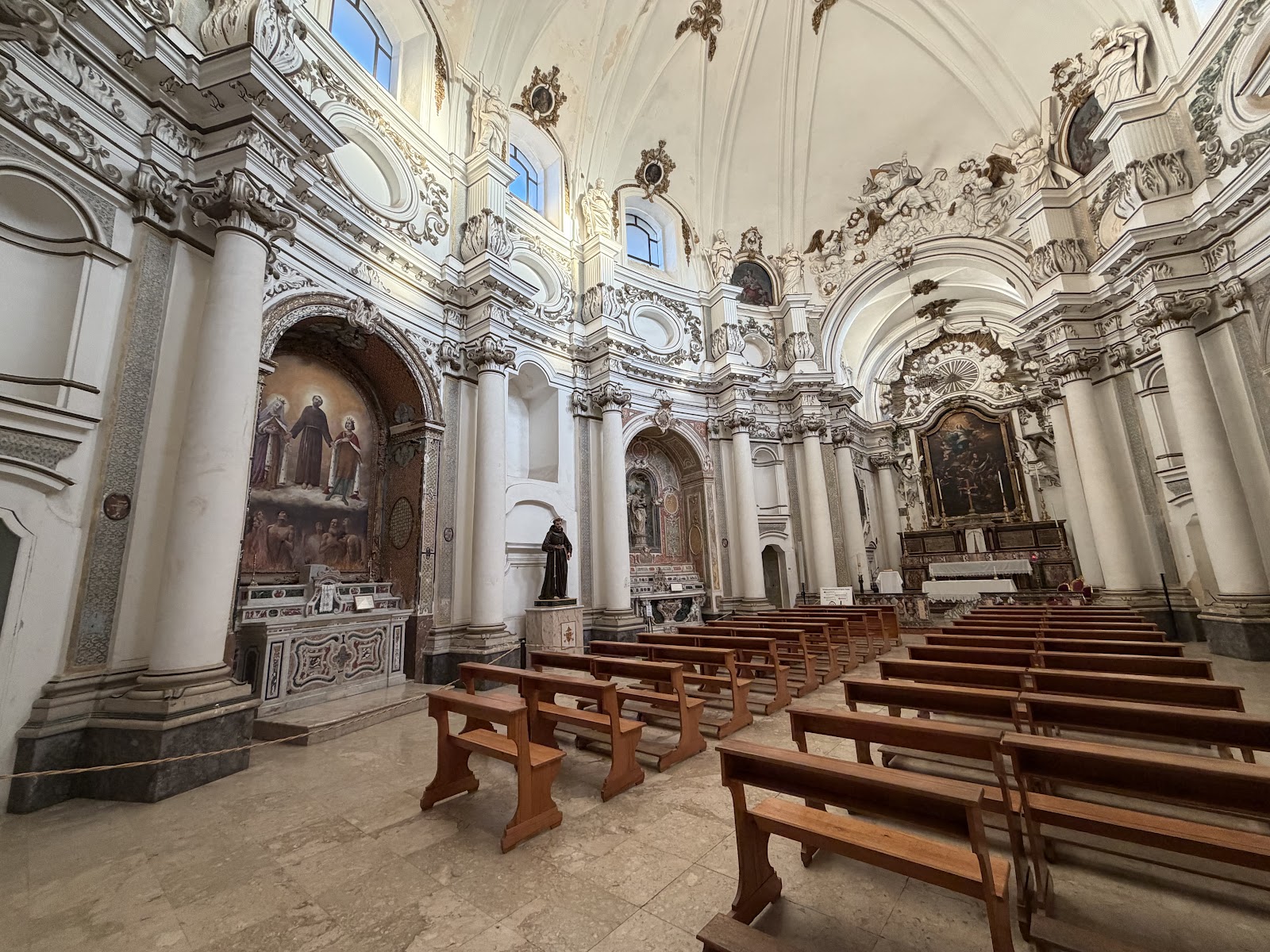


Background & history adapted from Wikipedia (CC BY-SA) · specs from Wikidata (CC0) · weather from Open-Meteo · map data © OpenStreetMap contributors · photos from Wikimedia Commons / Unsplash with per-image credit. No third-party reviews or social posts reproduced.