
Noonu Atoll
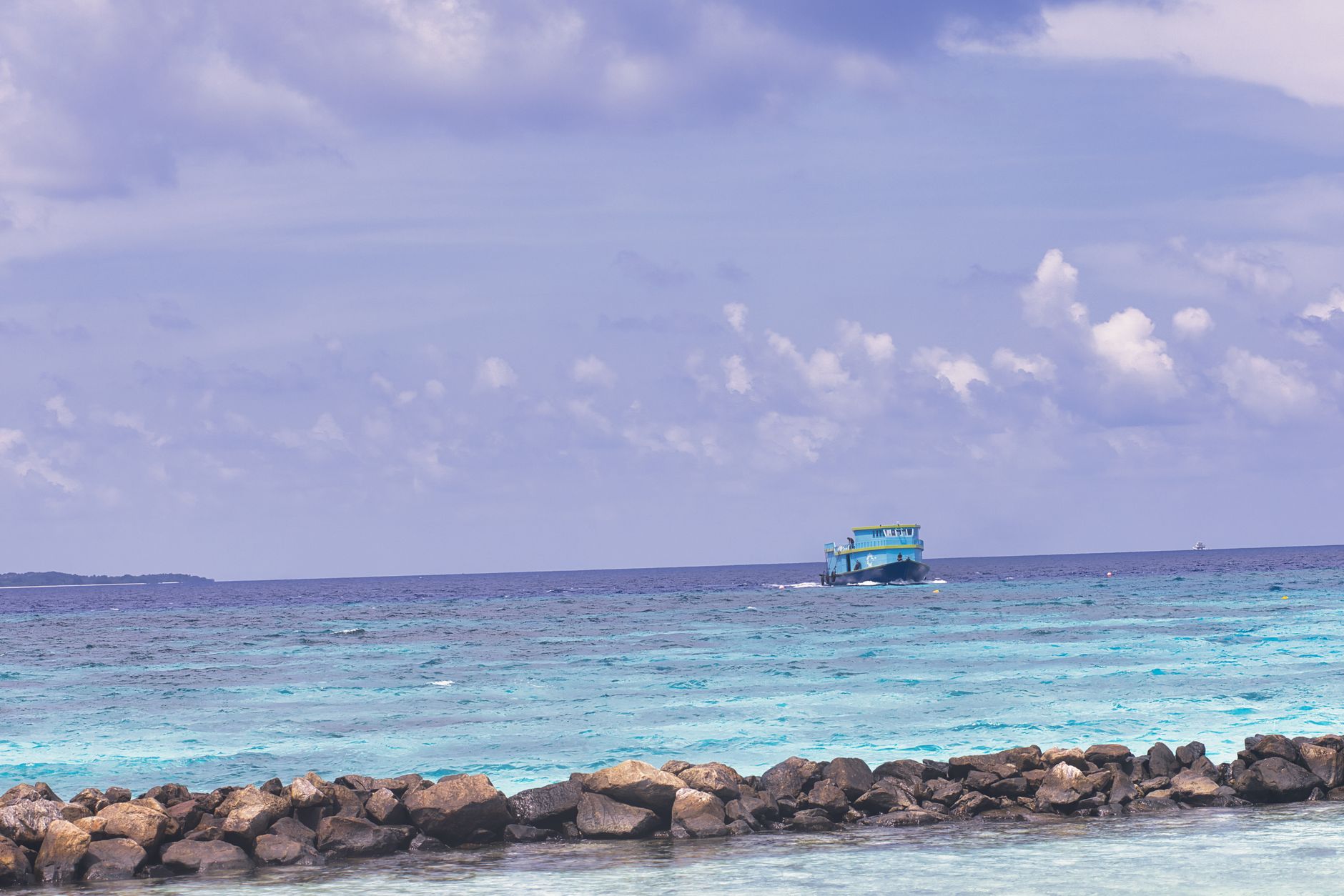
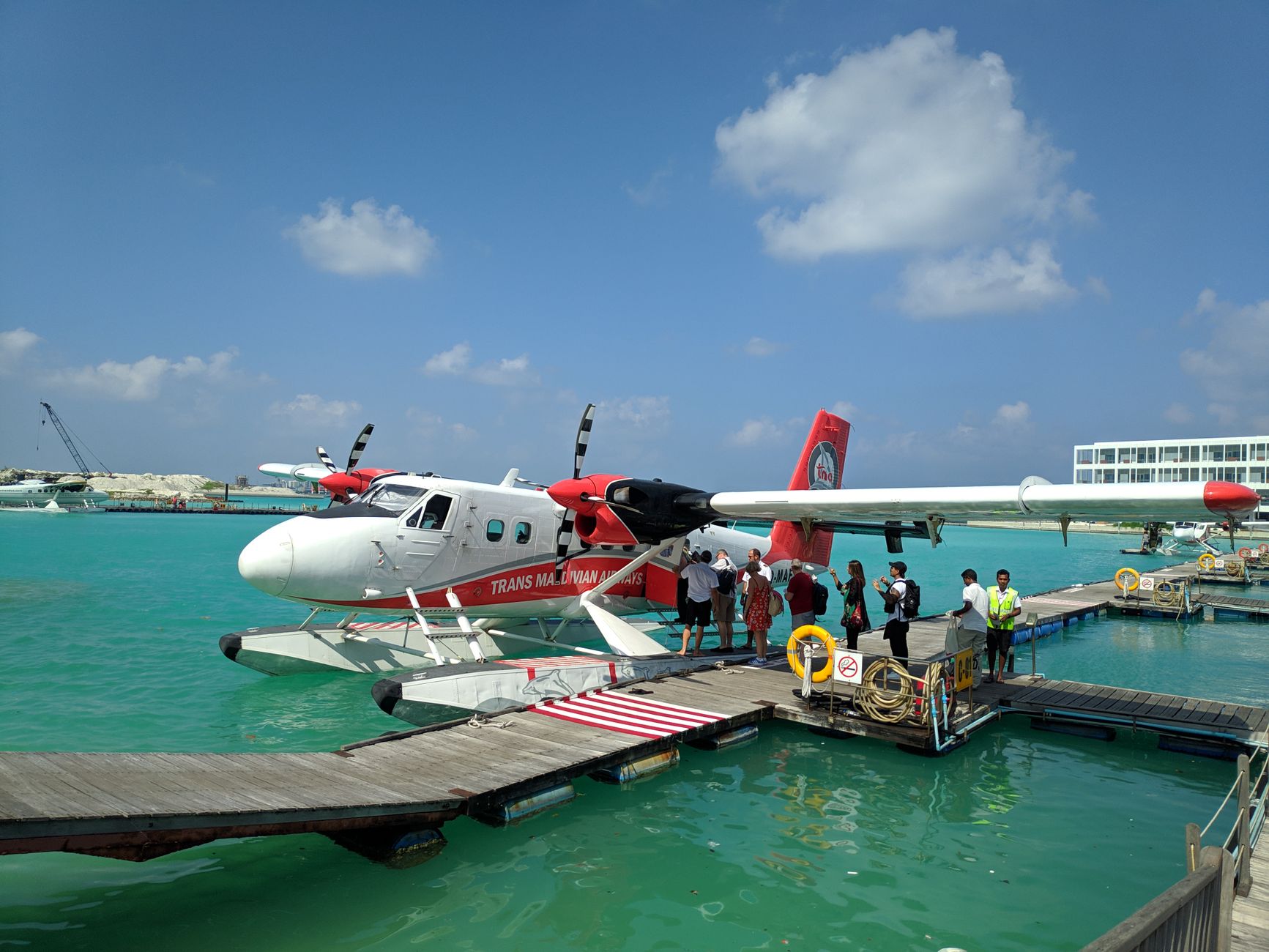
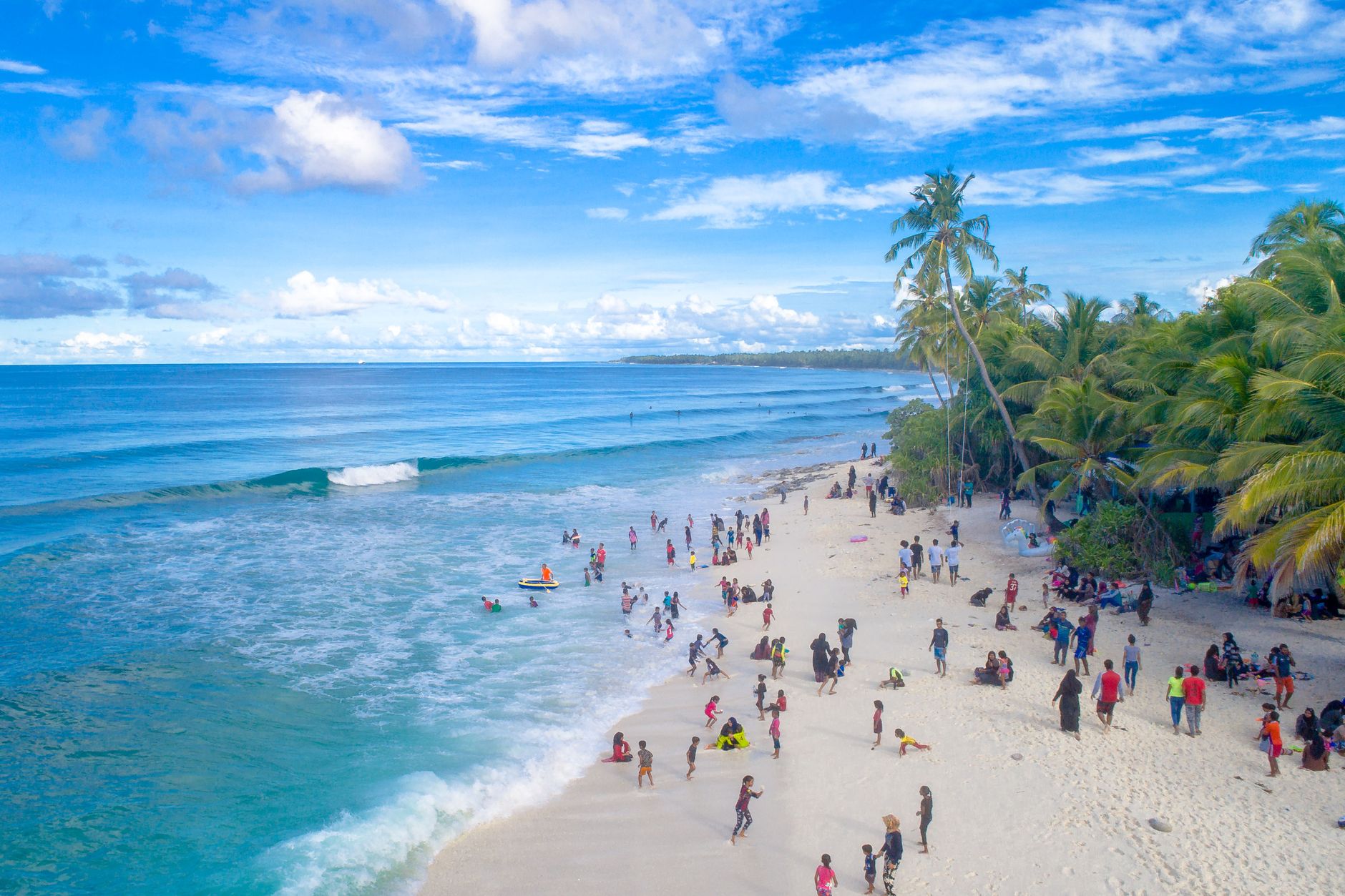
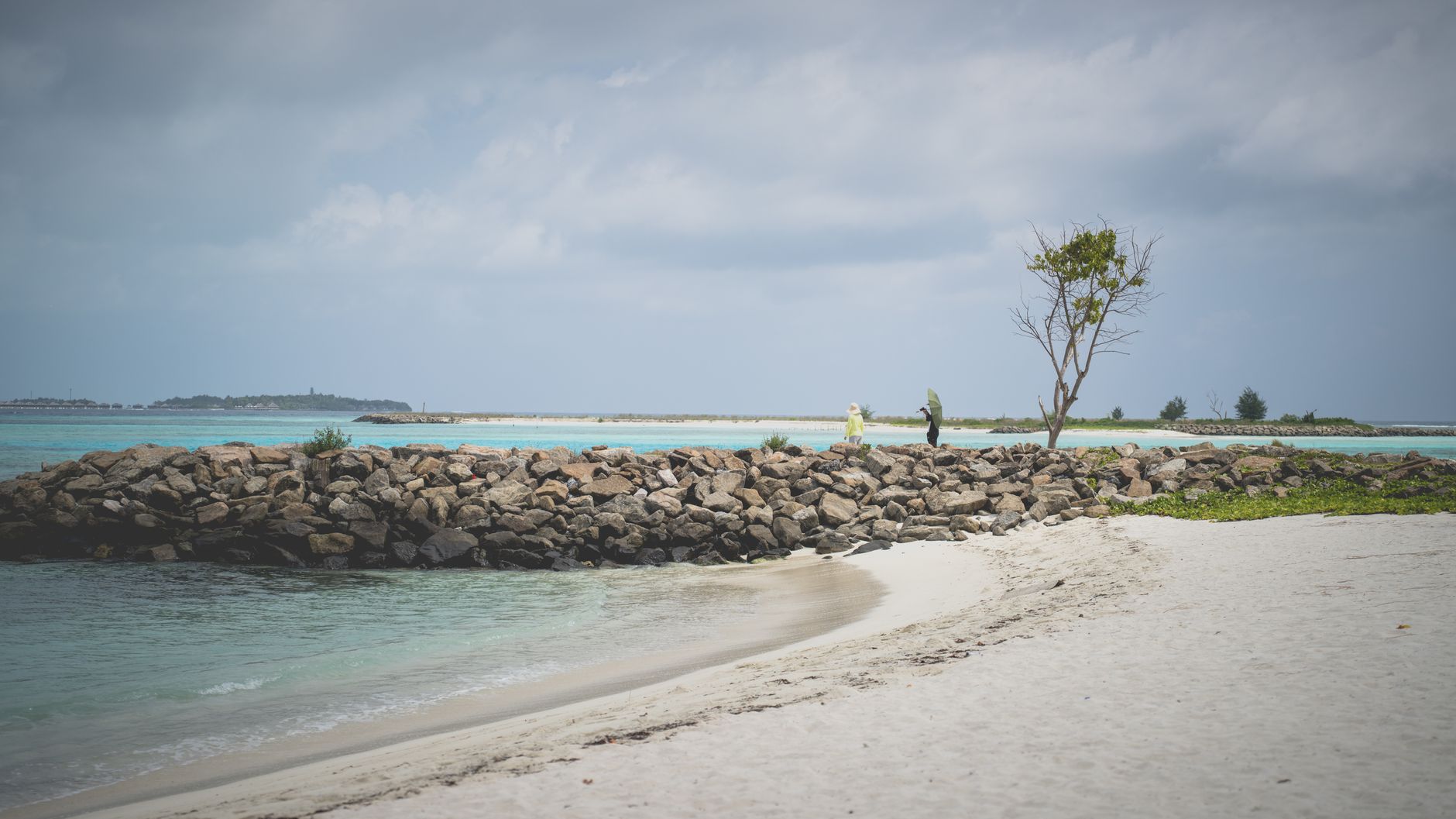
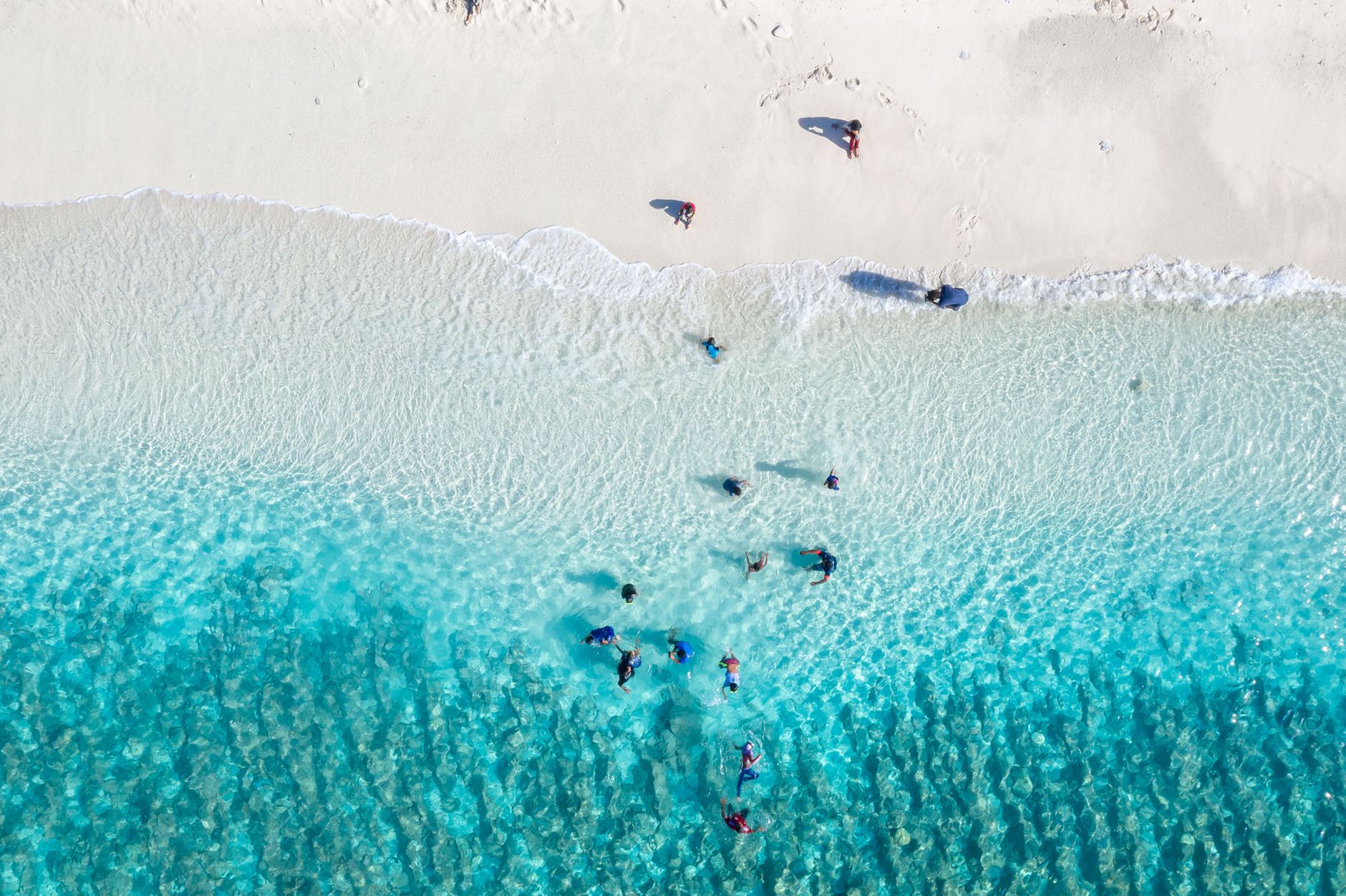
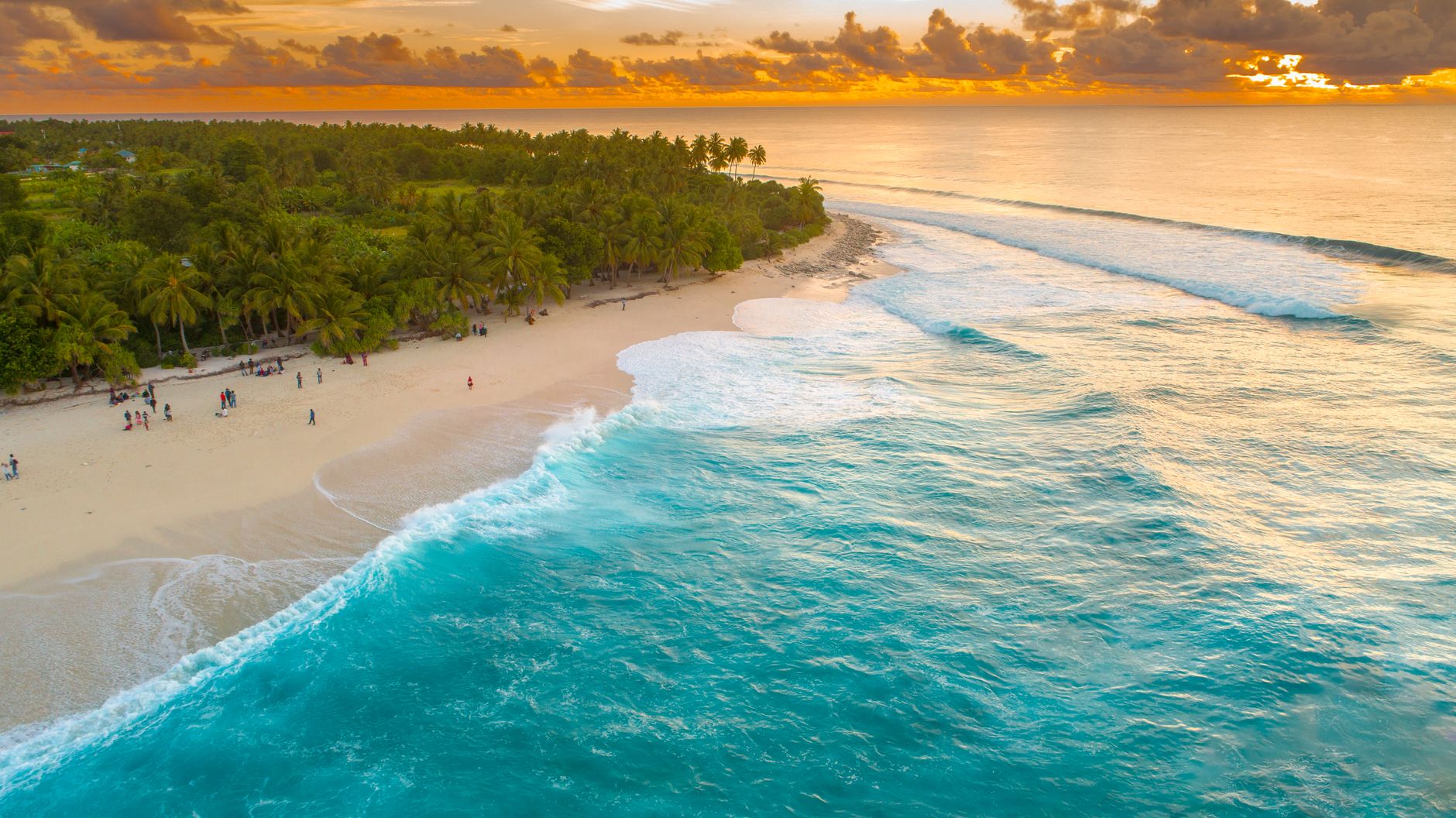
Noonu Atoll sits at the northern reach of the Maldives, a loose scatter of islands across a lagoon so wide you can lose track of the horizon. It's one of the few atolls with its own international airport at Maafaru, which means you can step off a long-haul flight and be on a speedboat within the hour — no seaplane lottery, no race against the 3:30 PM daylight cutoff that governs the rest of the archipelago.
The atoll holds a rare range: reef sharks circling Orimas Thila, the country's only national marine park at Edu Faru, Buddhist ruins on Landhoo that predate Islam in the islands by centuries, and a cluster of resorts — Soneva Jani, Cheval Blanc Randheli, Velaa Private Island among them — that represent some of the most architecturally ambitious properties in the Indian Ocean.
How Noonu Atoll came to be
People have lived in Noonu Atoll for more than two thousand years, with the earliest settlers believed to have arrived from Sri Lanka and India. Long before Islam reached the Maldives, the atoll was home to Buddhist communities whose most substantial surviving trace is the Maabadhige Haitha on Landhoo island — a stupa mound 292 feet across and 28 feet high, considered the most significant Buddhist ruin in the northern Maldives. A museum on Landhoo, built with an Indian grant of around four million Maldivian rufiyaa, now sits alongside the site.
By the 16th and 17th centuries the atoll had become a commercial hub. World War II brought the British to Hoarafushi, where they constructed an airbase. More recently, the 2008 decentralization push under President Nasheed created a province layer of governance; parliament dissolved it two years later, and Mohamed Mahid Moosa Fulhu served as the atoll's first council head during that brief window.
Who and what shaped it
People who shaped it
Landmark buildings
See Noonu Atoll in motion
Plan your visit
On the map
When to go
Temperatures stay close to 28°C year-round, dipping to around 25°C on January and February nights and peaking near 31°C in May. The dry northeast monsoon runs from January to April, bringing the steadiest skies and the best underwater visibility; the southwest monsoon from May onward brings more cloud and chop, though diving continues through most of the year.
Right now
Background & history adapted from Wikipedia (CC BY-SA) · specs from Wikidata (CC0) · weather from Open-Meteo · map data © OpenStreetMap contributors · photos from Wikimedia Commons / Unsplash with per-image credit. No third-party reviews or social posts reproduced.