
Nishijin
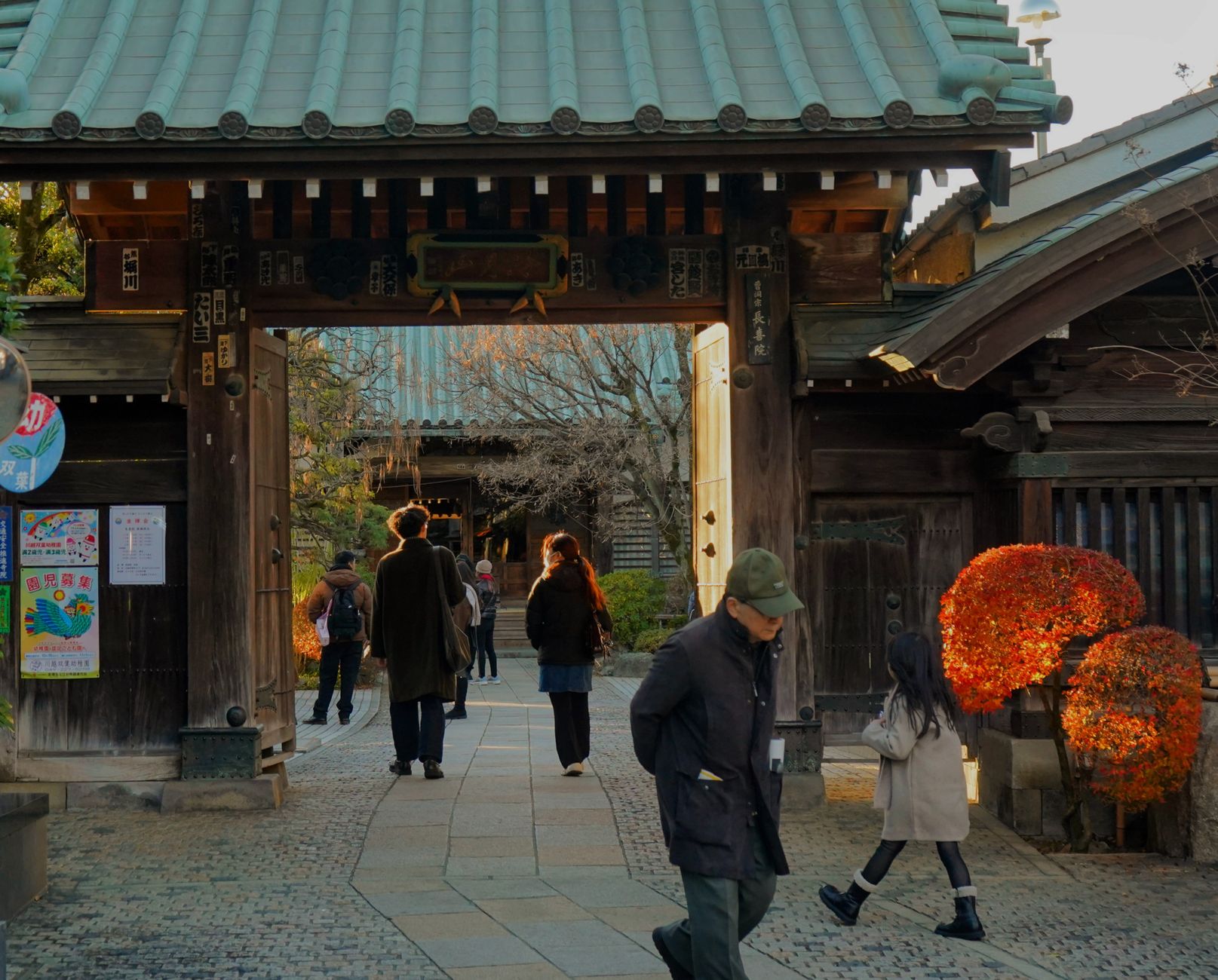
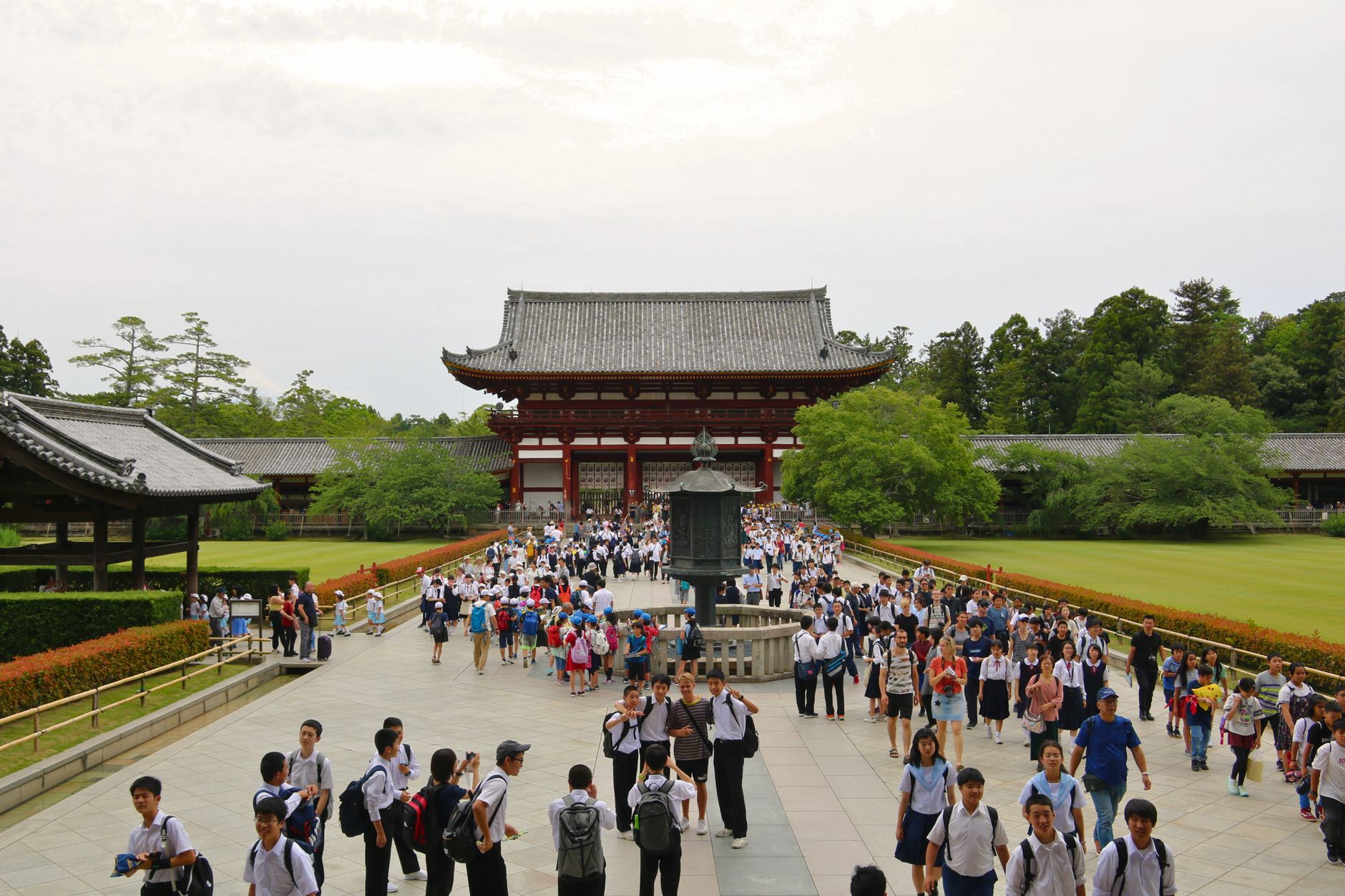
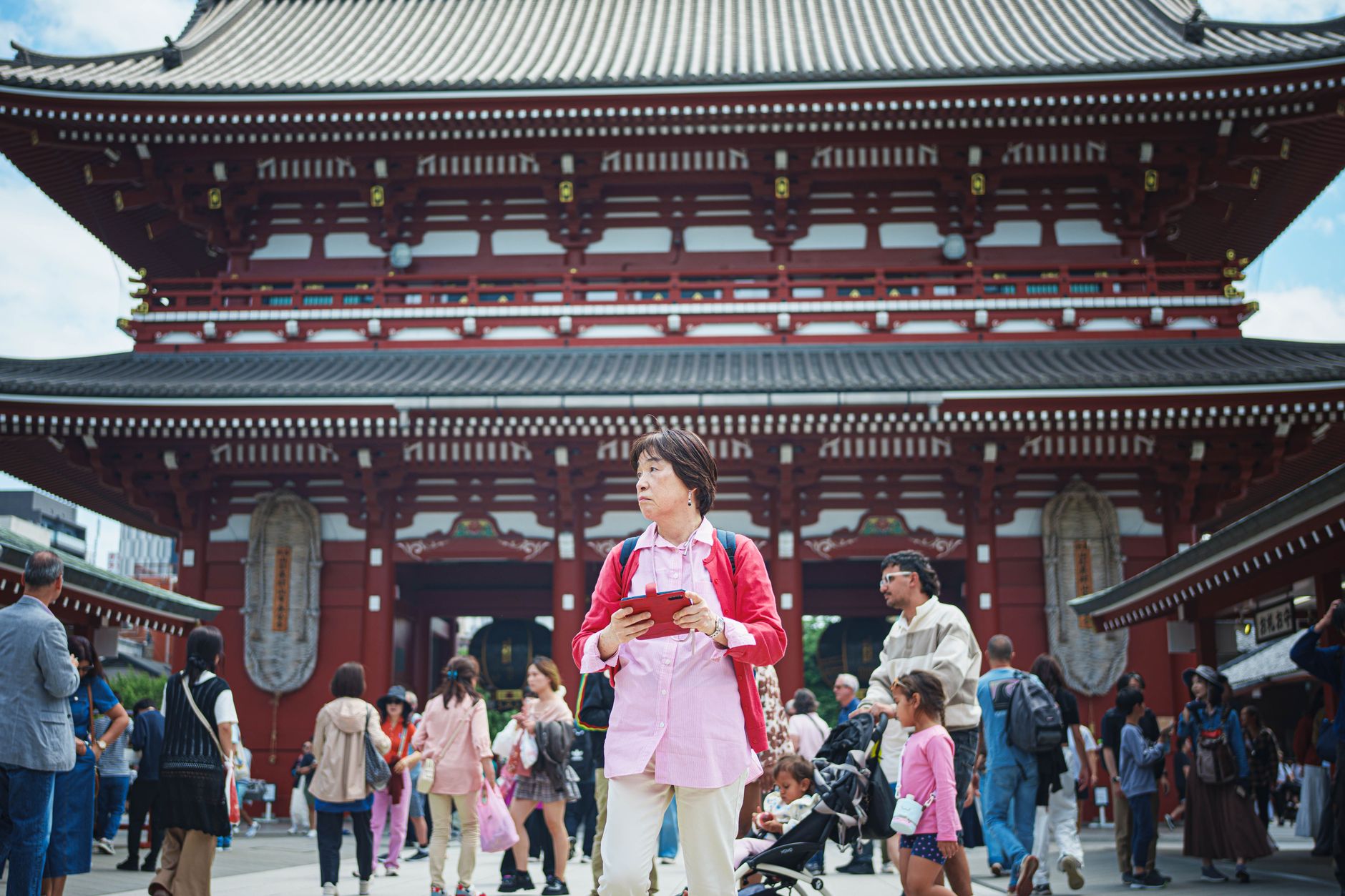
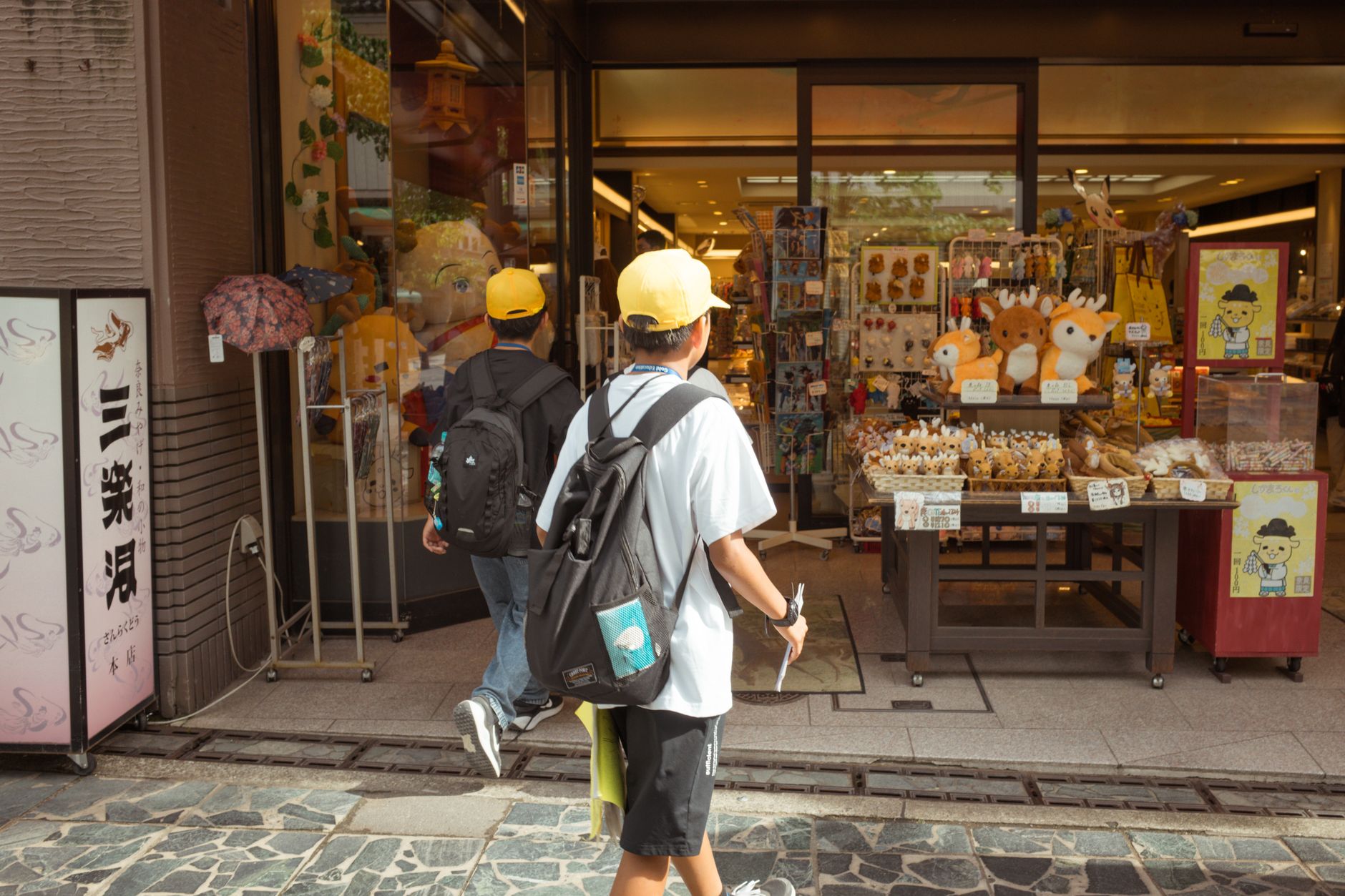
The name Nishijin means West Encampment — a reminder that this quiet district of wooden townhouses was once a military base camp during a decade of civil war that left Kyoto in ashes. That history is easy to miss as you walk along Imadegawa-dori past workshop windows where looms still clatter, but it explains everything: the weavers who fled south during the fighting came back having learned Ming-dynasty techniques from China, and what they built here became the source of the finest silk textiles in Japan.
Today Nishijin is still a working district, not a preserved one. Machiya townhouses line the lanes, some still operating as weaving ateliers, others converted into cafés or small museums. The craft is quieter than it once was, but it hasn't left.
💛 What travellers fall for
People who come back tend to build a loop: coffee at Sarasa Nishijin — the old sento with its intact tile mosaics — then a slow walk to Tondaya, the 1885 machiya registered as a National Cultural Treasure, where Mineko Tanaka can show you what daily life in a Nishijin merchant household actually looked like. Save Kitano Tenmangu for late February, when the plum trees are at their peak.
Deals in Nishijin
Book directly at the provider

How Nishijin came to be
In 947, Kitano Tenmangu Shrine was founded on the orders of Emperor Murakami, but the district's defining moment came five centuries later. During the Ōnin War (1467–1477), General Yamana Sōzen established his western forces here, giving the area the name it still carries. When the fighting ended, the weavers who had scattered to the port city of Sakai returned to Kyoto carrying new knowledge — techniques absorbed from Ming-dynasty Chinese textile workers — and settled in this northwestern quarter.
The Edo period was the high-water mark: shogunal patronage, extravagant commissions, a reputation for fabric that outranked anything else in the country. Fires, famine, sumptuary laws, and rural competition all took turns damaging the trade, and in 1872 Nishijin responded by sending students to Lyon, France, to study industrial weaving technology. That willingness to absorb outside influence — the same instinct that shaped the district after the Ōnin War — has kept the looms running.
Who and what shaped it
People who shaped it
Landmark buildings
See Nishijin in motion
Plan your visit
On the map
When to go
Kyoto has four distinct seasons: winters (December through February) are genuinely cold, summers (June through August) hot and humid. The most rewarding time to visit Nishijin is late February through March, when Kitano Tenmangu's 1,500 plum trees are in bloom and the air is still cool enough for walking the lanes comfortably.
Right now
Background & history adapted from Wikipedia (CC BY-SA) · specs from Wikidata (CC0) · weather from Open-Meteo · map data © OpenStreetMap contributors · photos from Wikimedia Commons / Unsplash with per-image credit. No third-party reviews or social posts reproduced.