
Nijo
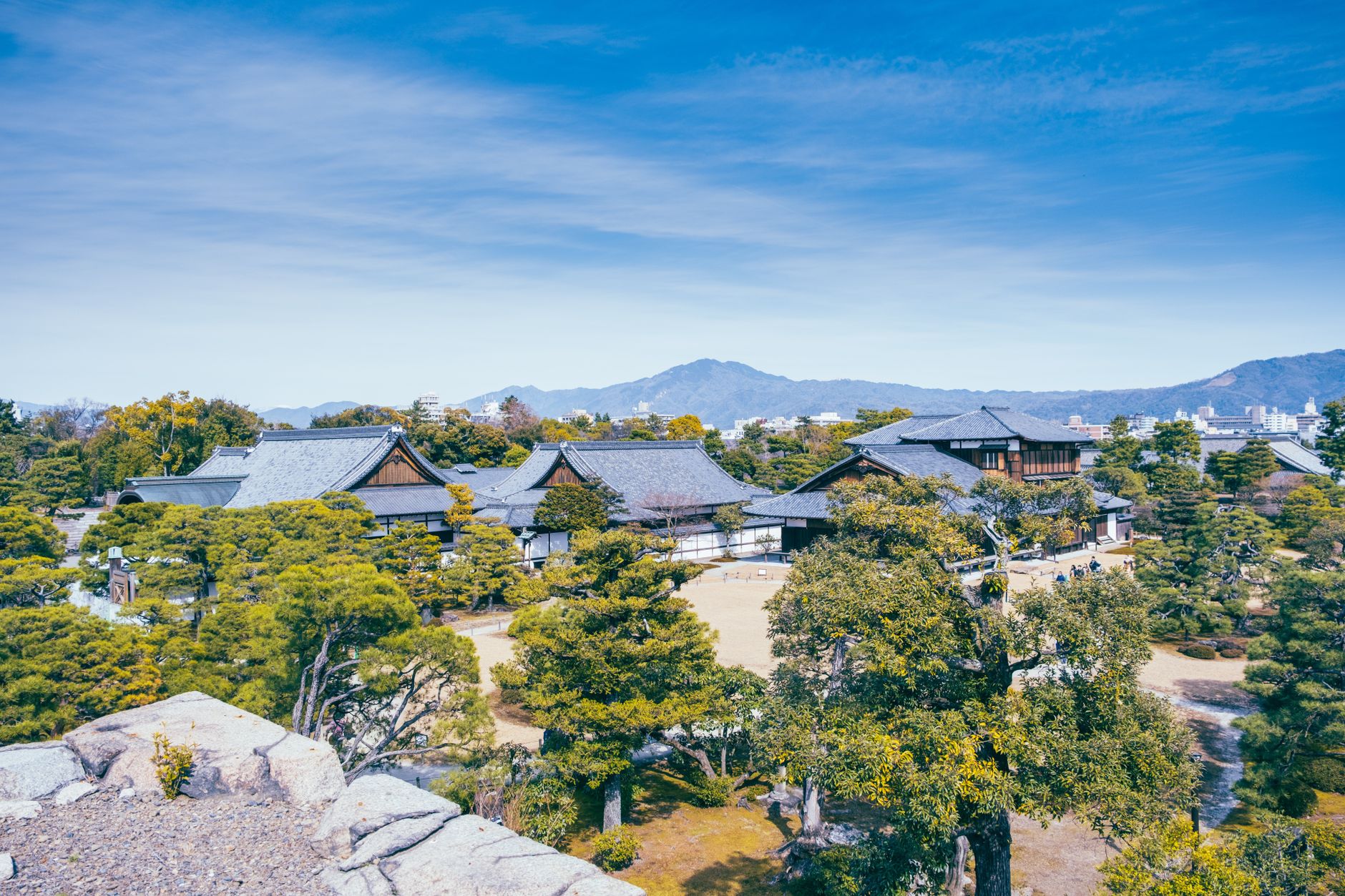
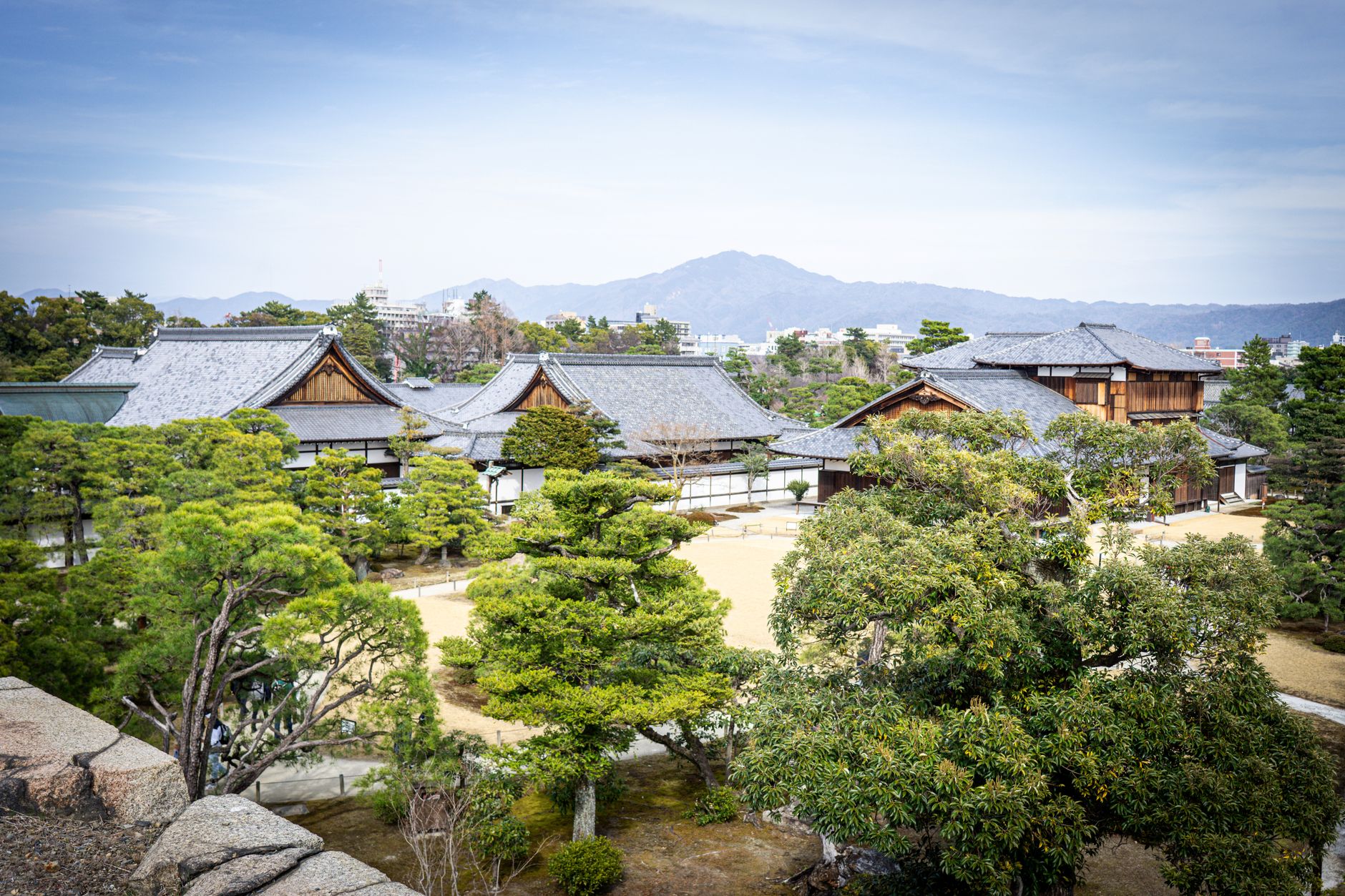
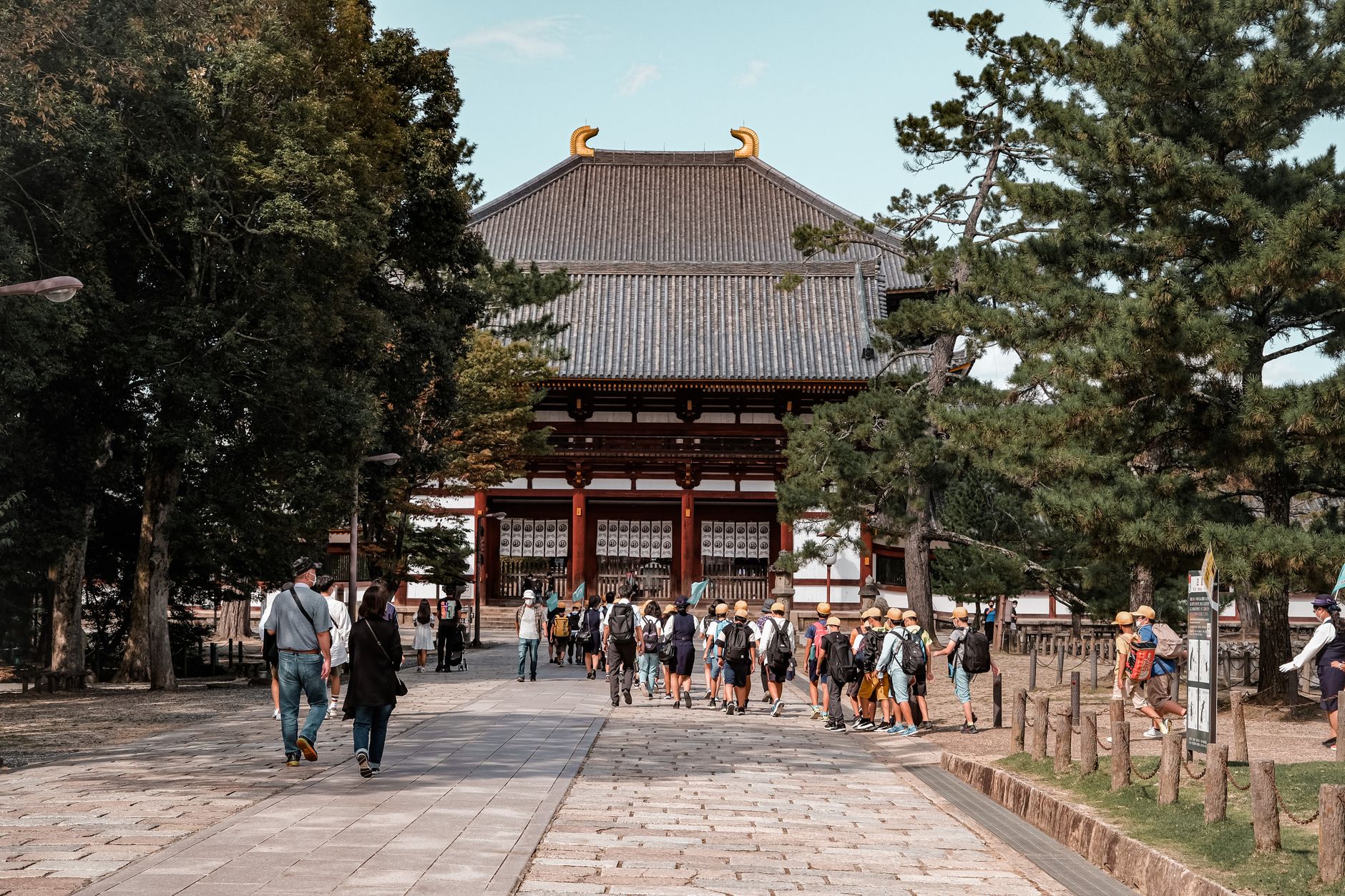
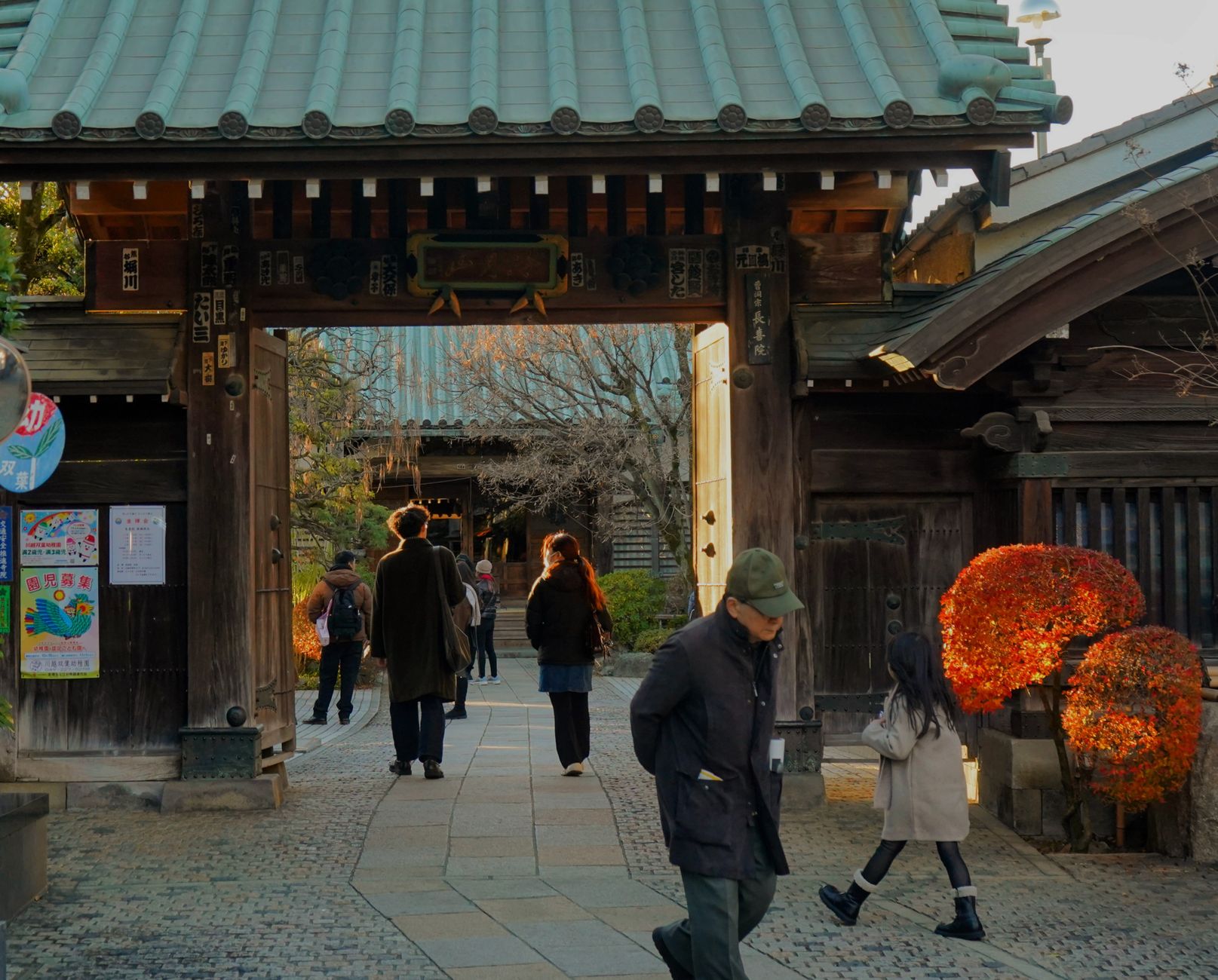
The floors give you away. Walk through Ninomaru Palace and the boards beneath your feet let out a soft, bird-like squeak with every step — a deliberate feature, built in 1603 so that no one could approach the shogun unheard. That detail alone tells you what kind of place Nijo Castle is: a building that encodes power in its architecture, where beauty and suspicion occupy the same room.
Built as the Kyoto residence of Tokugawa Ieyasu, the first Edo-period shogun, the castle spent nearly three centuries at the center of Japanese political life. It is a UNESCO World Heritage Site, and the weight of that designation is earned.
💛 What travellers fall for
People who come back tend to time it for the Ninomaru Garden, which shifts with the seasons in ways the palace rooms don't. The English guided tours at 10 a.m. move at a good pace and add context the signage misses. And if you haven't booked the Honmaru Palace in advance — the reservation-only interior that reopened in 2024 — do it before you arrive.
Deals in Nijo
Book directly at the provider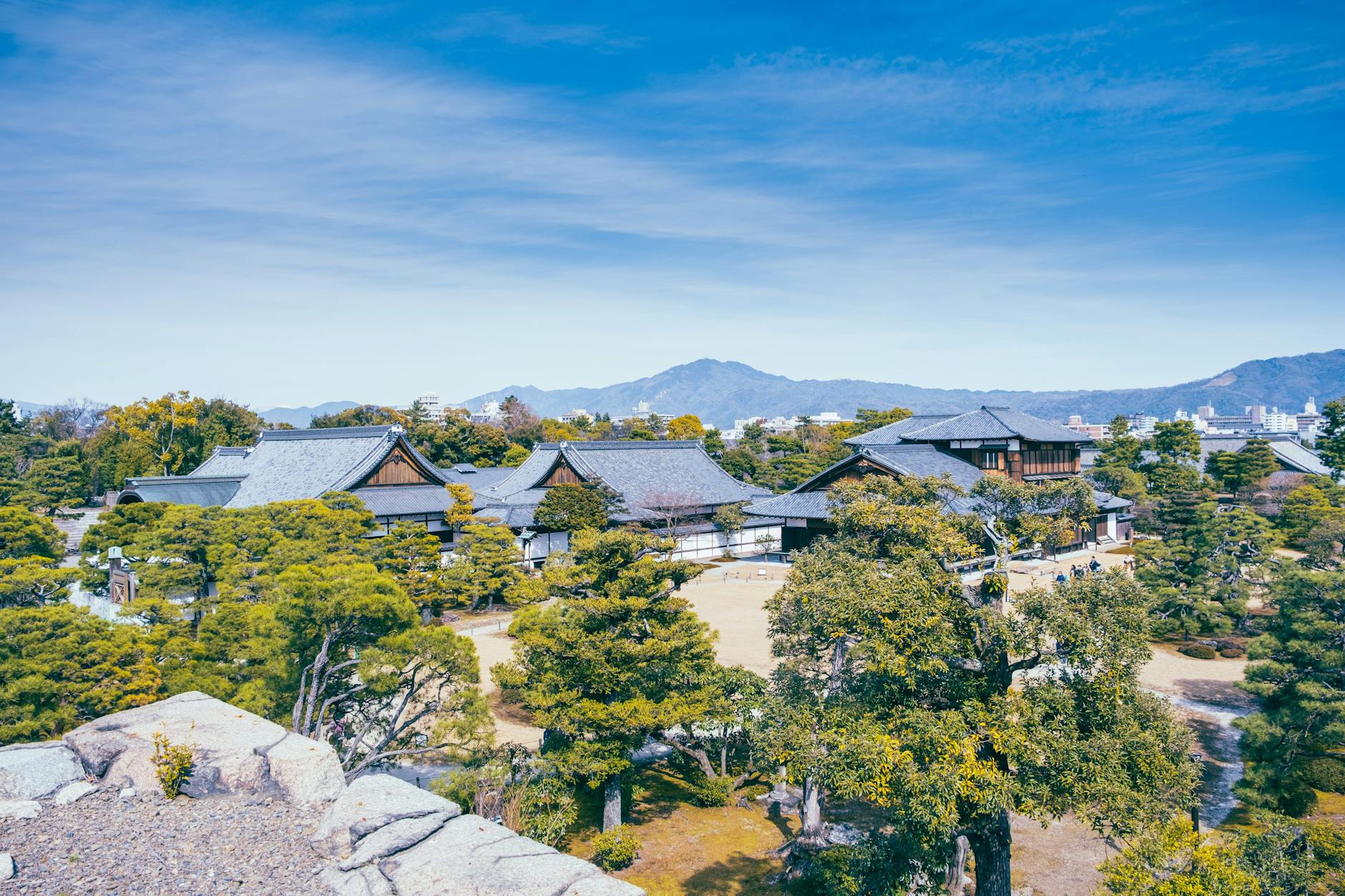
How Nijo came to be
Tokugawa Ieyasu ordered construction in 1601; the castle was completed in 1626 under his grandson Tokugawa Iemitsu, who added the five-story central keep and finished the palace buildings. That keep was struck by lightning and burned in 1750, and a citywide fire in 1788 destroyed the Inner Ward. The site sat largely empty for over a century.
The castle's last great political act came in 1867, when the 15th shogun, Tokugawa Yoshinobu, stood in Ninomaru Palace and formally returned authority to the Imperial Court — effectively ending the Edo period. In 1939, the palace was donated to Kyoto city, opened to the public the following year, and designated a UNESCO World Heritage Site in 1994.
Who and what shaped it
People who shaped it
Landmark buildings
See Nijo in motion
Plan your visit
On the map
When to go
Spring brings plum and cherry blossoms to the gardens, and crowds to match. Summer is hot and humid; the stone walls and open corridors offer little relief. Autumn turns the maples in Ninomaru Garden, making October and November the most visually rewarding months. Winter visits are quieter, though check palace closure dates carefully.
Right now
Background & history adapted from Wikipedia (CC BY-SA) · specs from Wikidata (CC0) · weather from Open-Meteo · map data © OpenStreetMap contributors · photos from Wikimedia Commons / Unsplash with per-image credit. No third-party reviews or social posts reproduced.