
Neyagawa
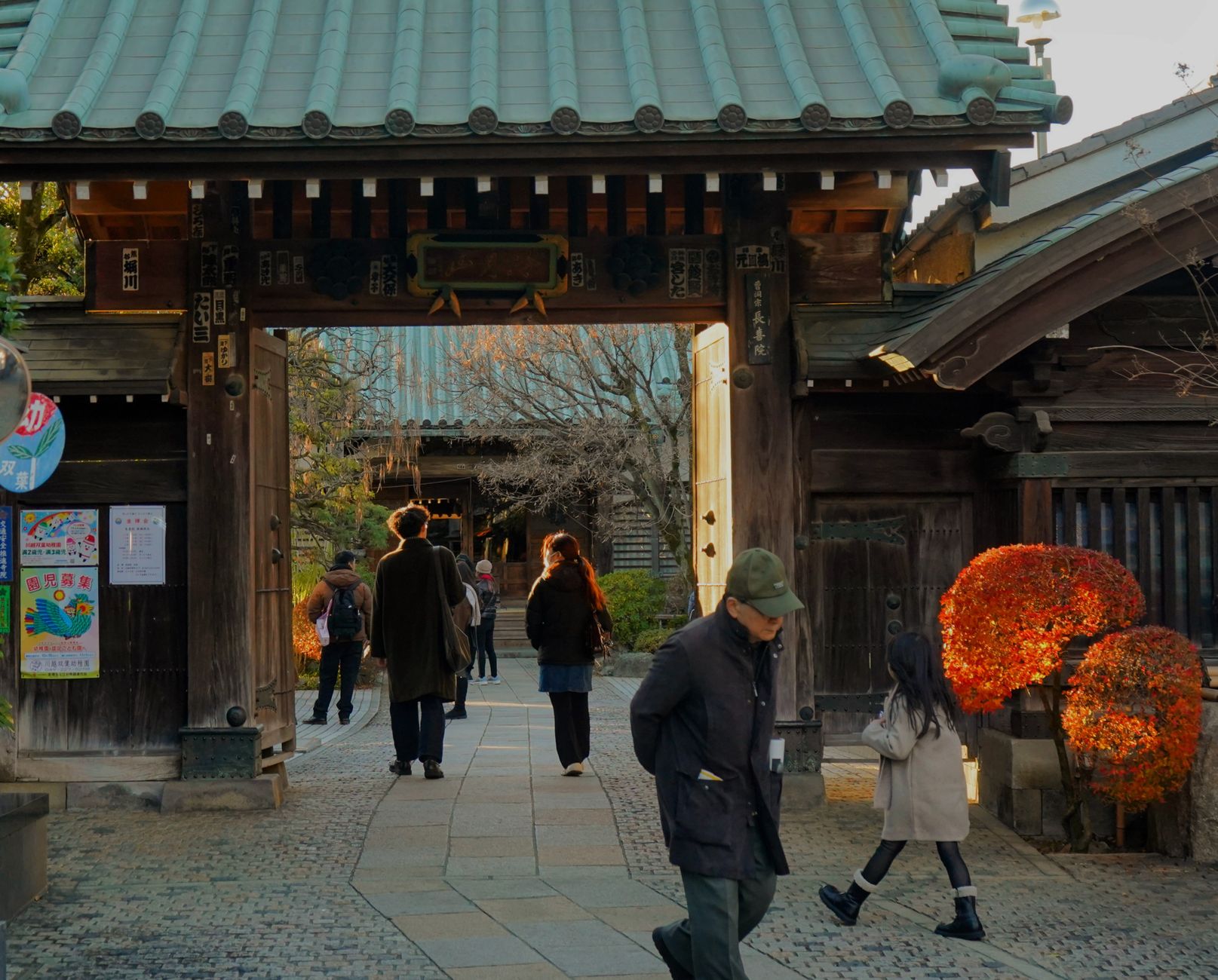
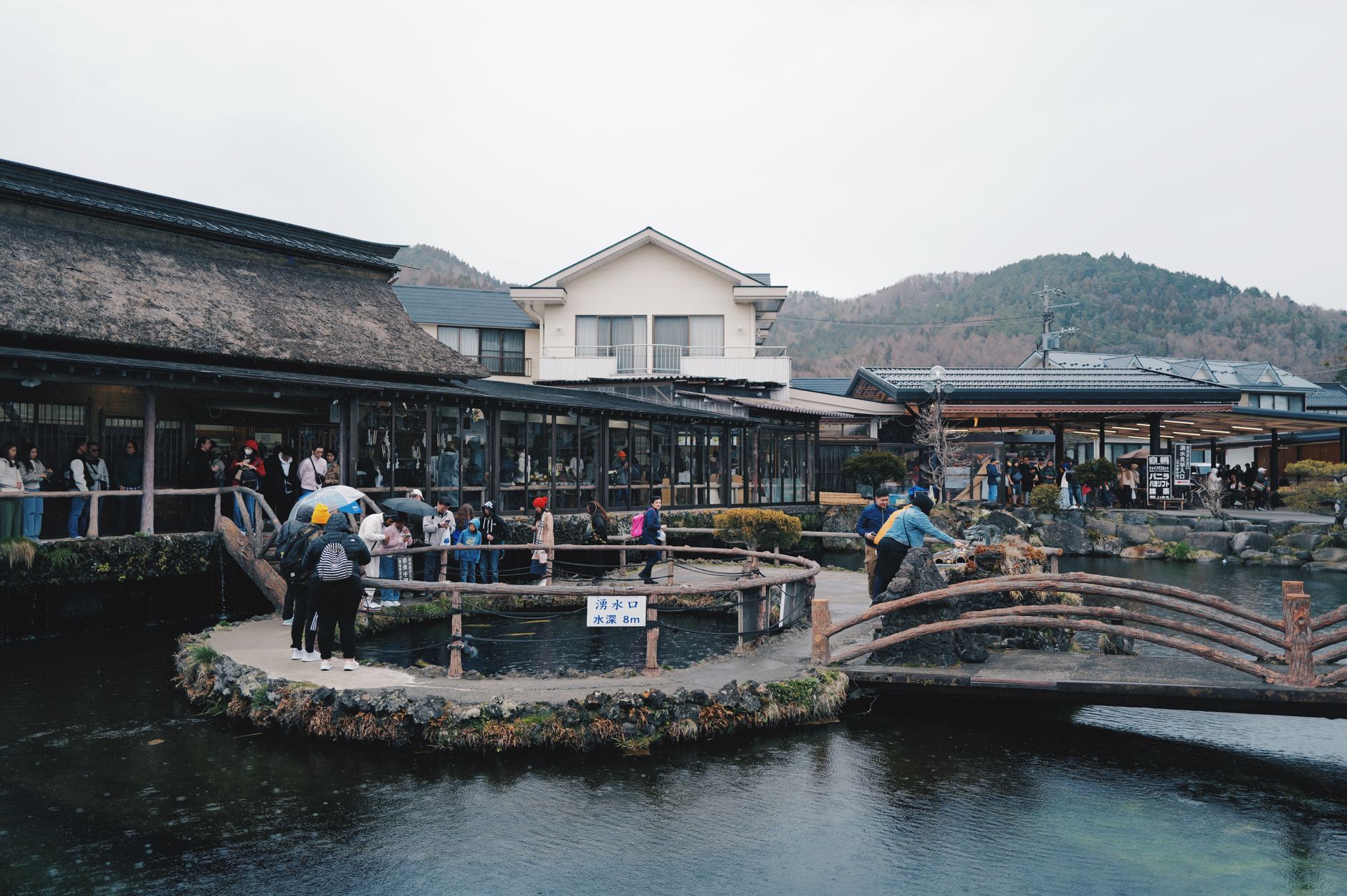
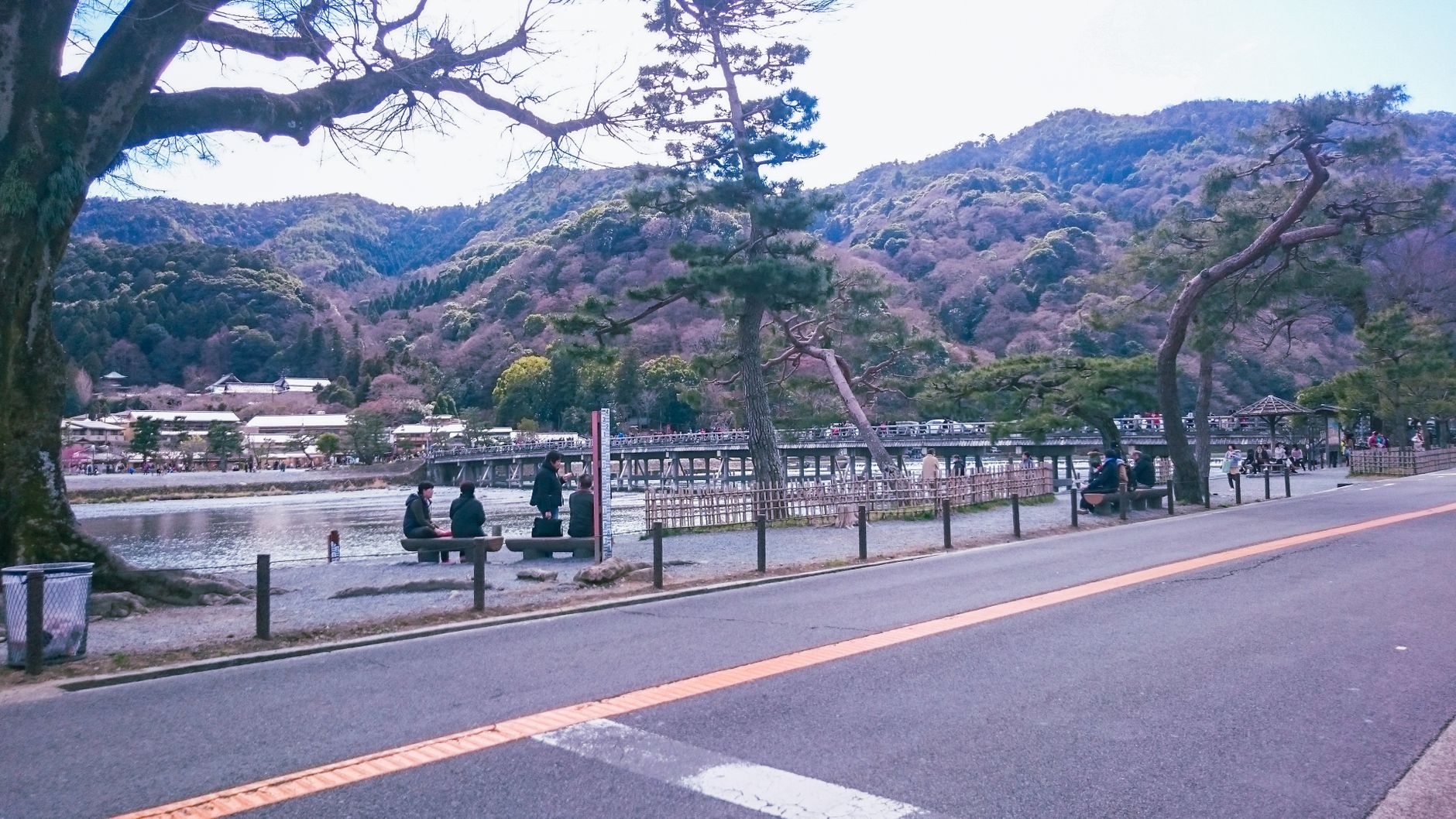
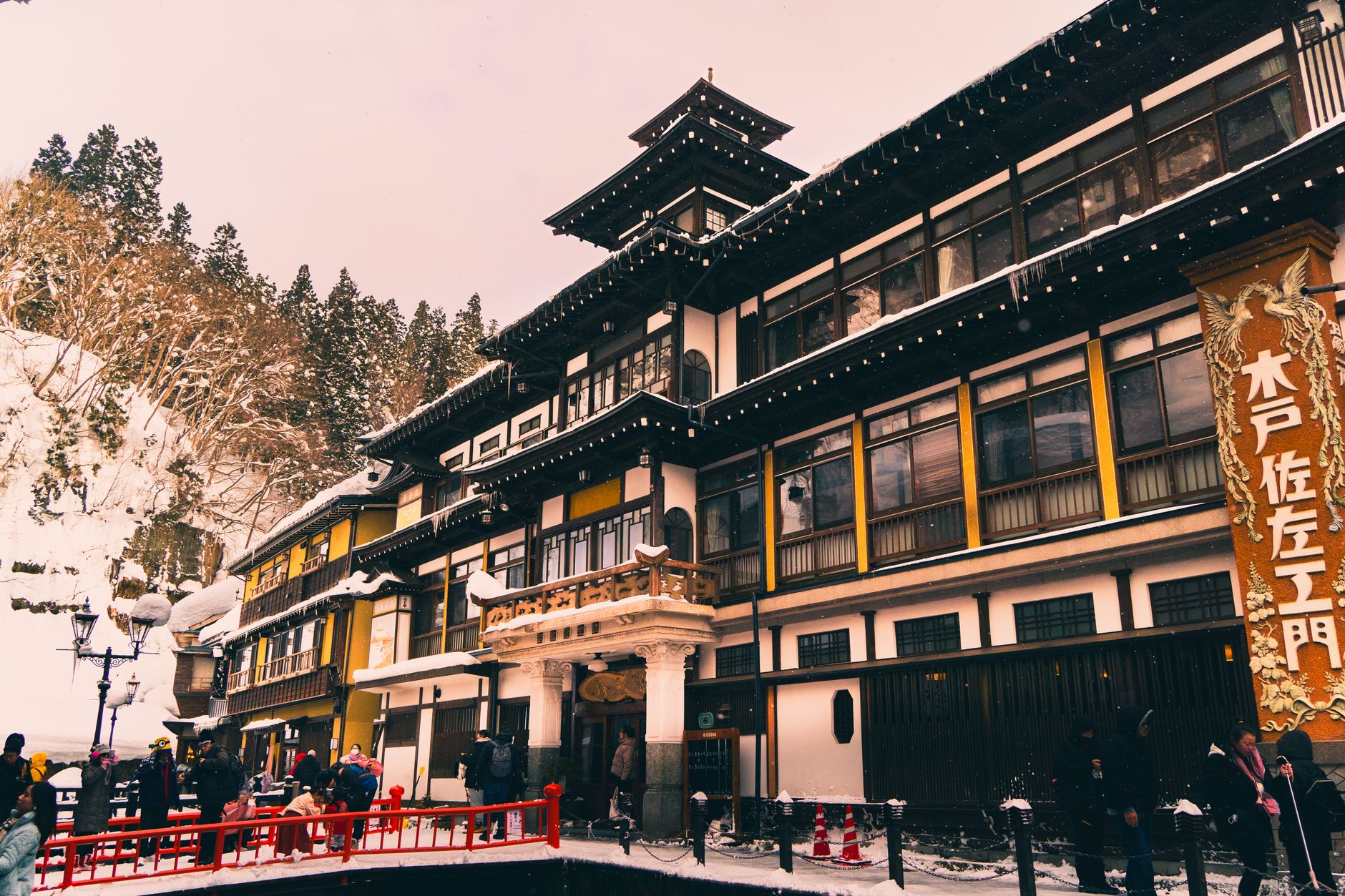
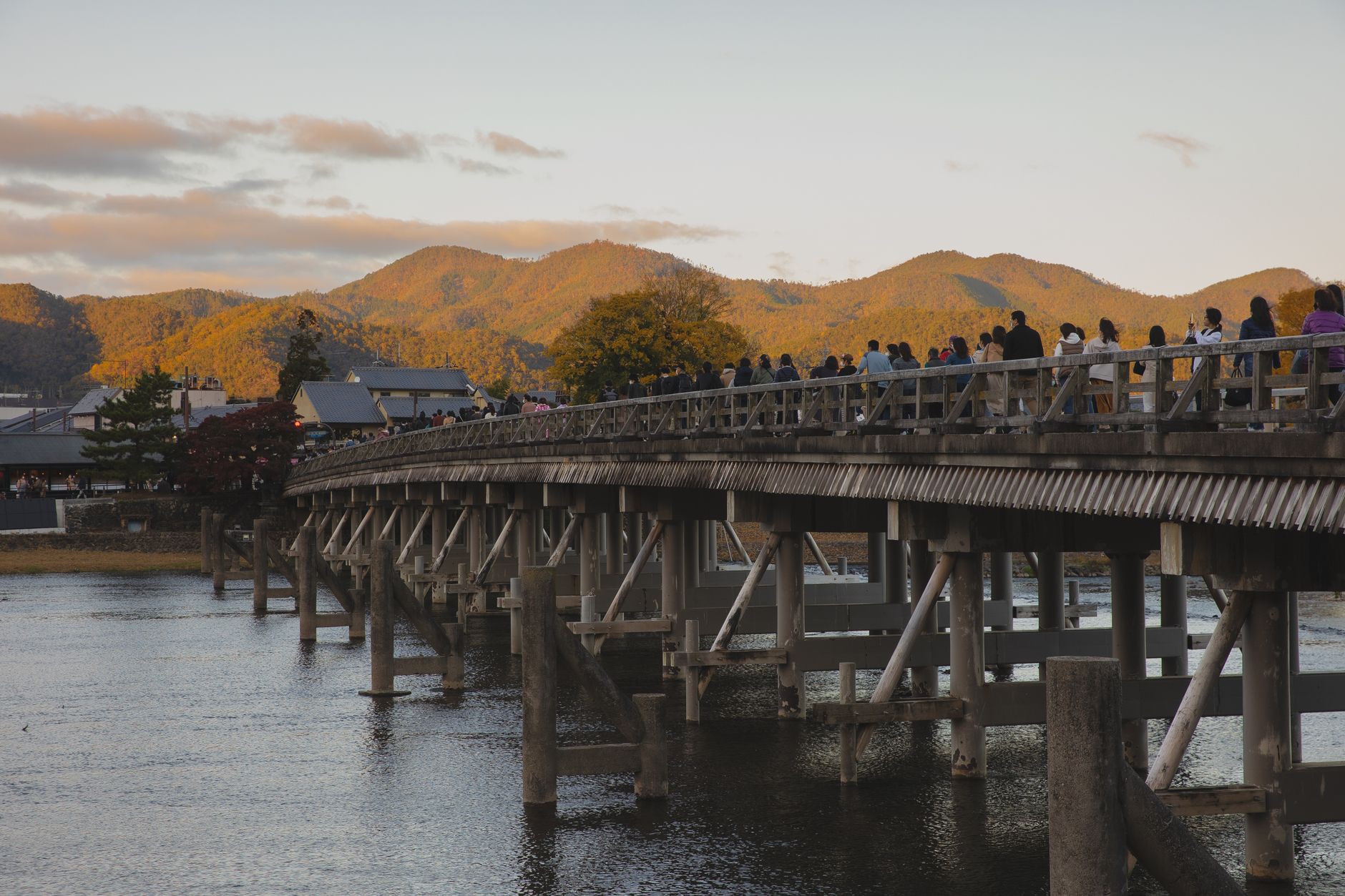
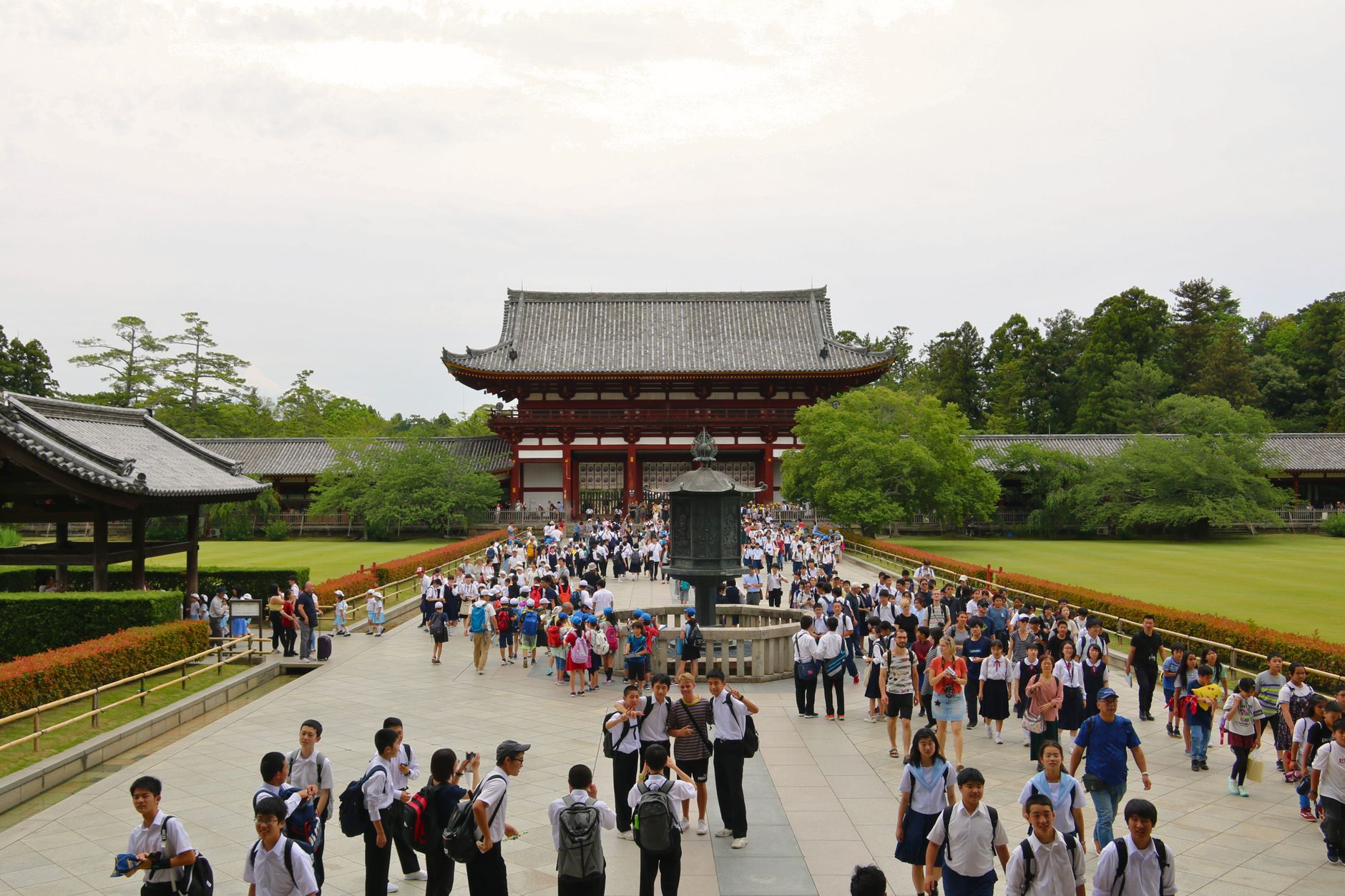
Fifteen kilometres from central Osaka, Neyagawa sits on the left bank of the Yodo River where the Neyagawa River meanders through a city of more than 228,000 people packed into a compact grid. It is not a place that announces itself. What you find instead is a working residential city that grew up fast after the Keihan railway arrived in 1910 — shrines from the eleventh century standing a short walk from train stations where trains leave for Osaka every five minutes.
The canal paths are the city's quiet signature: long, flat, bikeable stretches of water-edged green that connect neighbourhoods and give Neyagawa a rhythm unlike the dense urban core it neighbours. Kayashima Shrine, Tomorogi Shrine, Jizoji Temple — these are places locals use, not stages for tourism.
💛 What travellers fall for
People who return tend to mention the Neyagawa Canal walk first — specifically in autumn, when the light on the water earns its keep. They also circle back for the Canal Festival in summer, when the parades and traditional music take over streets that are otherwise unhurried. Naritasan Fudoson is worth the detour that most first-timers skip.
Deals in Neyagawa
Book directly at the provider

How Neyagawa came to be
Archaeological evidence places human settlement in the Neyagawa area as far back as the Jomon period, and burial mounds from the Kofun era (300–538 AD) still mark the landscape. By the Heian period the area was part of Kawachi Province, and the Shijonawate Shrine — dating to the eleventh century — stands as one of the oldest continuous presences in the city.
For centuries the area remained agricultural and semi-rural. The turning point came in 1910, when the construction of the railway line to Osaka pulled Neyagawa into the orbit of the city and set off its transformation into a residential suburb. Administratively, it merged with the villages of Tomorogi, Toyono and Neyagawa in 1943, and achieved city status in 1951.
Who and what shaped it
People who shaped it
Landmark buildings
See Neyagawa in motion
Plan your visit
On the map
When to go
Neyagawa has a humid subtropical climate: summers are warm and sticky, peaking around 27°C in August, while January drops to a mean of around 4°C with little to no snow. Spring (March to May) and autumn (October to November) offer mild, walkable weather — June brings the heaviest rainfall, so pack accordingly if you're visiting around the Canal Festival season.
Right now
Background & history adapted from Wikipedia (CC BY-SA) · specs from Wikidata (CC0) · weather from Open-Meteo · map data © OpenStreetMap contributors · photos from Wikimedia Commons / Unsplash with per-image credit. No third-party reviews or social posts reproduced.