
NEOM
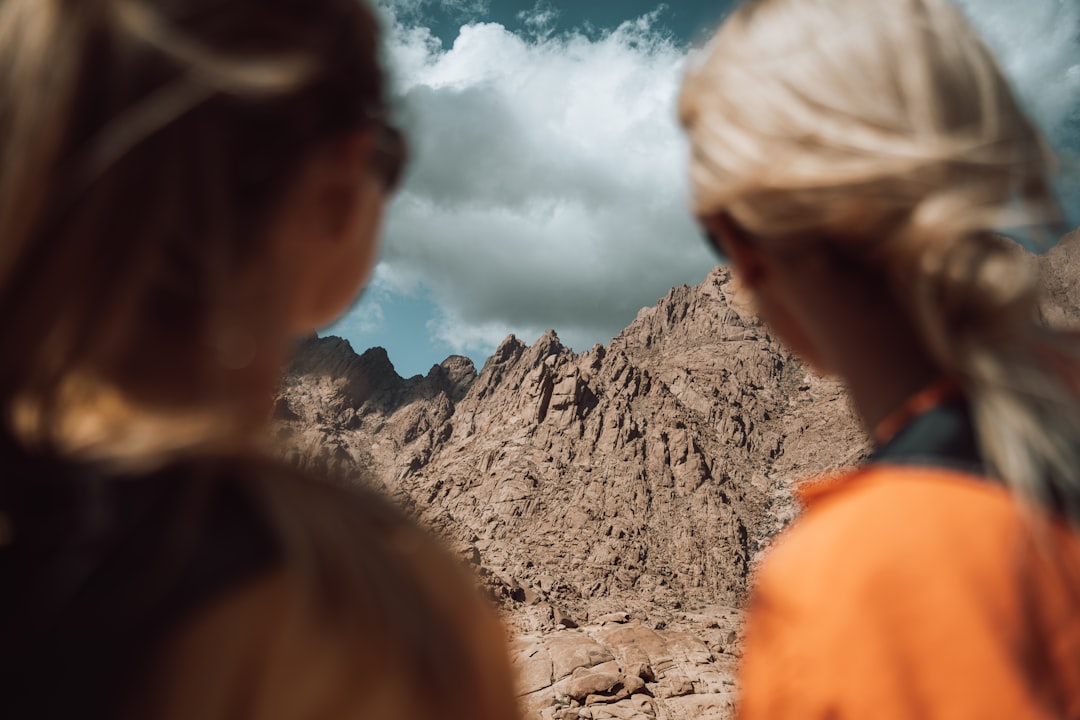
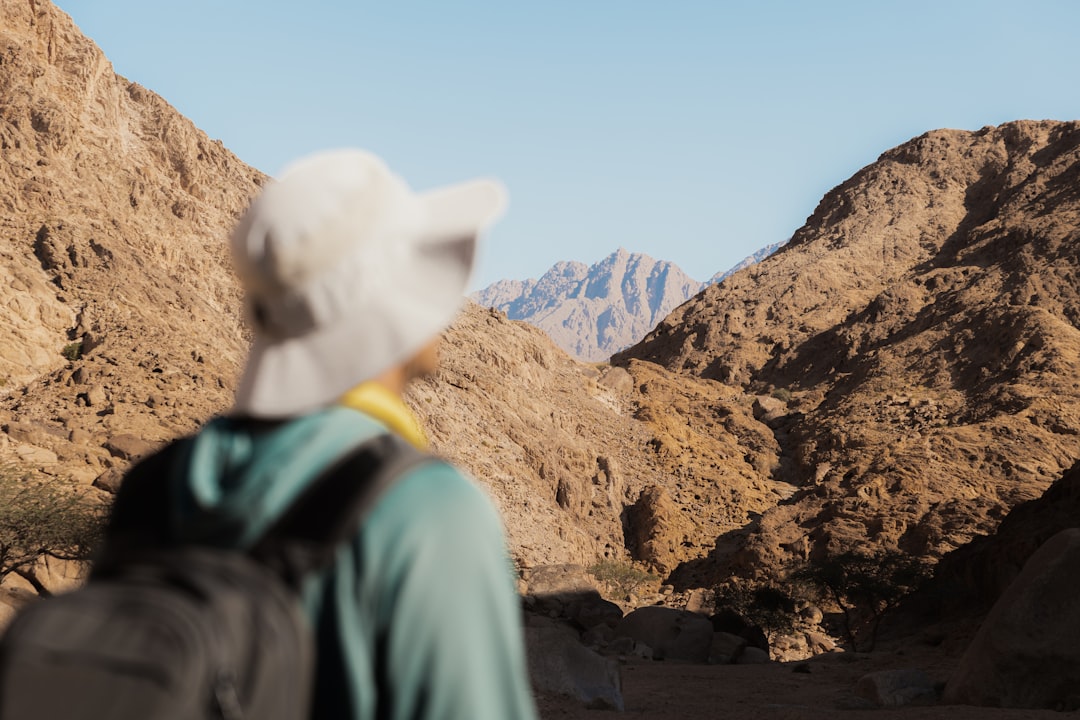
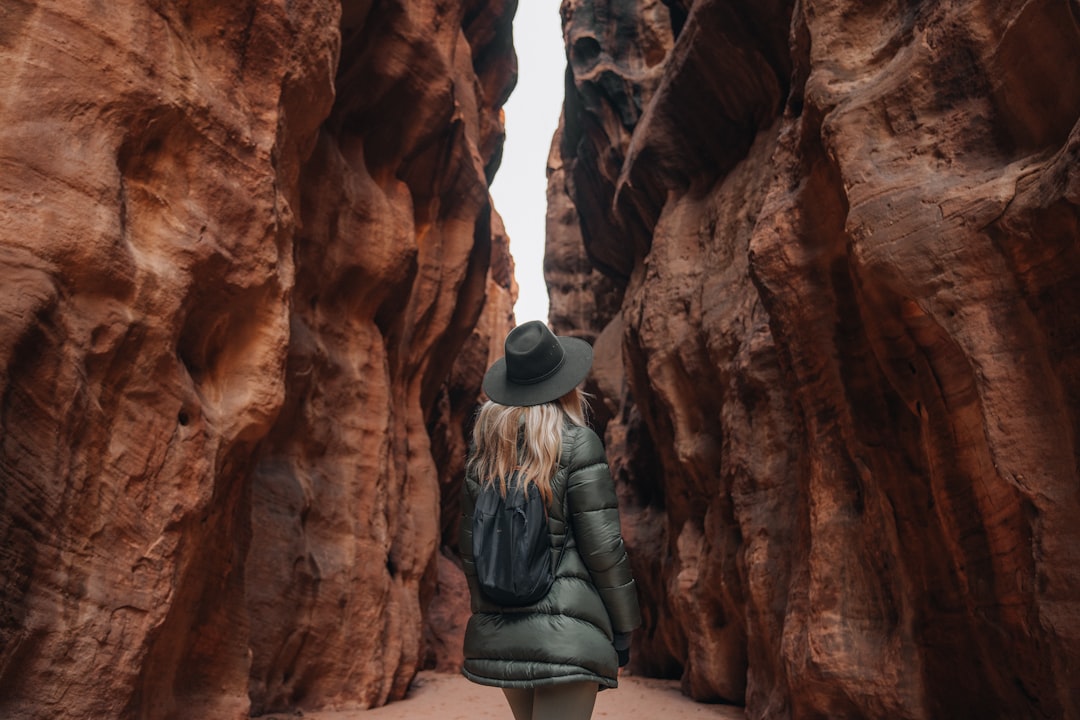
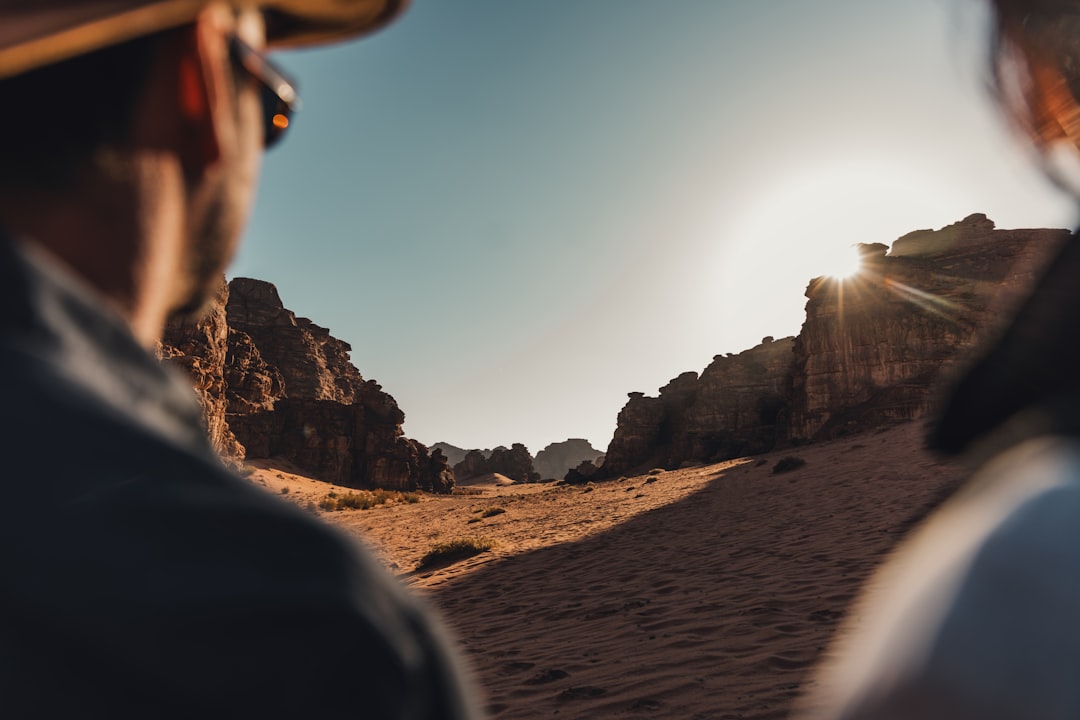
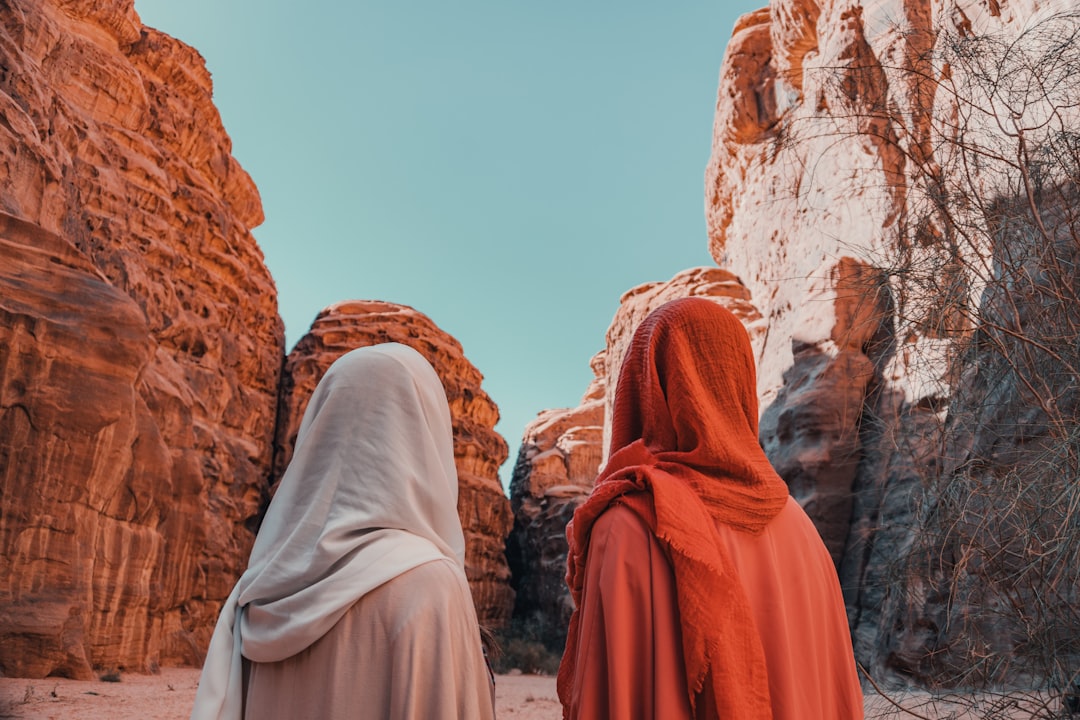
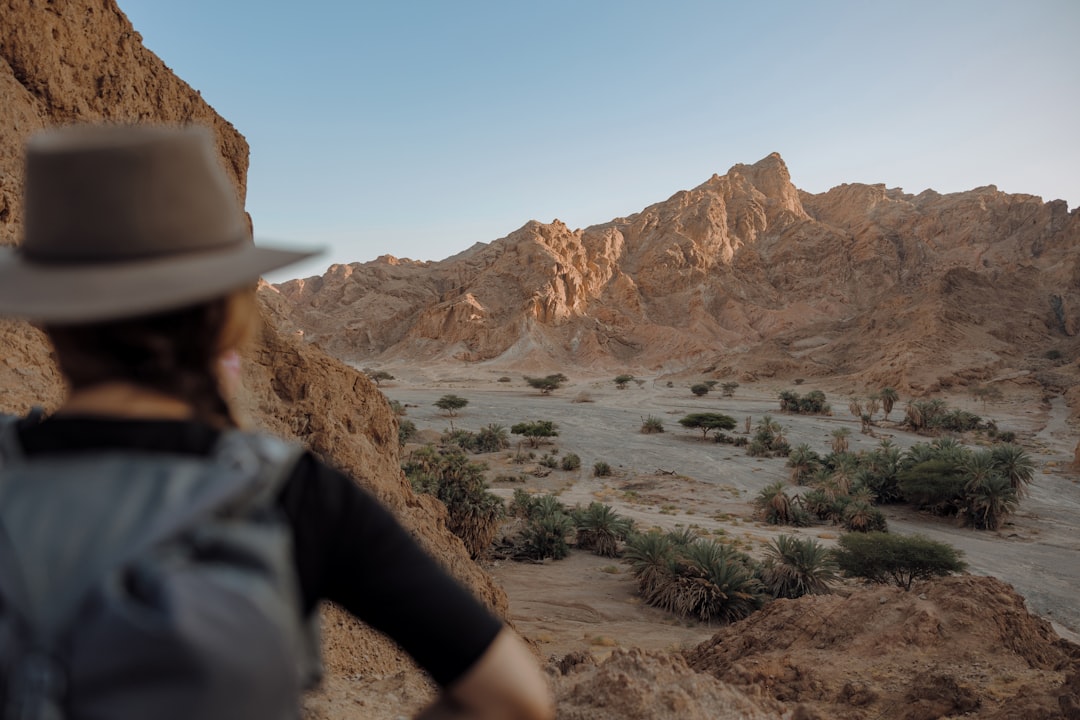
NEOM is a region-scale construction project on Saudi Arabia's northwestern Red Sea coast — roughly 26,500 square kilometres of desert, mountain and coastline that the Saudi government is attempting to turn into something that has no precedent. The ambition is architectural and economic at once: a new kind of city-state, announced in 2017 and still largely a building site, where mirrored skyscrapers, floating manufacturing platforms and mountain ski resorts are being assembled in parallel.
What you encounter here today is the gap between vision and reality — and that gap is itself the story. Sindalah island opened in 2024, NEOM Bay Airport is operational, and the first piles of The Line have been driven into the desert floor. Everything else is still becoming.
How NEOM came to be
Crown Prince Mohammad bin Salman announced NEOM in October 2017 as the centrepiece of Saudi Vision 2030, a programme to diversify the kingdom's economy away from oil. In January 2019, the Saudi government formalised it as a closed joint-stock company wholly owned by the Public Investment Fund. Klaus Kleinfeld served as inaugural director; Nadhmi Al-Nasr subsequently became CEO, with Aiman M. Al-Mudaifer later taking the chief executive role.
The original plans were vast — The Line alone was conceived at 170 kilometres in length, Trojena was awarded the 2029 Asian Winter Games. By 2024, significant scaling-back was underway: major tunnelling contracts were cancelled in 2026, Kazakhstan replaced NEOM as the Winter Games host, and the ambitions of several flagship projects were quietly revised downward. The build continues, but at a different scale than the renderings once suggested.
Who and what shaped it
People who shaped it
Landmark buildings
See NEOM in motion
Plan your visit
On the map
When to go
The coastal lowlands around NEOM Bay run hot and dry from May through September, with temperatures regularly above 40°C. The Sarat Mountains where Trojena sits reach elevations between 1,500 and 2,600 metres, making winters there genuinely cold and summers considerably more bearable than the coast.
Right now
Background & history adapted from Wikipedia (CC BY-SA) · specs from Wikidata (CC0) · weather from Open-Meteo · map data © OpenStreetMap contributors · photos from Wikimedia Commons / Unsplash with per-image credit. No third-party reviews or social posts reproduced.