
Negros Island
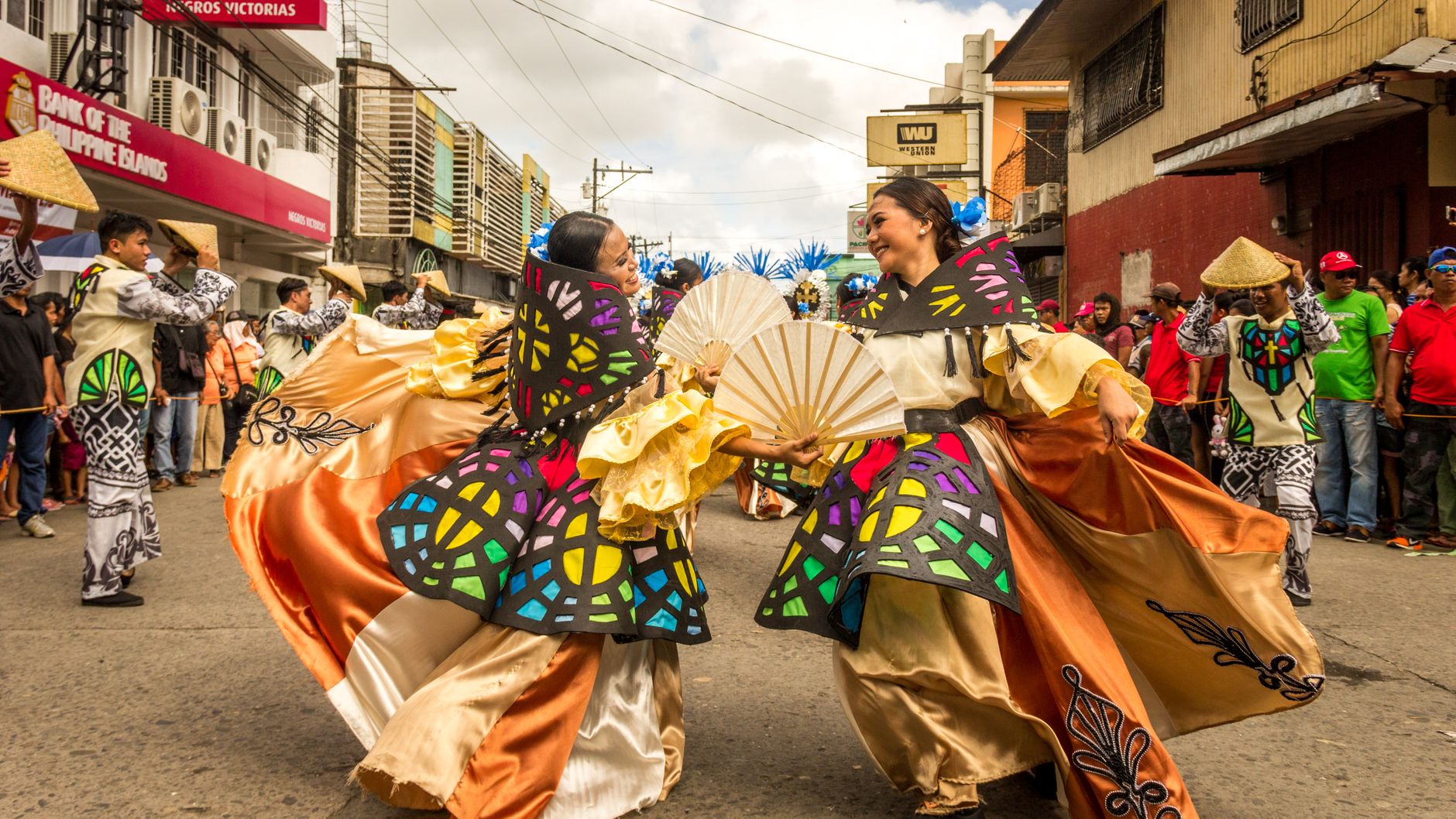
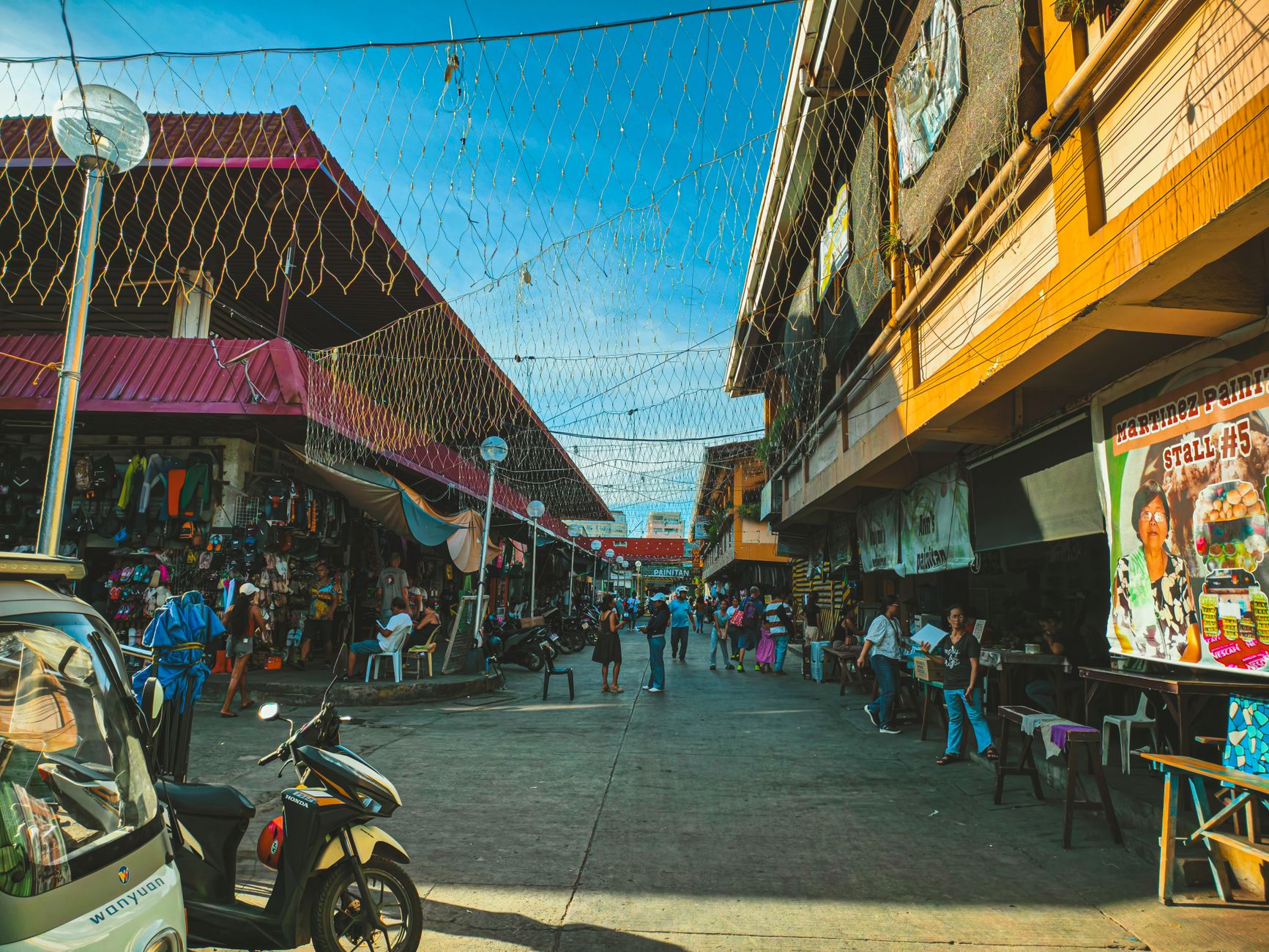
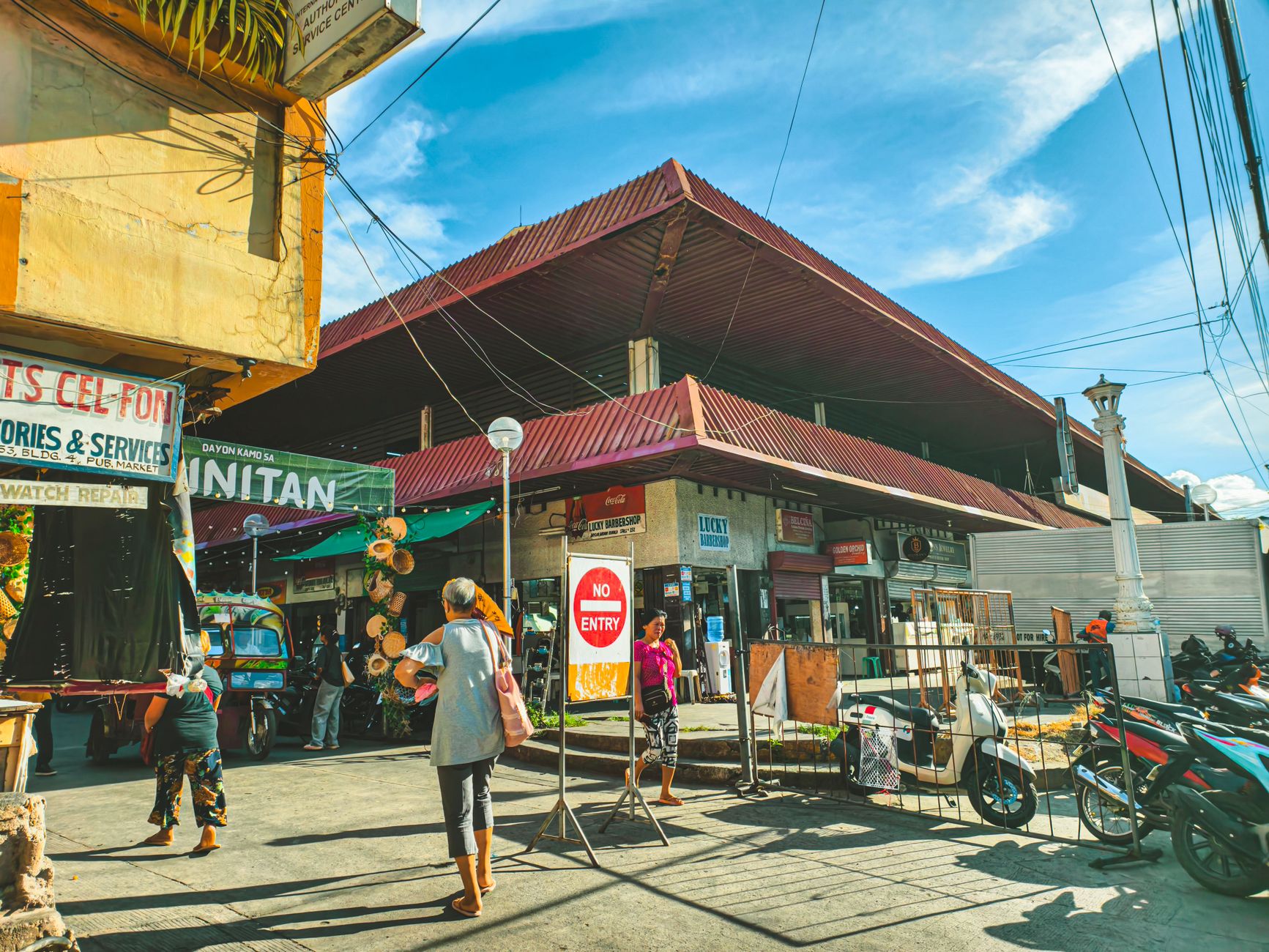
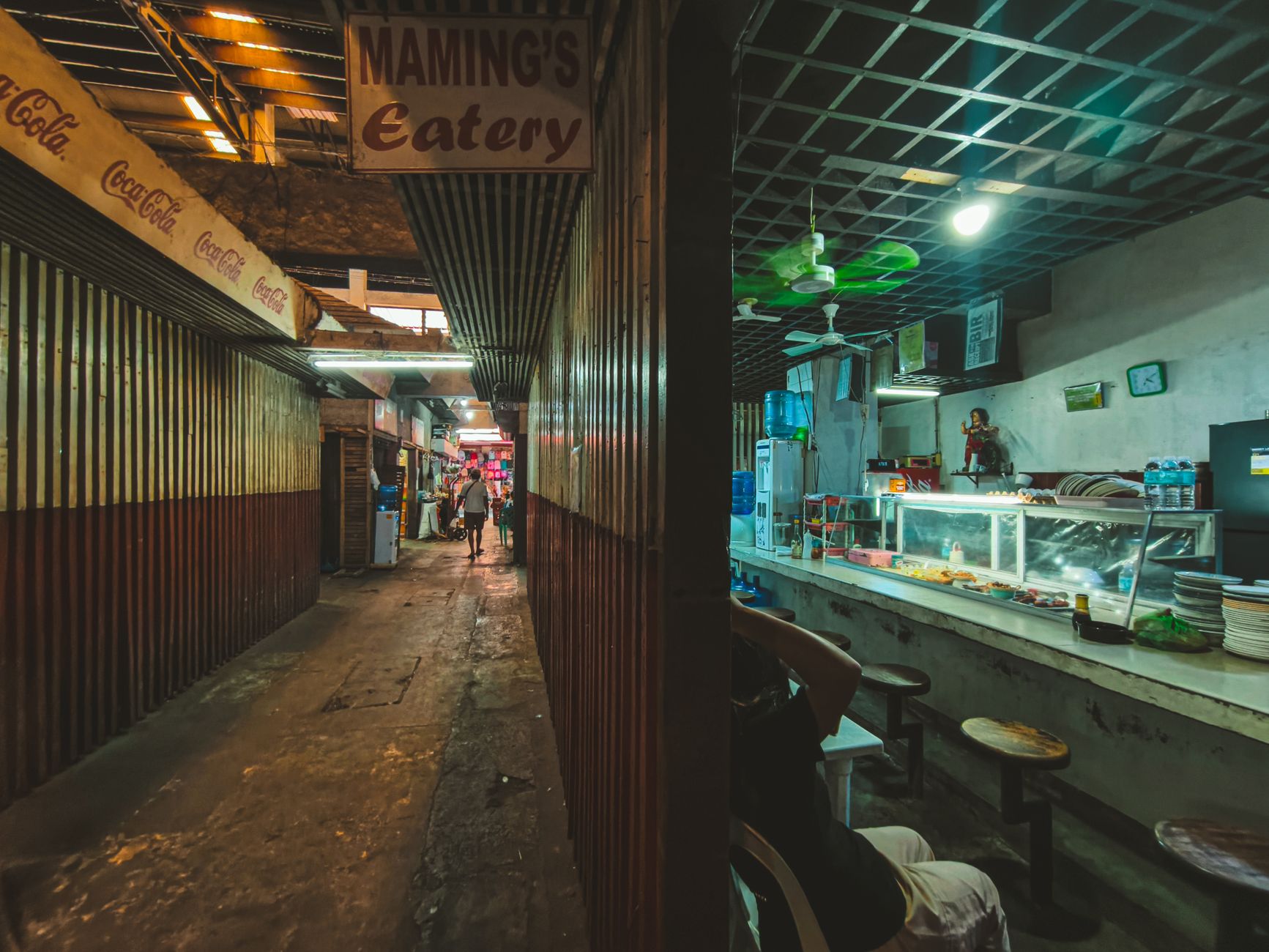
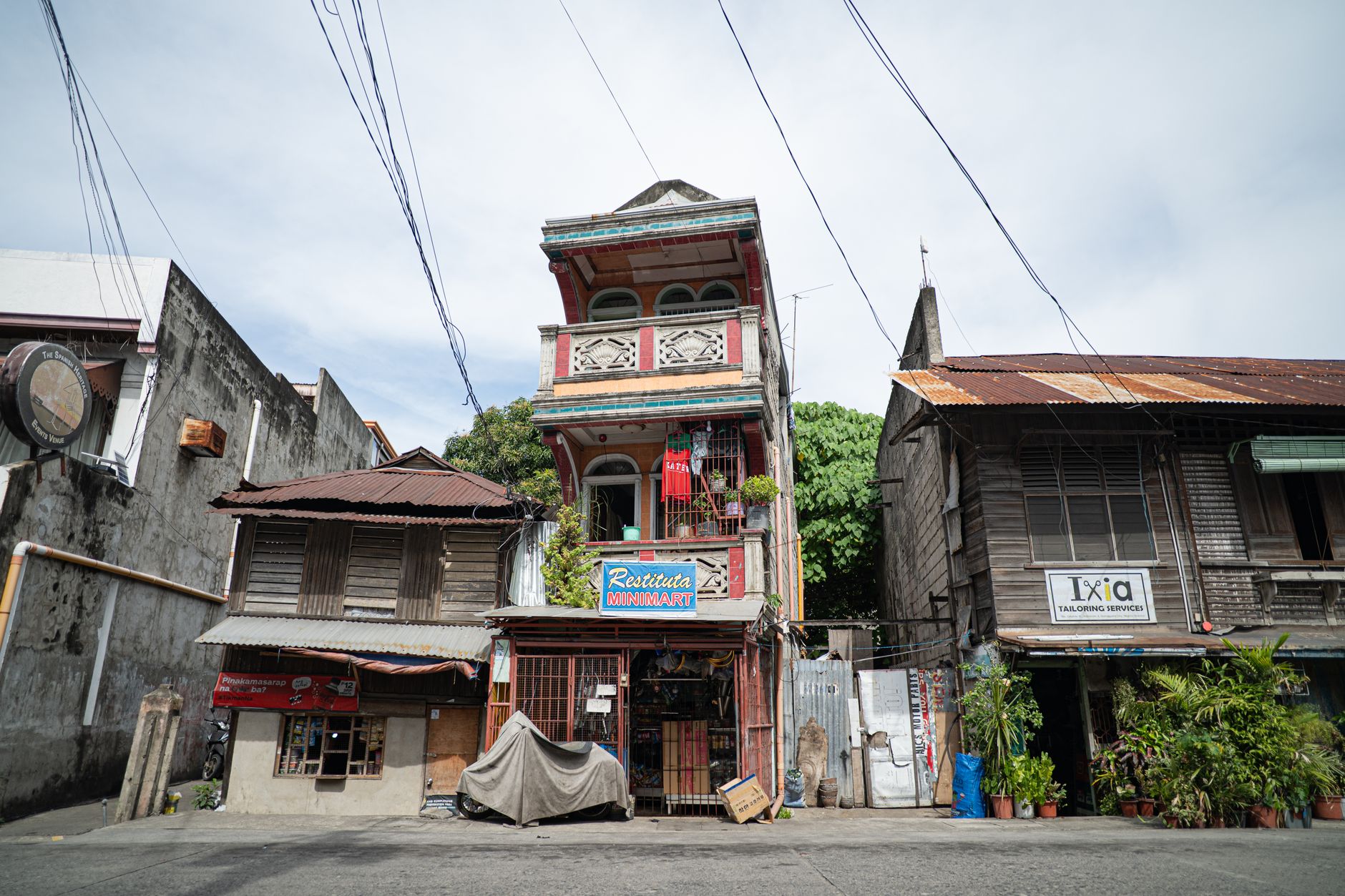
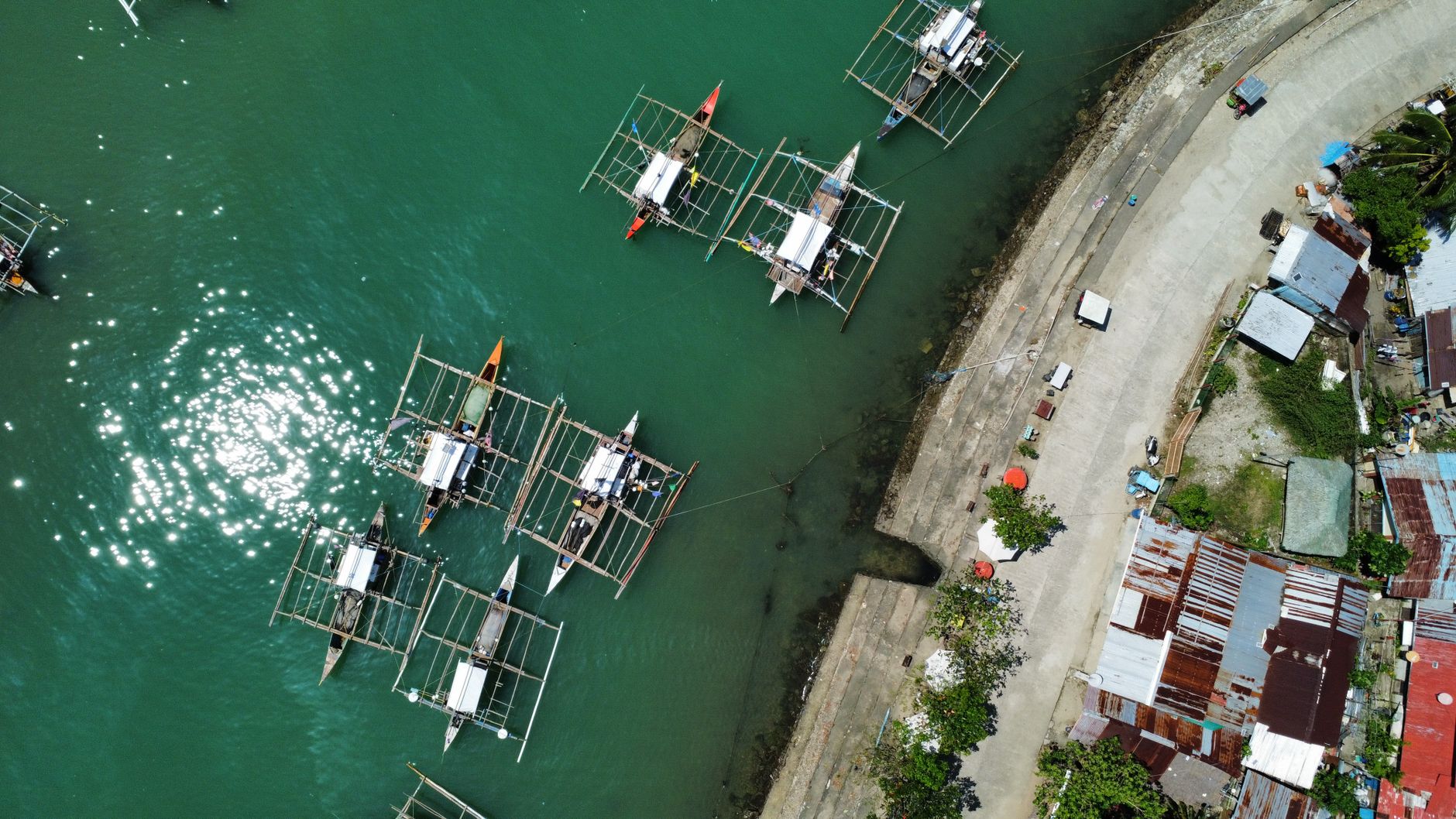
Negros is an island of two halves — literally. A spine of mountains runs down its centre, dividing a Hiligaynon-speaking west from a Cebuano-speaking east, and the difference shows in the food, the festivals, the pace of conversation. The flat western plains are given almost entirely to sugarcane; during harvest season you can smell the cane fires from the ferry.
Bacolod anchors the north and west, Dumaguete the south and east — and between them lies enough to fill a long week: colonial streetscapes in Silay, sea turtles off Apo Island, waterfalls above Valencia, caves under Mabinay, and the kind of university town in Dumaguete where people tend to stay longer than planned.
How Negros Island came to be
When Spanish explorers arrived in 1565 they found an island the locals called Buglas. They renamed it Negros — a reference, blunt and colonial, to the appearance of some of the people they encountered. For three centuries the island remained under Spanish rule until, in the first week of November 1898, Negrenses revolted. General Juan Anacleto Araneta led the forces that proclaimed the República de Negros on November 5; a Congress of Deputies met in Bacolod on November 27 and formalised the Cantonal Republic. It was a short-lived independence — renamed the Republic of Negros in July 1899 and dissolved by U.S. Military Government on April 30, 1901.
American civil administration arrived almost immediately after. On April 9, 1901, the Second Philippine Commission under William H. Taft landed in Dumaguete, and within months Dr. David S. Hibbard had founded Silliman University — August 28, 1901 — the first American school established in the Philippines and, by some accounts, on the Asian continent. That institution still shapes Dumaguete's character today.
Who and what shaped it
People who shaped it
Landmark buildings
See Negros Island in motion
Plan your visit
On the map
When to go
The dry season runs December through May — the most comfortable window, with the coolest months falling in January and February. The eastern coast around Dumaguete catches more rain year-round due to Pacific trade winds, so pack accordingly even outside the June–November wet season.
Right now
Background & history adapted from Wikipedia (CC BY-SA) · specs from Wikidata (CC0) · weather from Open-Meteo · map data © OpenStreetMap contributors · photos from Wikimedia Commons / Unsplash with per-image credit. No third-party reviews or social posts reproduced.