
Neak Pean
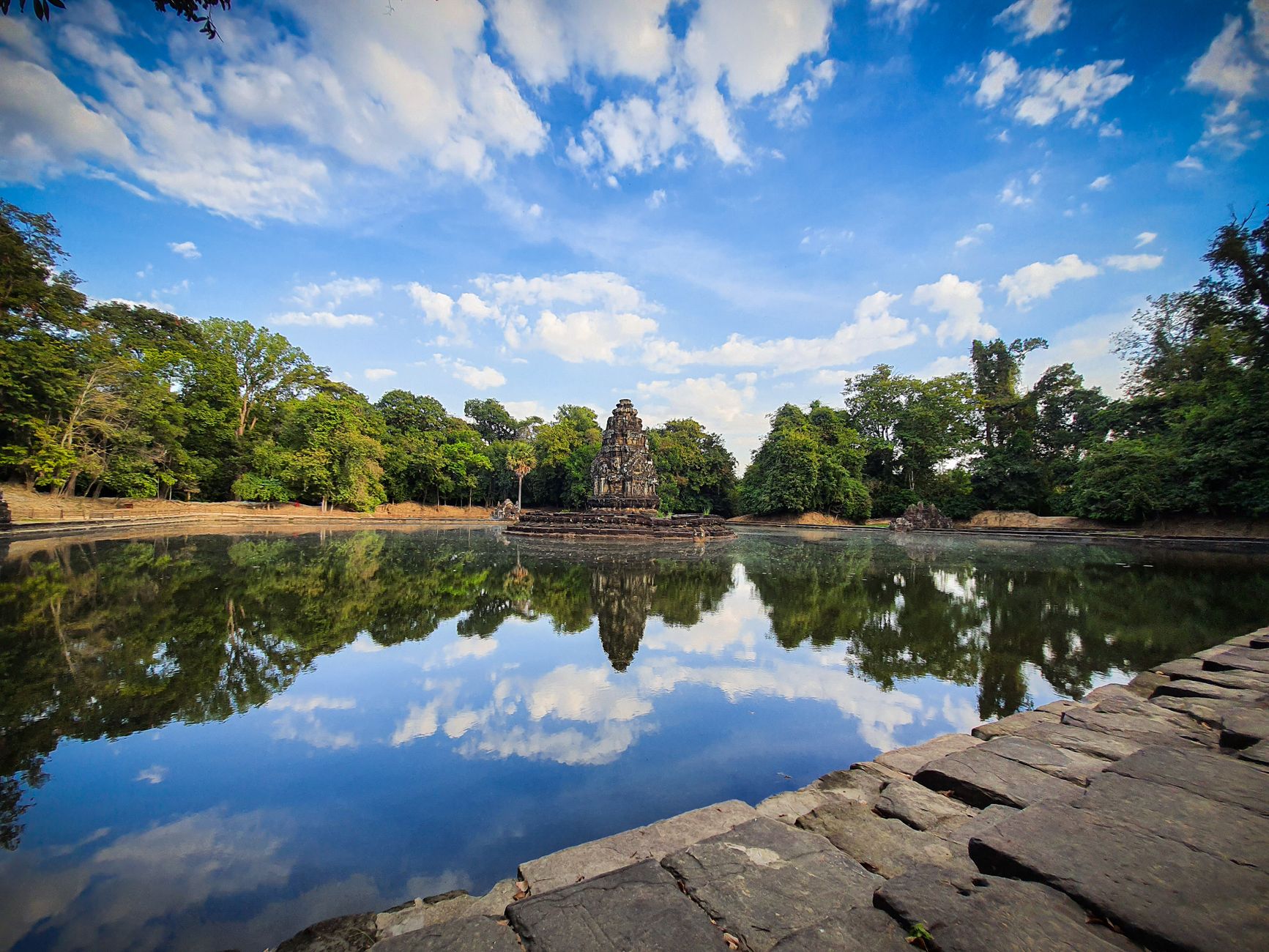
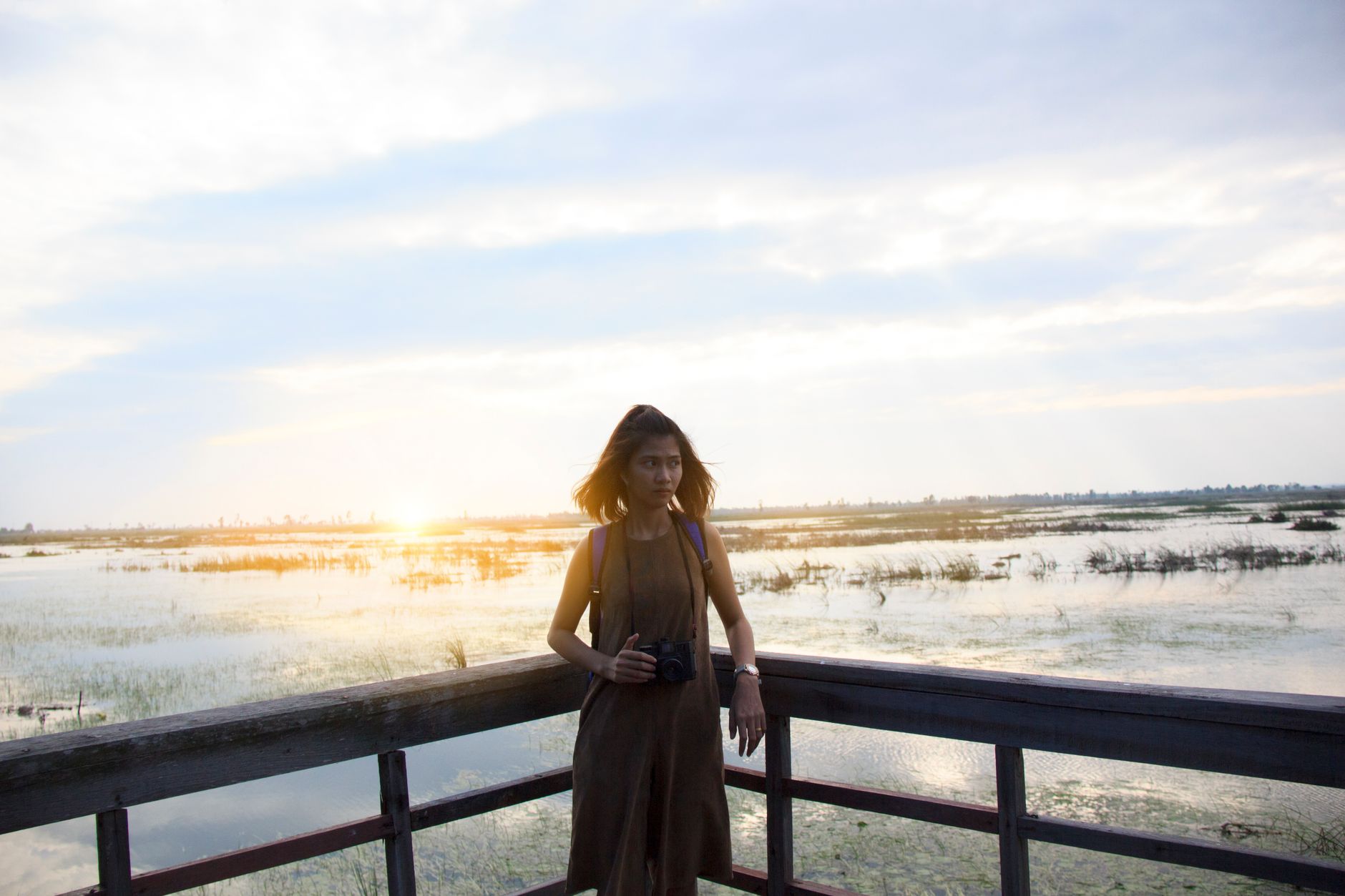
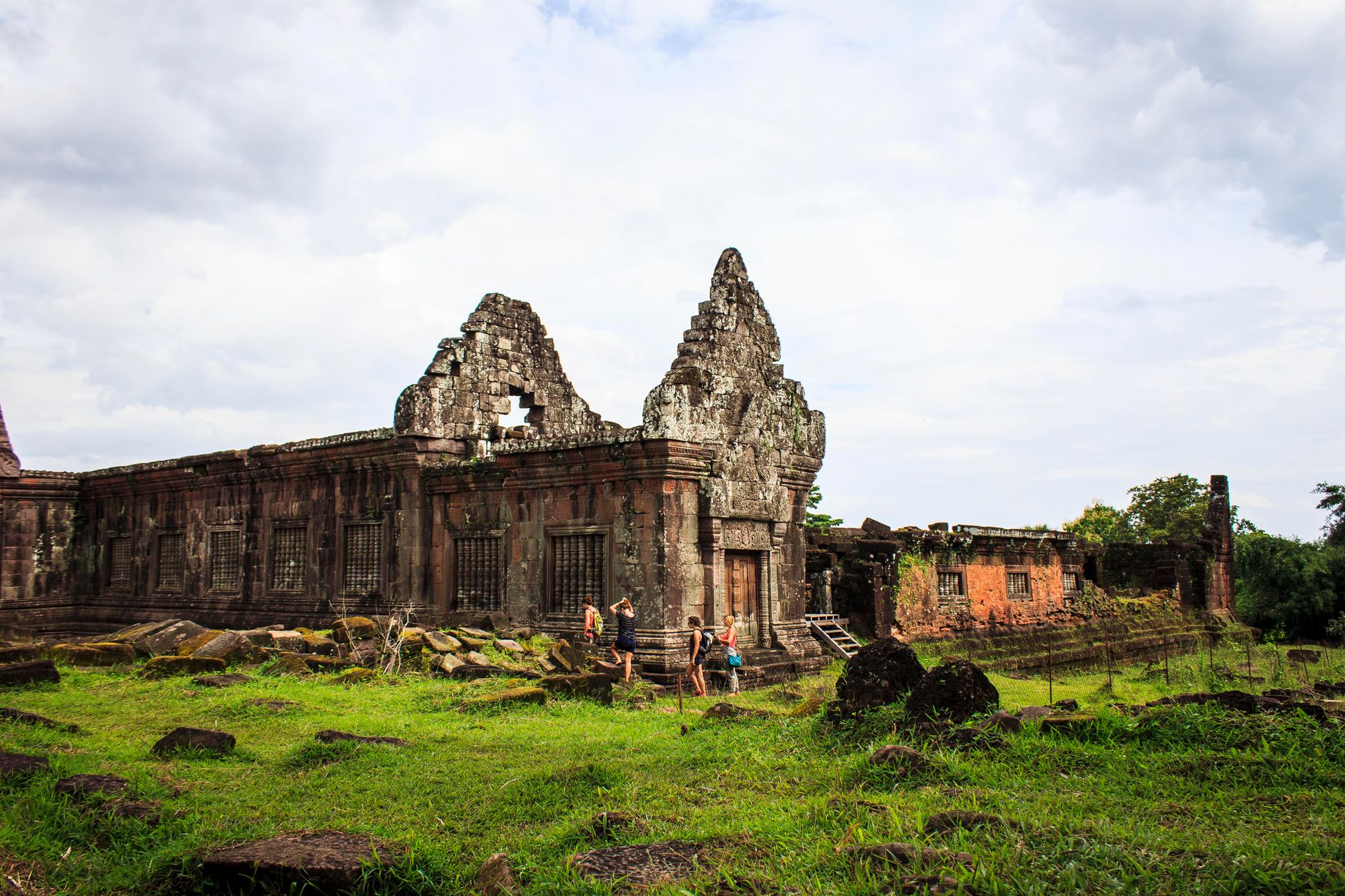
A long wooden walkway carries you out over still water, past dead trees rising from the shallows and lotus plants drifting in clusters, before depositing you in front of a sandstone sanctuary barely fourteen meters across. This is Neak Pean — a small circular island at the center of a large square pond, itself sitting inside a man-made reservoir 350 meters on each side, somewhere in the middle of a baray that hasn't held water naturally for centuries.
The scale keeps surprising you. Four smaller ponds surround the central basin, each fed through a stone spout carved into a different head — elephant to the north, horse to the west, lion to the south, human to the east. The sanctuary itself is fenced off, but the horse statue of Balaha, a bodhisattva in animal form, still stands at the water's edge, facing east.
💛 What travellers fall for
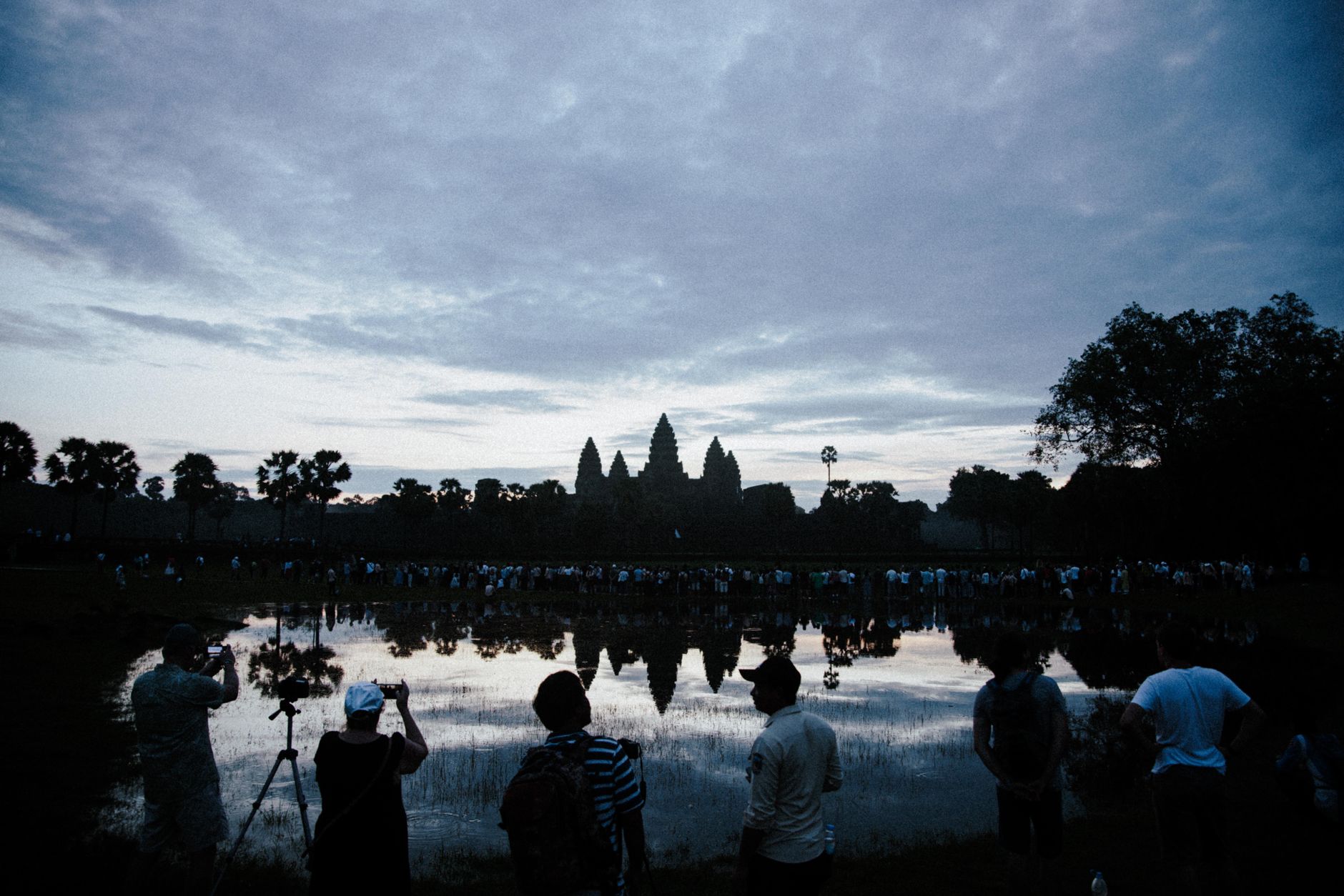
People who've done Angkor more than once tend to time Neak Pean for early morning, when the light catches the water before tour groups arrive from Preah Khan next door. The walkway is narrow and there's nowhere to pass, so the hour makes a real difference. Bring something for the frogs.
Deals in Neak Pean
Book directly at the provider
How Neak Pean came to be
King Jayavarman VII built Neak Pean during his reign, which ran from 1181 to 1218 AD, as part of an extensive program of construction that included hospitals, roads, and rest houses across his kingdom. The temple was not primarily a place of worship in the conventional sense — it functioned as a healing site. Pilgrims bathed in the ponds believing the waters would rebalance the body's elements and cure illness, with each of the four spout-heads corresponding to an element: water, wind, fire, and earth.
The Chinese diplomat Zhou Daguan recorded the site in his 13th-century account, The Customs of Cambodia, giving us one of the few contemporary outside perspectives on it. The complex was cleared in the 1920s and restored using the anastylosis method — reassembling original stones — in the late 1930s.
Who and what shaped it
People who shaped it
Landmark buildings
See Neak Pean in motion
Plan your visit
On the map
When to go
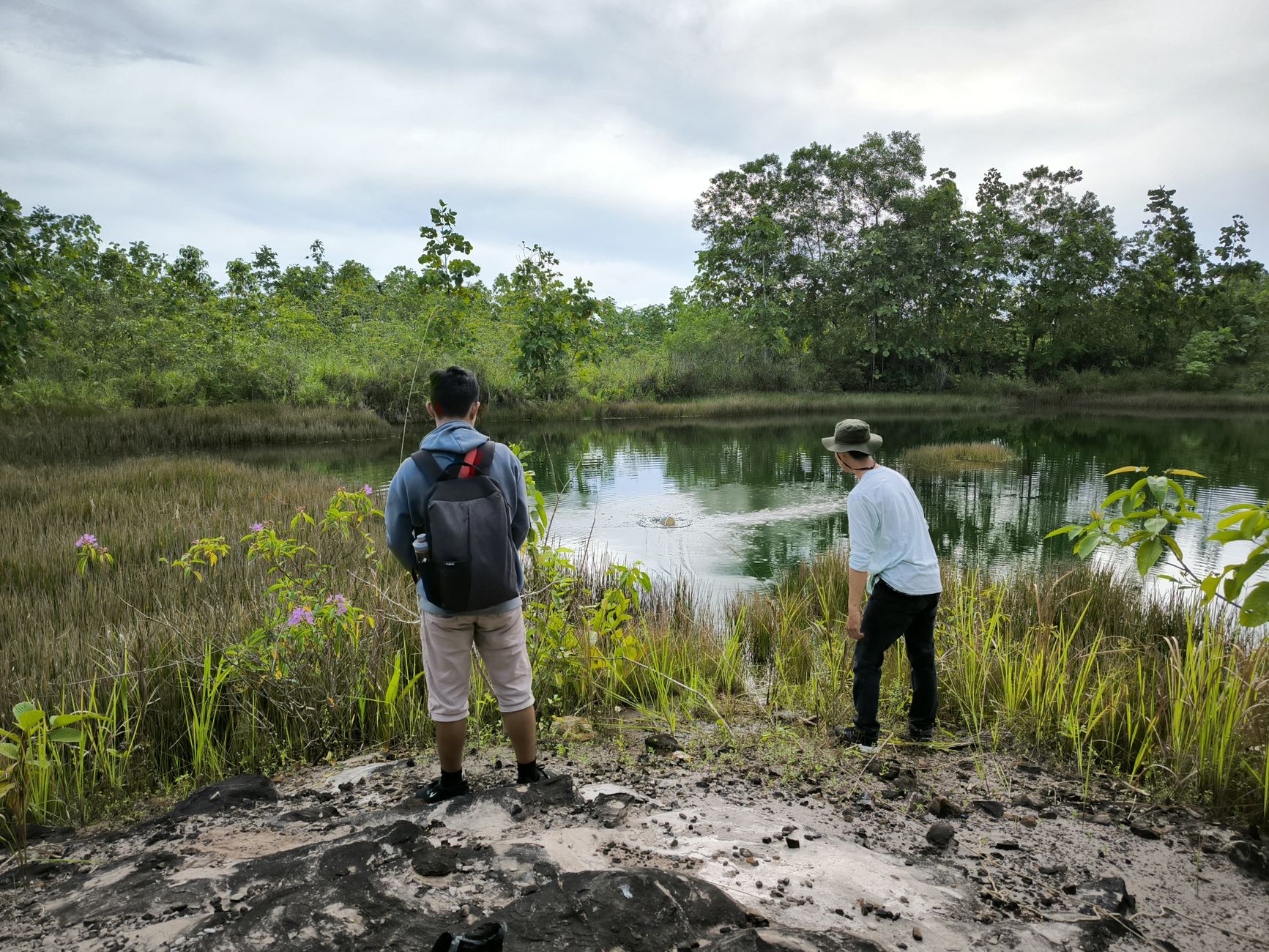
November through March brings the most comfortable conditions: temperatures between 24–32°C and almost no rain, and the lower water levels expose the four carved spout-heads. In the wet season (May–October) the ponds fill completely, the carvings disappear under water, and the surrounding swamp turns a deeper green — a different kind of atmosphere, and for many the more photogenic one.
Right now
Background & history adapted from Wikipedia (CC BY-SA) · specs from Wikidata (CC0) · weather from Open-Meteo · map data © OpenStreetMap contributors · photos from Wikimedia Commons / Unsplash with per-image credit. No third-party reviews or social posts reproduced.