
Namwon
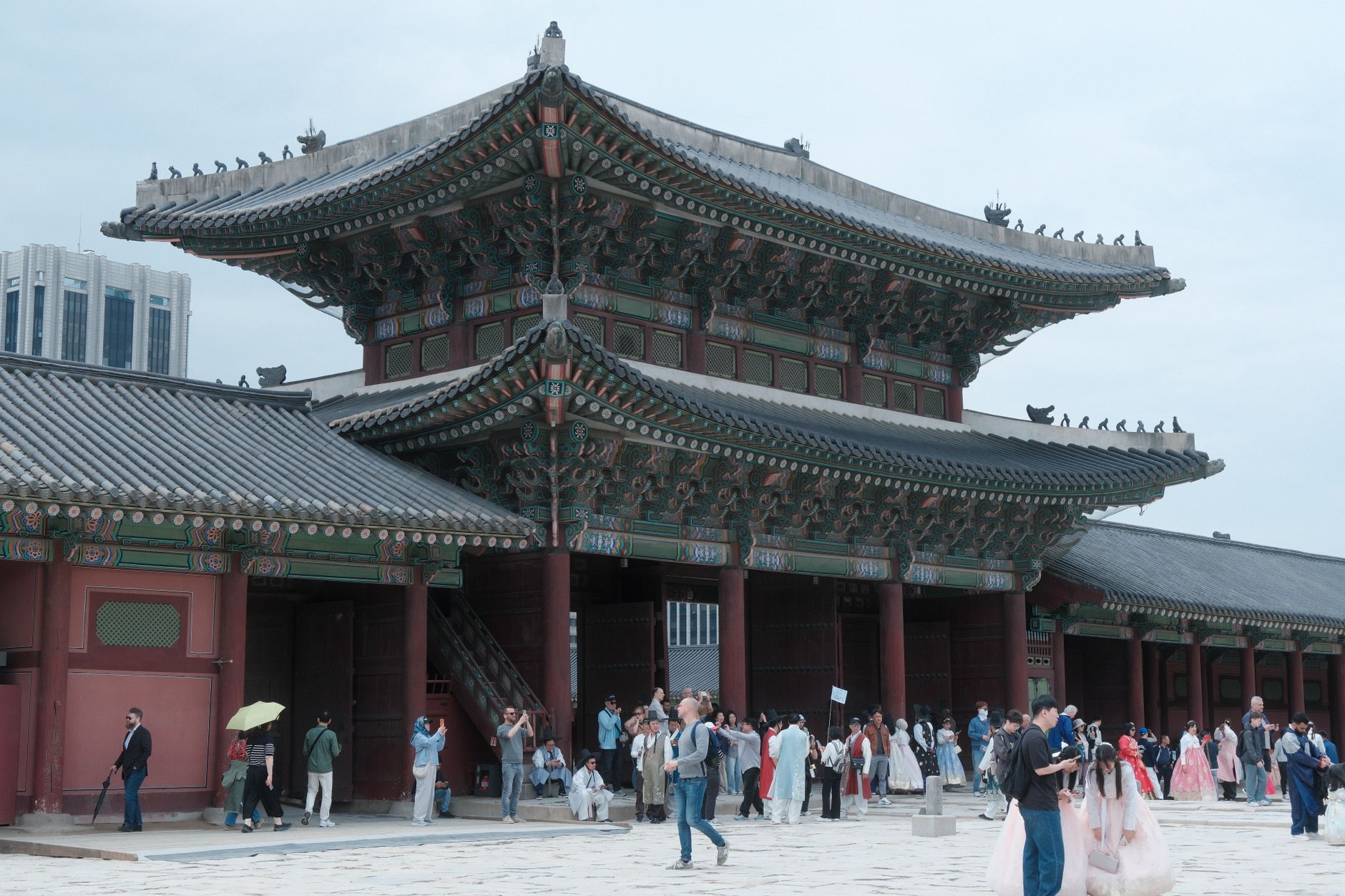
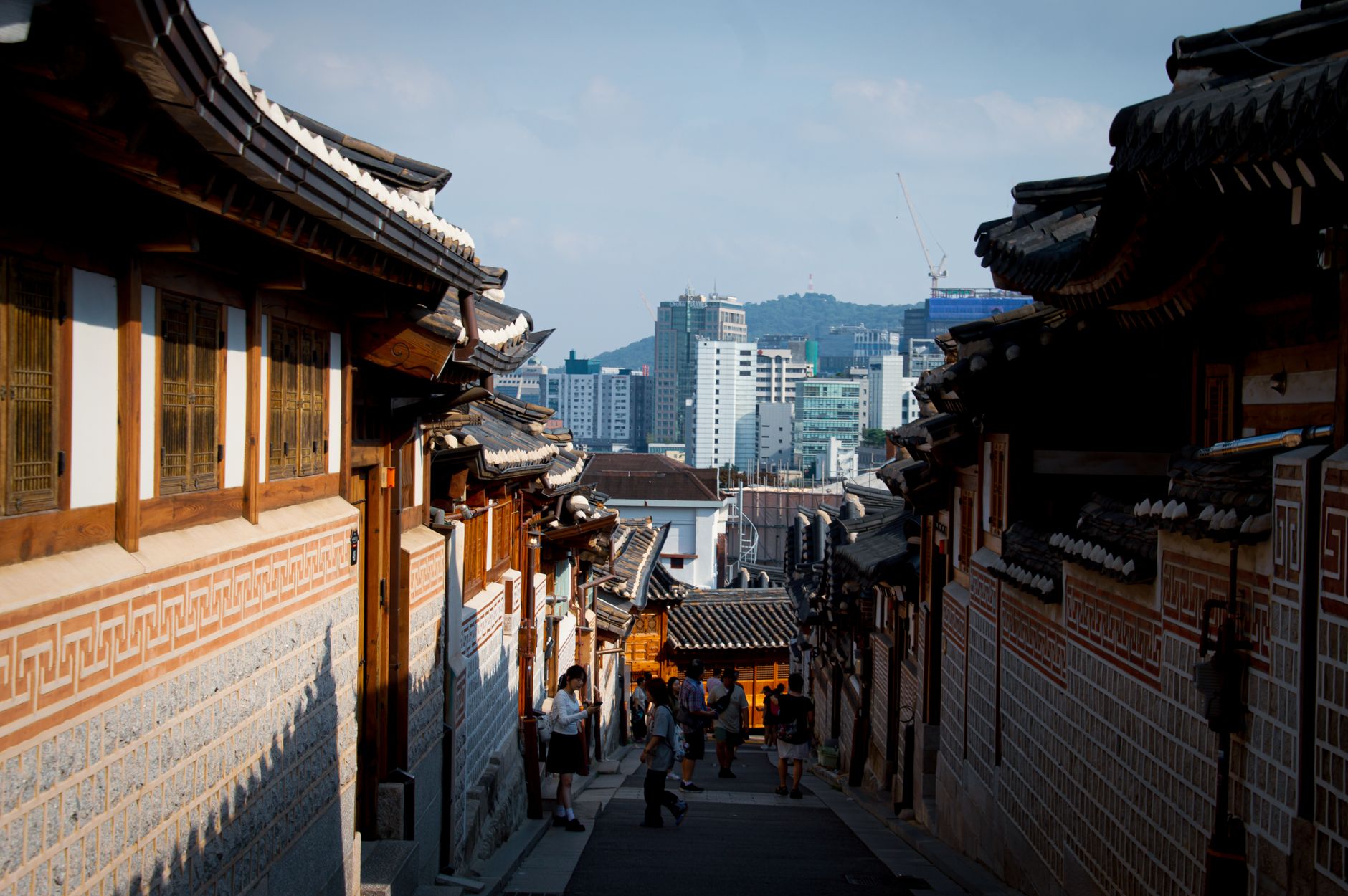
Namwon announces itself with a loach. The cartoonish statue of the muddy freshwater fish stands near the city entrance, a deadpan monument to chueotang — the peppery loach stew that locals have been ladling out for generations and that visitors tend to order twice. This small city in North Jeolla Province runs on two obsessions: that stew and a love story. Chunhyang, the fictional daughter of a courtesan who refused a corrupt magistrate and waited faithfully for her scholar-lover, was born here in the oral tradition, and Namwon has never let her go.
The Gwanghalluwon garden where the story's lovers first met still stands, its moon-bridge reflected in still water. The Namwon National Gugak Center keeps pansori — the gut-deep, solo vocal art that gave Chunhyang's tale its most powerful form — alive in actual performance. History here is not behind glass.
💛 What travellers fall for
People who come back tend to time a return around the Chunhyang Festival in May, when the garden fills with sound and the city feels genuinely festive rather than staged. They also mention the Silsangsa Temple hike — small temple, real trail, fewer people than the garden. And they budget a second bowl of chueotang for the morning before the bus.
Deals in Namwon
Book directly at the provider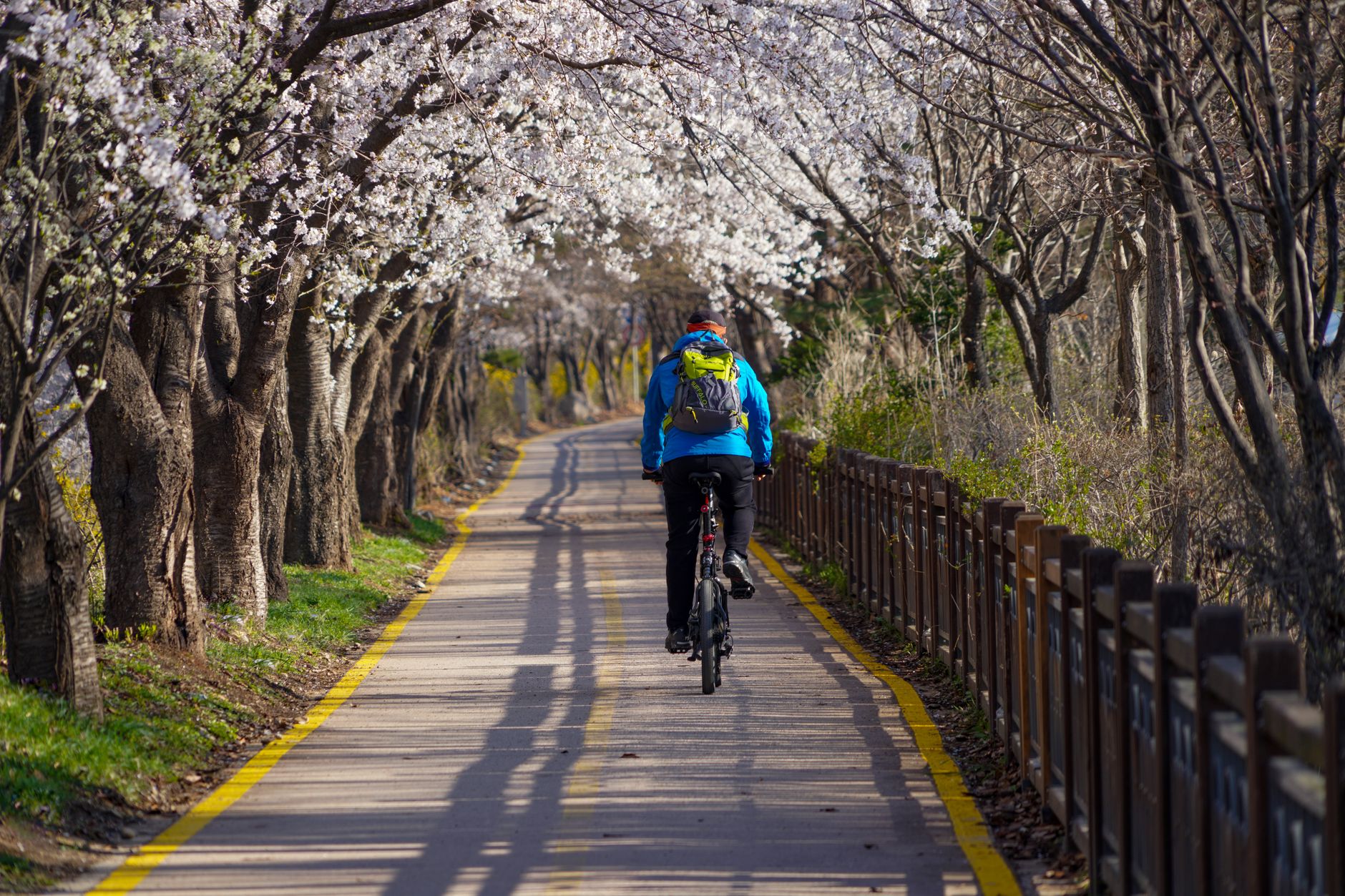

How Namwon came to be
Namwon was founded in 680 CE during the reign of Silla King Sinmun, making it one of the older settled cities on the peninsula. Its darkest chapter came in August 1597, during the Japanese invasions known as the Imjin War. A defending force of roughly 3,300 Korean and Chinese soldiers, along with some 6,000 civilians, held the city walls against a Japanese army of 56,000 for four days before the city fell. The siege left a scar that the city has not forgotten.
Out of that same turbulent Joseon period came Chunhyangjeon, the tale of the courtesan's daughter Chunhyang, likely composed or codified during the reigns of Kings Sukjong or Yeongjo (1674–1776). It took root in the pansori tradition — singers like Song Heung-rok and Song Man-gap, both from Namwon, shaped its performance into an art form. The Chunhyang Festival, first held in 1931, formalised what the city already knew about itself.
Who and what shaped it
People who shaped it
Landmark buildings
See Namwon in motion
Plan your visit
On the map
When to go
Spring (late April through May) and autumn (late September through October) bring temperatures in the low-to-mid 20s°C with low humidity — the most comfortable time to be outside. July and August are genuinely hot and wet: expect 33°C with humidity that pushes the feels-like temperature past 38°C, and 269mm of rain in July alone.
Right now
Background & history adapted from Wikipedia (CC BY-SA) · specs from Wikidata (CC0) · weather from Open-Meteo · map data © OpenStreetMap contributors · photos from Wikimedia Commons / Unsplash with per-image credit. No third-party reviews or social posts reproduced.