
Mossel Bay
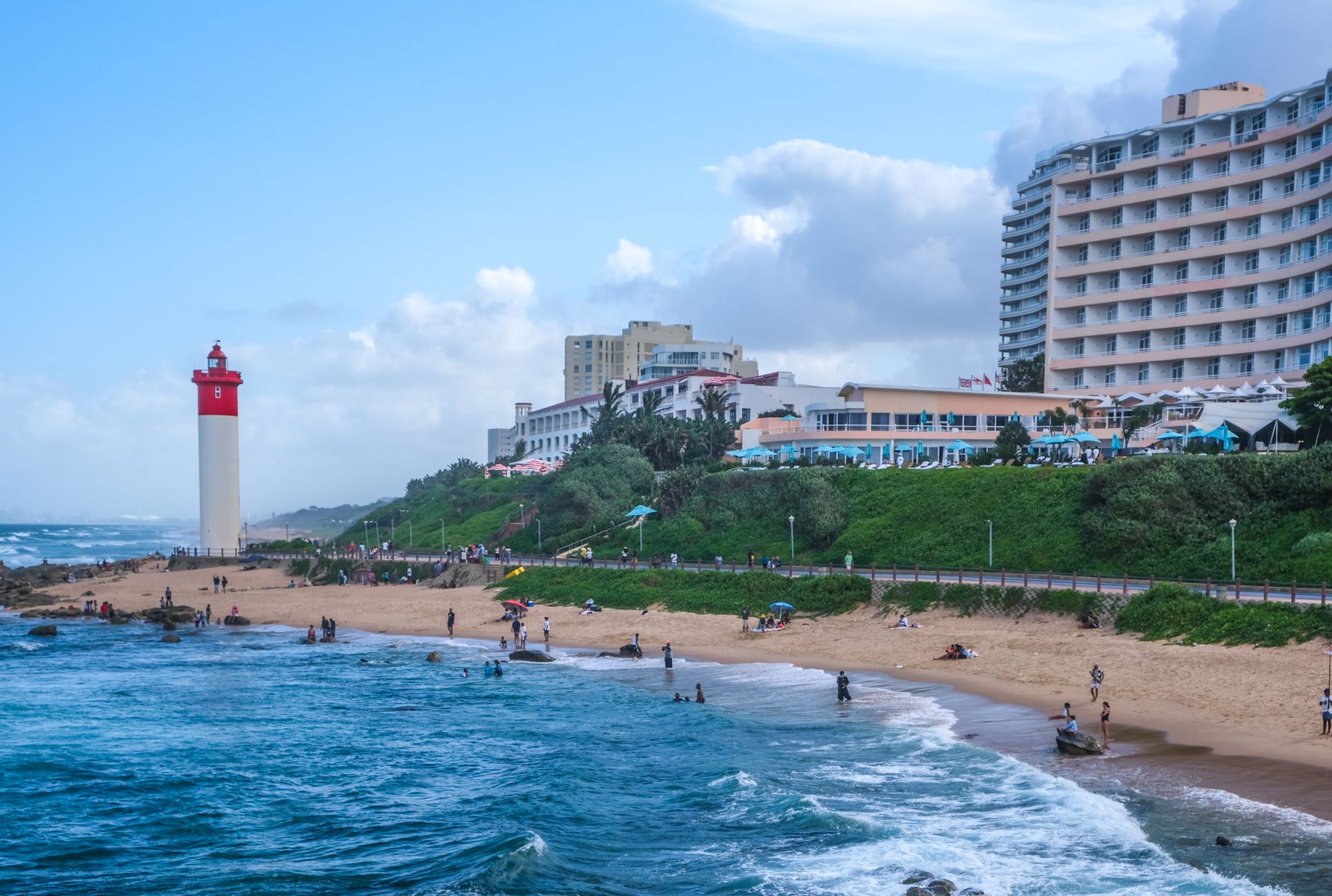
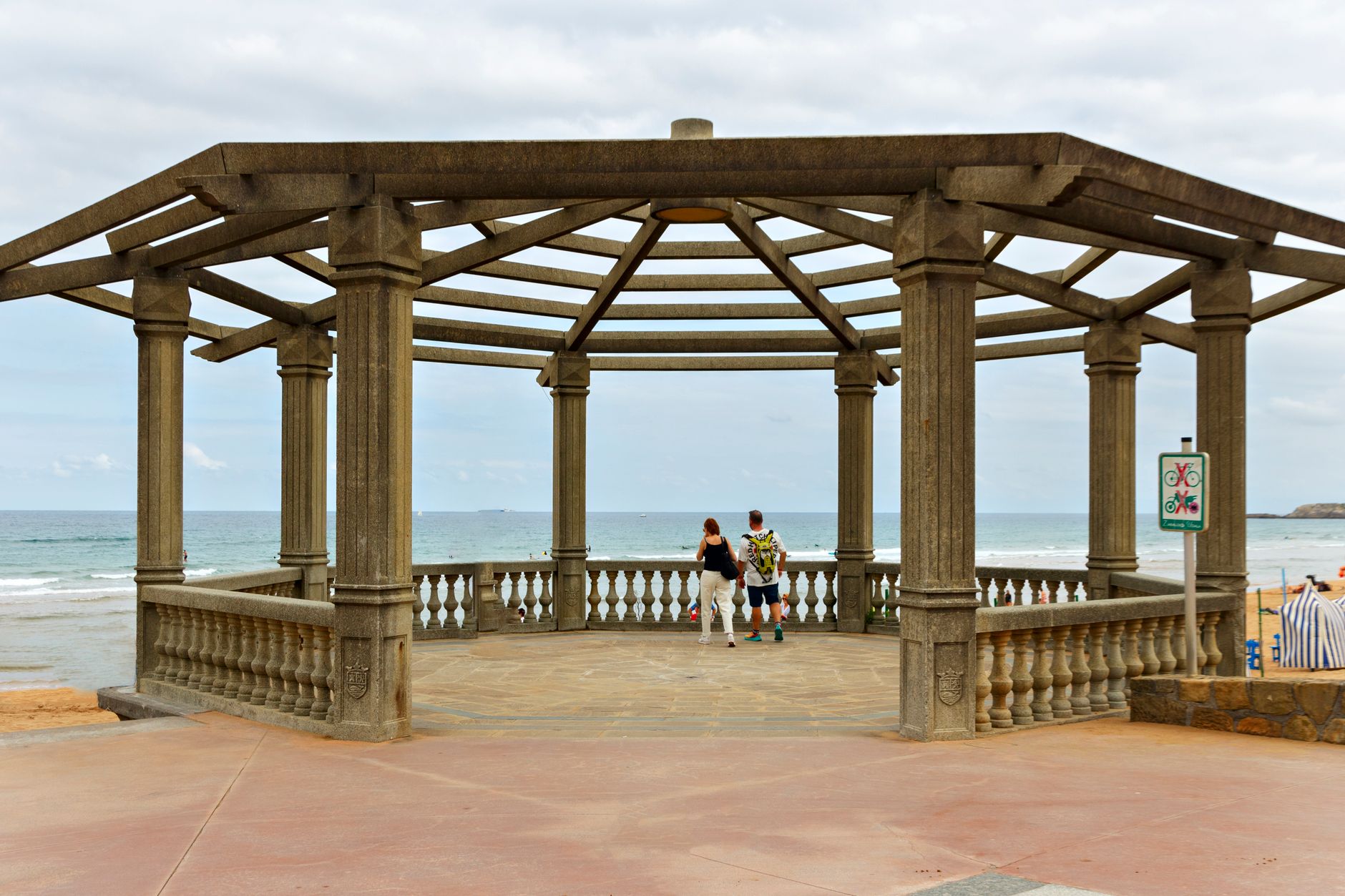
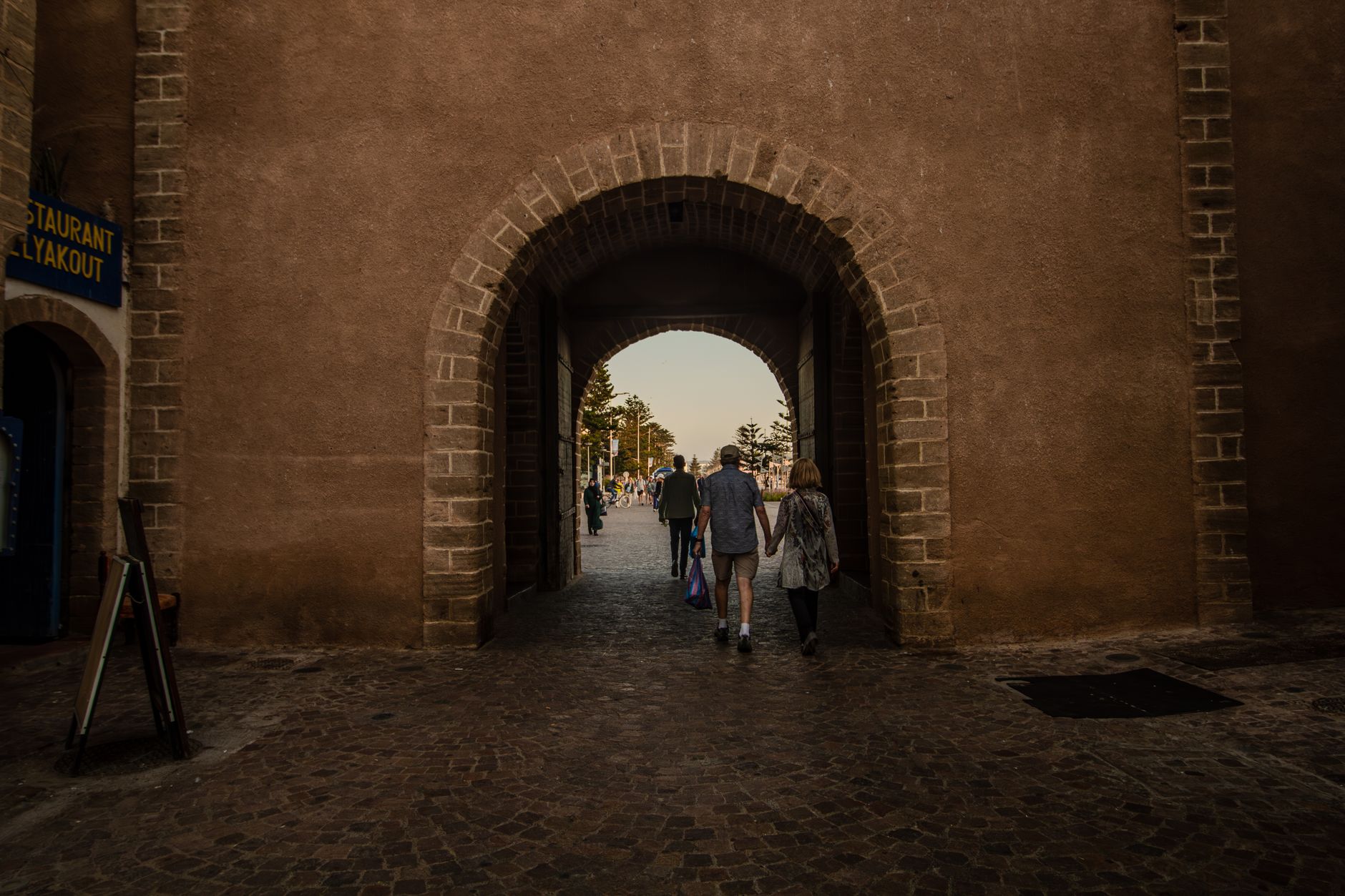
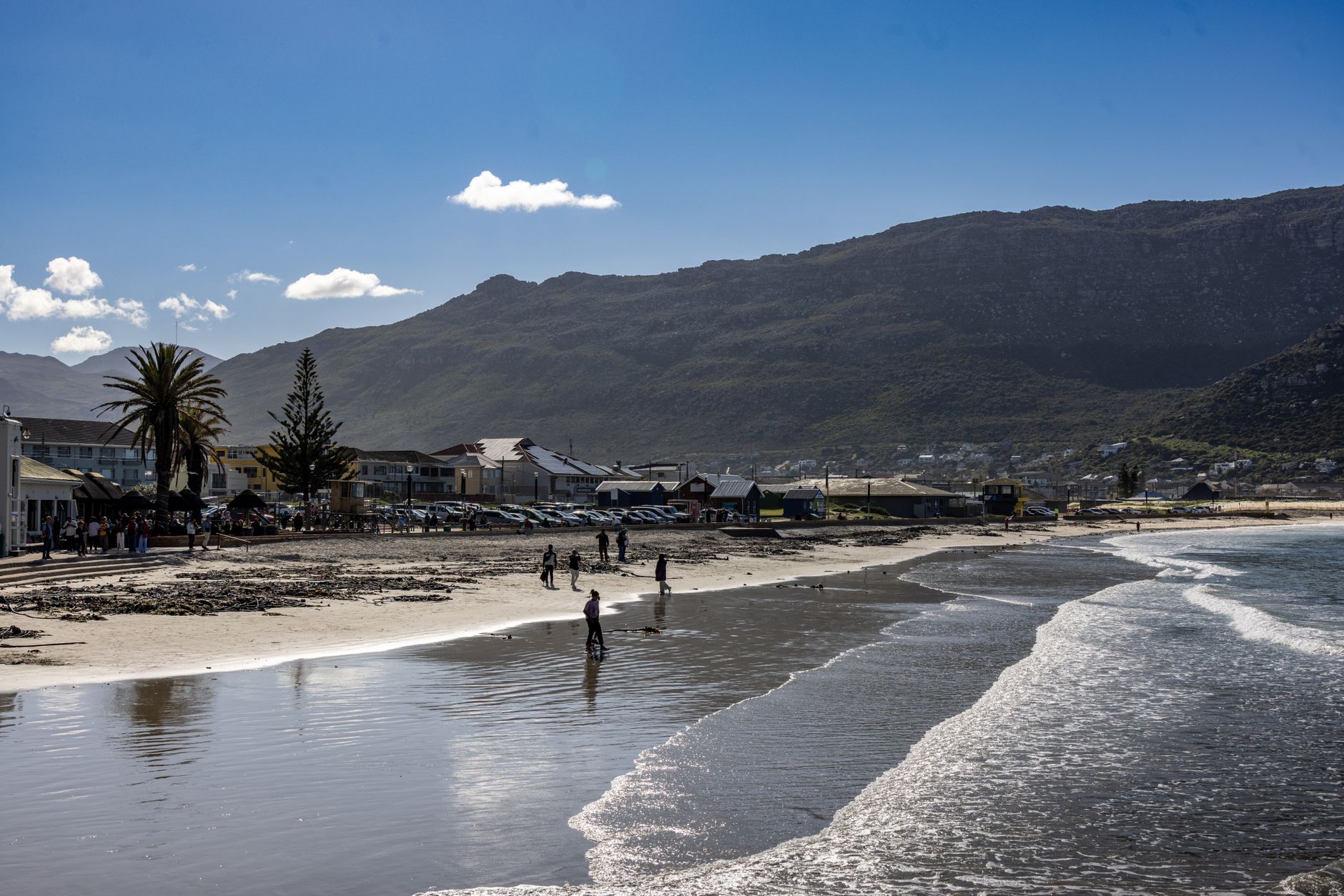
Stand under the old milkwood tree on the waterfront and you're at what sailors once called the post office of the southern seas — a hollow in its roots where passing ships left letters for those coming behind, a system that worked for centuries before anyone built a proper building here. Mossel Bay sits where the Indian Ocean begins to warm, on a promontory that Bartolomeu Dias rounded in 1488 and Vasco da Gama watered at nine years later, trading an ox for a red cap with Khoi herders in what historians mark as the first recorded commercial transaction on Southern African soil.
Beneath the headland, Pinnacle Point Caves hold something older still — evidence of human life stretching back 164,000 years, making the town's colonial-era architecture look almost recent by comparison.
💛 What travellers fall for
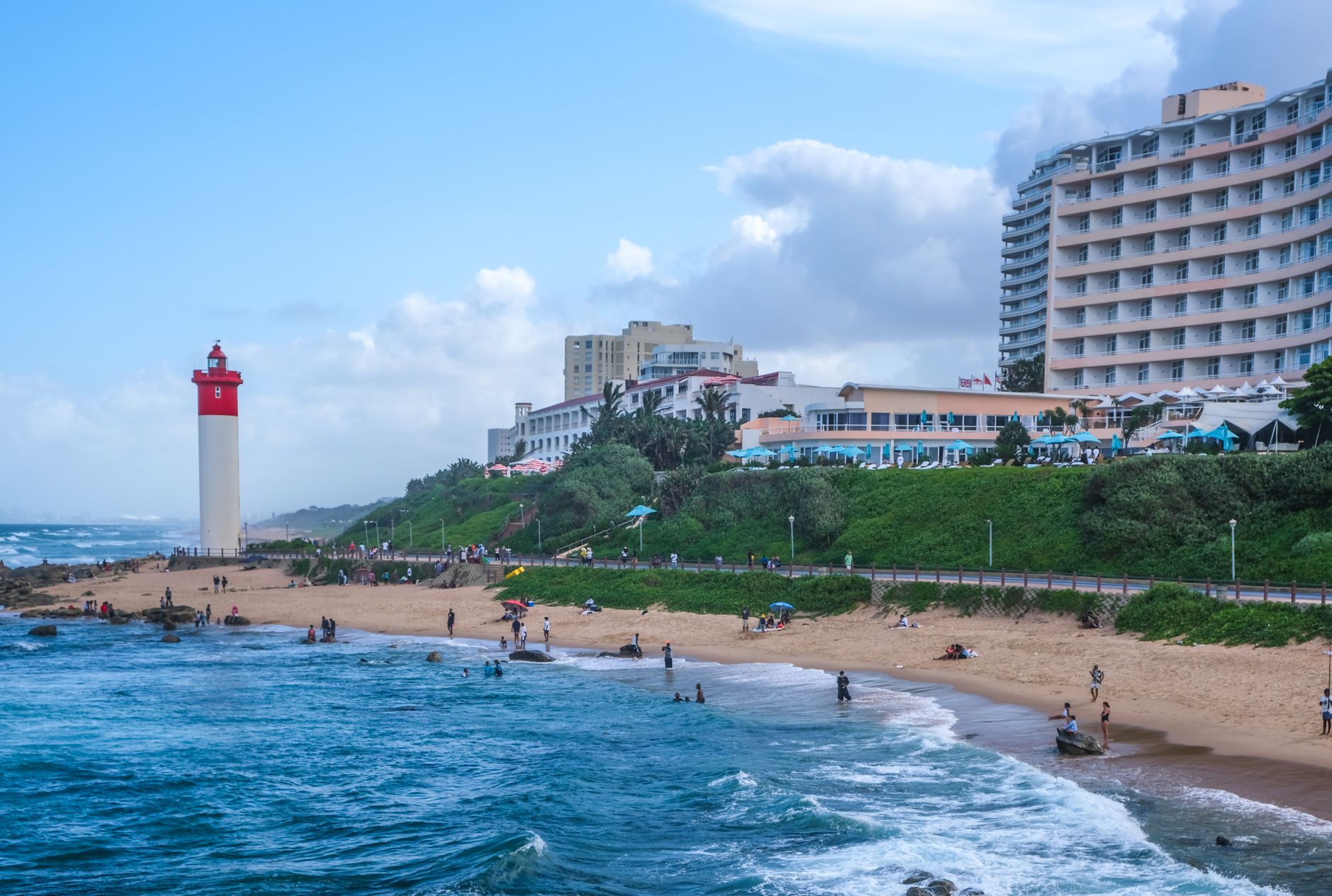
People who return tend to time it around the St Blaize Trail — 13 kilometres along the cliff edge from the cave mouth at Pinnacle Point to Dana Bay, with fynbos pressing in from one side and the ocean dropping away on the other. The lighthouse at Cape St Blaize is worth the short walk up, and the caravel replica in the Dias Museum Complex rewards a slow look.
Deals in Mossel Bay
Book directly at the provider

How Mossel Bay came to be
On 3 February 1488, Bartolomeu Dias became the first European to set foot on South African soil here, naming the bay Angra dos Vaqueiros — the Bay of Cowherds — for the Khoi pastoralists he found on the shore. Nine years later, Vasco da Gama arrived, renamed it Aguada de São Bras after Saint Blaise, and bartered an ox for a red cap and bracelets. In 1501, Portuguese navigator Pedro d'Ataide left a letter tucked in a shoe inside a milkwood tree, and the tradition held: sailors passing the Cape stopped to read and leave correspondence for years afterward. That tree still stands.
The Dutch admiral Paulus van Caerden gave the bay its present name in 1601 — Mosselbaai, likely because his crew supplemented their rations with mussels gathered from the rocks. The British established the formal town in 1848, briefly calling it Aliwal South before common sense prevailed. A granary and port had already been operating since 1787, and the earliest surviving buildings, Munro's Cottages, went up in 1830.
Who and what shaped it
People who shaped it
Landmark buildings
See Mossel Bay in motion
Plan your visit
On the map
When to go
Mossel Bay sits in one of South Africa's most temperate zones, with warm summers from December to February and mild, occasionally wet winters. The Garden Route's rainfall is spread fairly evenly through the year, so there is no single bad season — though the shoulder months of March to May and September to October tend to offer calm seas and uncrowded trails.
Right now
Background & history adapted from Wikipedia (CC BY-SA) · specs from Wikidata (CC0) · weather from Open-Meteo · map data © OpenStreetMap contributors · photos from Wikimedia Commons / Unsplash with per-image credit. No third-party reviews or social posts reproduced.