
Moravian Karst
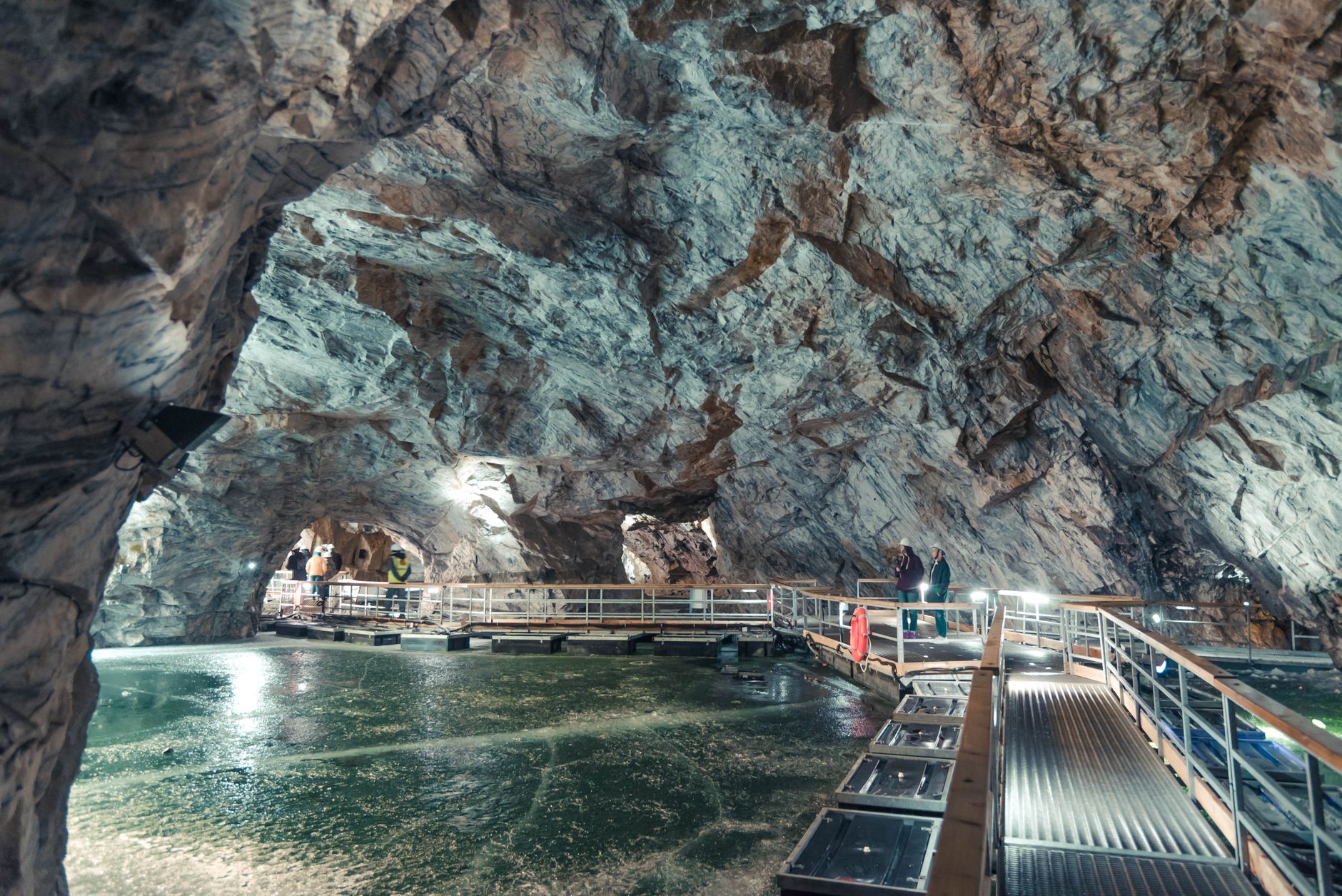
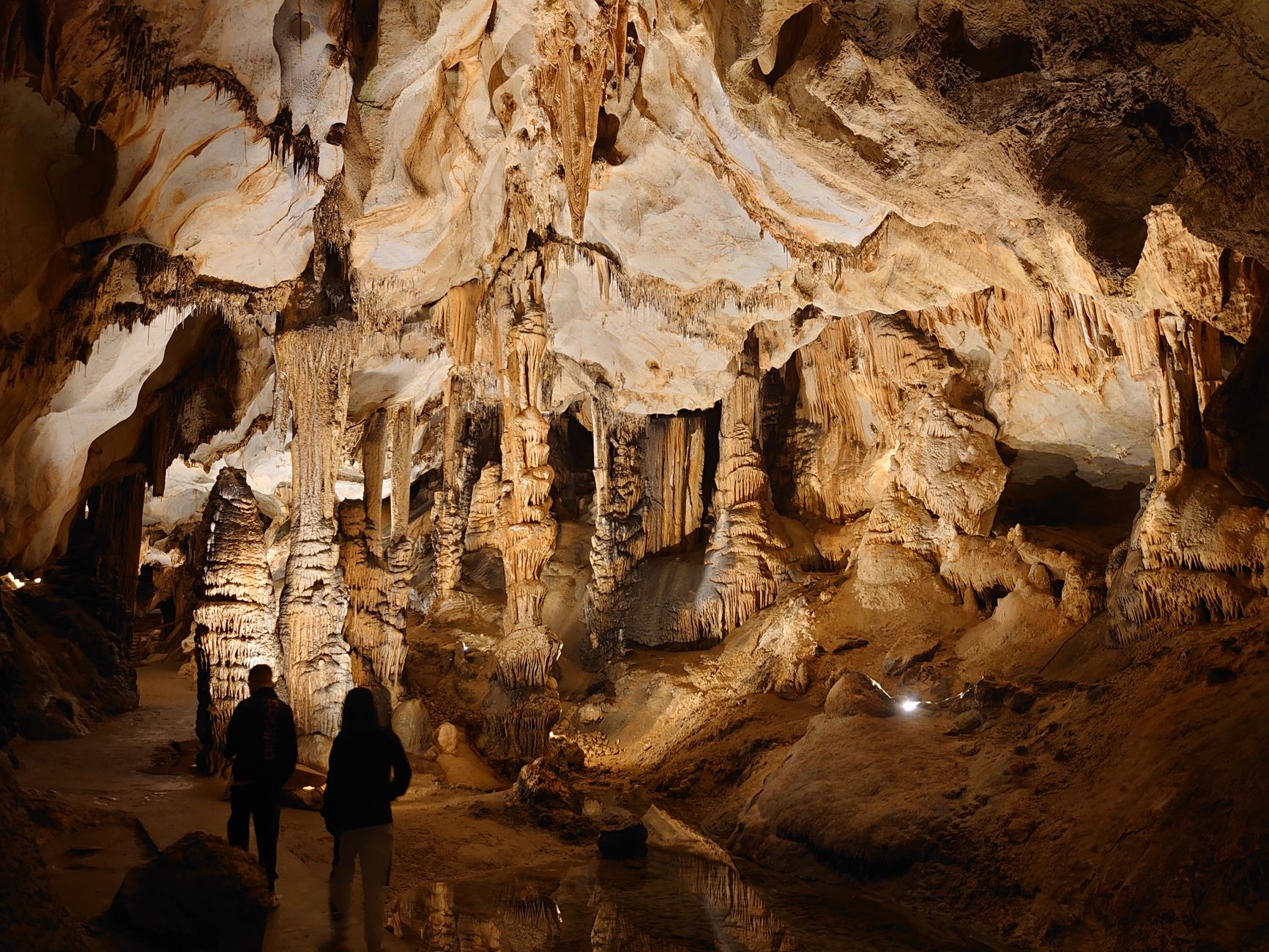
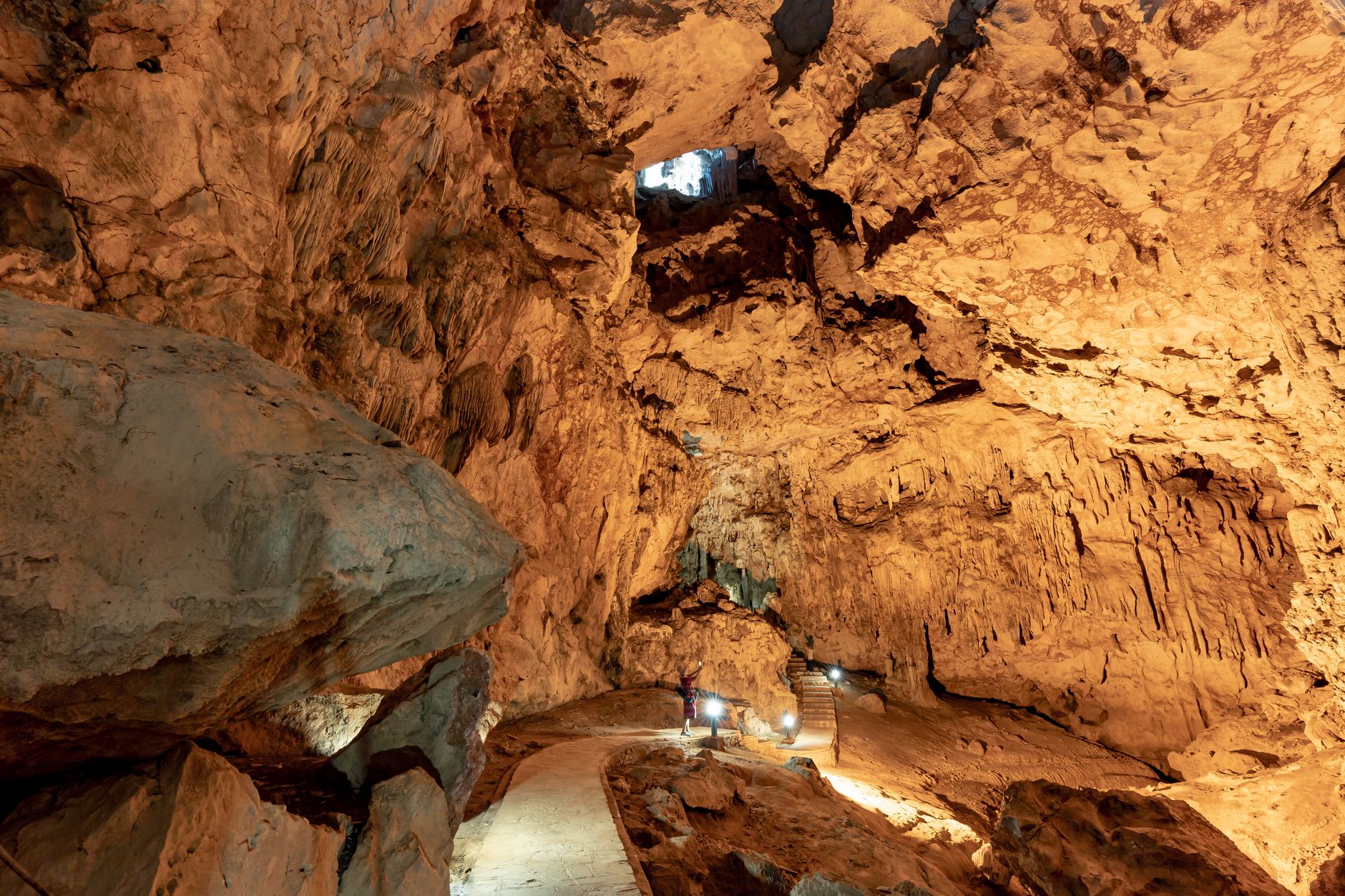
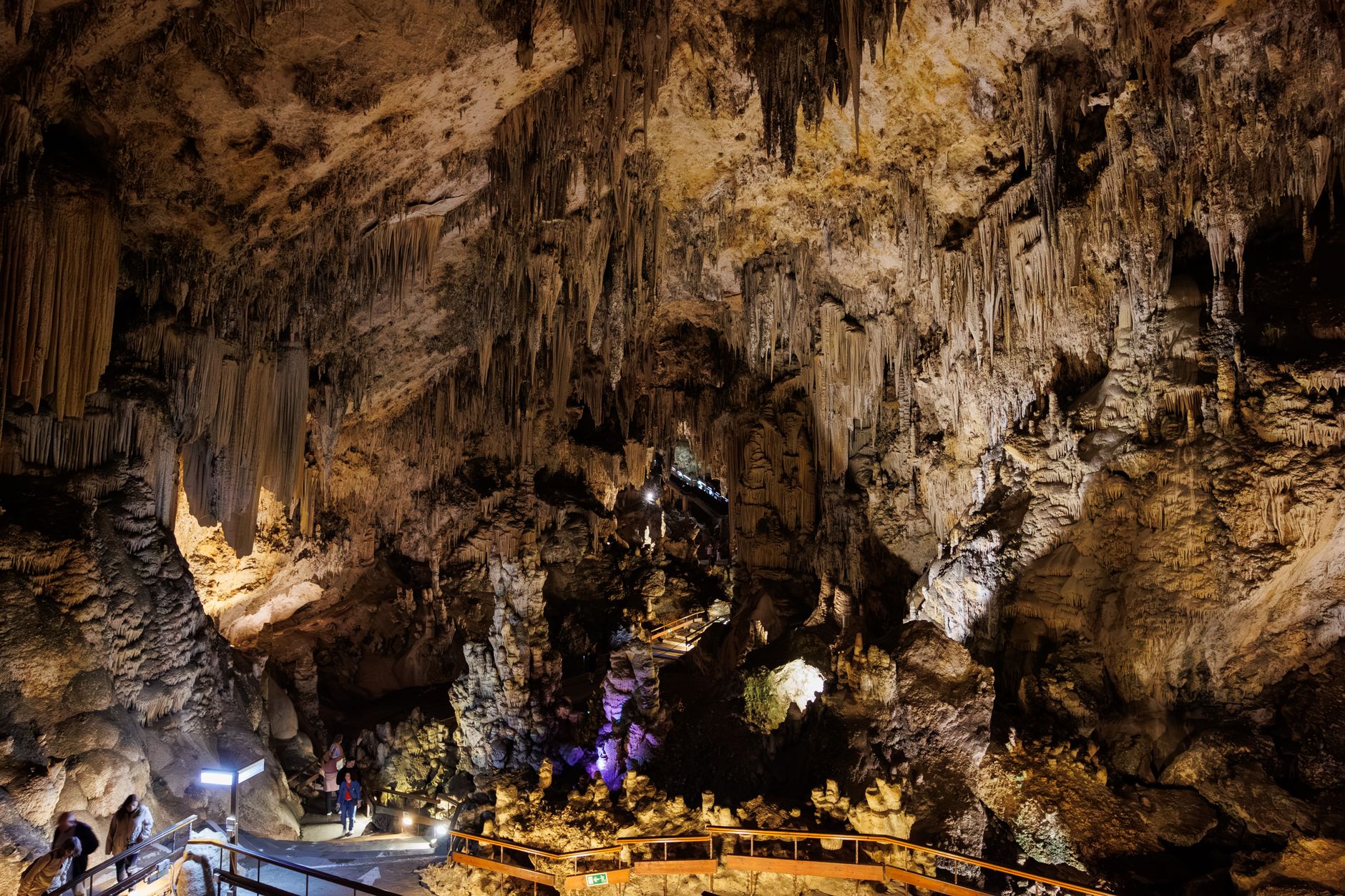
Somewhere below the fields of southern Moravia, the Punkva River runs in the dark. The Moravian Karst is a strip of Devonian limestone roughly 20 kilometres long and three to five kilometres wide, and beneath it lies one of Central Europe's most elaborate underground systems — gorges, sinkholes, rivers, and caves that have been drawing people in since the Palaeolithic. Five of them are open to the public, each with its own character: one has a boat ride, one hosts concerts, one was a Cold War military bunker.
Above ground, the landscape is all canyon and forest — Pustý žleb and Suchý žleb are closed to cars, so you walk them quietly. The centrepiece is Macocha Abyss, a collapsed cave ceiling 138 metres deep. You can look down from the top, or ride a boat on the underground river to look up.
💛 What travellers fall for
People who come back tend to split the caves across two days rather than rushing them. Sloupsko-Šošůvské is the one most visitors skip — it's the furthest out and the largest accessible cave in the country, nearly 1,800 metres of walking. Book Punkva well ahead; the boat fills fast. Kateřinská is the quiet one, and the stalagmites there are unlike anything else in the region.
How Moravian Karst came to be
People have been using these caves for a very long time. Neanderthals sheltered here more than 120,000 years ago, and engravings from the Magdalenian culture mark the end of the Palaeolithic period. Through the Roman era and the Great Moravian Empire, the area above ground was worked for iron ore. The caves themselves were documented in writing as far back as 1608 — Výpustek was recorded then as the 'Dragon Cave near Křtiny.'
Systematic exploration came much later. Karel Absolon discovered the Punkva Caves and their connection to the Macocha Abyss in the early twentieth century, opening the underground river to visitors for the first time. The region was declared a protected landscape area in 1956, though parts remained a strictly guarded military zone until 2001. As of 2025, the Czech government is pursuing UNESCO World Heritage status for the Punkva and Kateřinská caves together with Macocha.
Who and what shaped it
People who shaped it
Landmark buildings
See Moravian Karst in motion
Plan your visit
On the map
When to go
The Karst follows a standard Central European pattern — warm summers, cold winters, and pleasant shoulder seasons on either side. Whatever the month above ground, dress for 7–10°C once you go underground.
Right now
Background & history adapted from Wikipedia (CC BY-SA) · specs from Wikidata (CC0) · weather from Open-Meteo · map data © OpenStreetMap contributors · photos from Wikimedia Commons / Unsplash with per-image credit. No third-party reviews or social posts reproduced.