
Montego Bay
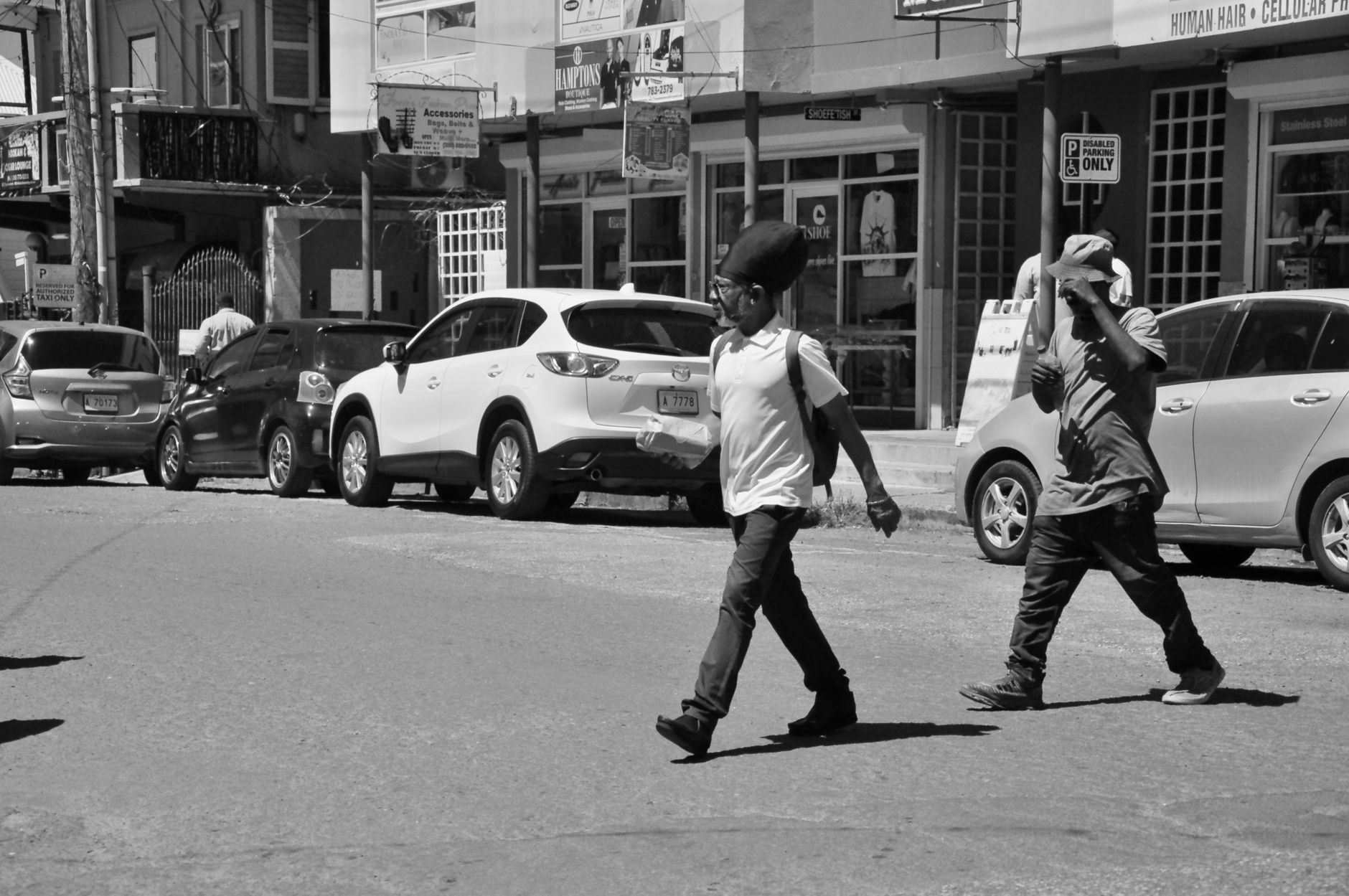
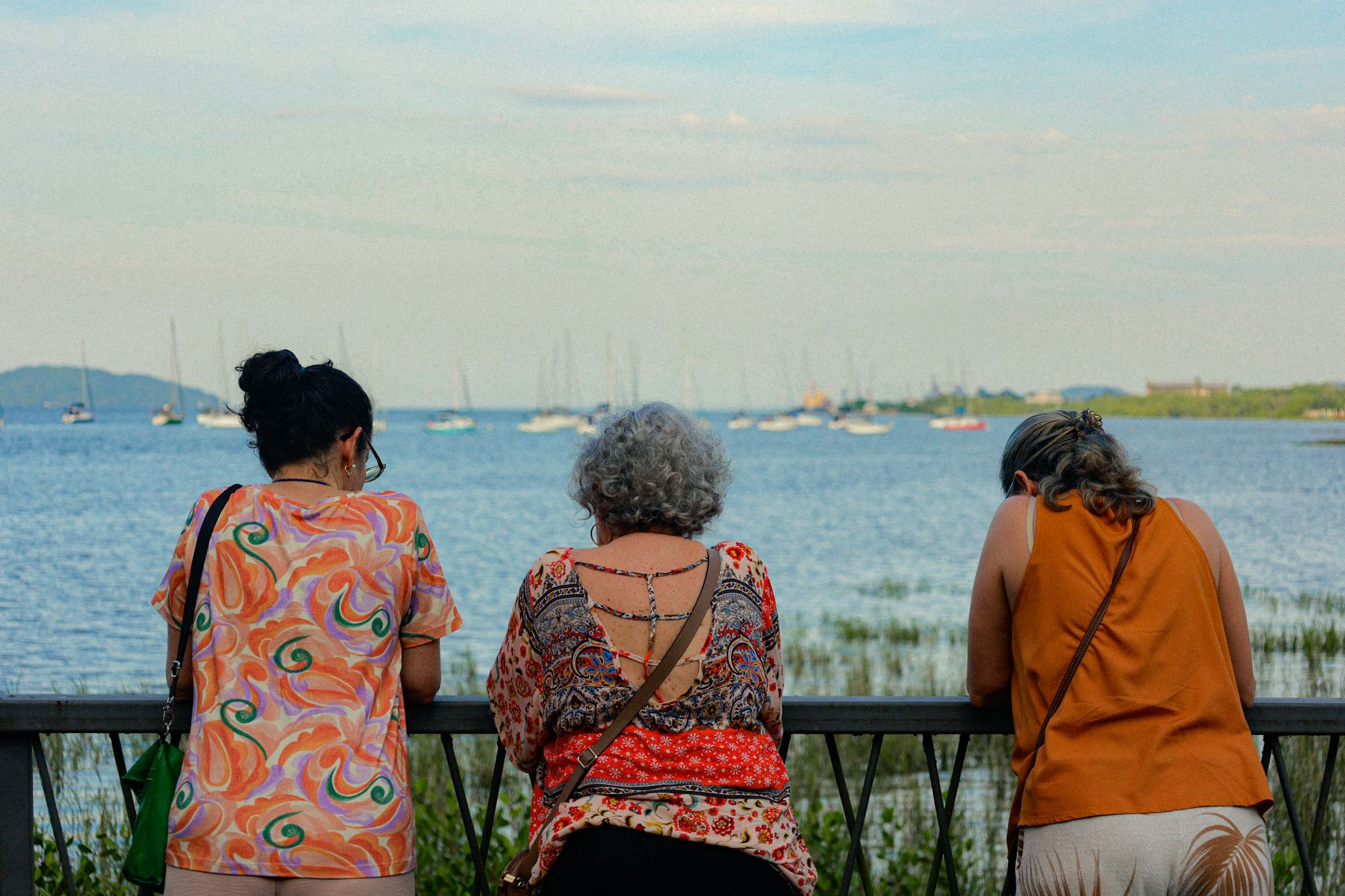
Montego Bay's name tells you something true about it: the Spanish called this bay 'Bahía de Manteca' — Butter Bay — for the lard they shipped from its shores, a detail far stranger and more honest than any postcard version. Today it's Jamaica's second city and the island's main point of entry, the place where most visitors land before fanning out to Negril or Ocho Rios. Many stay, and with reason.
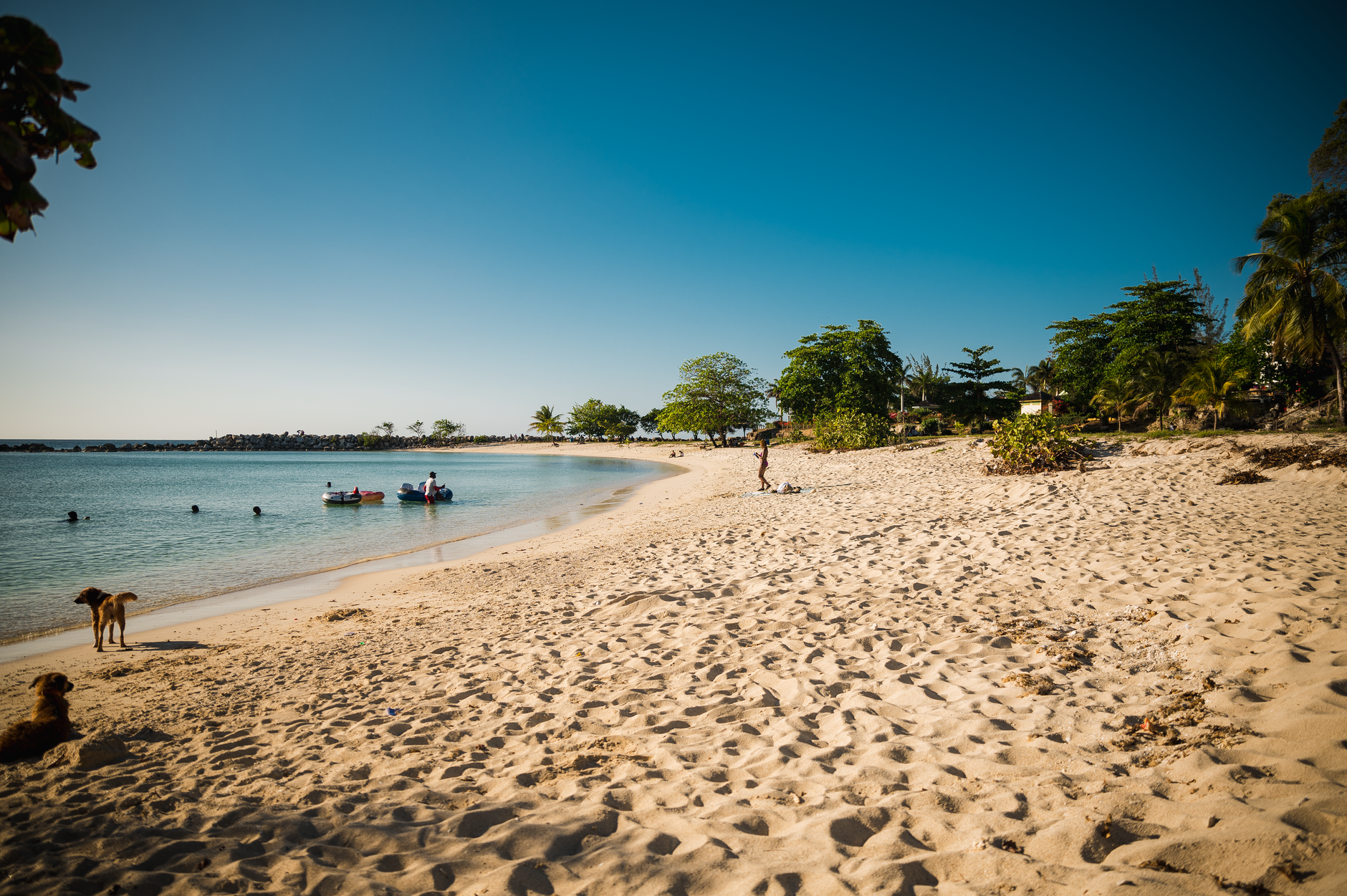
The city runs from the cruise-ship piers and the white-sand strip of Doctor's Cave Beach up into the hills of St. James Parish, where Georgian cut-stone buildings and old plantation roads sit alongside everyday Jamaican life. It rewards the traveller who looks past the resort corridor.
💛 What travellers fall for
People who come back tend to walk Sam Sharpe Square early, before the heat settles, when the statue of the Baptist preacher stands quiet and the market stalls are just opening. They know to sort a taxi fare before getting in, and they leave at least one afternoon for the older streets downtown rather than the beach.
How Montego Bay came to be
Columbus sailed into this bay in 1494, though it was the Spanish who built the first permanent settlement after 1510, exporting pigs' lard in such quantities that the name Bahía de Manteca stuck for generations. The British took Jamaica in 1655, and St. James Parish was formally established in 1671. Sugar followed, and with it the full brutality of plantation slavery.
The event that changed everything happened here in 1831: Samuel Sharpe, a Baptist deacon, led the Christmas Rebellion — the largest slave uprising in Jamaican history. He was hanged in 1832, but the revolt accelerated the abolition of slavery across the British Empire. Sharpe was named a national hero in 1975, and the square at the centre of the city carries his name.
Who and what shaped it
People who shaped it
Landmark buildings
See Montego Bay in motion
Plan your visit
On the map
When to go
Montego Bay runs warm year-round — daytime highs between 29°C and 32°C (84–90°F), with nights rarely dropping below 22°C (72°F). The wetter season runs May through October; if you prefer drier skies and slightly cooler air, December through April is the steadier choice.
Right now
Background & history adapted from Wikipedia (CC BY-SA) · specs from Wikidata (CC0) · weather from Open-Meteo · map data © OpenStreetMap contributors · photos from Wikimedia Commons / Unsplash with per-image credit. No third-party reviews or social posts reproduced.