Region

Mexico City

Mexico City
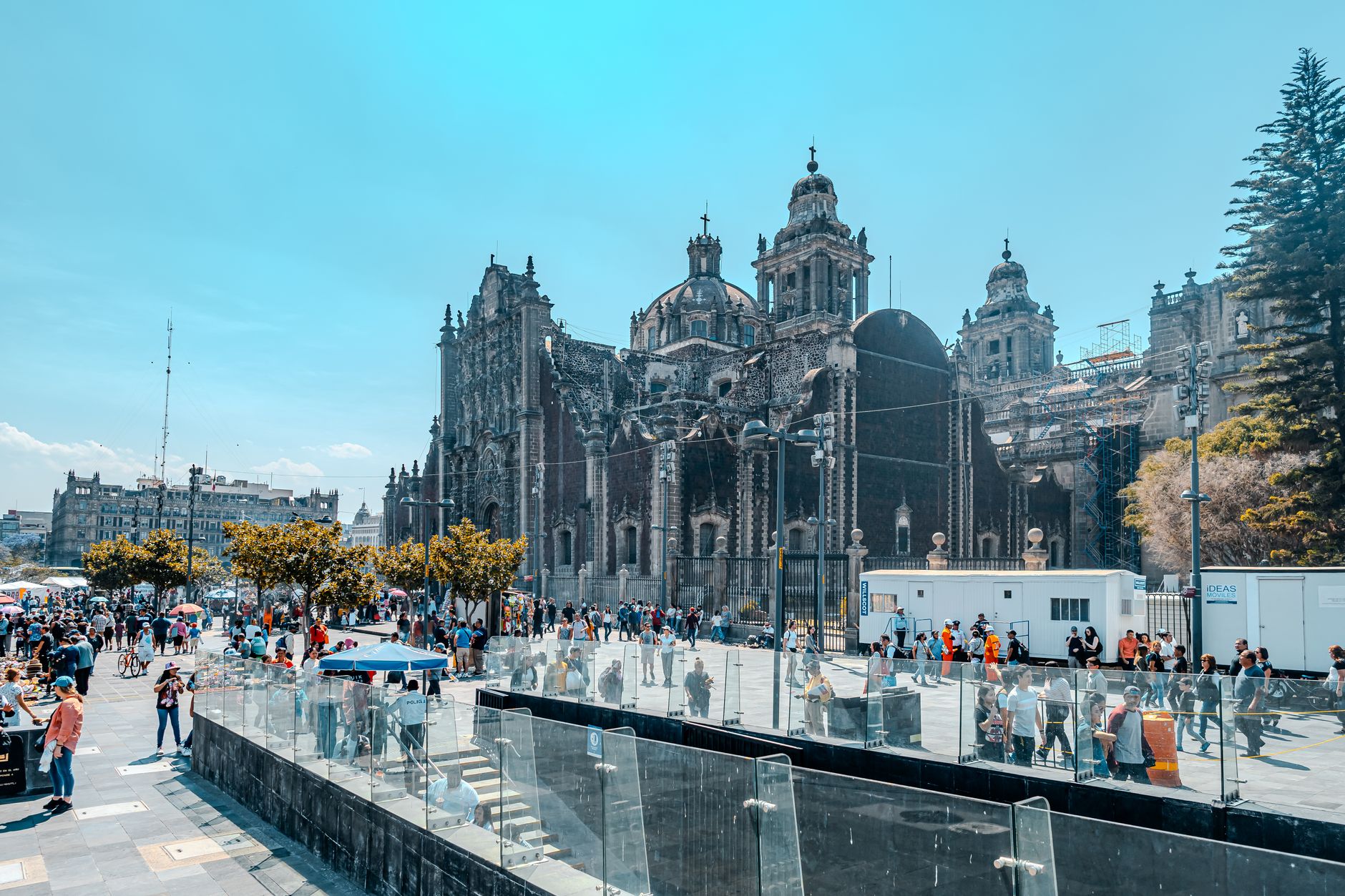
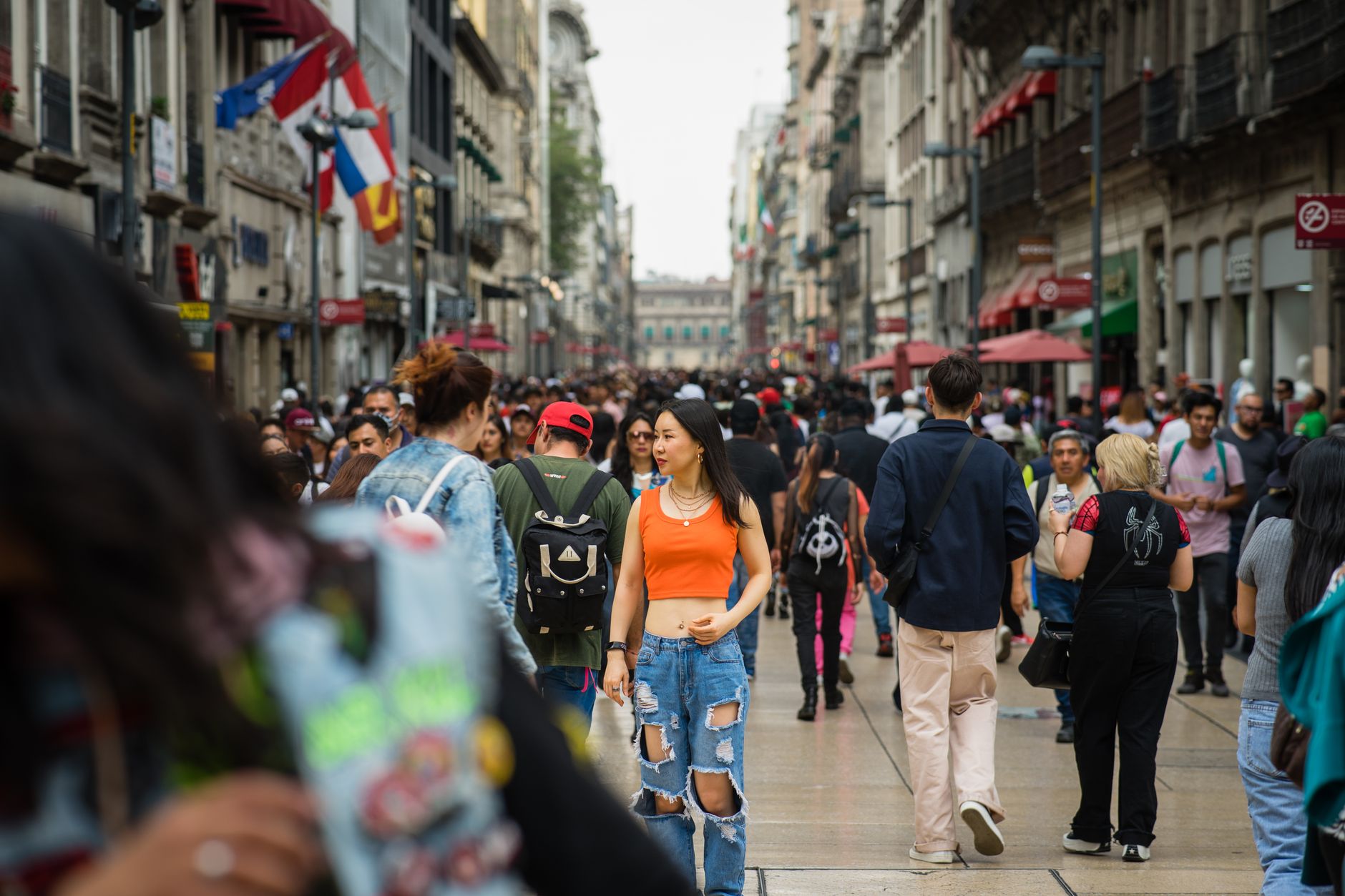
Photo by Jimmy Elizarraras on Pexels
Mexico City
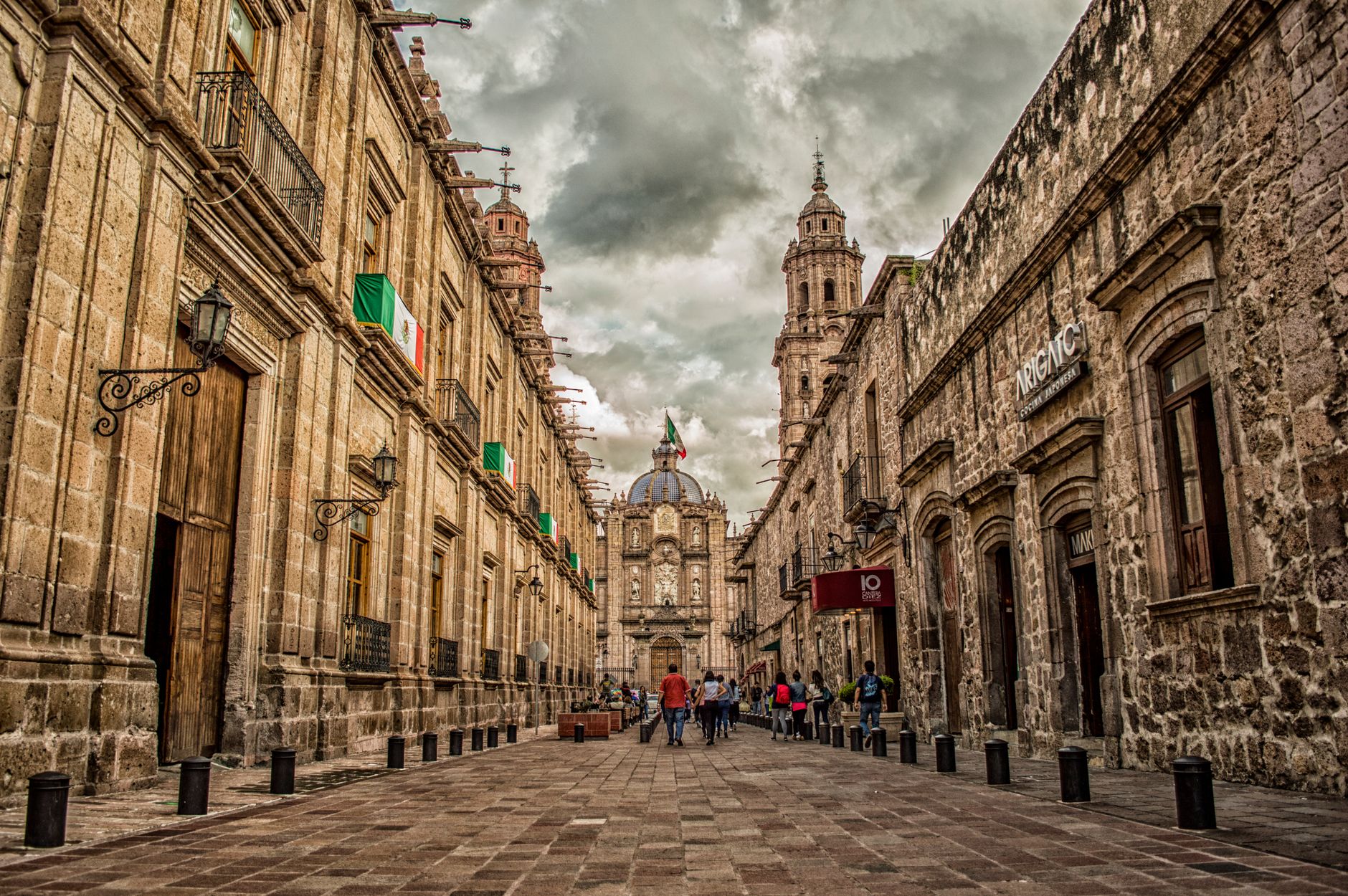
Photo by Jimmy Elizarraras on Pexels
Mexico City
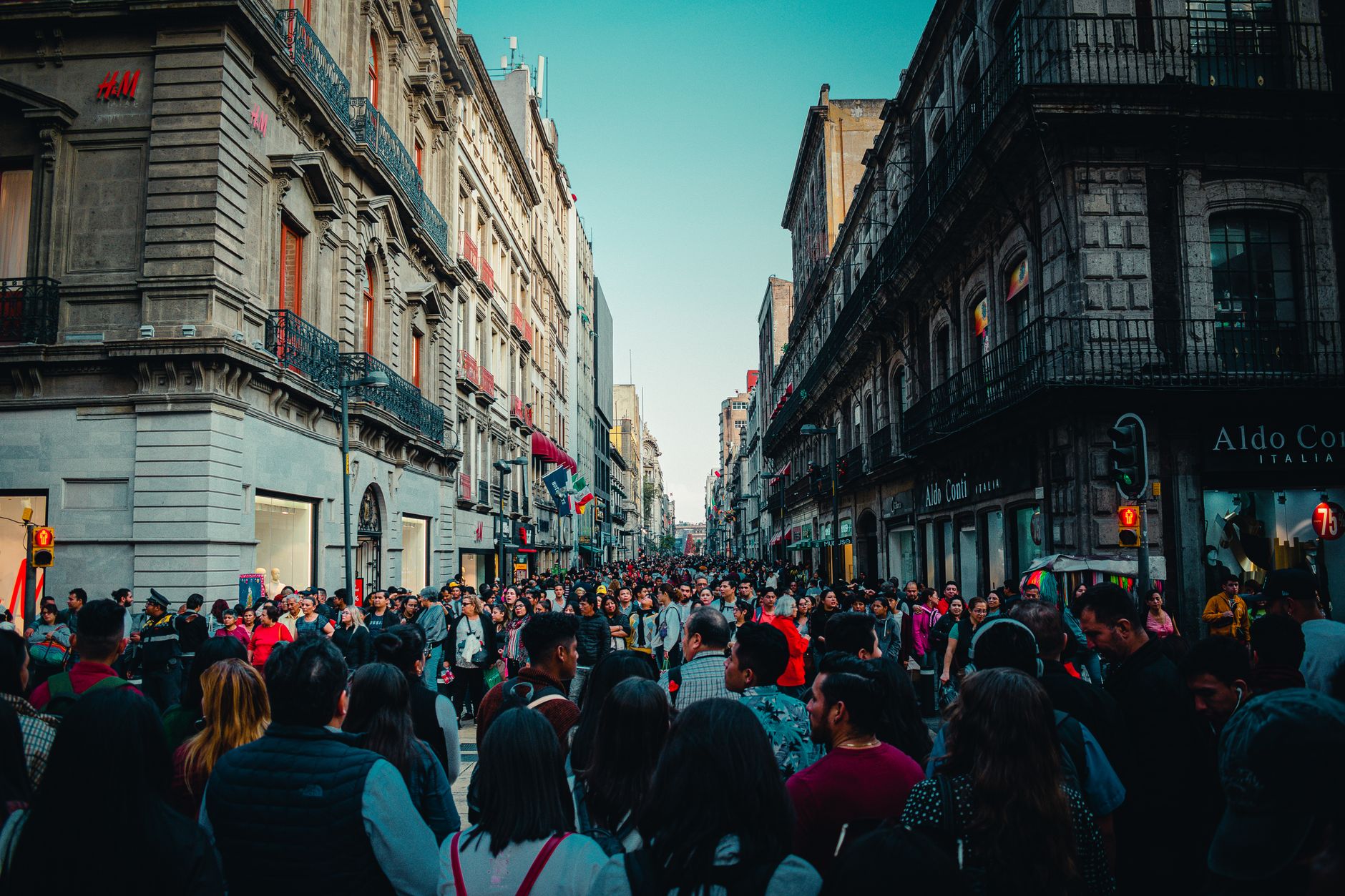
Photo by Genaro Servín on Pexels
Mexico City
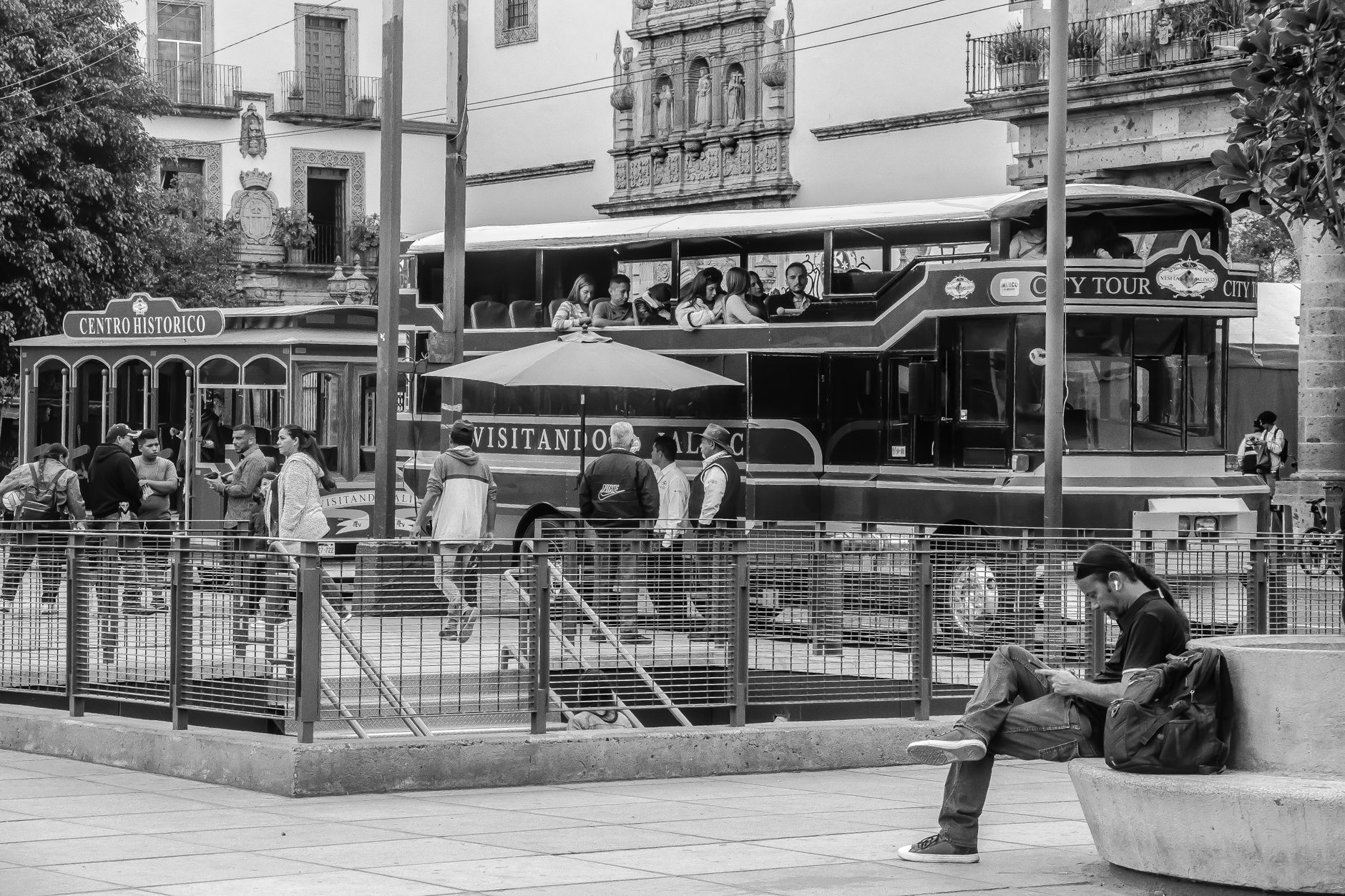
Photo by Yago de Oliveira on Pexels
Mexico City
Photo by Javier Flores on Pexels
Mexico City
Photo by Julio Lopez on Pexels
City break Culture & history Food & drink

Mexico City sits on the bed of a drained lake, and once you know that, the whole place makes a different kind of sense — the slight subsidence of old buildings, the grid that still follows Aztec causeways, the way history keeps surfacing underfoot. This is one of the largest cities on earth, and also one of the oldest continuously inhabited, with a Templo Mayor buried beneath its colonial center and Diego Rivera murals covering the walls of a 16th-century palace.

It rewards slowness. A single neighborhood — Condesa, Coyoacán, Centro Histórico — can fill a day without effort. The Metro will take you almost anywhere for about 25 cents a ride.

💛 What travellers fall for

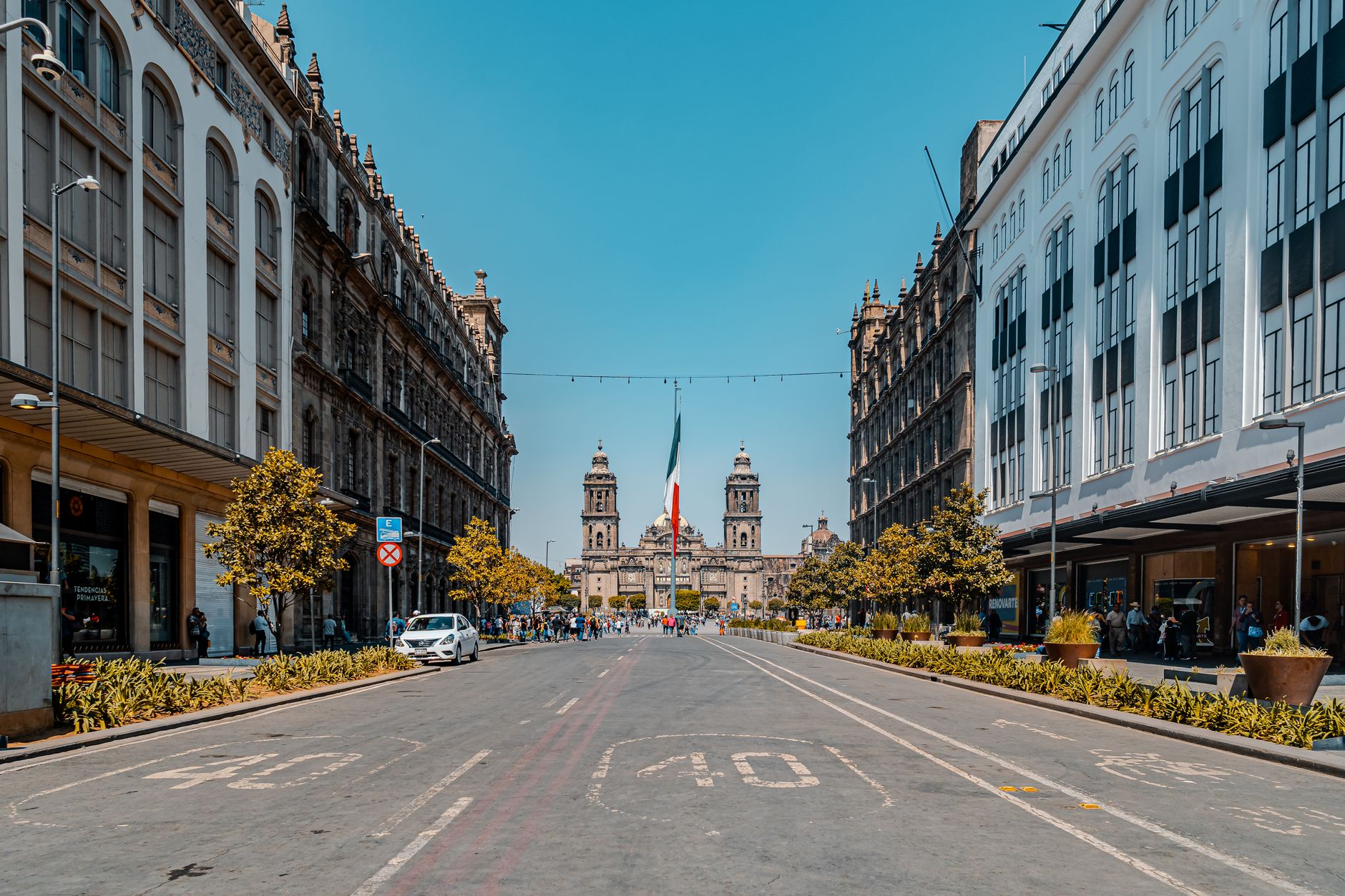
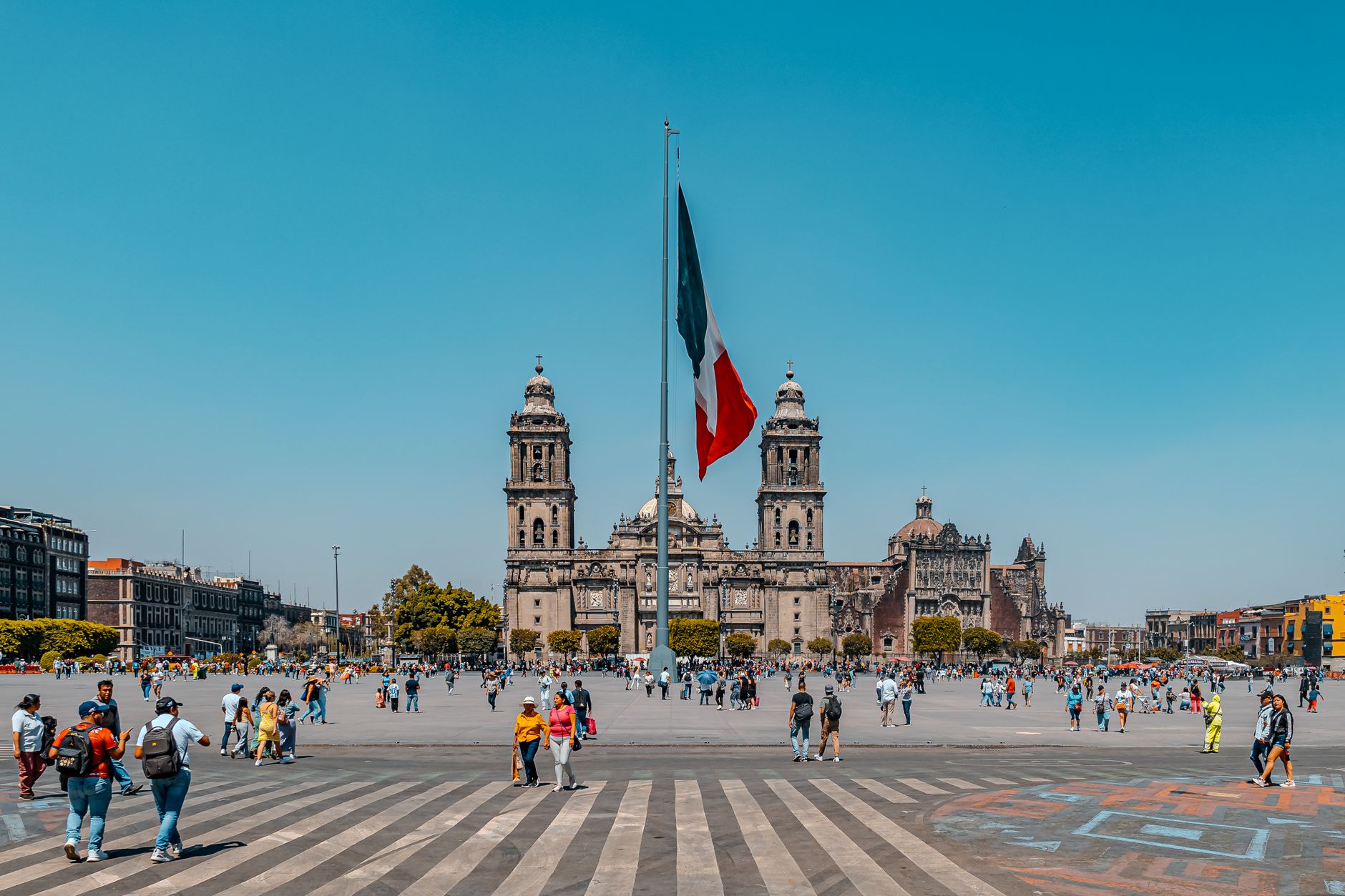
People who return tend to pick a base neighborhood and treat it like a local. The Metro's 12 lines and 195 stations make cross-city movement genuinely easy once you have your transit card — buy one at the station, load it once, and stop thinking about fares. Mornings at the Zócalo, before the crowds arrive, are worth the early alarm.

Good to know
Fly into Benito Juárez International Airport, which sits within the city proper. The Metro runs daily from 5 a.m. to midnight and covers most major sites. Altitude sits around 2,240 meters — take the first day gently if you're coming from sea level.
The story

How Mexico City came to be

Around 1325, the Mexica people built Tenochtitlan on a small island in Lake Texcoco — a city that by 1519 held somewhere between 100,000 and 200,000 inhabitants, making it one of the largest urban centers in the world at the time. The Spanish, allied with Indigenous groups long chafing under Aztec rule, laid siege for 93 days before the Mexica surrendered on August 13, 1521.

The conquerors built their capital directly over the rubble. The municipality was formally established in 1524 as México Tenochtitlán, and from 1585 onward carried its current name, Ciudad de México. The Zócalo still occupies the site of Tenochtitlan's original central plaza, and the Templo Mayor — rediscovered in 1978 — lies just steps from the colonial cathedral built partly from its stones.

People & landmarks

Who and what shaped it

People who shaped it

Diego Rivera
Created interior murals in the Palacio Nacional depicting Mexico's history from ancient civilizations to the modern era.
Pedro Ramírez Vázquez
Designed the Museo Nacional de Antropología, completed in 1964.
Luis Barragán
Architect whose home and studio, Casa Barragán (1948), is a UNESCO World Heritage site near Condesa.
Juan O'Gorman
Designed UNAM Central Library (1953), a UNESCO World Heritage site featuring 43,000 square feet of stone mosaic murals.
Adamo Boari
Italian architect who built the Palacio de Correos (1902–1907), Mexico City's central post office.

Landmark buildings

Templo Mayor
Main temple of Tenochtitlan, rediscovered in 1978; UNESCO World Heritage Site steps from the colonial cathedral.
Palacio Nacional
16th-century Spanish viceregal residence; now the official seat of Mexican government with Diego Rivera murals inside.
Museo Nacional de Antropología
Completed 1964; modernist building with extensive pre-Columbian artifacts and archaeological collections.
Palacio de Bellas Artes
Completed 1934 on the edge of Alameda Central; replaced the Gran Teatro Nacional on the same site.
Ciudad Universitaria
UNAM's main campus completed 1954; UNESCO World Heritage Site (2007) with stadium, library, and museums.
UNAM Central Library
Designed by Juan O'Gorman (1953); UNESCO World Heritage Site with 43,000 sq ft of stone mosaic murals.
Biblioteca Vasconcelos
Opened 2006; designed by Alberto Kalach and Juan Palomar; major contemporary library project.
Casa Barragán
Luis Barragán's 1948 home and studio near Condesa; UNESCO World Heritage site demonstrating his mastery of light and color.
Palacio de los Deportes
Completed 1968 for basketball at the Mexico City Olympic Games; copper-clad plywood roof on aluminium and steel frame.
Palacio de Correos
Built 1902–1907 by Italian architect Adamo Boari; served as the city's central post office.
Zócalo (Plaza de la Constitución)
Located at the site of Tenochtitlan's original central plaza and market; original calzadas still correspond to modern streets.
Practical

Plan your visit

On the map

When to go

Mexico City's elevation keeps temperatures mild year-round — rarely hot, rarely cold, typically 12–24°C. The rainy season runs roughly May through October, bringing afternoon downpours that usually clear by evening; the drier months from November through April see clearer skies and cooler nights.

Right now

⛈️
20°C
Storm
Fri
⛈️
23°
13°
Sat
⛈️
23°
13°
Sun
🌦️
24°
12°
Mon
⛈️
24°
13°
Weather data: Open-Meteo

Background & history adapted from Wikipedia (CC BY-SA) · specs from Wikidata (CC0) · weather from Open-Meteo · map data © OpenStreetMap contributors · photos from Wikimedia Commons / Unsplash with per-image credit. No third-party reviews or social posts reproduced.

Top