
Metro Manila
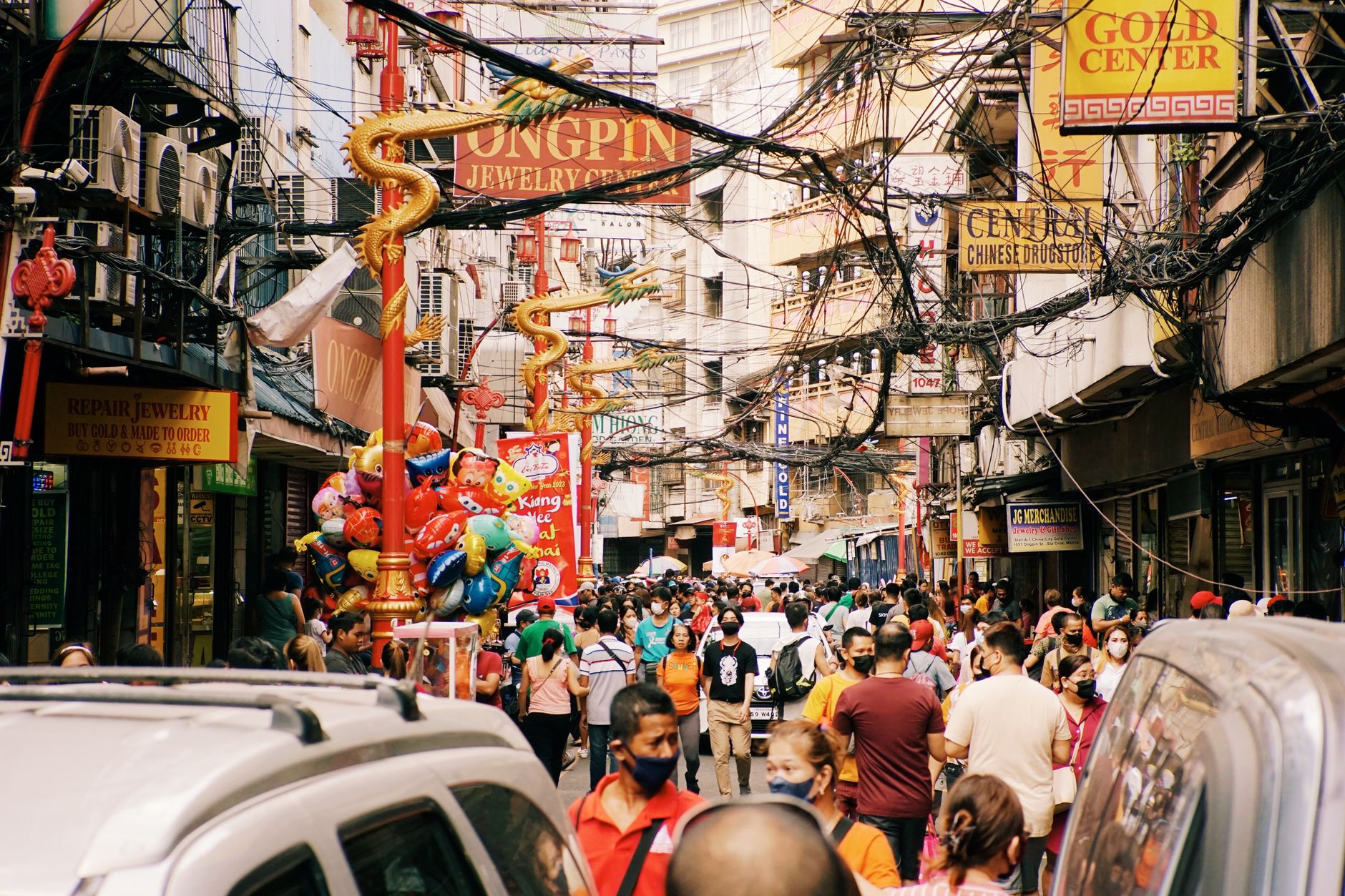
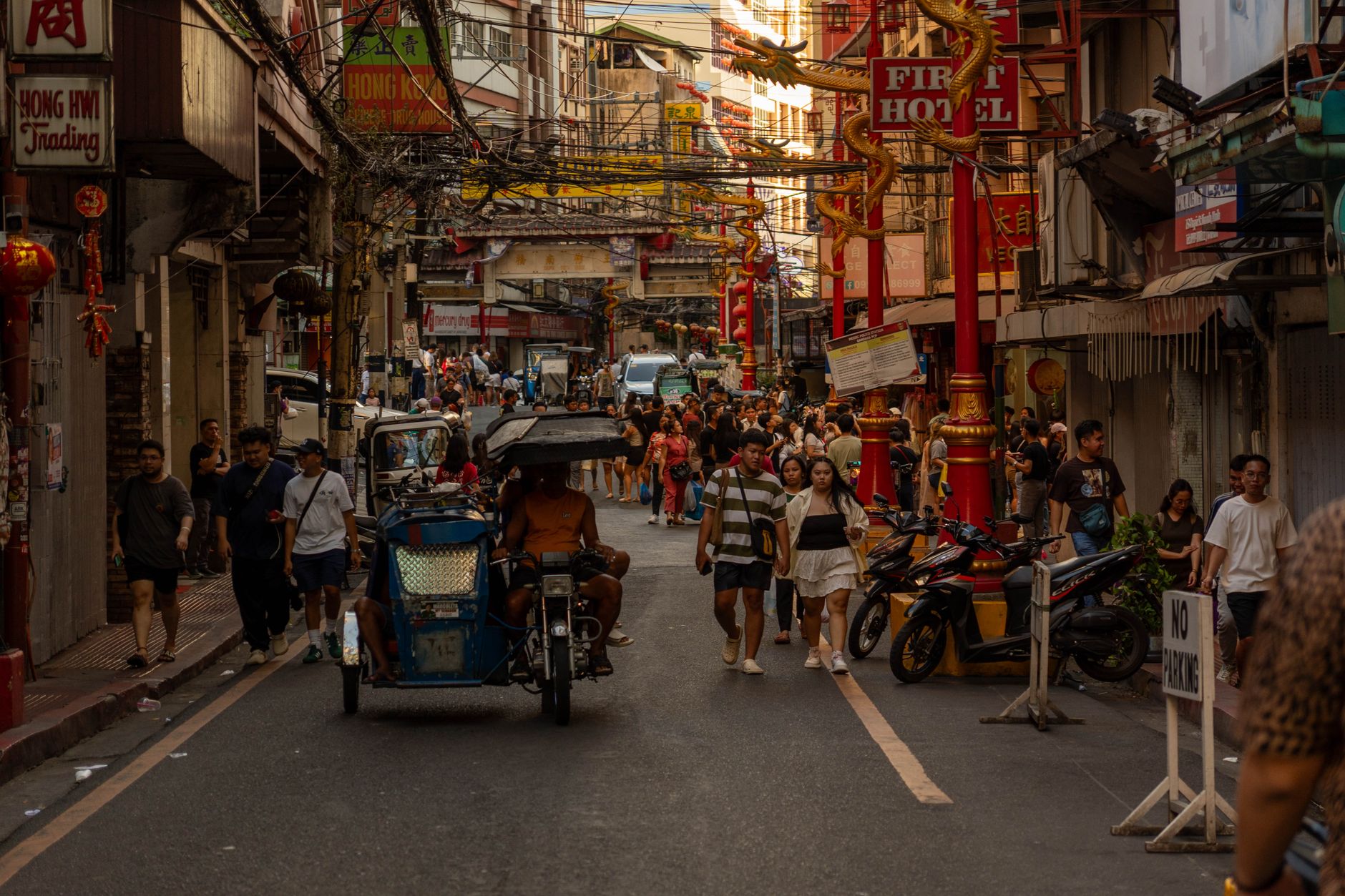
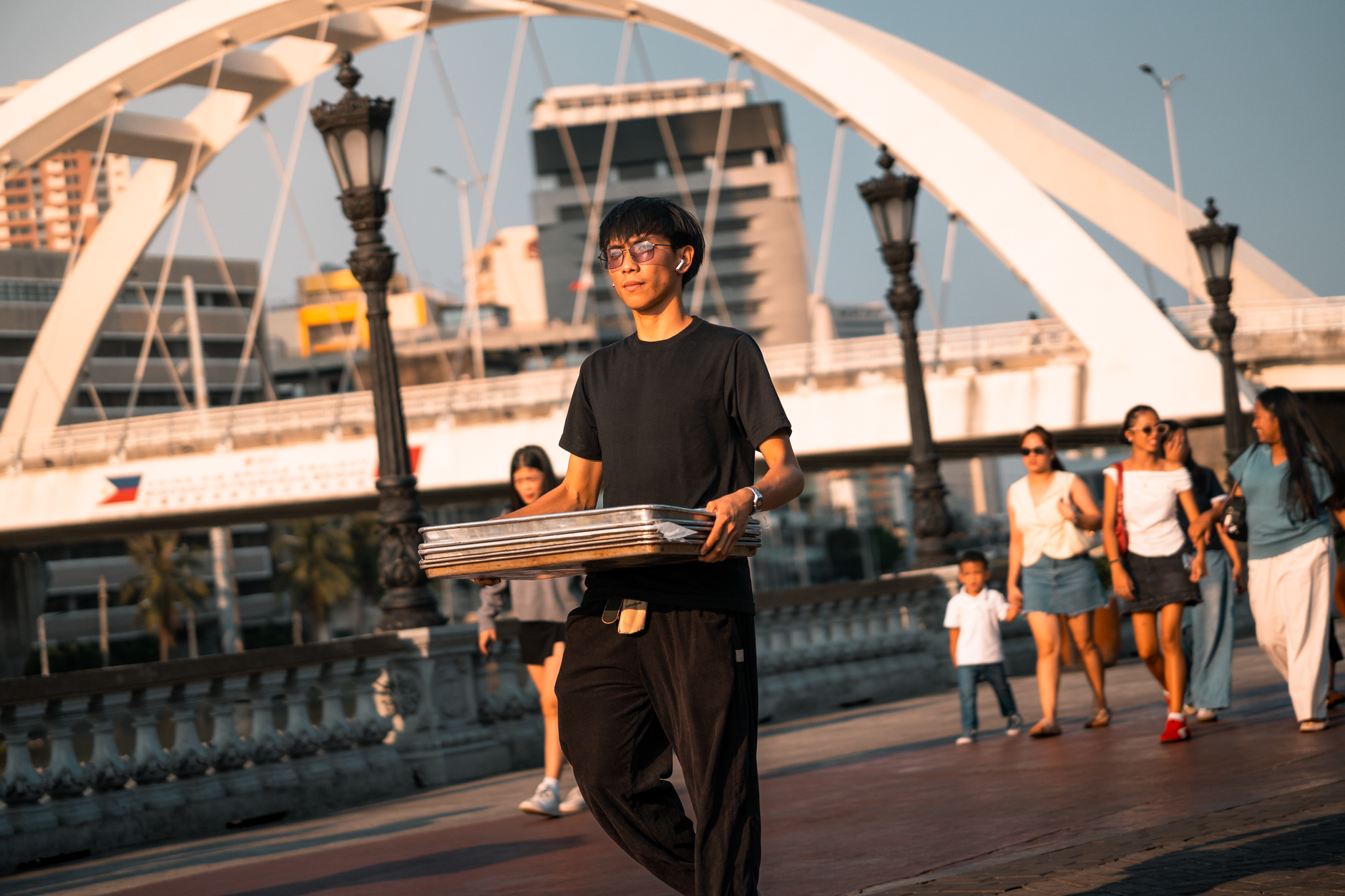
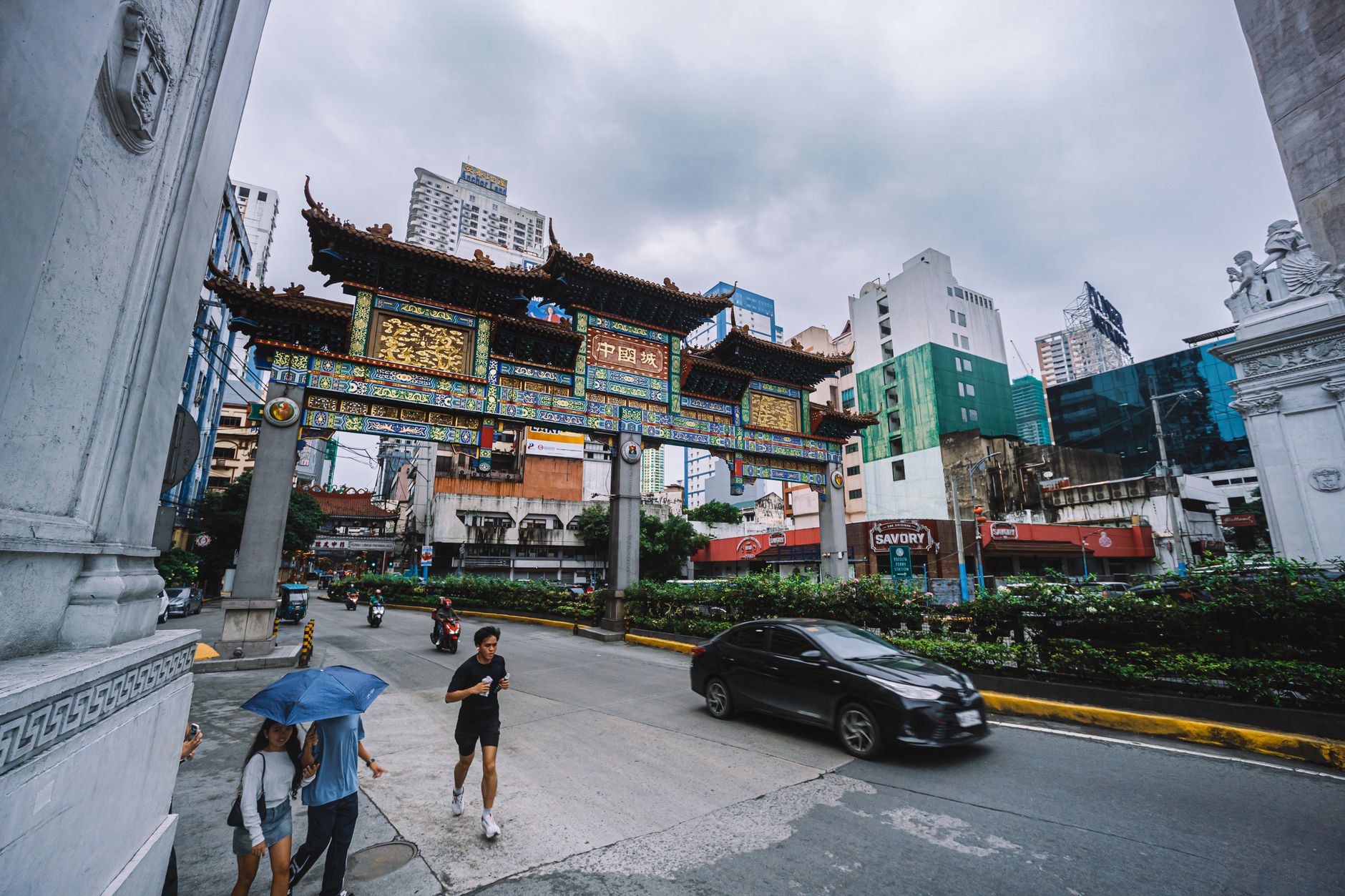
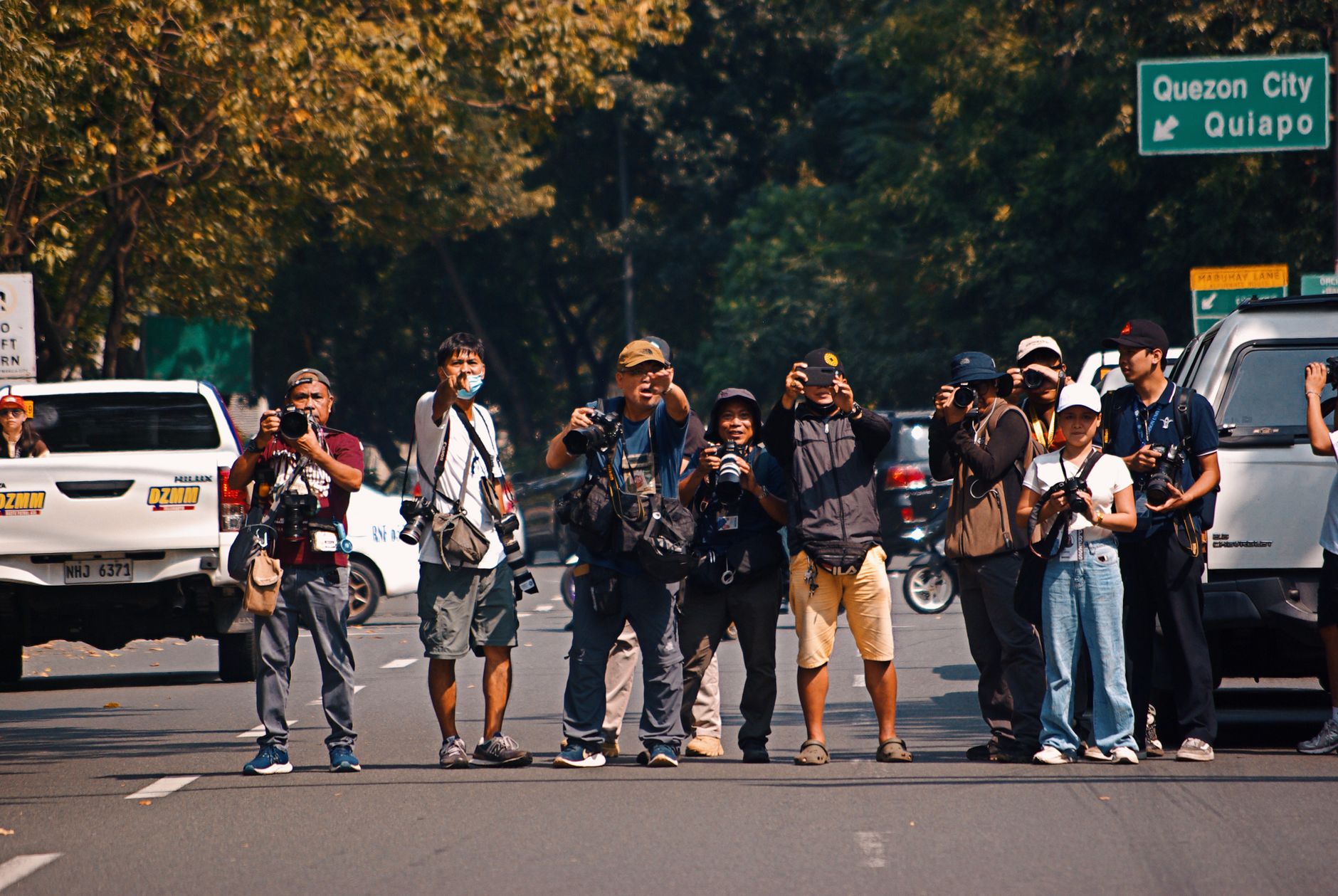
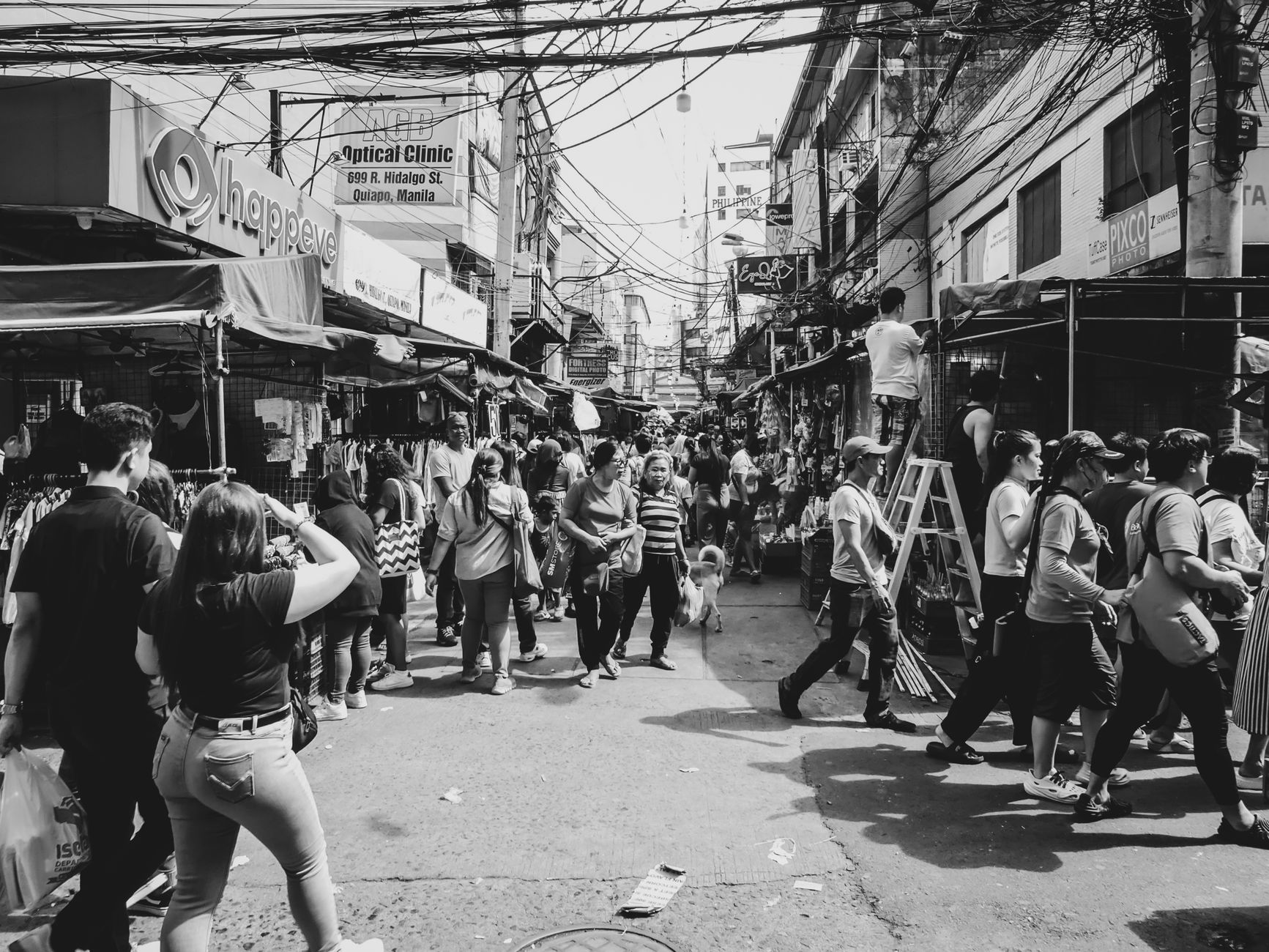
Metro Manila is where you land before the islands, but many travellers find it earns more than a single night. Sixteen cities pressed together across the northern tip of Luzon, it holds the oldest Chinatown in the world, a sixteenth-century walled city that survived three and a half centuries before the Second World War, and a rail line that cuts the length of EDSA in under an hour.
The region runs on contradiction — Intramuros's cobblestones a jeepney ride from glass-tower Makati, Binondo's century-old shophouses beside a post office with sixteen Ionic columns. Give it two or three days and the contradictions start to make a particular kind of sense.
💛 What travellers fall for
Return visitors tend to anchor in Binondo for at least one morning — the food, the pace, the Calvo Building's Beaux-Arts facade at Escolta and Soda. They also learn quickly to load a Beep card before anything else: it works on the MRT, the LRT lines, and the P2P buses, and it saves the queue every single time.
How Metro Manila came to be
A Tagalog polity called Maynila already stood here by 1258. On June 24, 1571, Spanish conquistador Miguel López de Legazpi defeated Rajah Sulayman at the Battle of Bangkusay and began raising Intramuros — a walled city that would stand for three and a half centuries before the devastation of the Second World War. Fort Santiago followed in 1590, built over the site of the pre-Hispanic king's palace; San Agustín Church, the oldest in the Philippines and now a UNESCO World Heritage Site, dates to the same century.
Metro Manila as an administrative unit came much later. Presidential Decree No. 824, signed November 7, 1975, stitched together four cities and thirteen municipalities under a Metropolitan Manila Commission. Three years on, Presidential Decree No. 1396 formally named it the National Capital Region. All but one of the original municipalities have since become chartered cities in their own right.
Who and what shaped it
People who shaped it
Landmark buildings
See Metro Manila in motion
Plan your visit
On the map
When to go
Metro Manila has two broad seasons: a dry period from roughly November through April, and a wet season from May through October when typhoons can bring serious flooding. November to February is the most comfortable window — lower humidity, cooler evenings, and the least rain.
Right now
Background & history adapted from Wikipedia (CC BY-SA) · specs from Wikidata (CC0) · weather from Open-Meteo · map data © OpenStreetMap contributors · photos from Wikimedia Commons / Unsplash with per-image credit. No third-party reviews or social posts reproduced.