
Medina
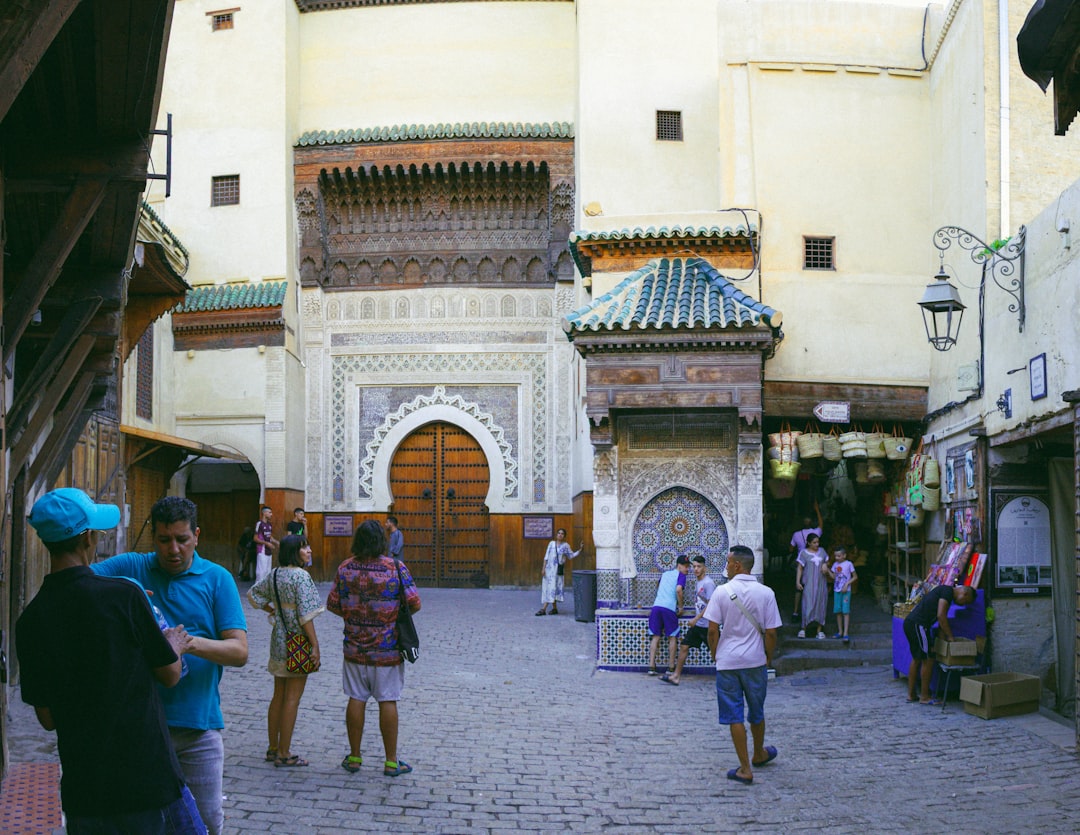
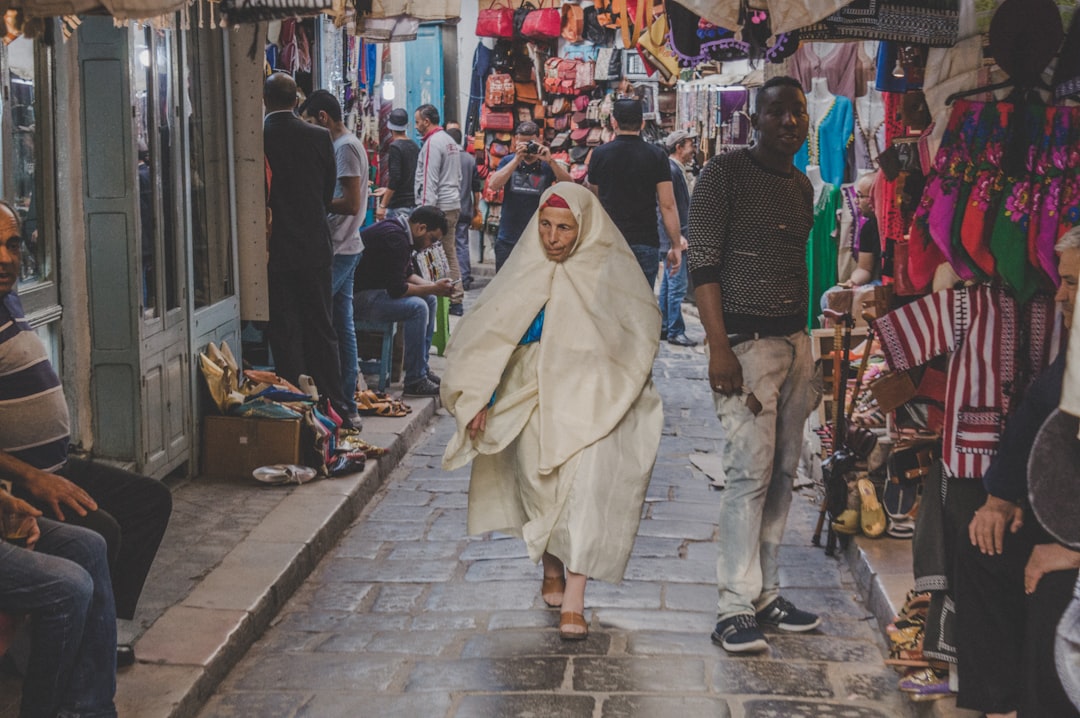
Medina holds a particular kind of gravity. The city was called Yathrib before 622 CE, when the Prophet Muhammad arrived after his flight from Mecca and the place was remade — its name, its purpose, its place in history all changed at once. That year also saw the founding of Al-Masjid al-Nabawi, which still stands at the city's center, its Green Dome visible long before you reach its gates.
For the roughly two million Muslims who arrive during Hajj season and the millions more who come at other times of year, this is one of the two holiest cities on earth. Non-Muslims are welcome in Medina itself, though the sacred precincts of the mosque are restricted. The city rewards a slow pace and genuine curiosity about early Islamic history.
How Medina came to be
Before Islam, Medina was Yathrib — a settled oasis with three Jewish tribes, the Banu Quynuqa, Banu Qurayza, and Banu Nadir, among its inhabitants. In 622 CE the Prophet Muhammad arrived from Mecca with his followers, an event known as the Hijrah, and the city was transformed into the seat of the first Muslim community. Within a year, Quba Mosque and Al-Masjid al-Nabawi were built; a year after that, Masjid al-Qiblatayn marked the moment the direction of prayer shifted from Jerusalem to the Kaaba in Mecca.
The city passed through Ottoman governance, a brief Egyptian period under Muhammad Ali, and Hashemite control before the Saʿud dynasty took Medina in 1925 — the same year the domed tombs of Al-Baqi Cemetery were stripped to plain concrete graves. Each layer left something behind: in the stones of Mount Uhud, the site of the 625 CE battle; in the six small mosques along Selaʾ Mountain connected to the Battle of the Trench two years later.
Who and what shaped it
People who shaped it
Landmark buildings
See Medina in motion
Plan your visit
On the map
When to go
Medina is desert: summers run extremely hot, often above 40°C, and are best avoided for extended outdoor time. October through March is noticeably cooler and more comfortable, though nights in winter can drop sharply.
Right now
Background & history adapted from Wikipedia (CC BY-SA) · specs from Wikidata (CC0) · weather from Open-Meteo · map data © OpenStreetMap contributors · photos from Wikimedia Commons / Unsplash with per-image credit. No third-party reviews or social posts reproduced.