
Medan
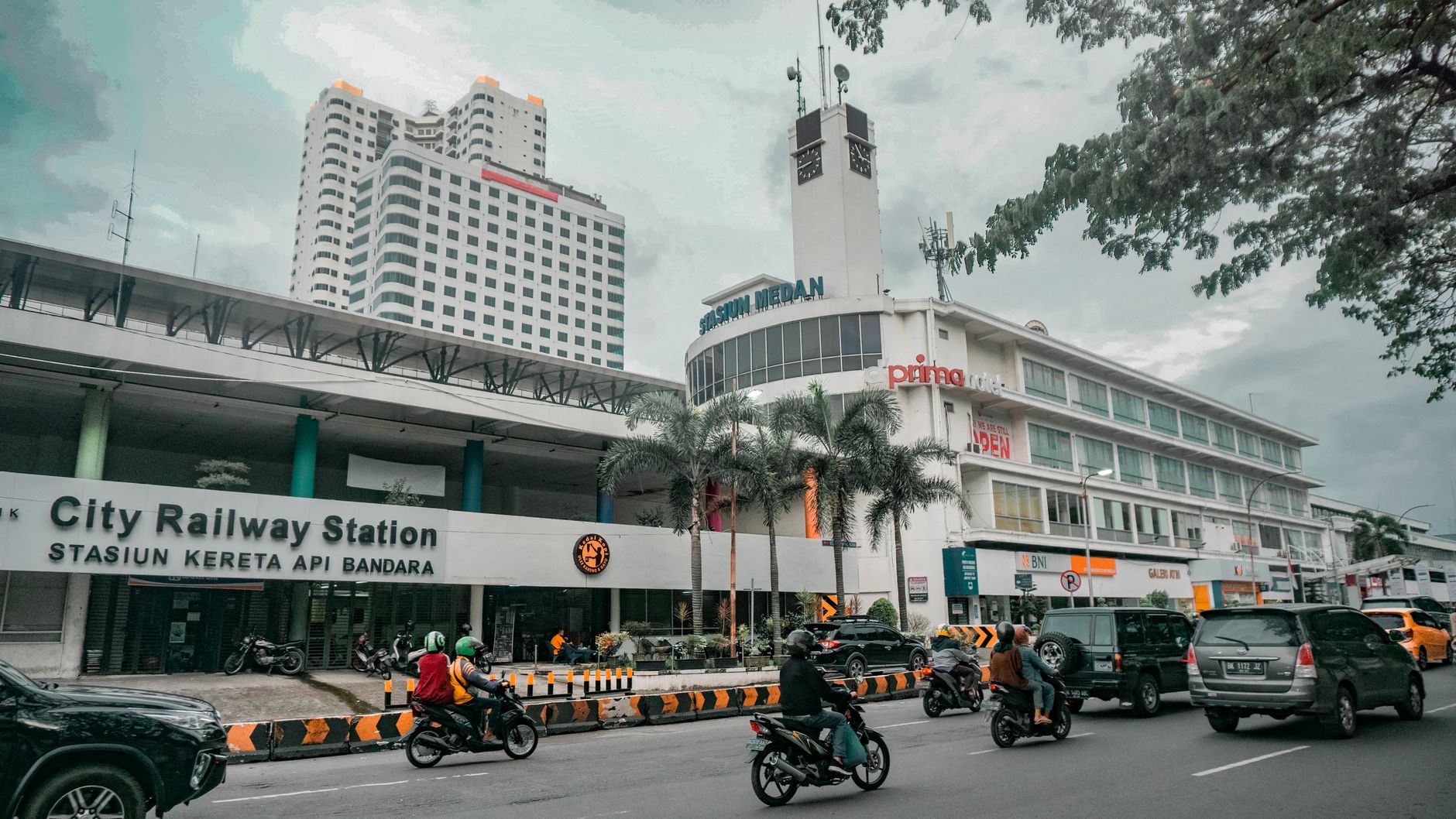
Medan announces itself through food before almost anything else. At the night markets near Kampung Madras — the city's Tamil quarter — you'll find roti canai beside Minangkabau rendang beside Hokkien noodles, a plate-by-plate record of the migrations that shaped this place. It is Indonesia's third-largest city, the capital of North Sumatra, and a genuine crossroads rather than a curated one.
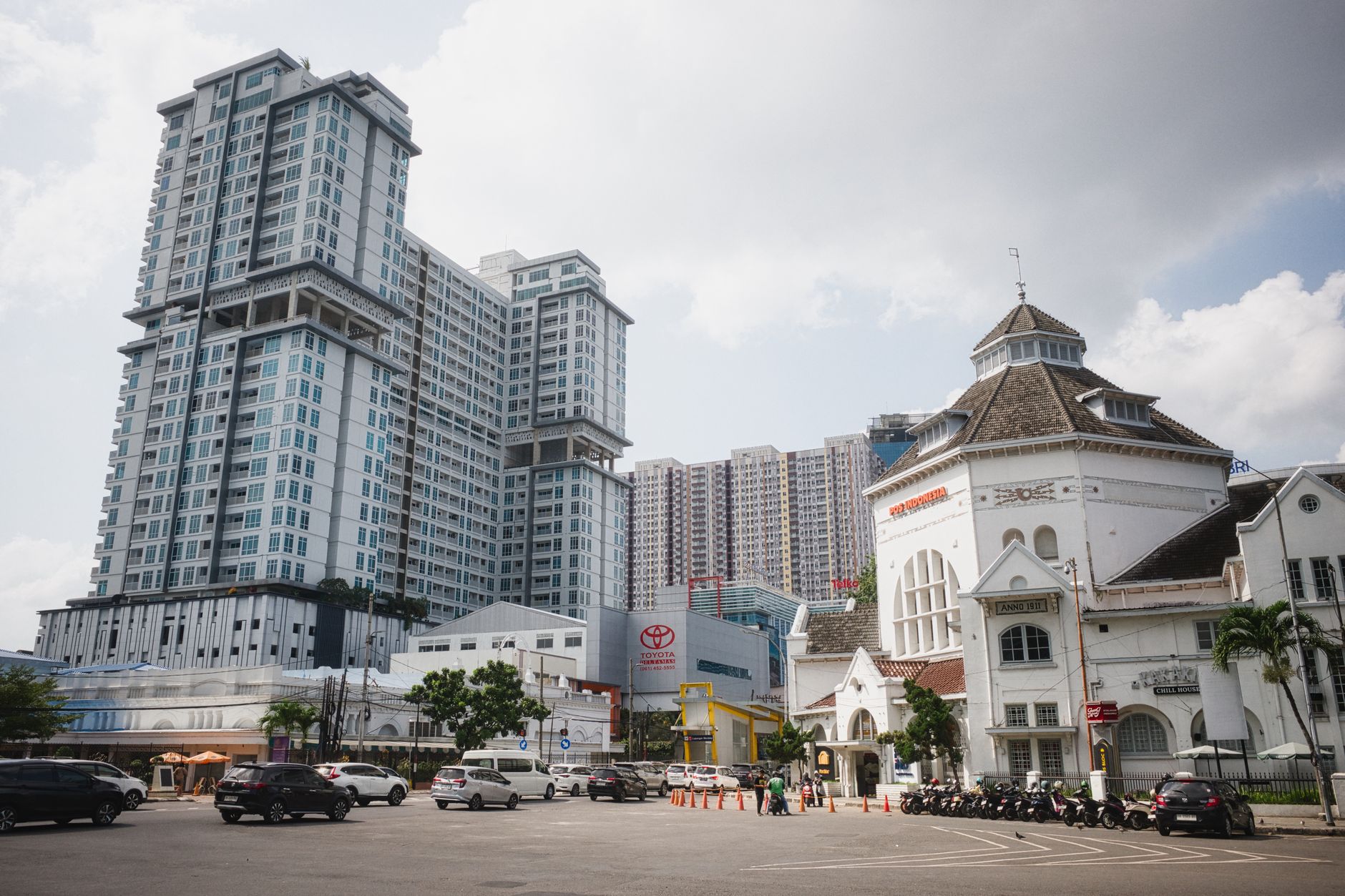
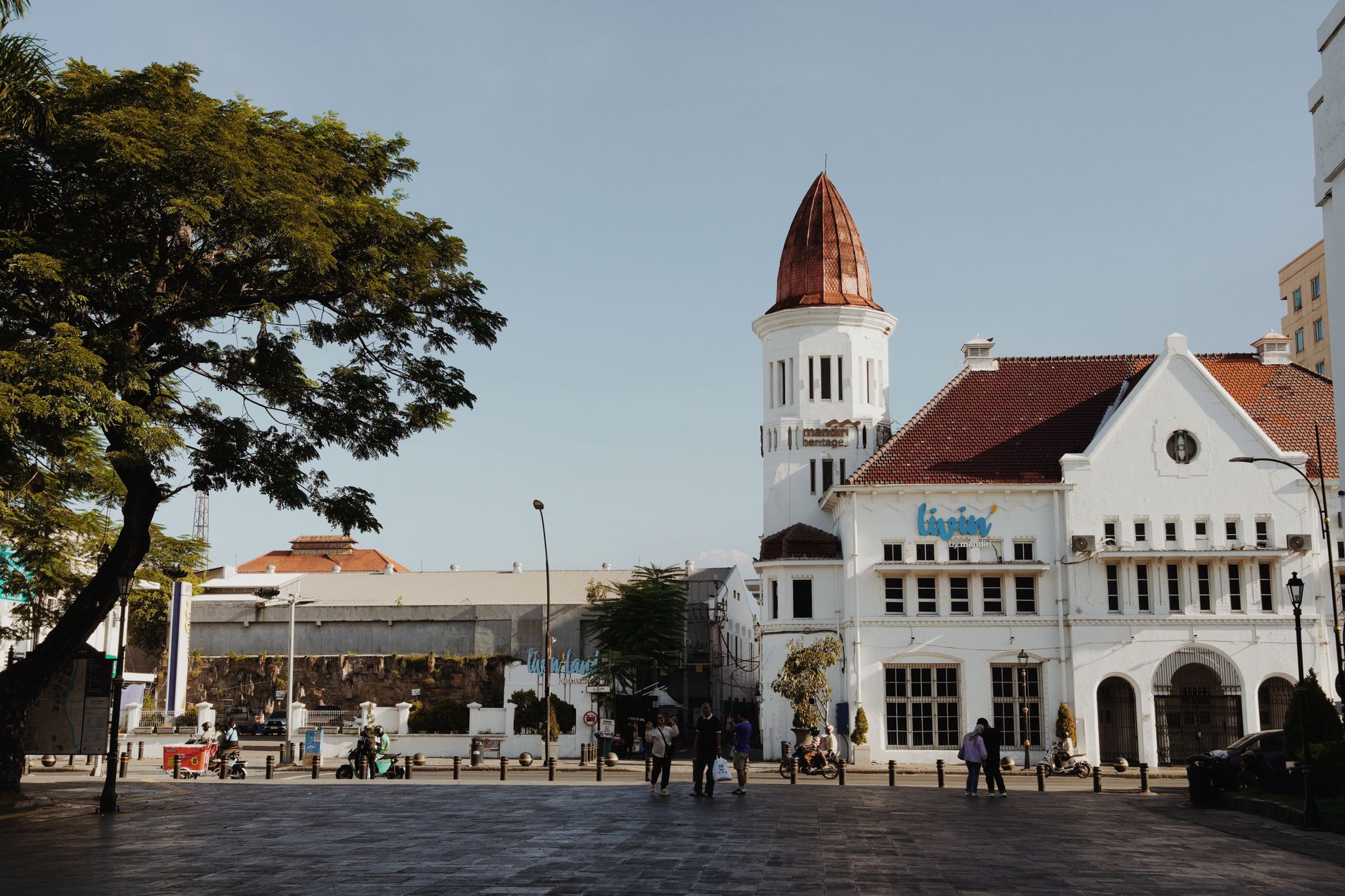
The colonial grid still shows in the Dutch-era post office with its round dome, and in the yellow-walled Maimun Palace rising above the Deli River's west bank. Medan rewards slow walking and an open appetite more than any checklist.
💛 What travellers fall for
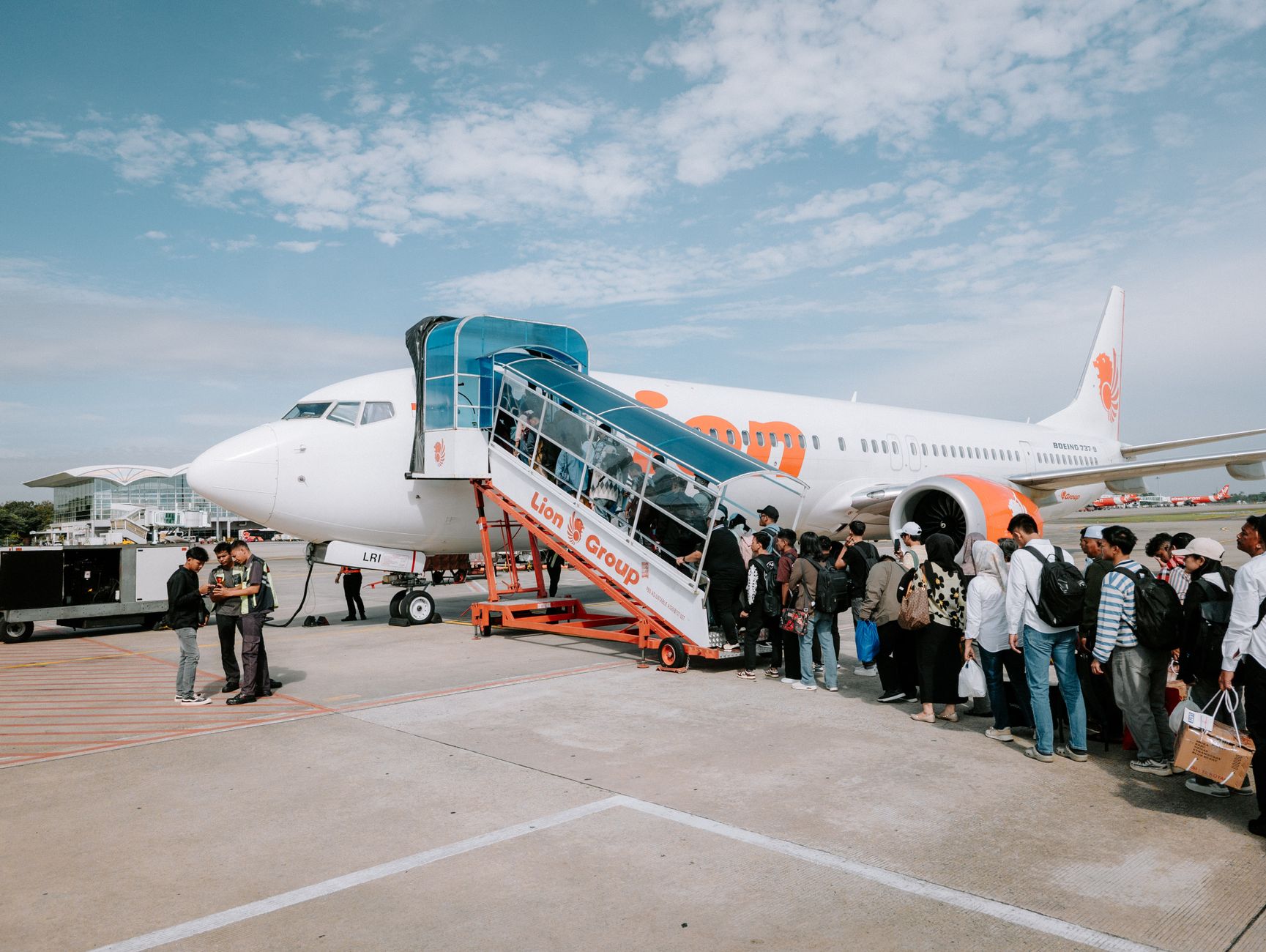
People who come back tend to time it around the food rather than the sights. The Tjong A Fie Mansion is worth the guided tour — the rooms tell a specific story about the Chinese merchant class that the street outside can't. And if you're heading onward to Lake Toba, the Railink train from Kualanamu saves you the taxi negotiation.
How Medan came to be
Medan was founded on July 1, 1590, by Guru Patimpus Sembiring Pelawi, a Karo man, at the confluence of the Deli and Babura rivers. The settlement — first called Kampung Medan Putri — came under the Deli Sultanate after its establishment in 1632. Two and a half centuries later, Dutch colonial ambitions transformed it: tobacco and rubber plantations drew laborers from China, India, and across the archipelago, and in 1886 the Dutch declared it a city.
The wealth of that plantation era is still visible in the architecture. The Maimun Palace was completed in 1891, designed by an Italian architect for the Deli Sultan. The Great Mosque Al-Mashun followed in 1909, its dome blending Middle Eastern, Indian, and Moorish forms. By 1915 Medan was the official capital of North Sumatra, a status it has held ever since.
Who and what shaped it
People who shaped it
Landmark buildings
See Medan in motion
Plan your visit
On the map
When to go
Medan is equatorial and humid year-round, with temperatures sitting between 31–33°C most days and rarely cooling below 20°C at night. The driest window runs roughly May to September; November is the wettest month, averaging nearly 380 mm of rain, so pack accordingly if you're visiting in the second half of the year.
Right now
Background & history adapted from Wikipedia (CC BY-SA) · specs from Wikidata (CC0) · weather from Open-Meteo · map data © OpenStreetMap contributors · photos from Wikimedia Commons / Unsplash with per-image credit. No third-party reviews or social posts reproduced.