
Mecca
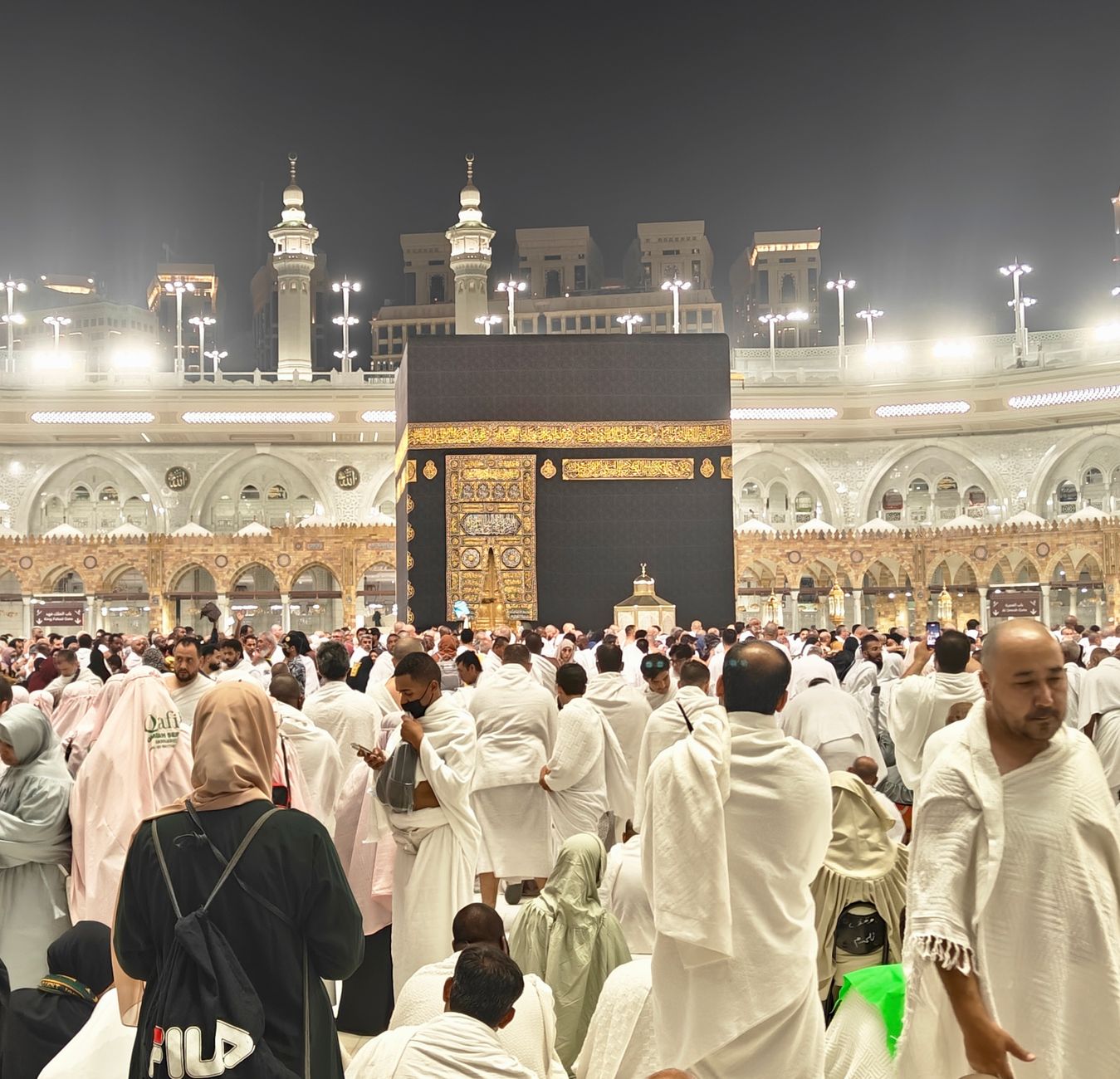
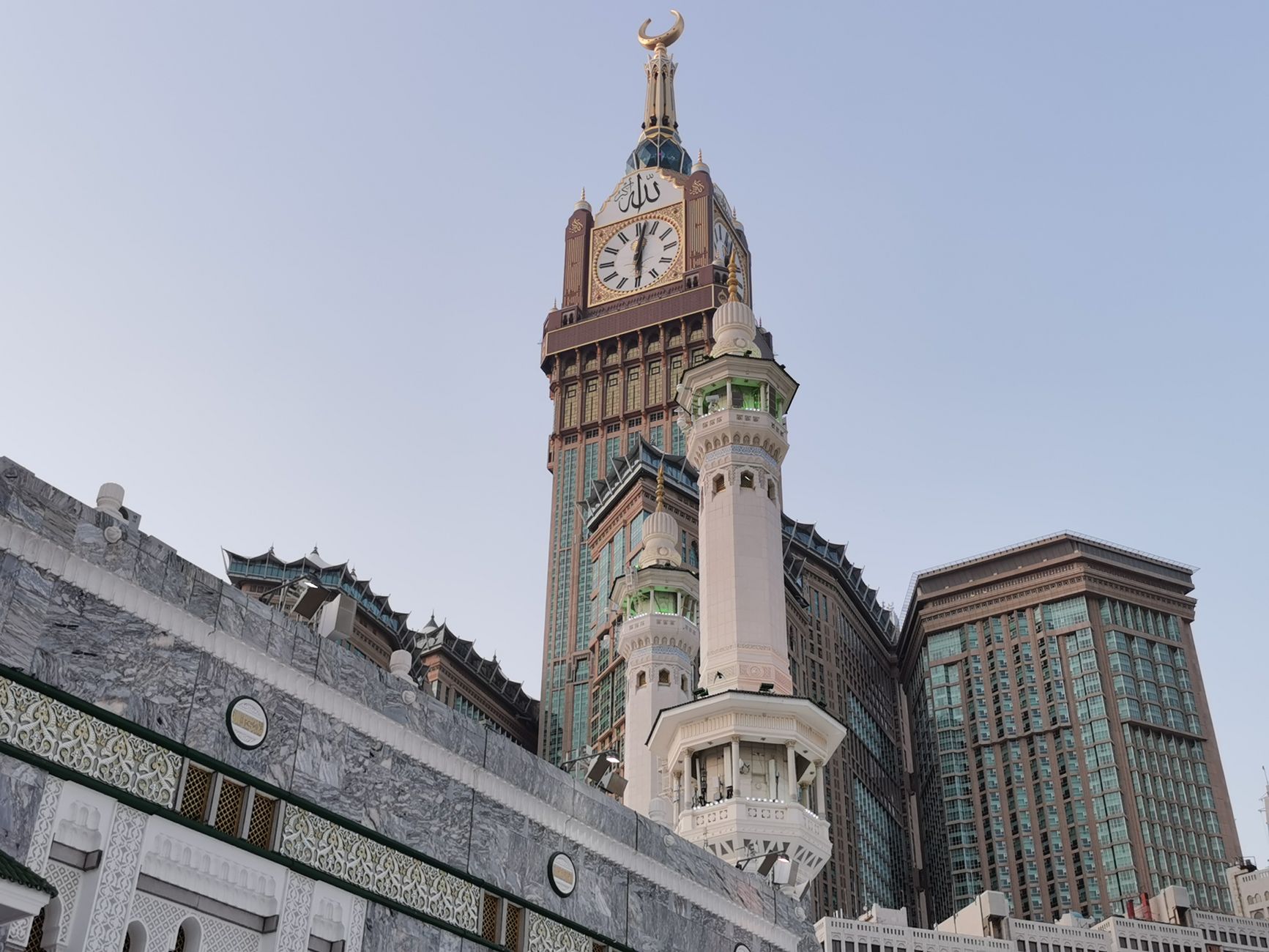
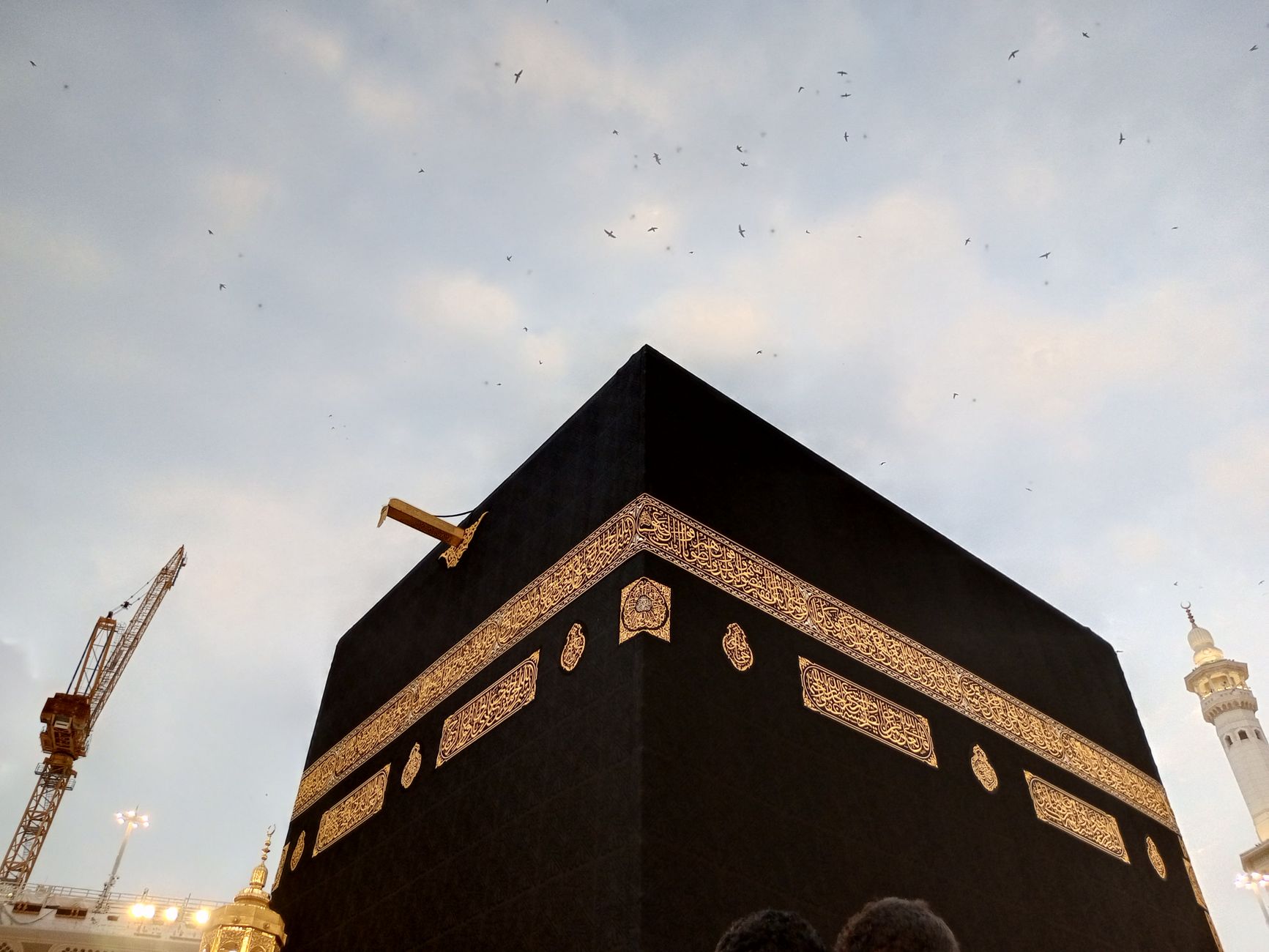
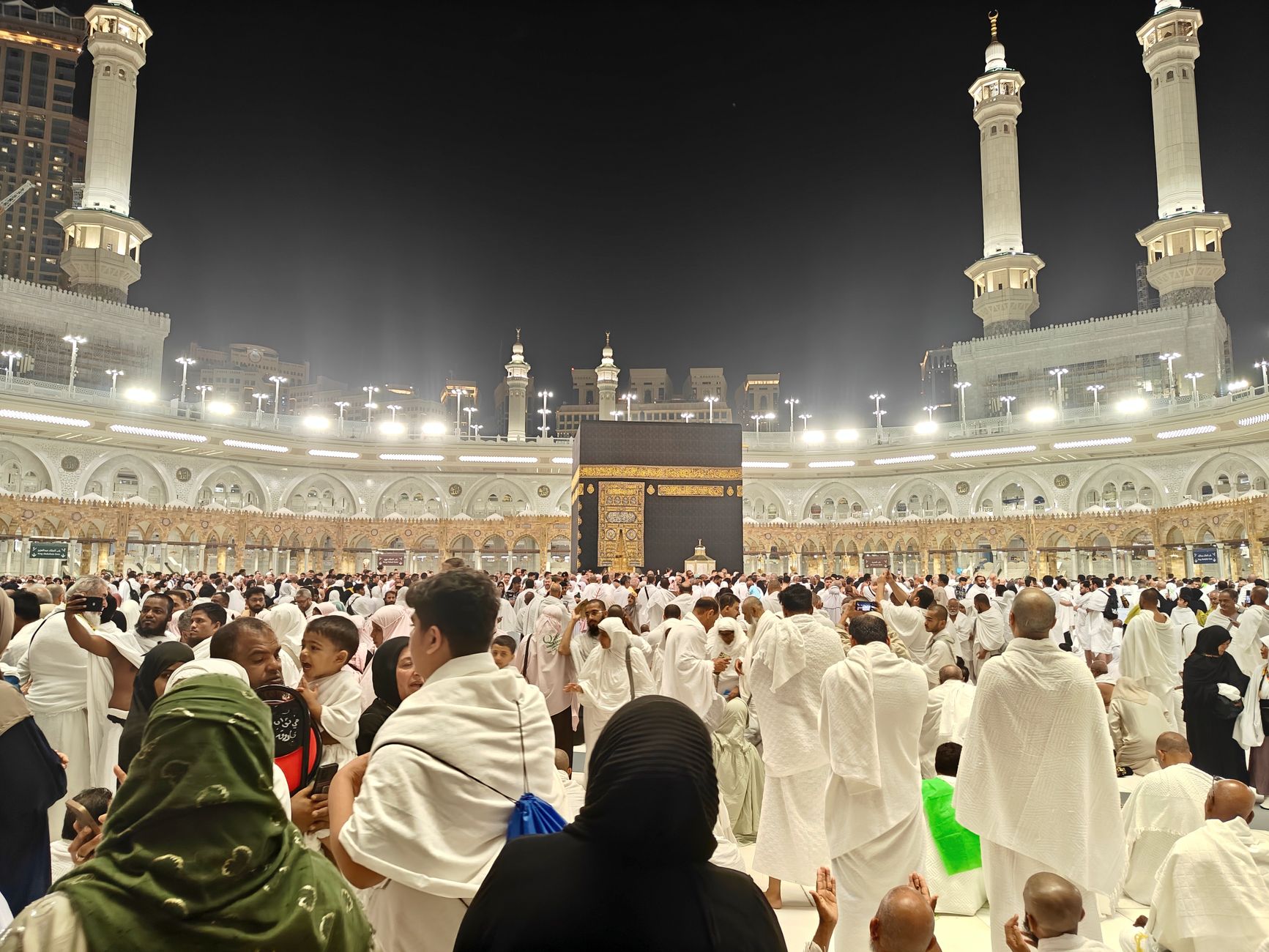
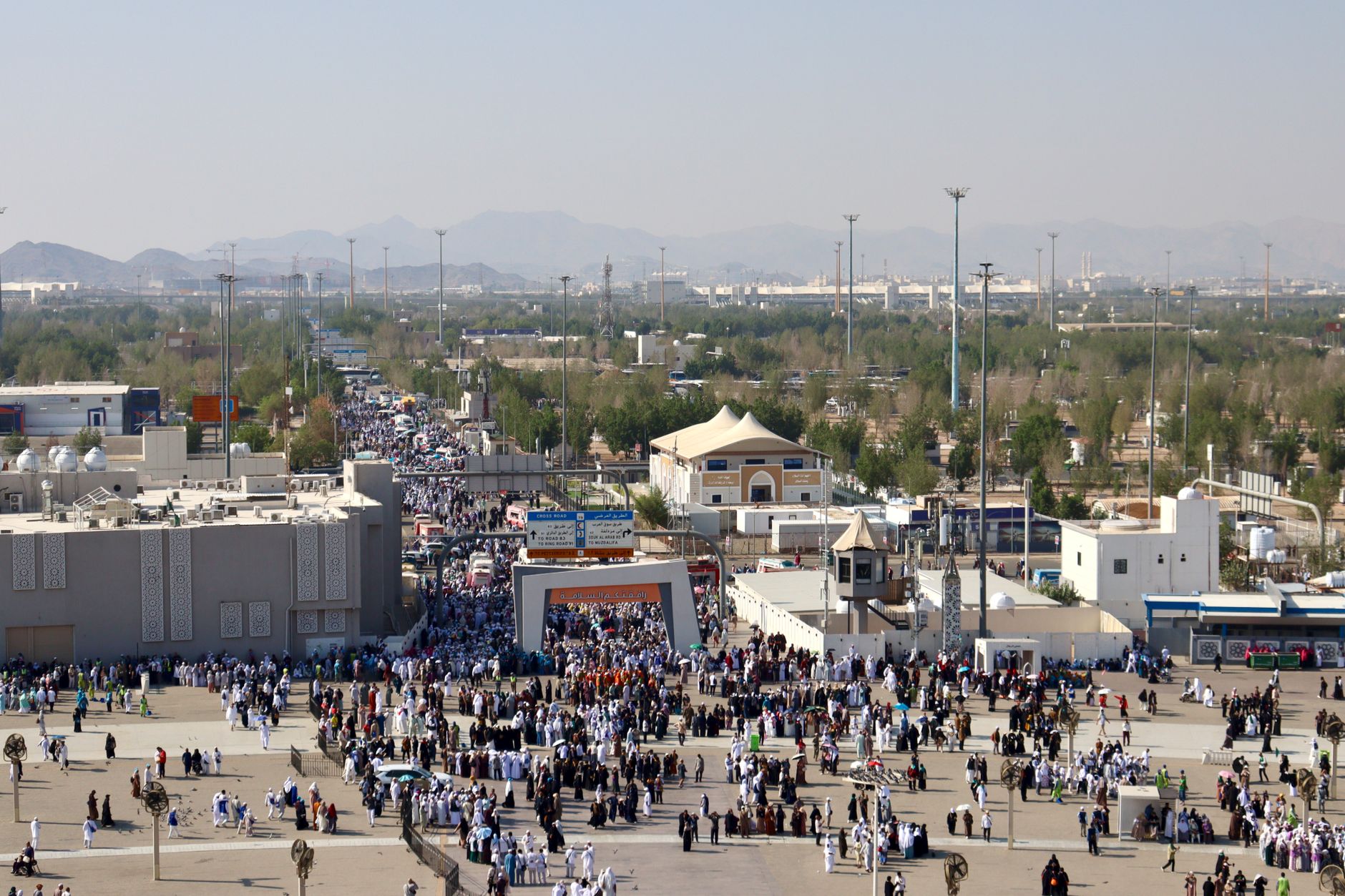
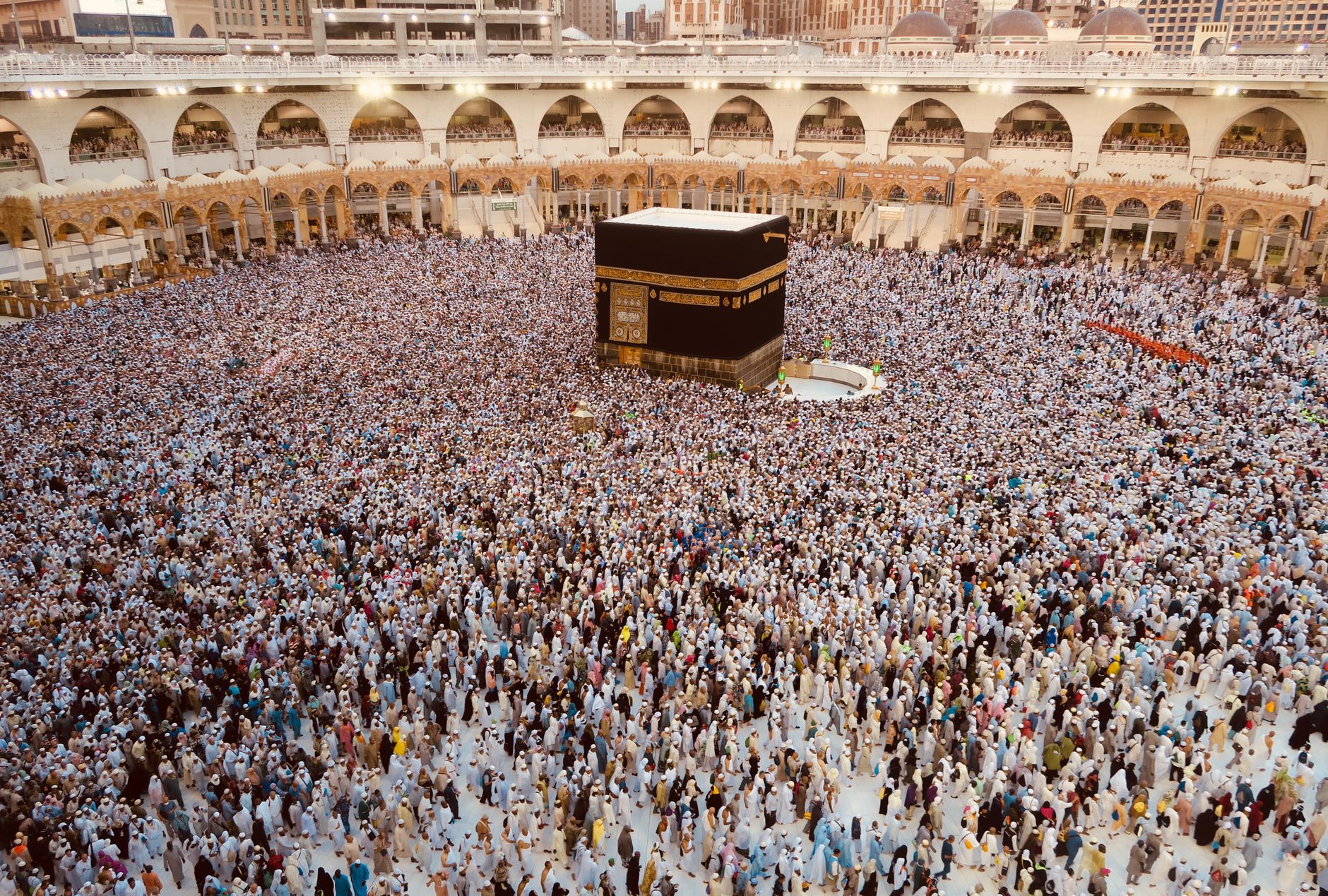
Mecca sits in a narrow valley in the Hejaz mountains, and at its center stands the Kaaba — a granite cube draped in black brocade, around which millions of people move in continuous, concentric circles. There is no place on earth quite like it in scale or in concentration of purpose.
Entry is restricted to Muslims under Saudi law, enforced at road checkpoints on every highway into the city. If you are coming for Hajj or Umrah, the pilgrimage itself structures your time here — the Masjid al-Haram, the Zamzam Well, the hills of Safa and Marwa, the Cave of Hira on Jabal al-Nour. The city exists, above all else, as the destination at the end of a journey that begins long before you arrive.
💛 What travellers fall for
Those who return regularly note that the Masjid al-Haram feels different at Fajr — the pre-dawn prayer — than at any other hour. The crowd thins, the heat eases, and the tawaf takes on a quieter rhythm. Many pilgrims also make time for the climb to Cave of Hira early in the trip, before fatigue sets in.
How Mecca came to be
Mecca's origins predate written record. By 433 CE the Himyar king As'ad Tubba' held authority here, and Islamic tradition traces the valley's significance back to Abraham, Hagar, and Ishmael. Muhammad was born in the city in 570 CE, received the first Quranic revelation at Cave of Hira in 610, and his followers took Mecca in 630. The Kaaba — rebuilt after fire damage in 683 and again with granite in 1626 under Ottoman Sultan Murad IV — has stood as the focal point of Islamic worship ever since.
The city passed through Abbasid, Ottoman, and Saudi hands. The Ottomans held it from 1517 to 1916; Ibn Saud's forces captured it in 1924. Since 1985, the pace of development has been rapid and largely irreversible — an estimated 95% of Mecca's historic buildings, most over a thousand years old, have been demolished. Fewer than twenty structures survive from the time of Muhammad.
Who and what shaped it
People who shaped it
Landmark buildings
See Mecca in motion
Plan your visit
On the map
When to go
Mecca is hot and dry for most of the year, with summer temperatures regularly exceeding 40°C (104°F). The cooler months from November through February are more bearable for the long walks pilgrimage requires, though Hajj dates shift annually with the Islamic lunar calendar and cannot always be timed to the mildest season.
Right now
Background & history adapted from Wikipedia (CC BY-SA) · specs from Wikidata (CC0) · weather from Open-Meteo · map data © OpenStreetMap contributors · photos from Wikimedia Commons / Unsplash with per-image credit. No third-party reviews or social posts reproduced.